Evening Reset Routine Mistakes and How to Fix Them (Guide)

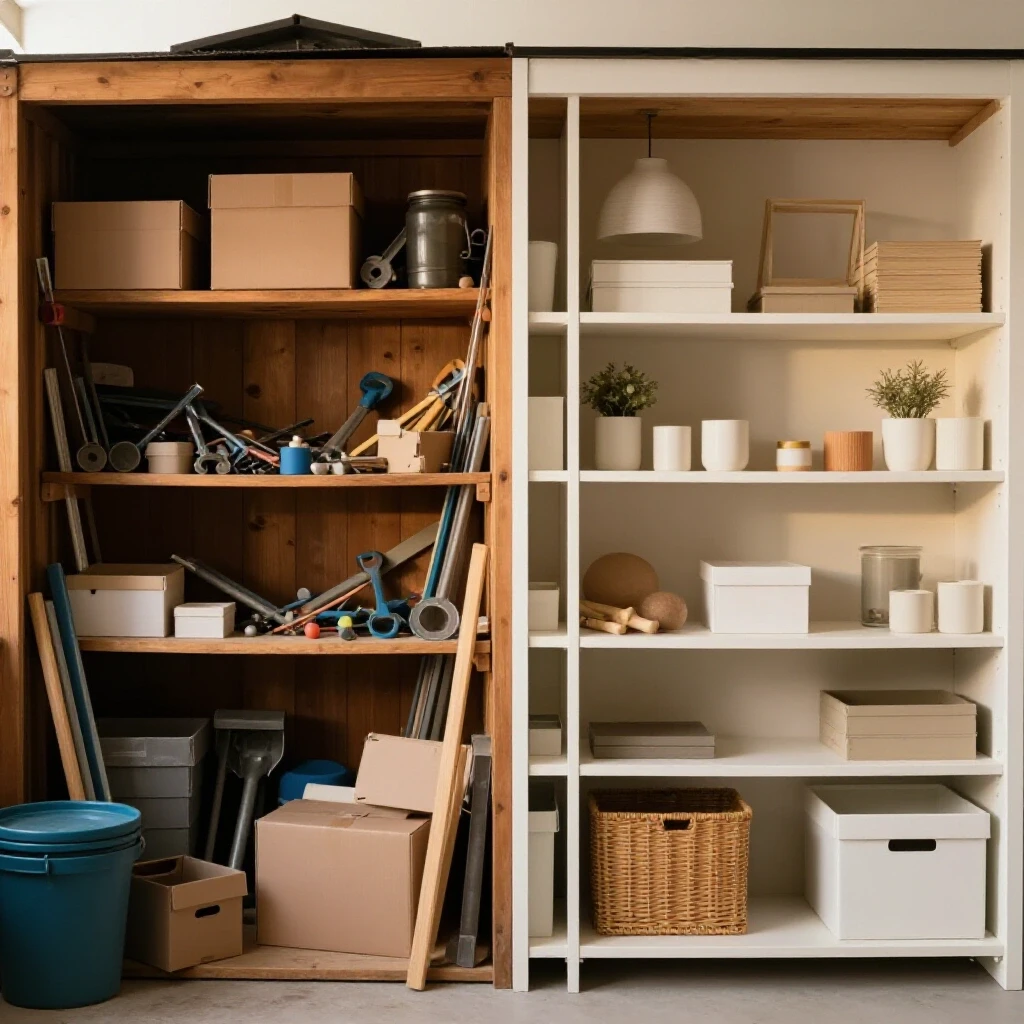
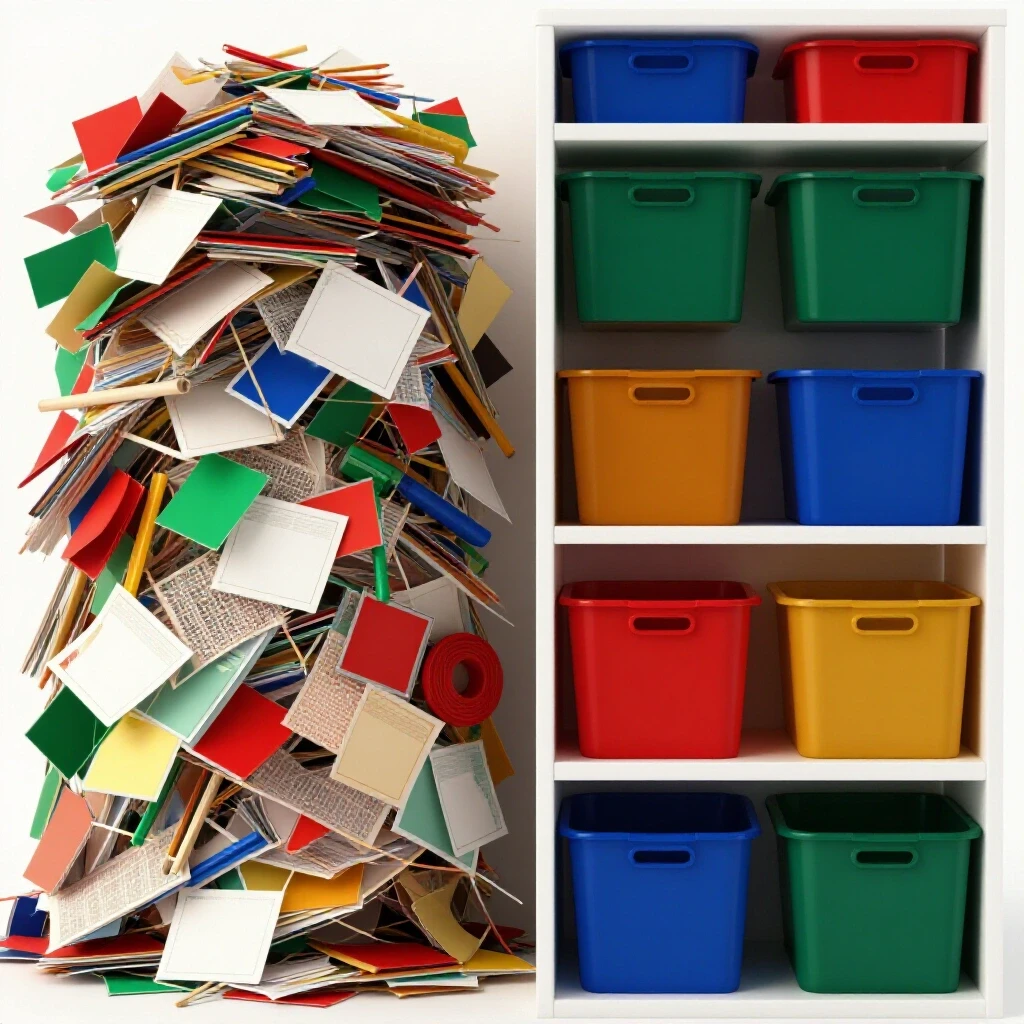
Many people believe that if they just buy the right set of matching bins, their home will stay organized forever. This is a myth. In my 11 years working in operations and logistics, I have seen that the most beautiful storage systems often fail because they ignore human behavior. Real organization is not about how a room looks for a photo; it is about how easily you can put things away when you are exhausted at 8:00 PM.
Analyzing the Breakdown of Nightly Tidying Routines
This section examines why standard end-of-day cleaning attempts fail to produce lasting order in busy households. It focuses on the gap between idealized storage and the reality of family life.
When I first applied industrial logistics to my own home, I realized that our evening routines were failing because the “flow rate” of items coming in was higher than our “sorting speed.” My wife and I would spend thirty minutes every night moving toys, mail, and shoes. By Tuesday, we were too tired to finish. By Friday, the house looked like we had never cleaned at all.
This happens because most home organization systems are designed for retrieval, not for putting things away. We focus on how easy it is to find a screwdriver, but we ignore how hard it is to put it back. In logistics, we call this “stowage friction.” If a system requires more than two steps to put an item away, the system will eventually collapse under the weight of daily life.
The Impact of High-Friction Storage on Family Habits
High-friction storage refers to any system that requires multiple physical or mental steps to return an item to its proper place. These systems often lead to rapid clutter reversion in homes with children and busy professionals.
In my home, I once installed a series of beautiful, opaque bins with tight-fitting lids for my children’s building blocks. On paper, it was perfect. In practice, it was a disaster. To clean up, the kids had to find the right bin, pull it out from the bottom of a stack, remove the lid, and then sort the blocks. It was too much work for a five-year-old at the end of the day.
Interestingly, research in environmental psychology suggests that visual complexity and high-effort tasks contribute to “decision fatigue.” When we are tired, our brains seek the path of least resistance. If the path to a tidy floor involves five steps per item, we will choose to leave the item on the floor.
- Step 1: Identify the item.
- Step 2: Locate the specific bin.
- Step 3: Move obstructing items.
- Step 4: Open the container.
- Step 5: Place the item inside.
| Storage Type | Physical Steps | Friction Level | Success Rate |
|---|---|---|---|
| Open Basket/Hook | 1-2 | Low | 95% |
| Lidded Bin (Not Stacked) | 3 | Medium | 60% |
| Stacked Lidded Bins | 5+ | High | 15% |
| Drawer with Dividers | 2-3 | Medium | 75% |
The Cognitive Load of Evening Decisions
Cognitive load is the amount of mental effort being used in the working memory. In a cluttered home, every misplaced item represents a micro-decision that drains your mental energy.
When you walk into a room filled with “homeless” items, your brain tries to process where everything belongs. This leads to mental fatigue. I found that my family’s evening frustration wasn’t just about the physical mess; it was about the mental weight of 50 small unfinished tasks. To fix this, we had to reduce the number of choices required during our nightly cleanup.
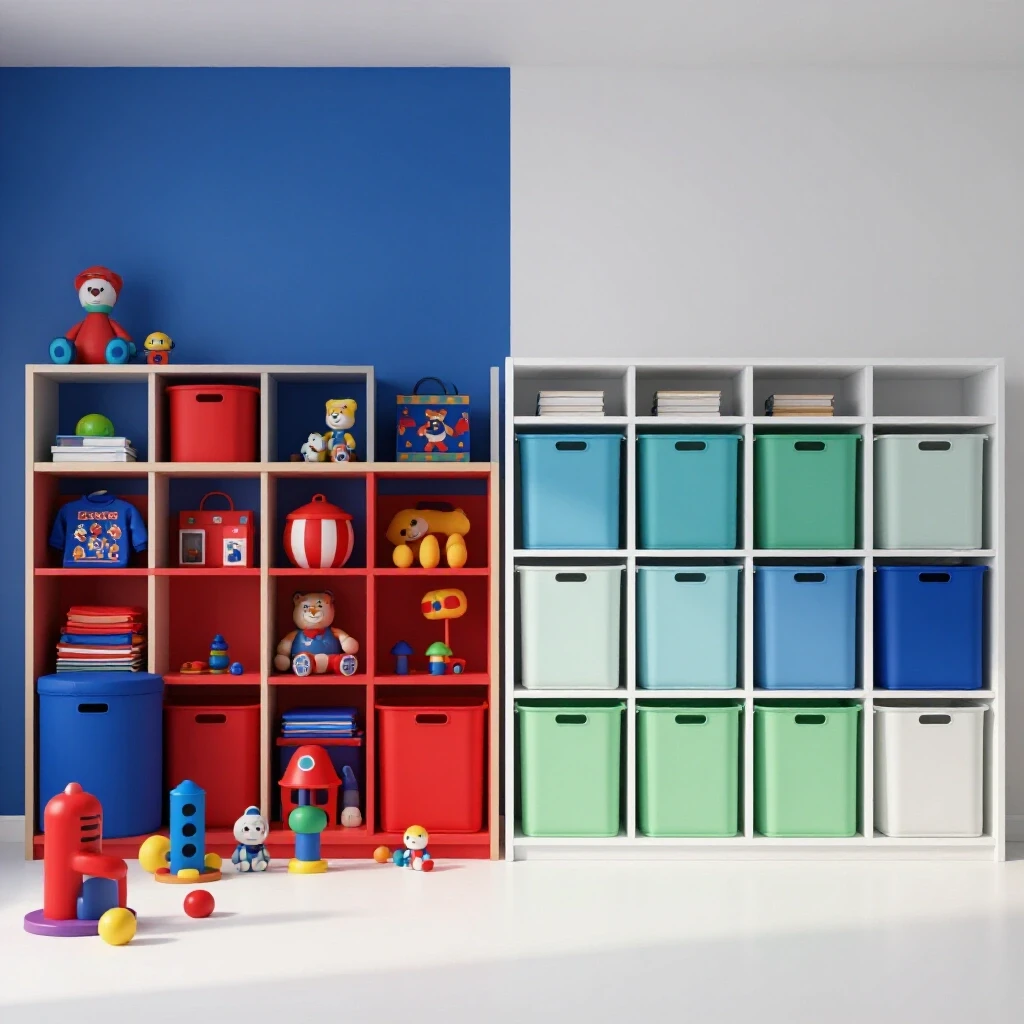
By labeling zones rather than specific spots, we lowered the “sorting tax.” For example, instead of having a bin for “Action Figures” and another for “Cars,” we created one large, open “Toy Zone” bin. This reduced the mental processing time required to clear the floor, making the habit sustainable even on high-stress workdays.
Measuring the Speed of Organizational Decay
Organizational decay is the rate at which a tidy space returns to a state of disorder. Measuring this help identifies which specific areas of your home have failing systems.
I track this using a “Reversion Timeline.” If I organize the mudroom on Sunday and it is cluttered by Tuesday morning, the system has a high decay rate. This usually indicates a bottleneck in the “inflow” process. In my case, we had no designated spot for “transition items” like library books or outgoing mail. Because these items had no home, they floated around, creating a sense of chaos.
- Low Decay: Space stays tidy for 7+ days with minimal effort.
- Medium Decay: Space requires a major reset every 3-4 days.
- High Decay: Space reverts to clutter within 24-48 hours.
Why Visual Systems Often Fail Functional Needs
Visual organization focuses on aesthetics, such as color-coding or matching containers, while functional organization focuses on the ease of use and movement within a space.
Many parents fall into the trap of “Pinterest-perfect” storage. We see photos of clear jars and rainbow-ordered bookshelves and think that is the goal. However, these systems are often fragile. If you buy a new box of cereal that doesn’t fit in your specific “cereal jar,” the system breaks. Functional home storage must be flexible enough to handle the changing inventory of a real family.
In my professional experience, the best warehouses are not the ones that look the prettiest; they are the ones where the most frequent items are the easiest to reach. I applied this “Golden Zone” principle to our kitchen. Items used daily are between waist and shoulder height. Items used once a month are on the high shelves. This simple spatial adjustment reduced our daily cleanup time by nearly ten minutes.
Redesigning Zones for Lower Daily Effort
Zoning is the practice of grouping related activities and items into specific physical areas to minimize movement and maximize efficiency.
To stop the cycle of constant tidying, I mapped out our home’s “logistical flows.” I noticed that clutter gathered at “transition points”—the places where we move from one activity to another. The entryway, the kitchen island, and the bedside table were our primary bottlenecks.
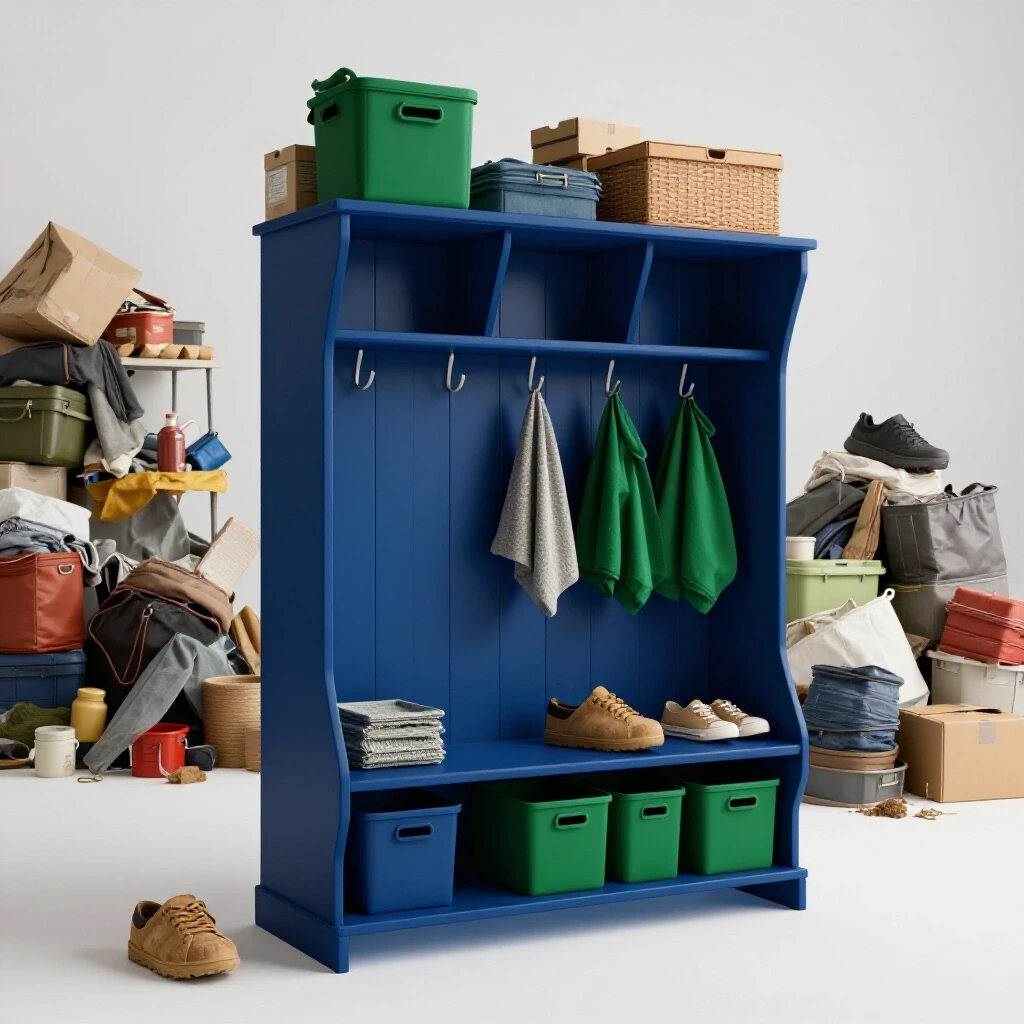
We redesigned these areas to act as “surge protectors” for clutter. Instead of fighting the fact that my kids drop their bags by the door, I installed heavy-duty hooks and an open cubby right where the bags naturally landed. We stopped trying to change the family’s behavior and instead changed the environment to match the behavior.
- Identify the Drop Zone: Observe where items naturally pile up for three days.
- Analyze the Contents: Are they shoes, mail, or toys?
- Install Low-Friction Gear: Use hooks, open bins, or baskets.
- Set Capacity Limits: When the basket is full, it must be emptied.
Sorting Speed and Retrieval Step Counts
Retrieval step counts measure the number of physical actions required to get an item out or put it away. Lower step counts lead to higher maintenance success.
In logistics, we try to reduce “travel time.” At home, this means storing items exactly where they are used. If the kids play with LEGOs in the living room, but the LEGO bin is in the upstairs closet, the bin will stay empty while the floor stays covered in plastic bricks.
I conducted a small experiment in our house. I moved the “frequently used” cleaning supplies from the laundry room to a small basket under the kitchen sink. This reduced the “cleaning friction” from 40 steps (walking to the laundry room and back) to 4 steps. As a result, the kitchen counters were wiped down 50% more often.
Selecting Sustainable Storage Solutions for Families
Sustainable storage refers to containers and furniture that are durable, easy to use, and adaptable to the changing needs of a household over several years.
When choosing gear, I look for “industrial durability.” For a family with young children, fragile wicker or thin plastic will not last. We switched to heavy-duty canvas bins and metal lockers. These materials handle the “impact” of a busy evening without breaking.
Furthermore, I avoid “micro-sorting.” Small dividers are great for a lone professional’s desk, but they are a nightmare for a shared family junk drawer. We use “macro-sorting” instead. One large bin for “Electronics Cables” is much easier to maintain than five small slots for different types of chargers.
- Macro-sorting: Grouping items by broad category (e.g., “Tools”).
- Micro-sorting: Grouping items by specific type (e.g., “Phillips Head Screwdrivers”).
- Visual Transparency: Using mesh or open-top bins so you can see contents without opening them.
Building Systematic Habit Loops
A habit loop consists of a cue, a routine, and a reward. In home organization, the goal is to make the “routine” so simple that it becomes automatic.
My family’s evening routine failed because it was too long. We were trying to do a “deep clean” every night. We shifted to a “10-Minute Reset.” We set a timer, and everyone focused only on “clearing the transit zones.” We didn’t worry about the inside of the pantry or the toy closet. We only focused on the surfaces that cause visual overwhelm.
Because the task was time-boxed and the storage was low-friction, the “mental cost” of starting was low. We used the “Clean Surface Reward”—the psychological relief of waking up to a clear kitchen island—as our primary motivator.
| Family Member | Task | Duration | Tools Needed |
|---|---|---|---|
| Parent A | Kitchen Counters | 4 Mins | Spray, Cloth |
| Parent B | Mail/Paperwork | 3 Mins | Shredder, Inbox |
| Child (Age 6+) | Floor Toy Pickup | 3 Mins | Open Toy Bin |
Standard Item-Density Guidelines
Item density is the ratio of objects to the available storage volume. Overcrowded shelves are a primary cause of system failure and frustration.
A common mistake is filling a shelf to 100% capacity. In a warehouse, we aim for 80% utilization. This “20% Buffer” allows you to move items around, see what you have, and put things back without having to perform a puzzle-solving exercise. If your “sustainable decluttering” journey feels stuck, check your density. If you have to move three things to get to one, you have exceeded your spatial capacity.
- The One-In, One-Out Rule: For every new item brought into the home, one must leave.
- Visual Gap Requirement: Ensure at least 10% of every shelf remains empty.
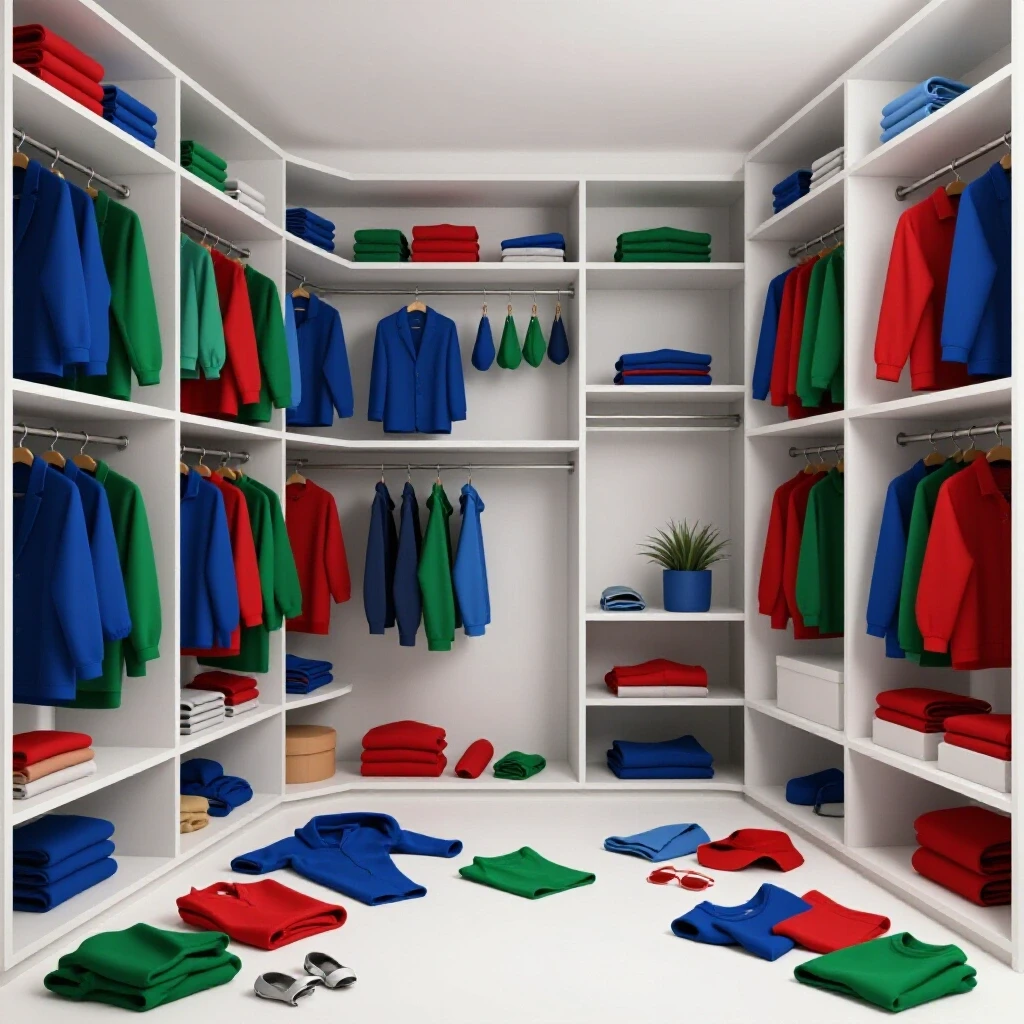
- Vertical Volume: Use the full height of a closet, but keep the “Golden Zone” (waist to eye level) for the 80% of items used most often.
Practical Next Steps for Reducing Household Clutter
The journey toward a functional home starts with small, measurable changes rather than a total overhaul. Focus on the areas that cause the most daily friction.
Start by identifying one “High-Friction Zone” in your home. Replace a lidded box with an open basket. Observe if the items are put away more frequently over the next three days. This data-driven approach removes the emotion from organizing and turns it into a simple logistical problem.
Remember, the goal is not a house that looks like a museum. The goal is a house that serves your family’s needs without draining your mental energy. By focusing on flow rates, friction, and functional zones, you can create a system that survives even the busiest Monday night.
Frequently Asked Questions
Why does my house get messy again so quickly after I spend hours organizing? This usually happens because the storage system has too much “friction.” If it takes too many steps to put an item away, family members will leave it on a flat surface instead. You may also be “micro-sorting” too much, which is hard to maintain during a busy week.
How can I get my kids to help with the evening cleanup? Use “macro-zoning” and open storage. Kids struggle with complex categories and lids. If they have one big basket for “all toys,” they are much more likely to participate. Make the “put away” action a single-step process.
What is the “Golden Zone” in home organization? The Golden Zone is the area between your knees and your shoulders. This is the easiest space to access. Store your most frequently used items here to reduce the physical effort of daily tasks. Items used less often should go high or low.
How do I know if I have too much stuff or just bad storage? Check your “item density.” If your shelves are packed to the edges and you have to move items to reach what you need, you likely have a volume problem. If you have empty space but still can’t find things, you have a storage system problem.
What are “transition items” and why do they cause clutter? Transition items are things that are “on their way” somewhere else, like library books, gym bags, or donations. If these items don’t have a designated “surge protector” zone, they will drift across your counters and floors, creating constant visual noise.
Is it better to use clear bins or opaque bins? For items you use daily, clear bins or open baskets are best because they reduce the “search time.” For items that look cluttered (like messy craft supplies), opaque bins can reduce visual overwhelm, but they must be clearly labeled to prevent “lost item syndrome.”
How long should a nightly tidying routine take? For a standard family home, a functional reset should take no more than 10 to 15 minutes. If it takes longer, your systems are likely too complex, or you have too much inventory for the space you are managing.
What is “sorting fatigue”? Sorting fatigue is the mental exhaustion that comes from making too many decisions about where things belong. You can reduce this by creating broad categories and “drop zones” so that you don’t have to think deeply about every single item during a cleanup.
Why should I avoid stacking lidded bins? Stacking bins creates a “barrier to entry.” To get to the bottom bin, you have to move the top one. To put things back, you have to do the same. This adds 3-4 extra steps to a simple task, making it highly likely the system will fail.
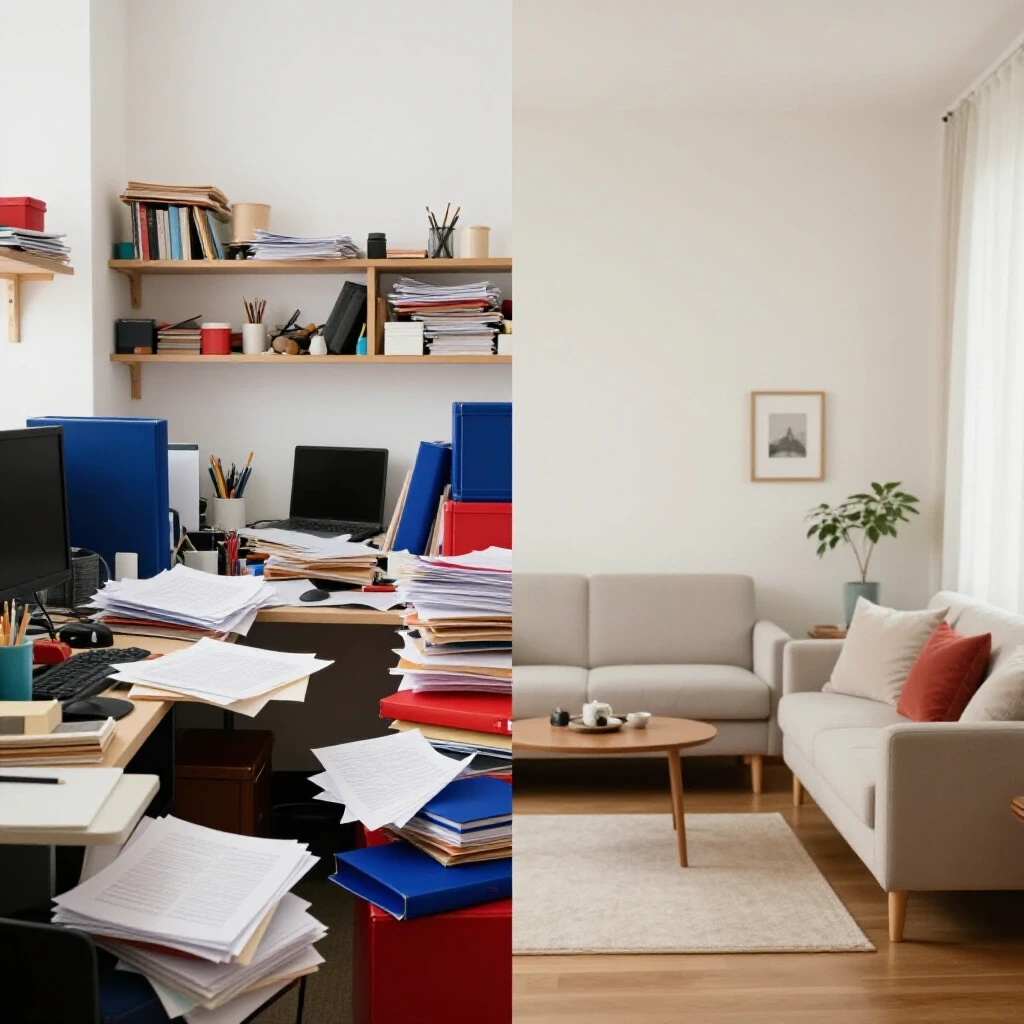
How do I manage paper clutter that piles up every day? Create a “One-Touch” system. Have a designated spot for incoming mail. Sort it immediately over a recycling bin. Only “actionable” papers (bills, invites) should enter the house, and they should go into a single, open upright file.
(This article was written by one of our staff writers, Christopher Bennett. Visit our Meet the Team page to learn more about the author and their expertise.)