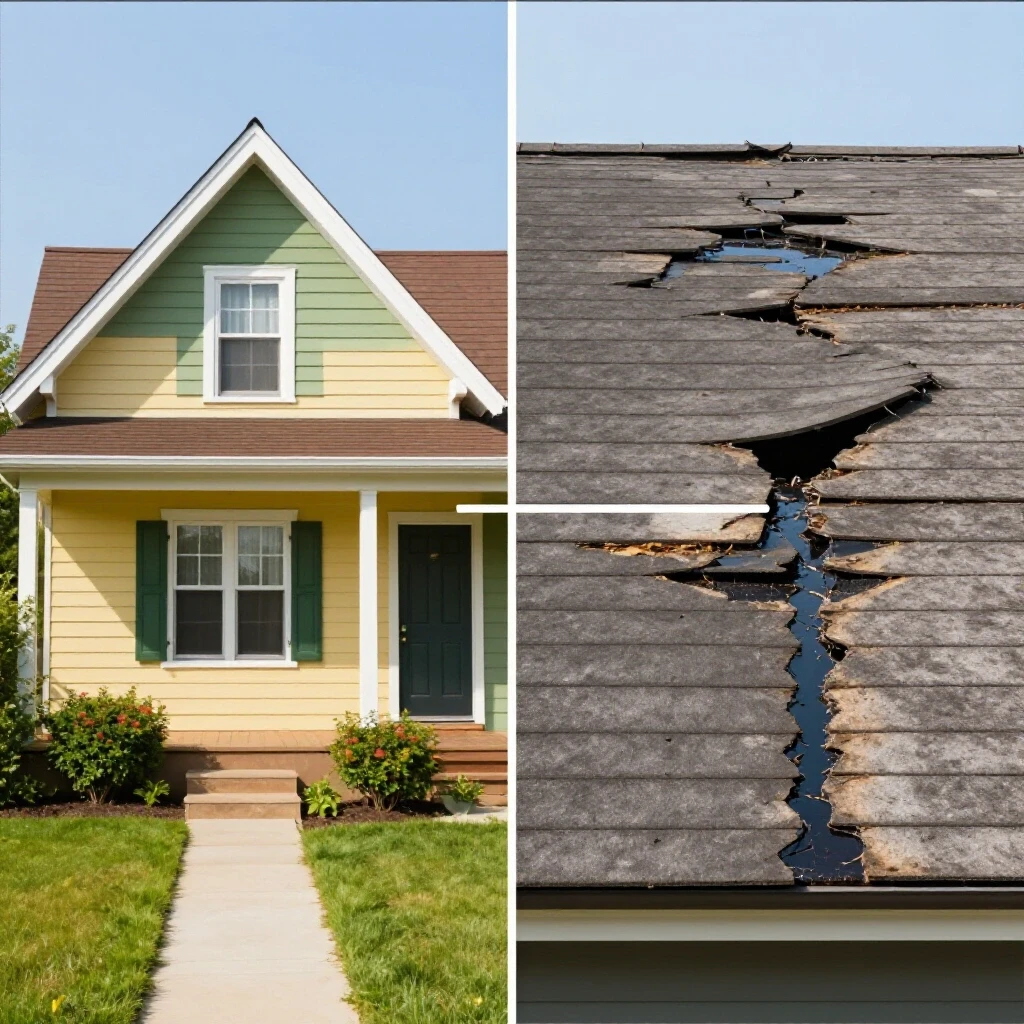
How to Fix Exterior Door Gaps in Winter (Step-by-Step Guide)

The wind was howling at thirty miles per hour, and inside my 1924 craftsman, the curtains were dancing. I wasn’t looking at a ghost; I was witnessing a classic failure of the building envelope. In my seventeen years as a facilities technician, I have learned that the smallest opening in a home’s perimeter can be the most destructive. On that cold January night, the temperature differential between the interior and exterior was forty degrees, making every microscopic bypass feel like a jet stream of ice.
Maintaining older properties requires a shift in perspective from seeing a house as a static object to seeing it as a pressurized vessel. When we talk about thermal boundaries, we are really talking about controlling the movement of energy and moisture. A single opening around an entryway might seem like a minor nuisance, but from a building science standpoint, it is a gateway for structural decay. Over the years, I have tracked how these small drafts lead to localized condensation, which eventually rots out subfloors and invites pest infestations.
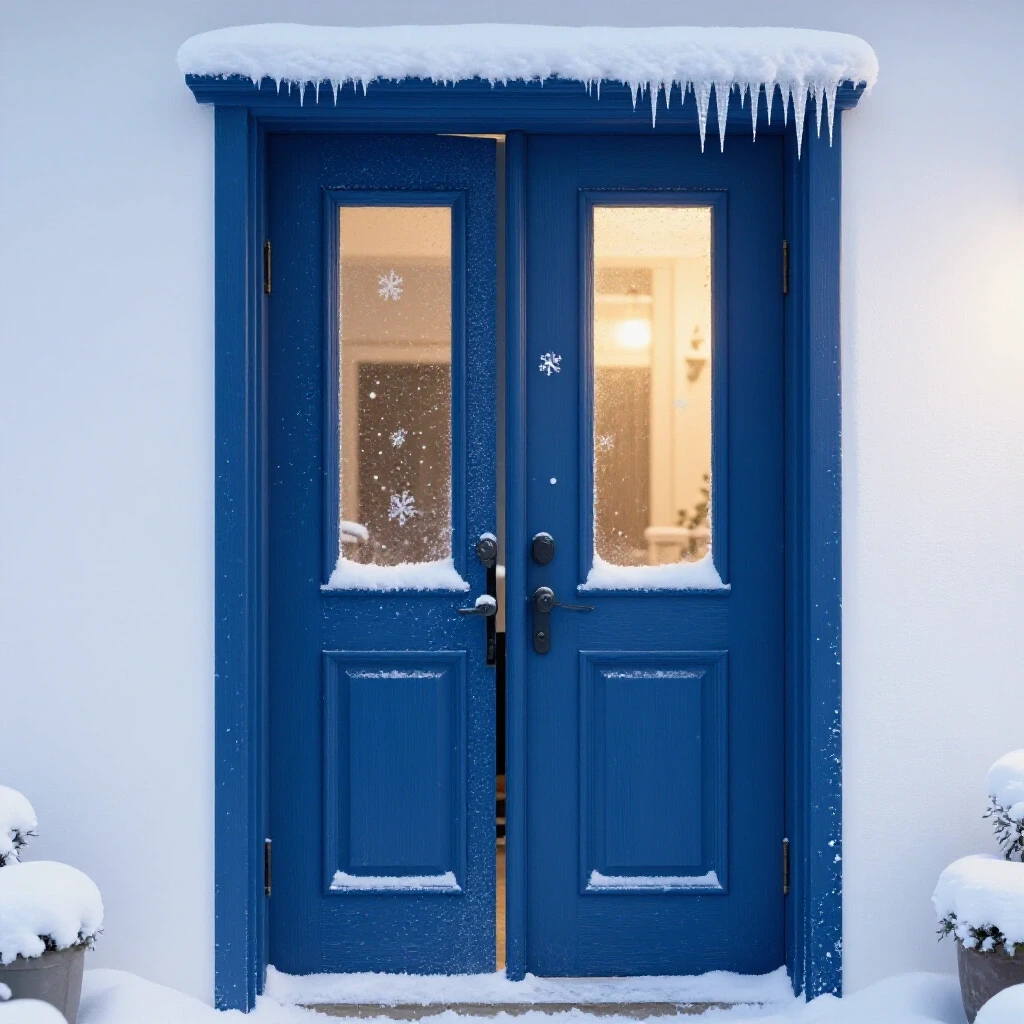
Diagnosing these issues early is the hallmark of preventative home care. It saves you from the five-figure repair bills that come when a door sill plate finally collapses from years of hidden moisture exposure. By using a systematic approach to testing your home’s seals during the peak of winter, you can identify exactly where your defenses are failing and address them with precision.
Understanding Air Infiltration and the Stack Effect
Air infiltration refers to the uncontrolled movement of outdoor air into a home through cracks and openings. This process is accelerated during winter by the stack effect, where warm air rises and escapes through upper levels, creating a vacuum that pulls cold air through lower entry points.
In building science, the stack effect is a powerful force. Because warm air is less dense than cold air, it naturally moves upward, seeking any exit point in the attic or upper floor ceilings. As this air leaves, the lower half of your home experiences negative pressure. This pressure difference forces cold, dense air through the gaps around your exterior doors. It is not just the wind blowing in; your house is actively sucking that cold air inside.
When I evaluate a property, I look at the neutral pressure plane. If you feel a draft at the bottom of your front door, it is a sign that your home is leaking air somewhere else at the top. Addressing the seal at the entryway is a critical step in residential diagnostics, as it breaks the cycle of heat loss and reduces the workload on your HVAC system.
Essential Tools for Thermal Boundary Diagnostics
Effective home maintenance requires specific tools to visualize and measure what the human eye often misses. These instruments allow you to quantify air leaks and temperature drops, moving your repairs from guesswork to data-driven solutions. Using professional-grade tools ensures that your preventative home care is accurate.
To perform a thorough audit of your entryways, I recommend assembling a specialized kit. These tools are standard in facilities management and are accessible for any homeowner focused on structural protection.
- Thermal Imaging Camera: A compact FLIR or similar device allows you to see “cold spots” around door frames that indicate missing insulation or failed gaskets.
- Non-Contact Infrared Thermometer: This tool measures surface temperatures. A significant drop between the door center and the edges indicates a seal failure.
- Smoke Pen or Incense Stick: This is the simplest way to visualize air movement. Hold it near the door perimeter and watch the smoke react to the draft.
- 0.005-inch Feeler Gauge or a Crisp Dollar Bill: Used to test the compression of weatherstripping.
- High-Lumen LED Flashlight: Essential for the “light test” to spot physical daylight passing through closed seals.
- Moisture Meter: Used to check the wood around the door frame for elevated moisture content (anything above 15% in winter is a red flag).
The Symptom-to-Root-Cause Diagnostic Tree
Identifying a draft is only the first step; understanding why it exists is the key to a permanent fix. This diagnostic tree helps you map physical symptoms to their underlying mechanical or structural failures, allowing for more efficient residential diagnostics.
| Observed Symptom | Potential Root Cause | Recommended Diagnostic Action |
|---|---|---|
| Whistling sound during high winds | High-pressure bypass through a small gap | Use a smoke pen to pinpoint the exact exit point. |
| Visible light at the bottom corners | Worn corner seals or “dog ears” | Inspect the bottom of the door stops for missing foam pads. |
| Draft felt even though seals look new | Door slab is warped or bowed | Check the door edge with a long level or straightedge. |
| Frost or ice buildup on the interior sill | Thermal bridging through a metal threshold | Check if the thermal break in the threshold is damaged. |
| Resistance when closing the door | Misaligned strike plate or hinges | Inspect hinge screws for looseness and check door squareness. |
Performing the High-Pressure Winter Seal Test
The winter seal test is a systematic procedure used to identify failures in the door’s weather-tightness during peak cold periods. This test relies on the temperature differential to make leaks obvious, ensuring that your home maintenance checklist is thorough and effective.
I always start this process at night when the temperature is at its lowest. This is when the materials in your door assembly—wood, metal, and vinyl—have contracted to their maximum extent.
The Light and Visual Inspection
First, turn off all interior lights and have someone stand outside with a bright flashlight. Move the light slowly around the entire perimeter of the door. If you see even a sliver of light from the inside, you have an air bypass. Pay close attention to the corners where the vertical side jambs meet the horizontal threshold. This “junction point” is the most common failure zone I have seen in my 17 years of property care.
The Dollar Bill Compression Test
Open the door, place a crisp dollar bill across the weatherstripping, and close the door. Try to pull the bill out. If it slides out with no resistance, the seal is not compressing. You should feel significant friction. Repeat this every six inches along the top and sides. If the bill is tight in the middle but loose at the top, your door may be bowed, or the hinges may need adjustment to pull the slab closer to the stop.
Selecting and Installing High-Performance Weatherstripping
Weatherstripping is the primary mechanical seal between the moving door slab and the stationary frame. Selecting the right material based on its compression set and durability is vital for long-term structural protection and moisture detection prevention.
In my experience, many homeowners reach for cheap, open-cell foam tape. This is a mistake. Open-cell foam acts like a sponge, holding moisture against the wood frame and accelerating rot. Instead, look for EPDM (Ethylene Propylene Diene Monomer) rubber or silicone gaskets.
Types of Seals and Their Applications
- V-Strip (Tension Seal): A durable plastic or metal strip folded into a ‘V’ shape. It is excellent for gaps that vary in width.
- Reinforced Silicone: This is the gold standard for cold weather. It remains flexible down to -40 degrees Fahrenheit and has excellent “memory,” meaning it returns to its shape after the door is opened.
- Door Sweeps with Drip Caps: These are installed on the bottom of the door. The drip cap is essential for shedding water away from the threshold, preventing capillary action from pulling water under the door.
When installing, ensure the surface is cleaned with denatured alcohol to remove oils. If you are applying adhesive-backed seals, the surface temperature of the frame should be at least 50 degrees Fahrenheit for a proper bond. I often use a hair dryer to gently warm the wood before application.
Adjusting the Threshold for a Watertight Seal
The threshold is the heavy-duty transition piece at the bottom of the door frame designed to block air and water. Most modern thresholds are adjustable, allowing you to raise or lower a center strip to meet the door sweep perfectly.
Look for three to five large screws on the top of the threshold. Turning these screws counter-clockwise will usually raise the adjustable oak or plastic strip. You want the door sweep to make firm contact with this strip without making the door difficult to close.
If you have an older home with a fixed wooden threshold, you may need to install a “wrap-around” door shoe. This U-shaped piece of aluminum and rubber slides over the bottom of the door and can be adjusted to take up the space created by a worn or slanted wooden sill. This prevents the “puddle effect,” where melting snow on the threshold is pulled into the house by the negative pressure of the stack effect.
Case Study: The 1950s Entryway Failure
I once consulted on a mid-century home where the owner complained of a “permanent chill” in the foyer. Upon inspection, the door looked fine, but my moisture meter showed 22% moisture content in the subfloor directly beneath the door.
Using a thermal camera, I discovered that the air leak wasn’t coming from the sides of the door, but from underneath the threshold itself. The original installer had failed to apply a thick bead of sealant under the sill plate. Over thirty years, air and wind-driven rain had been whistling under the metal plate, rotting the rim joist.
We addressed this by removing the threshold, cleaning the area, and applying a triple bead of high-quality polyurethane sealant before reinstalling. This simple DIY fix stopped the air leak and, more importantly, halted the structural decay that would have eventually cost thousands to remediate.
Preventative Maintenance Schedule for Exterior Envelopes
A proactive approach to home care involves regular inspections to catch minor wear before it becomes a mechanical failure. This schedule ensures that your entryways remain efficient and your structural integrity is preserved throughout the seasons.
- Early Fall (Pre-Winter Prep): Perform the light test and dollar bill test. Lubricate hinges with a silicone-based spray to ensure the door closes squarely.
- Mid-Winter (The Stress Test): Use a smoke pen on a windy day to check for high-pressure leaks. Inspect the interior sill for condensation or frost.
- Late Spring (Moisture Audit): Check the bottom of the door and the frame for soft wood. Re-apply caulk to the exterior brick mold where it meets the siding.
- Summer (Thermal Expansion Check): Ensure the door isn’t binding as the wood expands in the humidity. Adjust the strike plate if the latch is sticking.
DIY vs. Structural Repair Limits
While most air sealing is a DIY task, it is important to recognize when the issue indicates a deeper structural problem. Knowing these boundaries protects your home and your safety.
- DIY Scope: Replacing weatherstripping, adjusting thresholds, installing door sweeps, and caulking exterior trim.
- Structural Red Flags: If the door frame is out of square by more than 3/8 of an inch, it may indicate foundation settling. If the wood at the base of the jamb is soft enough to poke a screwdriver through, the rot is likely structural and requires a full frame replacement rather than just a seal.
- Safety Warning: Always ensure that your door can be opened easily from the inside. Never use “permanent” sealants like spray foam in a way that could jam the door or prevent emergency egress.
Essential Metrics for Entryway Performance
To truly master residential diagnostics, you must know what “good” looks like. These benchmarks provide a standard for your home maintenance efforts.
- Gap Tolerance: Any gap wider than 1/16 of an inch is a significant thermal bypass.
- Moisture Content: Wood components should ideally stay between 8% and 12%. Anything above 19% supports fungal growth and rot.
- Temperature Differential: The surface temperature of the interior door jamb should be within 5-10 degrees of the interior wall temperature. A larger gap indicates a total lack of insulation behind the trim.
- Closing Force: A well-adjusted door should latch with a gentle push. If you have to “slam” it to compress the weatherstripping, the seal is too thick and will prematurely wear out the hinges.
By following these systematic procedures, you move from being a reactive homeowner to a proactive steward of your property. Addressing the thermal integrity of your exterior doors is one of the most effective ways to lower utility costs and prevent the slow, hidden damage that moisture and air infiltration cause over time.
Frequently Asked Questions
How can I tell if my weatherstripping needs to be replaced without a professional tool? You can perform a “compression memory” test. Press your finger into the seal for ten seconds. If the material stays indented or feels brittle and cracks, it has lost its elasticity. High-quality seals should spring back to their original shape instantly. If they stay flat, they are no longer filling the gap when the door is closed.
Why is there water on the inside of my door at the bottom during winter? This is usually condensation, not a leak. When cold outdoor air hits the warm, humid air inside your home, the moisture in the air reaches its dew point and turns into liquid. This often happens on metal thresholds or around air leaks. Improving the seal and reducing indoor humidity can help, but you may also need a threshold with a thermal break.
Can I just use a draft stopper “snake” at the bottom of the door? A draft stopper is a temporary “band-aid” solution. While it stops some air movement, it does not address the pressure differential or the moisture issues. It also doesn’t seal the vertical sides or the top of the door. It is better to use it as a secondary measure after you have properly adjusted the threshold and replaced the door sweep.
What is the best type of caulk for the exterior of the door frame? For the exterior “brick mold” where the door meets the siding, use a high-performance polyurethane or a silicone-modified polymer (SMP) sealant. These remain flexible and are highly resistant to UV breakdown and extreme temperature swings, unlike cheap latex caulks which will shrink and crack within a year.
How do I adjust a door that is sagging and causing a gap at the top? Before adding weatherstripping, check the top hinge. Often, the screws have pulled loose. Replace the middle screw of the top hinge with a 3-inch wood screw that reaches all the way into the wall stud. This will pull the door back into alignment and often close the gap at the top latch side.
Is it normal to see light through the corners of the door? No, it is a common defect but not “normal” for a high-performing envelope. Most doors require “corner seals” or “wedge pads”—small pieces of foam covered in fabric that sit at the very bottom of the side jambs. If these are missing or worn, you will have a persistent leak even if the rest of the weatherstripping is new.
Does paint affect how well a door seals? Yes. If a door was painted and closed before it was fully cured, the paint can stick to the weatherstripping and tear it. Furthermore, excessive layers of paint on the door “stops” can change the dimensions of the frame, making it impossible for the door to sit flush against the seals.
What should I do if my threshold is made of wood and is rotting? If the rot is localized, you can use a wood hardener and epoxy filler. However, if the rot has reached the subfloor, the threshold must be removed. This is a critical point for structural protection. Ensure the new threshold is installed over a “sill pan,” which is a flashed tray that directs any future leaks back outside rather than into your floor joists.
(This article was written by one of our staff writers, Daniel Whitaker. Visit our Meet the Team page to learn more about the author and their expertise.)