How to Avoid Furnace Filter Neglect for Winter Comfort (Guide)

Focusing on fast solutions often leads homeowners to overlook the simplest mechanical safeguards in their properties. During my 17 years as a facilities technician, I have managed everything from century-old estates to modern residential complexes. I have learned that the most expensive failures rarely start with a bang; they begin with a quiet layer of dust. Maintaining a clean air path is not just about the machinery; it is about protecting the entire interior environment of your home, from the delicate fibers of your curtains to the finish on your hardwood floors.
Understanding the Building Science of Forced-Air Dynamics
Building science is the study of how heat, air, and moisture move through a structure. In a forced-air system, the furnace acts as the heart, circulating air through a network of ducts to maintain a stable environment. When this airflow is restricted, the physics of the house change, leading to increased pressure within the ductwork and a decline in the cleanliness of every room.
The Physics of Static Pressure and Airflow Resistance
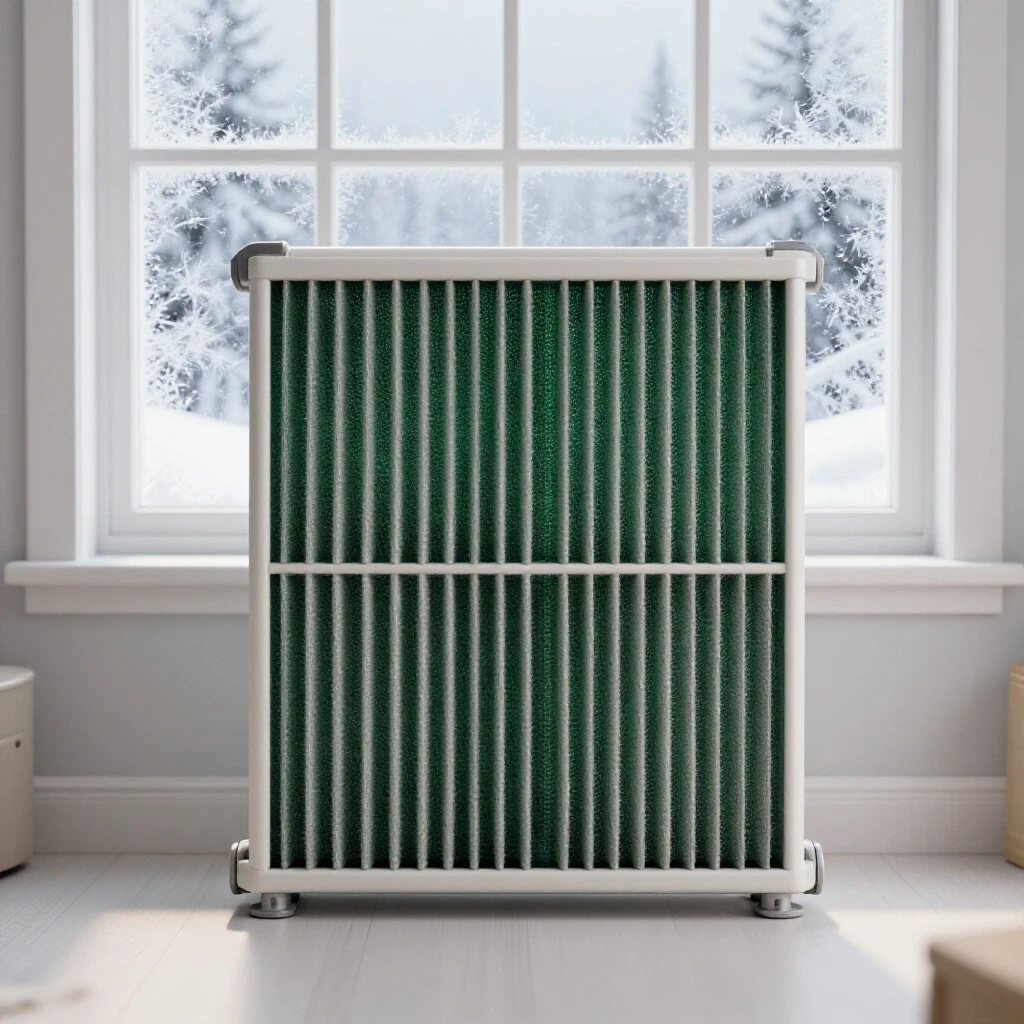
Static pressure refers to the resistance against which a fan must push to move air through the ducts. Think of it like breathing through a straw; if the straw is clear, breathing is easy, but if the straw is pinched, your lungs must work much harder. In a home heating system, a dirty intake barrier increases this resistance, forcing the blower motor to operate under higher stress while moving less air.
Particulate Distribution and Surface Preservation
Particulate distribution is the movement of dust, lint, and fine debris through the air currents of a home. When a filtration system is compromised or bypass occurs, these particles settle on surfaces through a process called dry deposition. For owners of older homes, this is a significant threat to legacy textiles, oil-based paint finishes, and intricate woodwork that can be difficult to clean without causing abrasion.
Essential Diagnostic Tools for Residential Air Quality
To manage a home effectively, you must move beyond guesswork and use objective measurements. I have found that having a small kit of diagnostic tools allows a homeowner to see what is happening inside their walls and ducts before a mechanical failure occurs. These tools help you establish a baseline for what a healthy, clean system looks like in your specific property.
- Digital Manometer: This device measures the pressure difference between two points. By checking the pressure before and after the filter, you can determine exactly when the media is too loaded to function.
- Infrared Thermometer: Use this to check the temperature of the air coming out of your vents. A significant drop or rise in temperature compared to your baseline can indicate restricted airflow.
- High-Intensity LED Flashlight: A visual inspection of the “A-coil” or the secondary heat exchanger often reveals dust buildup that the filter missed.
- Dust Collection Strips: Placing these near return vents allows you to monitor how much debris is escaping the filtration system over a 30-day period.
Identifying Symptoms of Restricted Internal Circulation
In my experience maintaining older properties, I have noticed that the house often “talks” to you before a system shuts down. You just have to know which signs to look for. These symptoms are often subtle, appearing as changes in the way dust settles or how the air smells when the heat first kicks on in the morning.
Excessive Surface Dust and Textile Soiling
If you find yourself dusting your furniture every three days instead of every two weeks, your filtration system is likely failing. When air cannot pass through the filter media, it often finds “bypass” routes—small gaps around the filter frame—where it pulls unfiltered air directly into the blower. This air is then blasted into your living spaces, depositing fine grit on your curtains, upholstery, and carpets.
Unusual Mechanical Sounds and Heat Spikes
A system struggling for air will often produce a whistling or “whooshing” sound near the return vents. This is the sound of air being forced through too small an opening at high velocity. Additionally, if you notice the furnace cabinet feels excessively hot to the touch, it is a sign that the heat exchanger is not receiving enough cool air to shed its thermal load safely.
| Symptom | Potential Root Cause | Diagnostic Action |
|---|---|---|
| Whistling at vents | High static pressure | Check filter for heavy loading |
| Grey “ghosting” on walls | Particulate bypass | Inspect filter frame for gaps |
| Rapid cycling (On/Off) | Overheating heat exchanger | Measure air temperature at the plenum |
| Dust on fan blades | Total filtration failure | Inspect the blower motor assembly |
The Systematic Sequence for Filter Maintenance
Maintaining a clean air path is a foundational element of preventative home care. It is a task that should be performed with technical precision rather than as a casual chore. Over the years, I have developed a specific sequence to ensure that the job is done correctly and that the system is protected during the process.
Step 1: Power Isolation and Safety
Before opening any part of the furnace cabinet, always turn off the power at the dedicated service switch. This prevents the blower from activating while the filter is removed, which would suck unfiltered basement or utility room air—and potentially your fingers—directly into the high-speed fan.
Step 2: Directional Alignment and Seal Integrity
Most high-quality filters have an arrow indicating the required direction of airflow. Installing a filter backward can cause the media to collapse under the pressure of the fan, as the wire reinforcement is only on one side. Ensure the filter fits snugly in the rack; a gap of even 1/8 inch can allow up to 10% of the air to bypass the filter entirely.
Step 3: Documentation and Baseline Testing
I always use a permanent marker to write the date of installation directly on the edge of the filter. After a new filter is installed, take a temperature reading at the closest supply vent. Record this in your home maintenance log to serve as a baseline for future checks.
Selecting the Correct Filtration Media for Your Home
Not all filters are created equal, and in an older home, “more” is not always “better.” The MERV (Minimum Efficiency Reporting Value) scale rates how effectively a filter traps particles. However, a high MERV rating also increases the resistance to airflow, which can be hard on older blower motors that were not designed for high-density pleated media.
- MERV 1–4: Basic fiberglass filters. These protect the machinery from large “dust bunnies” but do very little to keep your furniture clean.
- MERV 5–8: Good for most residential legacy systems. They capture lint, dust, and mold spores without creating excessive backpressure.
- MERV 11–13: High-efficiency pleated filters. These are excellent for surface preservation but require frequent monitoring to ensure they don’t choke the system.
- Washable Filters: Generally discouraged in my practice. They often have low initial efficiency and can introduce moisture into the ductwork if not dried perfectly.
Protecting Structural Integrity Through Airflow Management
It might seem strange to link a furnace filter to structural protection, but the two are deeply connected. In older homes, stagnant air caused by poor circulation can lead to localized humidity spikes. When air doesn’t move, moisture can settle in corners or behind furniture, leading to condensation on cold exterior walls.
Preventing Condensation and Mold on Legacy Finishes
Proper airflow helps maintain a consistent temperature across the surface of your walls. If the filtration system is clogged, the air at the edges of the room stays still. In a cold climate, that still air cools down until it reaches the “dew point,” where water vapor turns into liquid. This moisture can ruin wallpaper, bubble lead-based paint, and encourage mold growth on the back of antique wooden wardrobes.
The Role of Humidity in Wood Preservation
Older homes often feature extensive wood trim and lath-and-plaster walls. These materials are hygroscopic, meaning they expand and contract based on the moisture in the air. By keeping your air circulating through a clean filter, you ensure that the humidity is evenly distributed, preventing the wood from cracking or the plaster from pulling away from the lath.
Seasonal Preventative Maintenance Schedule
A proactive approach is always cheaper than a reactive one. I recommend a tiered schedule based on the age of your property and the environmental conditions of your area. If you live near a dirt road or have a gravel driveway, your particulate load will be much higher.
- Monthly: Visual inspection. Pull the filter and hold it up to a bright light. If you cannot see the light through the media, it is time for a change.
- Quarterly (Every 90 Days): Full replacement regardless of visual appearance. Fine dust can clog the deep fibers of pleated filters even if the surface looks relatively clean.
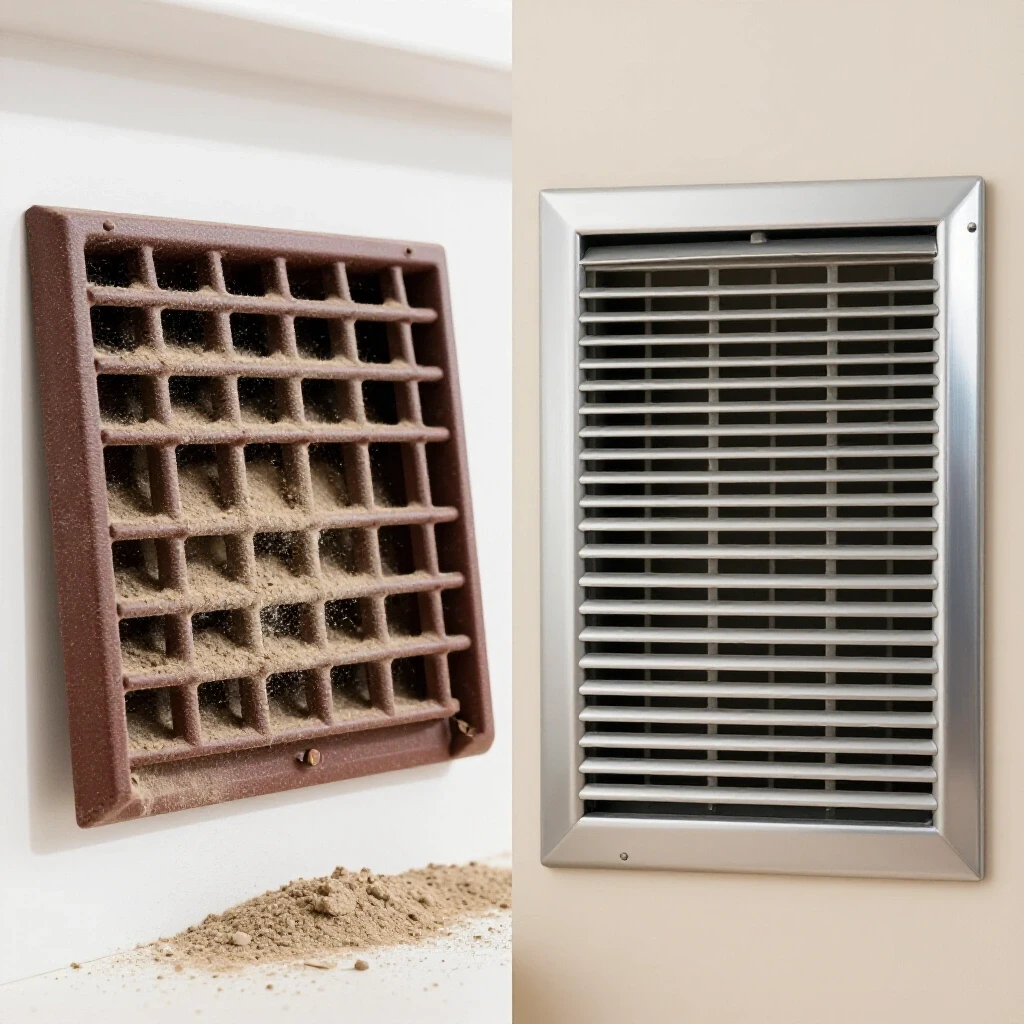
- Bi-Annually (Spring/Fall): Clean the return air grilles with a vacuum. Dust accumulates on the “upstream” side of these grilles and can restrict air before it even reaches the filter.
- Annually: Inspect the blower compartment for any dust that has bypassed the system. Use a damp cloth to wipe down the interior surfaces.
DIY Scope Limits and Safety Boundaries
While homeowners can handle most filtration tasks, it is important to know when to stop. If you find standing water in the bottom of your furnace cabinet, or if you smell a “burning dust” odor that persists for more than 30 minutes after a filter change, the issue has escalated beyond routine care.
Never attempt to clean the internal electrical components or the gas burner assembly yourself. These require specialized tools and knowledge of local building codes. Your goal is to maintain the barrier and the path; leave the internal mechanical repairs to those with the proper diagnostic equipment.
Case Study: The Dusty Estate
I once consulted on a 1910 Victorian home where the owner complained that their expensive velvet drapes were becoming “grey” at the top. They suspected a roof leak or a chimney issue. Upon inspection, I found they were using a very cheap, thin fiberglass filter that had actually bowed inward, creating a 2-inch gap at the top of the rack.
For two years, the system had been vacuuming up dust from the unfinished basement and spraying it directly onto the drapes. By switching to a properly fitted MERV 8 pleated filter and sealing the rack with magnetic strips, we stopped the soiling immediately. This simple $20 fix saved them thousands in professional textile cleaning and preserved the original fabric.
Building a Multi-Year Prevention Program
The key to mastering home care is consistency. Start a binder or a digital folder where you track every filter change. Include the brand, the MERV rating, and the date. Over time, you will notice patterns. Perhaps your filter clogs faster in the winter when the air is dry and more skin cells and lint are shed. Or maybe the summer pollen season is your “peak load” time.
By understanding these cycles, you can buy your supplies in bulk and schedule your maintenance before the system shows signs of stress. This systematic approach is what separates a homeowner who is constantly “putting out fires” from one who enjoys a stable, clean, and well-maintained legacy property.
Frequently Asked Questions
How can I tell if my filter is the wrong size for my system? If you see dust accumulating on the “clean” side of the filter or inside the blower cabinet, the filter is likely too small, allowing air to bypass the media. A properly sized filter should slide in with minimal resistance but have no visible gaps around the edges of the frame.
Does a thicker filter (like a 4-inch media filter) last longer than a 1-inch filter? Yes, generally. A 4-inch filter has more surface area (more pleats), which allows it to hold more dust before the static pressure becomes too high. These can often last 6 to 12 months, whereas 1-inch filters usually need changing every 30 to 90 days.
Why does my house feel drafty even when the heat is running? This can be a sign of restricted airflow. If the filter is clogged, the fan cannot push enough warm air to the furthest rooms. This creates cold spots and makes the air feel stagnant, which many people perceive as a draft.
Can I vacuum my pleated filter to make it last longer? No. Vacuuming only removes the large debris from the surface. The fine particulates that cause the most resistance are trapped deep within the fibers. Vacuuming can also tear the delicate media, leading to total filtration failure.
Is it normal for the furnace to make a loud “bang” when it starts? This is often “oil canning” in the ducts, caused by a sudden change in pressure. While it can be structural, it is frequently exacerbated by a dirty filter that increases the suction on the return side of the system.
What is the “A-coil” and why should I care about it? The A-coil is the part of the system that cools the air (if you have AC) or sits in the airflow path. If your filter fails, this coil becomes a “secondary filter,” trapping dust in its wet fins. This is very difficult to clean and can completely block airflow.
How do I know if my return vents are sized correctly for my filter? A general rule of thumb is that you need about 200 square inches of return vent area for every ton of cooling or 400 CFM of airflow. If your vents are too small, your filter will load up much faster due to high-velocity air pulling more dust into the media.
Will a high-MERV filter damage my older furnace? It can if the system wasn’t designed for it. Older motors are often “permanent split capacitor” (PSC) motors, which don’t handle high resistance well. If you want to use a high-MERV filter, monitor the system closely for “limit switch” trips or overheating.
What should I do if I find moisture on my filter? Moisture on a filter is a serious red flag. It usually indicates a blocked condensate drain or a leak in the humidifier. Wet filters can grow mold and will completely block airflow once the fibers swell with water.
Does the location of the return vent matter for filter life? Yes. Returns located near floor level or in high-traffic areas (like hallways with carpet) will pull in significantly more dust and pet hair than returns located high on a wall, necessitating more frequent filter changes.
(This article was written by one of our staff writers, Daniel Whitaker. Visit our Meet the Team page to learn more about the author and their expertise.)