How to Overcome Homeowner Decision Fatigue (Step-by-Step Guide)

Getting value for money as a homeowner is about more than just the purchase price of your house. It is about how efficiently you use your time, energy, and mental focus to keep the property running. After 14 years of owning three different homes, I have found that the most exhausting part of the journey is not the physical labor. It is the constant pressure to make choices about every square inch of the living space. When you are a new homeowner, you are suddenly the CEO, the janitor, and the lead designer all at once. This leads to a state of mental burnout where even choosing a light bulb feels like a chore.
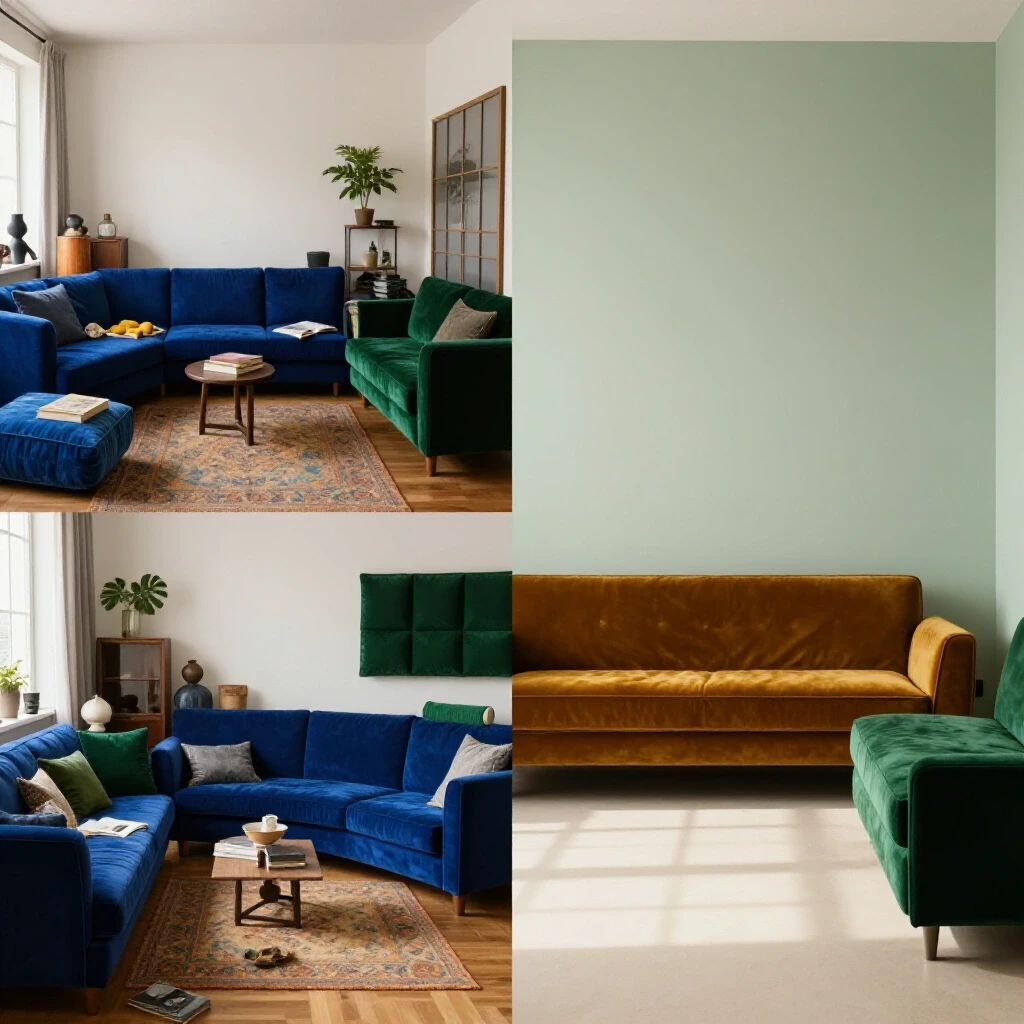
In my first home, a small bungalow built in the 1940s, I spent weeks paralyzed by the simplest tasks. I had 15 paint swatches on the wall and six different styles of cabinet handles on my kitchen table. I thought I was being thorough, but I was actually just wasting my most valuable resource: my ability to make a final call. By the time I moved into my third home, I had developed a personal system to cut through this noise. I realized that by setting strict, self-imposed rules, I could enjoy my home instead of constantly questioning it.
The Mental Load of Infinite Choice in a New Home
The mental load of owning a home refers to the ongoing exhaustion caused by the sheer number of small and large choices required to maintain a property. This includes everything from picking a wall color to deciding which air filter to use. Without a system, these choices pile up and cause stress.
When you move from a rental to your own home, the “choice landscape” changes overnight. In a rental, the landlord decides the carpet color and the type of faucet. In your own home, every detail is up to you. According to U.S. Census Bureau data, the median age of a home in the United States is about 40 years. This means most of us are moving into spaces that require constant updates. If you try to weigh every possible option for every update, you will run out of mental energy before you even pick up a hammer.
I tracked my own “choice count” during the first six months of my second home purchase. I found that I was making over 20 home-related choices a week. These ranged from “which room should I organize first?” to “should this trim be eggshell or satin?” By month three, I was so tired of choosing that I left a bathroom half-painted for a year. I simply couldn’t decide on the final trim color. This is a common trap for those aged 25 to 40 who are also balancing careers and families.
Why Choice Paralysis Occurs in Early Homeownership
Choice paralysis happens when the number of available options exceeds your ability to process them effectively. For new homeowners, this is often driven by the fear of making a “wrong” choice that will be permanent or costly. It results in unfinished projects and a feeling of being overwhelmed in your own space.
This paralysis often stems from the desire for a “perfect” home. We look at online galleries and see thousands of beautiful rooms. We think we need to look at every single one before we decide. However, my 14 years of logs show that the “best” choice is usually the one that gets finished. An 80% perfect room that is fully painted is much better than a 100% perfect room that exists only in your imagination.
- Information Overload: Access to thousands of reviews and photos makes every small choice feel high-stakes.
- The Forever Home Myth: The pressure to choose things you will “love forever” creates unnecessary anxiety.
- Lack of Precedent: First-time owners often have no baseline for what works, so they treat every choice as a brand-new research project.
| Decision Factor | The Overwhelmed Approach | The Streamlined Fix |
|---|---|---|
| Number of Options | 10 to 20 per item | Exactly 3 |
| Time Spent Researching | 5 to 10 hours | 1 hour maximum |
| Project Focus | 3 to 4 rooms at once | 1 room at a time |
| Selection Criteria | Finding the “best” possible | Finding the “good enough” standard |
The Selection Framework: Reducing Options to Three
The Selection Framework is a self-imposed rule where you limit yourself to only three options for any home-related choice. Whether you are looking at rugs, paint, or light fixtures, you must narrow the field quickly. This prevents the endless loop of “just one more look” at other possibilities.
I started using the “Rule of Three” during my third home move-in. For every room, I would pick three colors I liked and put them on the wall. I forbid myself from looking at a fourth. Interestingly, I found that I was just as happy with the result as I was when I looked at twenty colors. The human brain is much better at picking the best of three than the best of thirty.
To make this work, you have to be ruthless. If you are looking for a new ceiling fan, find three that fit your needs and stop searching. Do not go to another store. Do not open another tab. Pick the best of those three and move on. This saves hours of time and preserves your mental energy for more important things, like your job or your family.
Setting Boundaries on Research Time
Setting boundaries on research time means giving yourself a strict “clock” for how long you can look at options before a choice must be made. This prevents a simple task from turning into a weekend-long project. It forces you to trust your gut and move forward.
I use a simple timer for home choices. For small items like hardware, I give myself 30 minutes. For larger items like furniture layout, I give myself two hours. Once the timer goes off, I must pick from the options I have found. This has reduced my “decision lag” by nearly 70% according to my personal logs.
- Set a “Done” Date: Decide that by Friday at 5:00 PM, the choice will be made regardless of how much research is done.
- Limit Your Sources: Only look at two websites or one physical store per item.
- The “Good Enough” Rule: If an option meets 90% of your needs, stop looking. The final 10% is rarely worth the extra hours of searching.
Standardizing Your Home’s Aesthetic Language
Standardizing your home’s aesthetic language means creating a set of “house rules” for colors, materials, and finishes that apply to every room. By pre-deciding these elements, you eliminate the need to make new choices every time you update a space. It creates a cohesive look with zero extra effort.
In my current home, I have a “Standard Finishes” list. All my door hardware is matte black. All my trim is the same shade of white. All my light bulbs are 3000K warm white. Because I made these choices once, I never have to think about them again. If a handle breaks or a bulb burns out, I don’t have to “decide” what to replace it with. I already know.
This approach is especially helpful for people aged 25 to 40 who are often busy and don’t want to spend their weekends debating “brushed nickel vs. chrome.” By creating a “brand guide” for your house, you turn complex choices into simple inventory replacements. This is one of the most effective ways to lower the mental burden of homeownership.
Creating a Whole-House Color Palette
A whole-house color palette is a pre-selected group of 3 to 5 colors that are used throughout the entire home. Instead of picking a unique color for every room, you pull from this small list. This ensures that every room flows together and simplifies future touch-ups.
When I moved into my second home, I tried to give every room a “personality” with a different color. It was a disaster. I had to store six different cans of paint, and the house felt choppy. Now, I use one neutral color for 80% of the walls. I use one accent color for doors and one for small spaces. This reduces the number of choices I have to make during any DIY project.
- Primary Neutral: Use this for hallways, living areas, and kitchens.
- Secondary Neutral: A slightly darker or lighter version for bedrooms.
- Accent Color: A bold choice for a single wall or the front door.
- Trim and Ceiling White: Use the exact same white for every ceiling and baseboard in the house.
Managing Your DIY Capacity Through Single-Tasking
Managing your DIY capacity through single-tasking is the practice of focusing on one home project at a time until it is completely finished. It involves saying “no” to new ideas until the current task is off the list. This prevents the “half-done house” syndrome that causes so much anxiety for new owners.
My 14-year log shows a clear trend: the more projects I started at once, the longer they all took to finish. In 2016, I tried to paint the guest room, fix a leaky faucet, and organize the garage in the same weekend. None of them were finished by Sunday night. The sight of three unfinished tasks made me feel like a failure. Now, I follow a “One-In, One-Out” rule. I cannot start a new project until the current one is 100% done, including the cleanup.
For young families, this is vital. A home under constant construction is a stressful environment. By finishing one small thing at a time, you build momentum and a sense of accomplishment. It turns the home from a “to-do list” into a place of rest.
The “One-Room-at-a-Time” Mandate
The “One-Room-at-a-Time” mandate is a rule where you focus all your aesthetic and organizational energy on a single room before moving to the next. It helps you see progress quickly and keeps the rest of the house as a “safe zone” from project mess.
I recommend starting with the room where you spend the most time, like the bedroom or living room. Complete everything—the layout, the organization, and the minor repairs. Once that room is a sanctuary, you have a place to retreat when the next project gets tough. This strategy is a major fix for the feeling of being overwhelmed by a whole house that needs work.
- Phase 1: Clear the clutter and fix any broken items.
- Phase 2: Finalize the layout and major furniture pieces.
- Phase 3: Add the small details like art or plants.
- Phase 4: Declare it “Done” and do not touch it for at least six months.
Standardizing Maintenance to Reclaim Mental Space
Standardizing maintenance means turning home care into a predictable, repeating schedule that requires no daily thought. By using a “set it and forget it” approach for filters, cleaning, and inspections, you remove the anxiety of wondering if you are forgetting something important.
Many new homeowners worry about “hidden” failures. They wonder if the HVAC is dying or if the gutters are clogged. In my logs, I found that most “emergencies” were actually just ignored maintenance. I now use a digital calendar to trigger these tasks automatically. I don’t have to decide to change the filter; the calendar tells me it’s time, and I just do it.
HUD reports suggest that regular maintenance can extend the life of home systems by years. For a homeowner, this means fewer high-stakes choices about expensive replacements. A well-maintained home is a predictable home, and predictability is the cure for mental exhaustion.
Setting a Fixed Maintenance Calendar
A fixed maintenance calendar is a recurring schedule of tasks assigned to specific months or seasons. It takes the guesswork out of home care by providing a clear roadmap for the year. This ensures that nothing is missed and tasks are spread out evenly.
I break my year into four quarters. Each quarter has a theme. For example, March is for “Water Systems” (checking faucets, hoses, and gutters). September is for “Thermal Comfort” (checking windows, doors, and the furnace). By grouping tasks, I only have to think about one type of maintenance at a time.
- Quarter 1 (Spring): Focus on the exterior. Clean gutters and check the roof after winter.
- Quarter 2 (Summer): Focus on cooling and landscaping. Service the AC and check irrigation.
- Quarter 3 (Fall): Focus on the heating system. Change furnace filters and seal window drafts.
- Quarter 4 (Winter): Focus on interior safety. Test smoke detectors and clean dryer vents.
| System | Expected Lifespan | Key Maintenance Task | Frequency |
|---|---|---|---|
| HVAC (Furnace/AC) | 15 to 20 years | Replace air filters | Every 3 months |
| Water Heater | 8 to 12 years | Flush the tank | Once a year |
| Roof (Shingle) | 20 to 25 years | Clear debris from valleys | Twice a year |
| Dishwasher | 9 to 12 years | Clean the filter/trap | Once a month |
Building a Digital Memory for Your Home
Building a digital memory means keeping a simple, organized log of everything you do to your home. This includes paint colors used, the size of air filters, and the dates of repairs. Having this information in one place prevents you from having to “re-decide” or “re-measure” things in the future.
In my first home, I forgot which white paint I used on the trim. When I needed to touch up a scratch two years later, I had to buy three different samples to try and match it. It was a waste of time and money. Now, I keep a digital folder with photos of every paint label and a list of every appliance model number.
This “home log” is a gift to your future self. When you are tired or stressed, you don’t want to be measuring your furnace filter again. You just want to look at your phone, see “16x25x1,” and be done with it. It reduces the number of steps between “identifying a problem” and “fixing it.”
Tools for Tracking Home History
Tracking home history involves using simple apps or digital folders to store the data of your house. You don’t need complex software; a simple notes app or a cloud-based folder is enough to store photos and lists. The goal is easy access during a moment of need.
- Photo Logs: Take a picture of the model number plate on your water heater, stove, and fridge.
- Paint Specs: Save a photo of the lid of every paint can, showing the tint formula.
- Filter Sizes: Keep a list of every filter size (HVAC, fridge, water pitcher) in a pinned note on your phone.
- Manuals: Search for the PDF versions of your appliance manuals and save them to a “Home” folder in the cloud.
Avoiding Homeowner Burnout
Homeowner burnout is a state of physical and emotional exhaustion caused by the perceived endlessness of home tasks. It often leads to resentment of the property and a complete halt in necessary maintenance. Preventing this requires setting realistic expectations and taking “choice breaks.”
I have learned that it is okay to have a “season of doing nothing.” After a big project, I often take two or three months where I refuse to make any new choices about the house. I just live in it. This “choice fast” allows my mental energy to recharge. According to my logs, I am much more productive after a planned break than I am when I try to push through the exhaustion.
For homeowners aged 25 to 40, the pressure to “have it all done” is intense. But a home is a long-term asset. You have years, or even decades, to make it what you want. Speed is less important than consistency. By using systems to reduce the number of choices you make, you ensure that you have the energy to stay the course for the long haul.
Next Steps for the Overwhelmed Owner
- Pick One Room: Choose the room that bothers you the most and commit to finishing only that room.
- Create Your “Standard Three”: The next time you need to buy something for the house, find three options and stop. Pick one within 24 hours.
- Start Your Log: Spend 10 minutes today taking photos of your appliance model numbers and saving them to your phone.
- Set Your “House Rules”: Decide on one standard white paint and one standard hardware finish for the whole house.
Frequently Asked Questions
How do I stop second-guessing my design choices once they are made? The best way to stop second-guessing is to remove the evidence of other options. Once you pick a paint color or a piece of furniture, throw away the other swatches and close the browser tabs. Remind yourself that there are a thousand “right” ways to style a room, and the one you chose is now the standard for your home.
What if I can’t find three options I like for a specific project? If you can’t find three, you likely haven’t looked enough, or your criteria are too narrow. Broaden your search slightly until you have three “good enough” candidates. The goal is to avoid looking at thirty. If you find one you absolutely love immediately, you don’t even need three—just stop there and move forward.
How do I manage my home tasks when I have a demanding job? Use the “Standardized Maintenance Calendar” to move tasks to your phone’s alerts. Treat home maintenance like a work meeting. Schedule a “Home Hour” once a week where you do nothing but house tasks. When the hour is up, you are done. This prevents home chores from bleeding into your rest time.
Is it okay to leave some rooms completely empty or unfinished? Yes. In fact, it is often better to leave a room empty than to fill it with “placeholder” items you don’t like. An empty room requires zero decisions. Close the door and focus on the rooms you actually use. Only open that “choice project” when you have the mental energy to follow the Rule of Three.
How often should I update my digital home log? Update it only when something changes. If you buy a new appliance, take a photo of the model number that day. If you paint a room, snap a photo of the can lid. It should take less than 60 seconds. If you make it a big chore, you won’t do it. Keep it simple and immediate.
What is the “1% rule” for home maintenance and does it help with decisions? The 1% rule suggests saving 1% of your home’s value each year for maintenance. While this is a financial rule, it helps with decisions by giving you a “resource boundary.” Knowing you have a set amount of time and resources helps you prioritize what needs to be fixed now versus what can wait, reducing the stress of a giant to-do list.
How do I decide between a DIY fix and just leaving it alone? Ask yourself if the issue is structural or just aesthetic. If it is structural (like a leak), it needs a decision now. If it is aesthetic (like an ugly light fixture), ask if you have the mental energy to follow your “Selection Framework” this week. If not, leave it alone. A house does not have to be perfect to be a home.
Can standardizing my house “style” make it feel boring? Standardization provides a “quiet” background that actually makes your personal items stand out more. By having consistent trim, hardware, and wall colors, your art, books, and furniture become the stars of the show. It creates a gallery-like feel that is cohesive rather than boring.
(This article was written by one of our staff writers, Michael Morrison. Visit our Meet the Team page to learn more about the author and their expertise.)