Homeownership Challenges: What to Expect Before You Buy (Guide)

When I moved into my first home in the rainy suburbs of Seattle, I thought the hard part was over. I had the keys, a stable job, and a Pinterest board full of ideas. But as I stood in the middle of a living room that felt far too large and strangely empty, the weight of the situation hit me. Over the next 14 years and three different houses, I learned that living in a home is very different from just buying one. The transition from a renter who calls a landlord to a homeowner who manages everything is a major life shift. It requires a new way of thinking about your time, your money, and your energy.
Navigating the Emotional Shift of Property Ownership
The emotional transition of owning a home involves moving from a temporary mindset to a long-term sense of stewardship. It is the process of accepting that every scratch on the floor and every faded wall is now your responsibility to manage and resolve.
When you rent, you are a guest in someone else’s investment. When you own, you are the curator of your own environment. This sounds exciting, but it can also be exhausting. In my first year of ownership, I felt a strange pressure to make everything look perfect immediately. I spent weekends obsessing over paint swatches and furniture layouts. According to data from the U.S. Census Bureau, new homeowners often spend significantly more on home furnishings and decor in the first two years than at any other time.
I found that this “perfection pressure” leads to burnout. I call this the “New Homeowner Fatigue.” You feel like you have to fix every aesthetic flaw right away. But the reality is that a home is a living thing. It takes time to understand how you actually use each room. I now recommend a “wait and see” period of at least six months before making major decor changes. This allows you to see how the light hits the walls at different times of day and how the flow of traffic works in your daily life.
The Financial Truth of Furnishing and Interior Upkeep
The interior budget is the total amount of money required to furnish, decorate, and maintain the aesthetic quality of your living space. This includes everything from large furniture pieces to small items like rugs, lamps, and organizational tools.
Many people focus only on the purchase price of the home and forget the “filling” costs. My personal logs show that furnishing a three-bedroom home can easily cost 10% to 15% of the home’s value if you buy everything new. This is a massive shock to the system for most 25 to 40-year-olds who are already stretching their budgets. To manage this, I suggest using a “Room-by-Room” funding plan rather than trying to do the whole house at once.
| Item Category | Expected Lifespan | Estimated Replacement Cost (Mid-Range) |
|---|---|---|
| Living Room Sofa | 7–10 Years | $1,200 – $3,000 |
| Interior Paint (Per Room) | 5–7 Years | $300 (DIY) – $800 (Pro) |
| Area Rugs | 5–10 Years | $200 – $1,000 |
| Window Treatments | 10–15 Years | $100 – $500 per window |
| Dining Set | 15–20 Years | $800 – $2,500 |
Building a budget diary is the best way to track these costs. I use a simple spreadsheet to log every decor purchase. This helps me see where the money is going and prevents “impulse decorating.” When you see that you spent $400 on throw pillows in three months, it makes you pause before the next shopping trip.
Strategic DIY: Balancing Ambition with Reality
Strategic DIY is the practice of choosing which home projects to do yourself based on your skill level, available time, and the potential for cost savings. it is about knowing when a project is a fun challenge and when it will become a stressful burden.
The “DIY bug” hits almost every new homeowner. You see a tutorial online and think, “I can do that in a weekend.” In my second home, I decided to refinish the kitchen cabinets myself. I thought it would take four days. It took three weeks, and my kitchen was a disaster zone the whole time. I learned that the “DIY Time Tax” is real. You must multiply any estimated project time by three to get the actual duration.
Before you start a project, ask yourself if you have the right tools. Buying tools can quickly eat up any savings you get from doing the work yourself. A basic interior toolkit should include a high-quality cordless drill, a level, a stud finder, and a good set of paint brushes. If a project requires a tool you will only use once, consider renting it or hiring a professional.
- The 50% Rule: If the cost of materials and tools for a DIY project is more than 50% of a professional’s quote, consider hiring the pro.
- The Weekend Warrior Test: If a project cannot be finished in two weekends, it will likely sit half-finished for months.
- Skill Level Honest Check: Paint and simple decor are great for beginners. Anything involving complex measurements or heavy machinery requires more caution.
Establishing Sustainable Organizational Systems
Organizational systems are the methods and tools used to manage the flow of belongings and waste within a home. These systems ensure that the house remains functional and clutter-free as life changes and families grow.
Clutter is the enemy of a peaceful home. When you move from an apartment to a house, you suddenly have more closets, a garage, and perhaps an attic. It is tempting to fill these spaces with things you don’t need. Over my 14 years of tracking home logs, I noticed that “stuff” expands to fill the space available. To fight this, you need a plan for your storage areas from day one.
I recommend the “One In, One Out” rule for decor and clothing. If you buy a new lamp, the old one must be sold or donated. This keeps your home from feeling like a storage unit. Additionally, invest in high-quality storage bins that are uniform in size. This makes stacking and labeling much easier. A well-organized home reduces the “mental load” of ownership, which is the constant background stress of knowing things are messy or lost.
- Digital Inventory: Use an app to take photos of what is in your storage bins.
- Seasonal Rotation: Swap out decor like pillows and blankets every six months to keep the space feeling fresh without buying new items.
- The “Landing Strip”: Create a dedicated space near the entry for keys, mail, and bags to prevent clutter from spreading into the living areas.
Managing Homeowner Fatigue Through Iterative Design
Iterative design is an approach to decorating where you make small, gradual changes over time rather than attempting a total makeover. This method allows you to learn from each change and adjust your plan as your tastes and needs evolve.
One of the biggest mistakes I made early on was trying to “finish” a room in a single weekend. I would buy a matching furniture set and call it done. But a few years later, I would realize the furniture didn’t actually fit my lifestyle. Now, I advocate for slow decorating. Start with the “anchor pieces”—the bed, the sofa, the dining table. Then, live with those for a few months before adding rugs, art, and accessories.
This approach is much easier on your bank account and your stress levels. It also leads to a more curated, personal look. Your home should tell a story of where you have been and what you love, not look like a page from a catalog. When you take your time, you are less likely to make expensive mistakes that you will regret later.
Creating a Lifestyle Log for Long-Term Comfort
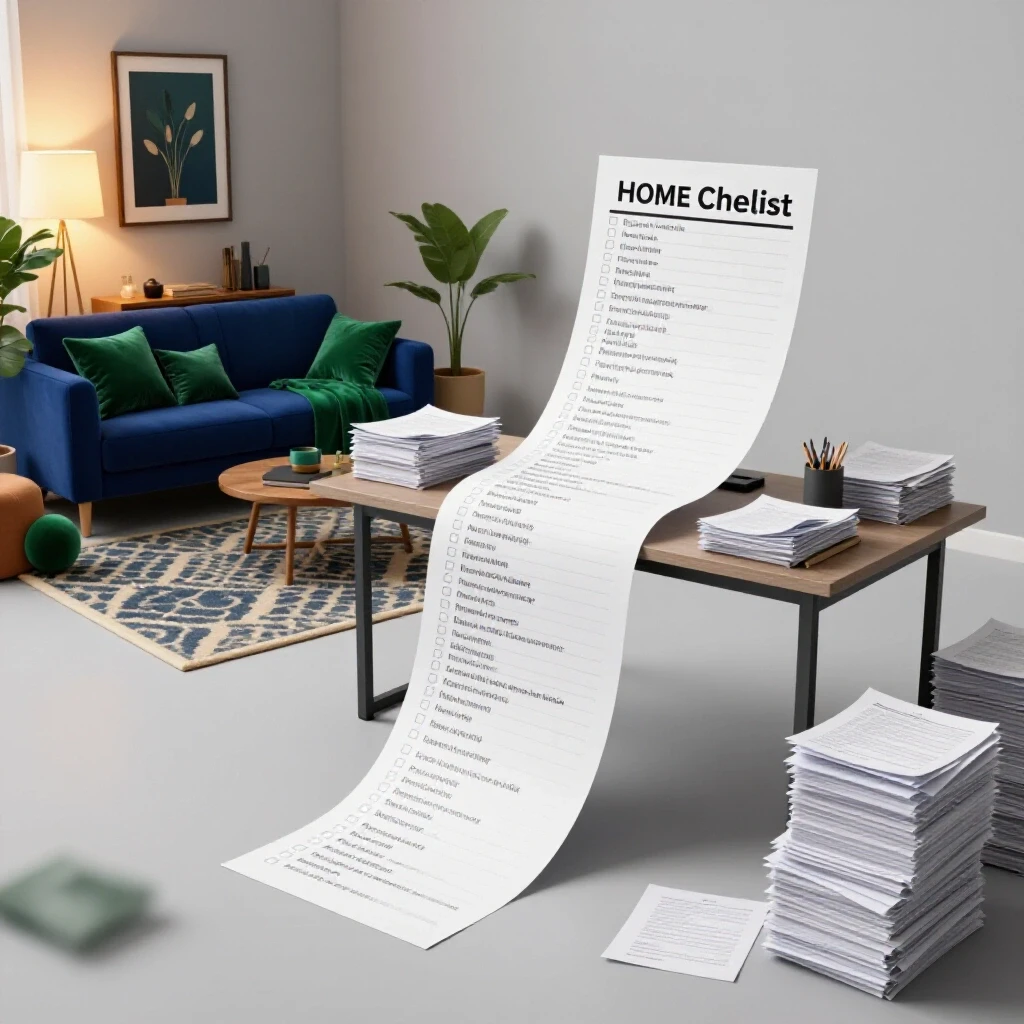
A lifestyle log is a personal record of how you interact with your home, including what works, what doesn’t, and how much you spend on interior maintenance. It serves as a roadmap for future projects and helps you stay on top of recurring tasks.
I have kept a log for all three of my homes. It is a simple notebook where I write down the paint colors I used in each room, the dates I cleaned the carpets, and a list of “dream projects” for the future. This log is incredibly helpful when I need to touch up a wall or remember where I bought a specific piece of furniture. It also helps me track the “cost of living” in the house beyond the mortgage.
By tracking these details, you move from being a reactive homeowner to a proactive one. You aren’t surprised when the rug looks worn out after five years because you know exactly when you bought it. You can plan for the replacement cost well in advance. This level of organization turns the overwhelming reality of owning a home into a manageable, and even enjoyable, series of small steps.
Action Plan for the First 12 Months
The first year is the most intense period of adjustment. To stay grounded, follow this simple timeline to manage your interior and lifestyle needs.
- Months 1–3: Focus on essential organization. Set up your entry way, kitchen flow, and basic bedroom storage. Do not buy major decor yet.
- Months 4–6: Observe the light and traffic patterns. Take notes on which rooms feel cold, dark, or cramped. Start a “wish list” for furniture.
- Months 7–9: Tackle one small DIY project, like painting a guest room or installing new shelf organizers. This builds confidence without high stakes.
- Months 10–12: Review your spending for the year. Adjust your monthly savings goal for future furniture or decor updates based on what you actually spent.
Common Pitfalls to Avoid in Early Ownership
Even with a plan, it is easy to stumble. Here are a few things I wish I had known 14 years ago when I was starting out.
- Buying “Cheap” Furniture: It is tempting to buy the least expensive option to fill the house. However, cheap furniture often breaks within two years. It is better to have an empty room for a few months and save for a quality piece that will last a decade.
- Ignoring the “Small” Costs: Things like light bulbs, cleaning supplies, and air filters add up. My logs show these “household consumables” can cost $50 to $100 a month.
- Over-Designing for Trends: Trends fade quickly. If you choose a very trendy wallpaper or paint color, you might find yourself tired of it in 24 months. Stick to classic choices for the big things and use trends for small items like pillows or art.
FAQ
How much should I realistically save for interior updates each year? A good rule of thumb is to set aside about 1% of your home’s value annually for “lifestyle and interior” funds. This covers things like new furniture, interior painting, and replacing worn-out textiles. If your home is worth $400,000, try to save $4,000 a year for these updates.
Is it always cheaper to DIY my interior painting? Usually, yes. The cost of professional interior painting is mostly labor. A professional might charge $500 to $800 for a standard room, while you can do it yourself for about $100 to $150 in materials. However, if you have high ceilings or very detailed trim, the time and effort required might make a professional worth the cost.
How do I decide which room to decorate first? I always recommend starting with the bedroom. It is your sanctuary and the place where you start and end your day. Having one room that feels “finished” and peaceful can significantly reduce your overall stress as you work on the rest of the house.
What are the most important tools for a new homeowner’s interior kit? You don’t need a full workshop. Start with a 16-ounce hammer, a 25-foot tape measure, a multi-bit screwdriver, a pair of needle-nose pliers, and a small torpedo level. These will handle 90% of your hanging and assembly needs.
How often should I deep clean interior items like rugs and curtains? Area rugs in high-traffic areas should be professionally cleaned or deep-cleaned with a rental machine every 12 to 18 months. Curtains should be vacuumed monthly and laundered or dry-cleaned every two years to prevent dust buildup and fabric degradation.
How can I track my home projects without feeling overwhelmed? Use a simple digital tool like Trello or a dedicated notebook. Break every project down into “Micro-Tasks.” Instead of “Redecorate Living Room,” make tasks like “Measure for rug,” “Order paint samples,” and “Research coffee tables.” Seeing small checkmarks provides a sense of progress.
What is the “Homeowner Fatigue” I keep hearing about? It is the mental and physical exhaustion that comes from the constant list of things to do, buy, or fix in a new home. It often peaks around the six-month mark. To combat it, schedule “No-Project Weekends” where you simply enjoy the house without doing any work.
Should I buy all my furniture from the same store? While it is convenient, it often leads to a “showroom” look that lacks character. Mixing pieces from different stores, or even adding a few vintage items, creates a more layered and interesting home. It also allows you to find the best value for each specific piece.
How do I handle the “clutter creep” in my new garage or basement? Establish “zones” immediately. Use heavy-duty shelving and clear bins. Label everything. If you haven’t touched an item in the garage for over a year, it is a strong candidate for donation. Treat your storage spaces with the same respect as your living spaces.
What is the best way to choose a neutral paint color? Never pick a color in the store. Buy three or four small sample cans and paint large squares on different walls in the room. Look at them in the morning, afternoon, and night. Colors change drastically depending on the light, and a “perfect gray” in the store might look blue or purple in your home.
(This article was written by one of our staff writers, Michael Morrison. Visit our Meet the Team page to learn more about the author and their expertise.)