How to Declutter Your Home for More Energy and Wellness (Guide)

For years, I managed large-scale supply chains where every second of delay cost thousands of dollars. I understood how bottlenecks worked in a warehouse, yet I would come home to a hallway filled with shoes and feel completely drained. I realized that my home was suffering from the same logistical failures as a poorly run factory. Every time I tripped over a toy or searched for my keys, I was paying a “mental tax.” This constant micro-stress was leaking my daily energy. By applying professional logistics principles to my family’s living space, I discovered that the secret to a more vibrant life isn’t about being “perfectly clean.” It is about reducing the friction of daily existence.
The Science of Spatial Vitality and Visual Noise
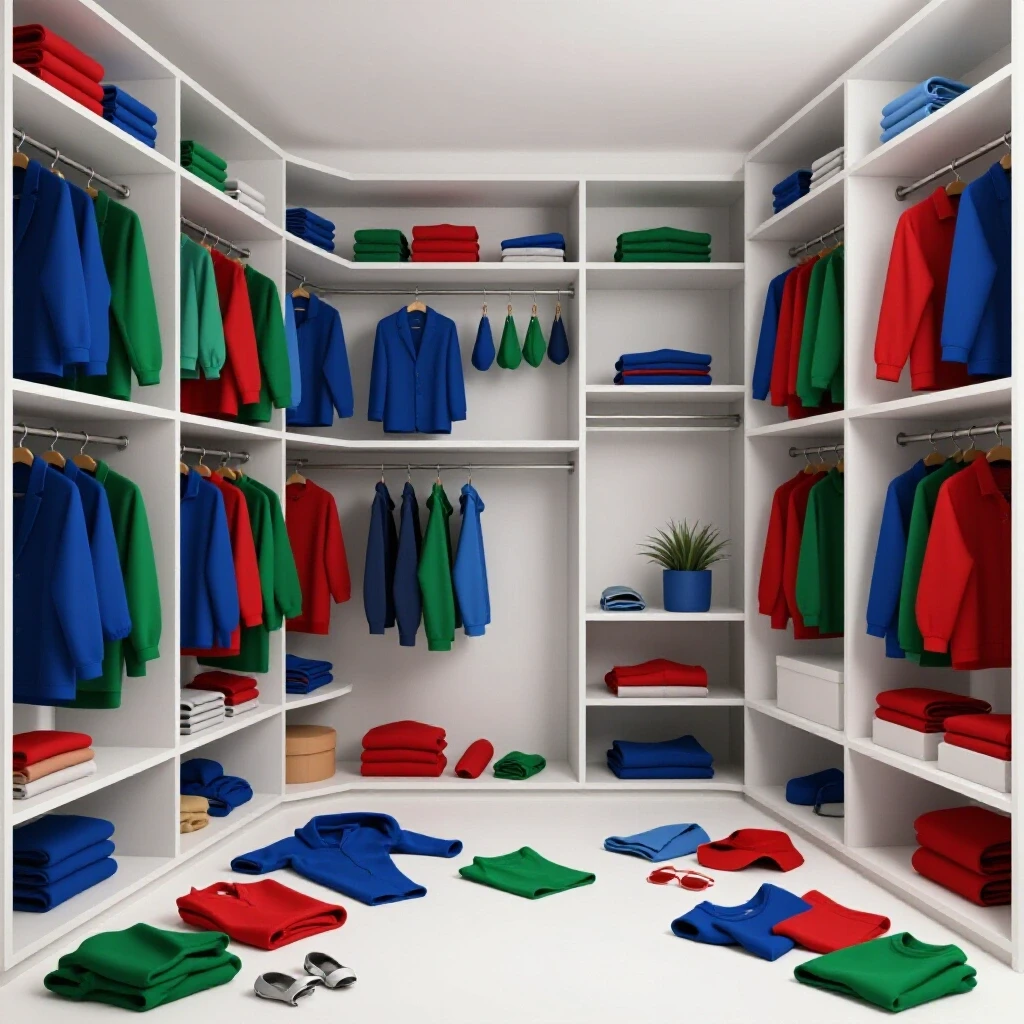
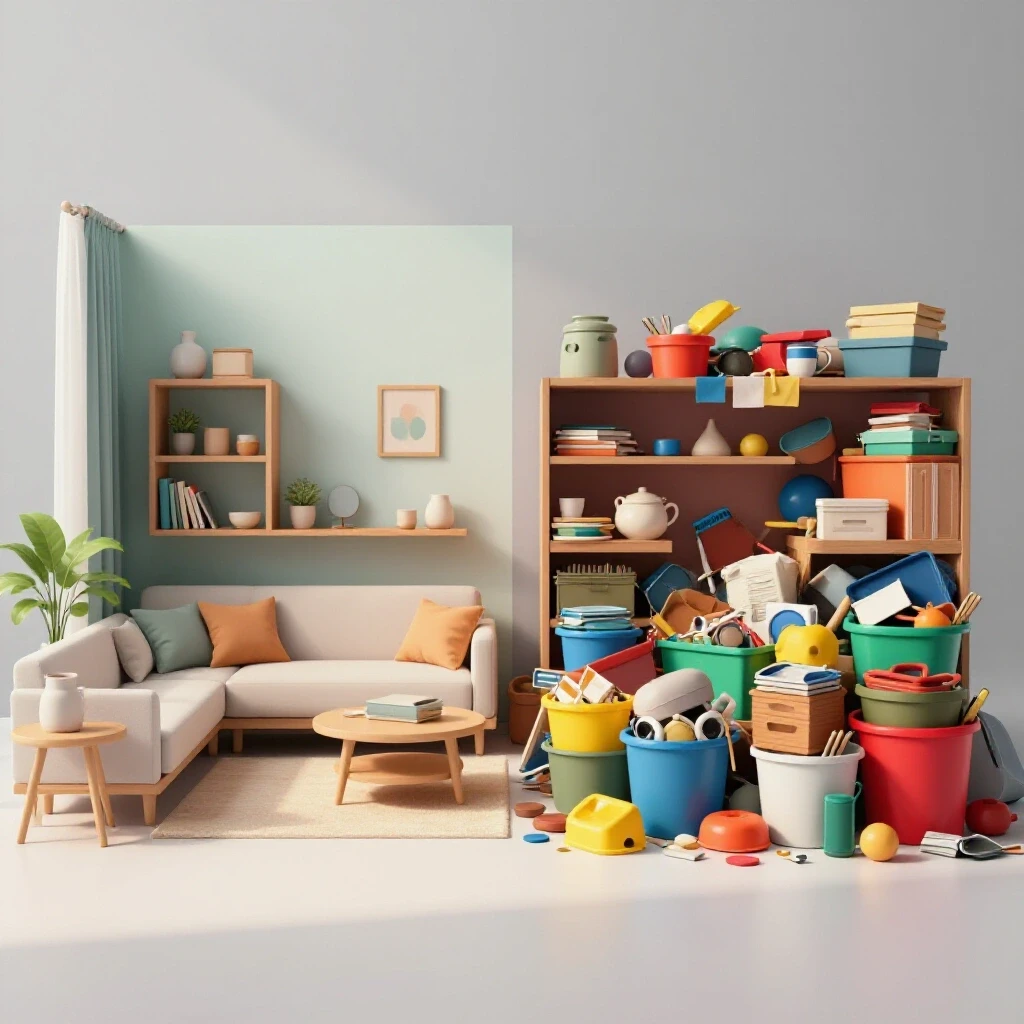
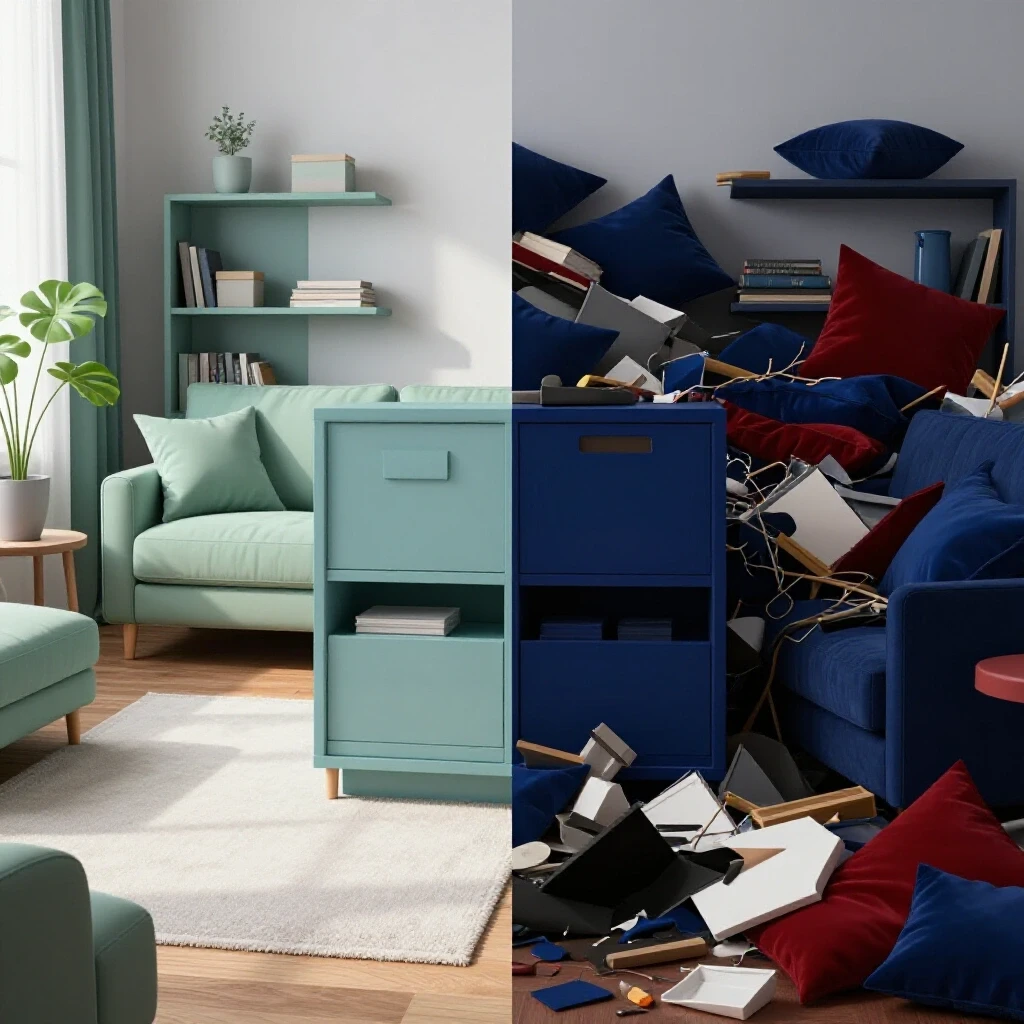
Visual noise refers to the overwhelming amount of stimuli our brains must process when we look at a cluttered room. Each object in our field of vision demands a small amount of cognitive attention, which can lead to significant mental fatigue over time.
Environmental psychology research shows a direct link between the state of our physical surroundings and our internal stress levels. A study published in the Journal of Environmental Psychology found that people who described their homes as “cluttered” or full of “unfinished projects” had higher levels of cortisol, the primary stress hormone. This elevation in cortisol is a quiet thief of energy. When your brain is constantly scanning a messy room, it stays in a state of low-level “fight or flight.”
In my own home, I noticed that my wife and I were most exhausted on Tuesday evenings. It wasn’t because of work; it was because the weekend’s remnants were still scattered across the kitchen island. This “visual noise” meant our brains never truly transitioned into rest mode. We weren’t just tired from our jobs; we were tired from looking at our house.
- Cognitive Load: The amount of working memory used by your brain. A cluttered room increases this load.
- Visual Processing Overload: When the brain struggles to filter out irrelevant objects, leading to faster mental exhaustion.
- System Feedback Loops: A tidy space provides positive reinforcement, while a messy one creates a cycle of avoidance and further fatigue.
Why Traditional Storage Systems Often Fail Families
Traditional storage systems fail because they prioritize how a shelf looks rather than how a human moves. Many popular organization trends focus on “aesthetic perfection,” such as matching jars or complex labeling, which actually increases the effort required to stay organized.
In logistics, we talk about “retrieval friction.” This is the number of physical steps required to get an item out or put it away. If a child has to open a closet, move a box, take off a lid, and then find a specific spot for a toy, they simply won’t do it. The friction is too high. My family’s first attempt at decluttering failed because I bought beautiful wicker baskets with tight lids. They looked great for two days, but because they added the “lid-removal step,” the toys ended up on the floor next to the baskets instead of inside them.
Storage Friction Index by Bin Type
The following table compares common storage methods based on the “friction” they create. High friction leads to rapid clutter reversion.
| Storage Type | Physical Steps to Store | Mental Steps (Decisions) | Maintenance Level | Best Use Case |
|---|---|---|---|---|
| Open Top Bin | 1 (Drop) | Low | Low-Maintenance | Toys, Shoes, Daily Gear |
| Lidded Tote | 3 (Lift, Place, Close) | Moderate | Medium | Seasonal Clothing |
| Labeled Drawer | 2 (Pull, Place) | High | High-Maintenance | Office Supplies, Tools |
| Deep Shelving | 4 (Move items, Reach) | High | Difficult | Bulk Pantry Items |
| Clear Stackable | 2 (Unstack, Open) | Moderate | Medium | Craft Supplies |
Designing Low-Friction Home Organization Systems
Low-friction systems are designed to make the “right” behavior the easiest path. These systems focus on the “one-motion” rule, where an item can be put away using a single hand movement.
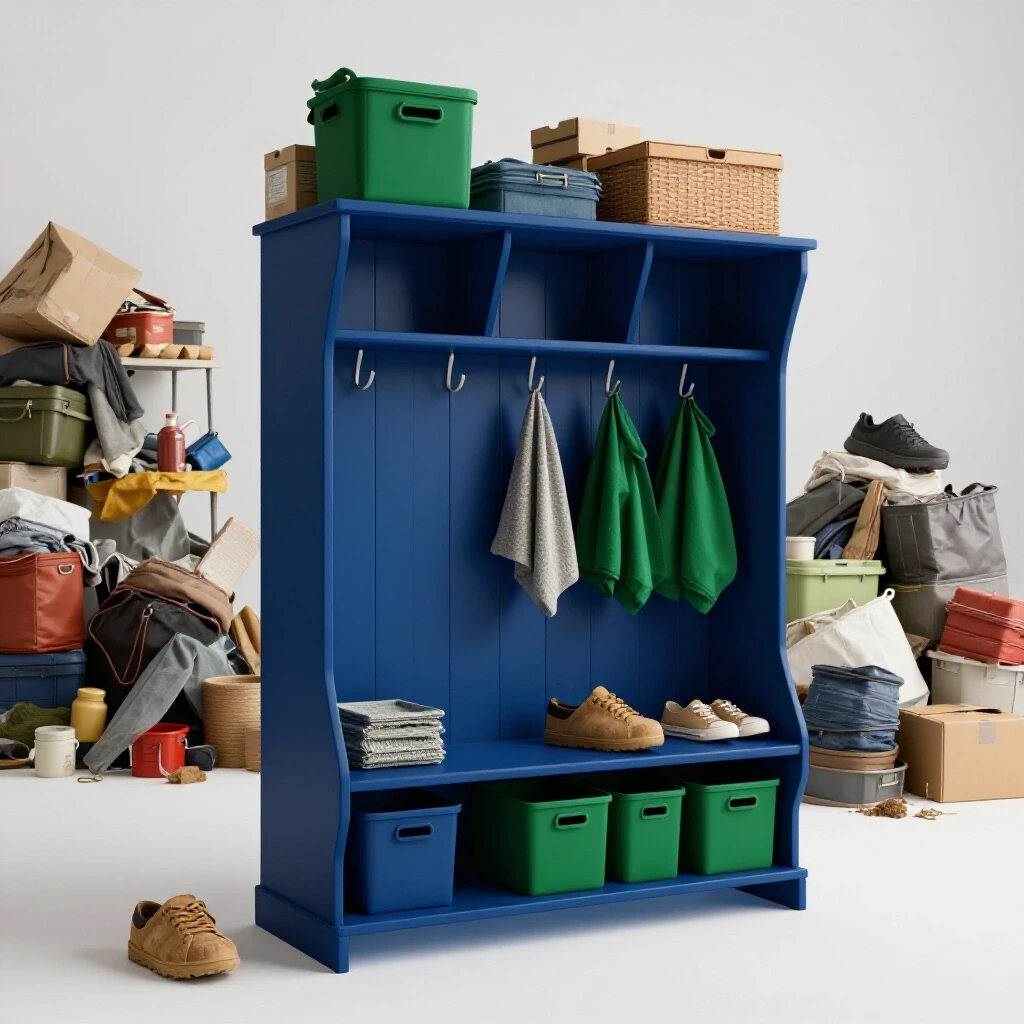
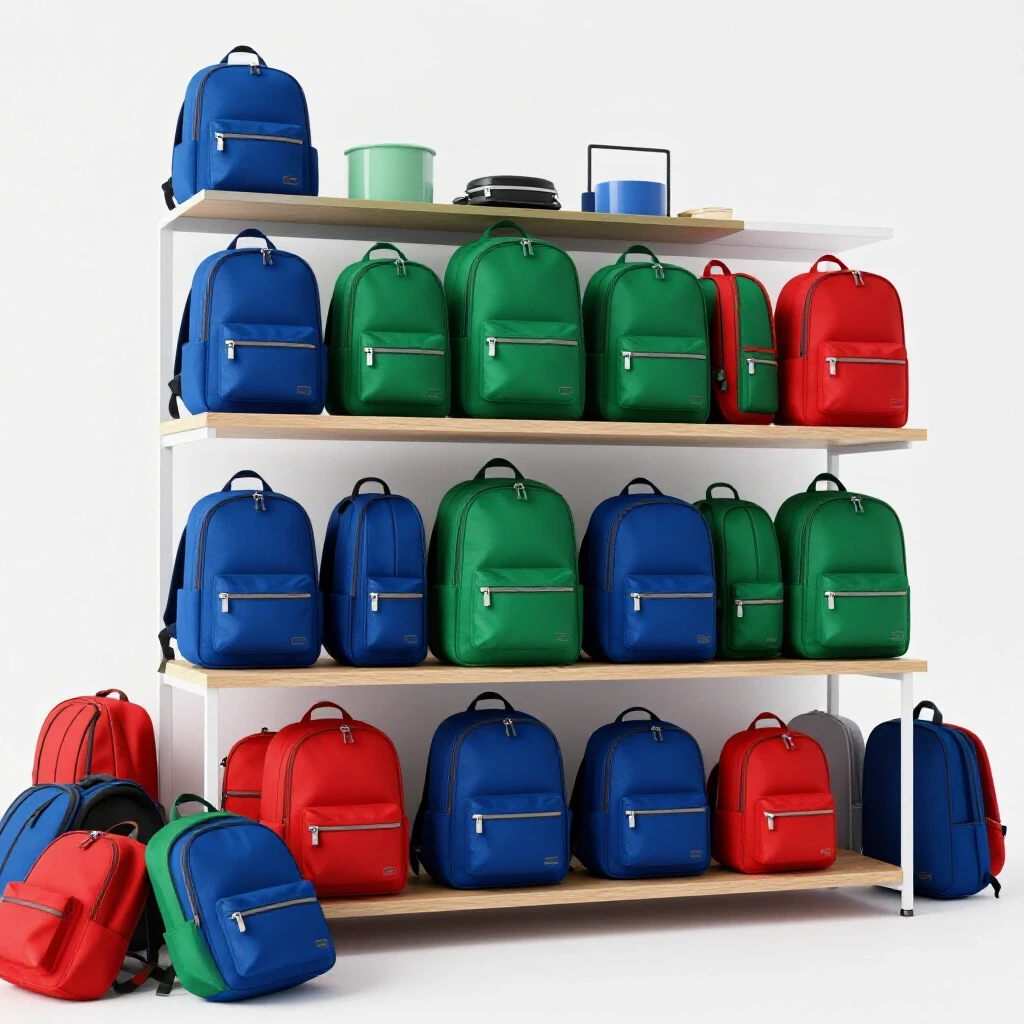
To restore our daily energy, I had to redesign our entryway. We replaced a beautiful but narrow coat closet with a series of heavy-duty open hooks. We swapped a shoe rack with individual slots for a large, open-top wooden crate. The result? The “entryway bottleneck” disappeared. My kids could drop their bags on hooks and kick their shoes into the crate without stopping. We saved about 4 minutes of frustration every morning and evening. That might sound small, but it represents a significant reduction in daily decision fatigue.
The Two-Step Rule for Daily Maintenance
If an item takes more than two steps to put away, the system is likely to fail. 1. Step 1: Reach the storage location. 2. Step 2: Place the item. If you have to unstack three boxes to reach the bottom one, you have a high-friction system that will eventually lead to piles on the floor.
Mapping Your Home with Functional Zoning
Functional zoning is the practice of grouping items based on where they are used rather than what category they belong to. This minimizes “transit time” within the house and keeps the energy flow of a room focused on its primary purpose.
In professional logistics, we call this “point-of-use storage.” In a home, this means keeping the coffee pods exactly where the machine is, and keeping the mail-sorting station exactly where you walk in the door. I conducted a “spatial audit” of our living room and realized we were storing the kids’ board games in a different room. This meant that every time we played, someone had to walk across the house twice. By moving the games to a zone within the living room, we reduced the “logistical cost” of family time.
Daily Maintenance Timelines by Family Size
The amount of time required to maintain a functional home varies by the number of residents. Using low-friction systems can cut these times by up to 40%.
- 1-2 People: 10 minutes/day for “resetting” zones.
- 3-4 People: 20 minutes/day (focused on high-traffic zones like the kitchen and entry).
- 5+ People: 35 minutes/day (requires distributed responsibility and clear “zone owners”).
The Logistics of Inflow and Outflow Control
Inflow and outflow control is the management of how many items enter your home versus how many leave. A home becomes cluttered when the “inflow” of new purchases or mail exceeds the “outflow” of trash, donations, and used items.
I look at our home like a warehouse with a fixed square footage. Once we reach 85% spatial capacity, the “warehouse” becomes inefficient. Items get buried, and finding things takes longer. To combat this, we implemented a “one-in, one-out” rule for specific categories like clothing and toys. This simple logic prevents the slow creep of clutter that eventually leads to that feeling of being overwhelmed.
Sorting Framework: The 3-Pile Logistics Method
When we do a major decluttering sprint, we use a high-speed sorting method to avoid decision fatigue. 1. Active Inventory: Items used in the last 30 days. These stay in “Prime Zones.” 2. Dead Stock: Items not used in 6 months. These are moved to a “Holding Zone” (garage or basement) for 30 days before being donated. 3. Trash/Recycle: Items that are broken or incomplete.
Building Sustainable Habit Loops for the Whole Family
A habit loop is a neurological pattern that governs any habit. It consists of a cue, a routine, and a reward. Sustainable organization relies on building these loops so that tidying becomes an automatic, low-energy task.
The “Daily Reset” is our family’s primary habit loop. At 7:00 PM, a specific song plays on our smart speakers (the cue). We spend 10 minutes putting items back into their low-friction zones (the routine). The reward is a clean environment for our evening relaxation. Because we use open bins and hooks, the 10-minute “sprint” is enough to clear the visual noise of the day. This routine has been the single greatest factor in maintaining our mental clarity and personal vitality.
Actionable Metrics for Household Flow
- Sorting Time-Box: Never sort for more than 20 minutes at a time to prevent “decision fatigue.”
- Item Density: Aim for shelves to be no more than 70% full to allow for easy retrieval.
- Step Count: Count the steps to put away your most-used item. If it’s more than 5 steps, move the storage location.
Selecting Durable and Functional Storage Gear
When choosing storage solutions, durability and visibility are more important than style. In a busy home, containers need to withstand being dropped, slid, and overfilled.
We moved away from trendy fabric bins because they collapsed over time and hid the contents, leading to “out of sight, out of mind” clutter. Instead, we shifted to clear, heavy-duty polycarbonate bins for pantries and sturdy wooden crates for common areas. This increased our “visual inventory,” meaning we could see exactly what we had without opening a single lid. This visibility reduces the mental effort of searching for items, which is a major source of daily frustration.
Modern Tools for Inventory Management
- Smart QR Labels: Use apps like Sortly or Elephant Trax to label opaque bins (like those in the garage). You scan the label with your phone to see a photo of what is inside.
- Modular Rail Systems: Use wall-mounted rails in garages and laundry rooms to keep items off the floor and maximize “vertical throughput.”
- Digital Mail Scanning: Reduce paper inflow by using services that digitize your mail, keeping the “paper bottleneck” out of your kitchen.
Reclaiming Your Space and Your Vitality
Restoring the flow of your home is not a one-time event; it is a shift in how you view your environment. By treating your home like a logistical system, you remove the emotional weight of “cleaning” and replace it with the efficiency of “managing.”
When I finally cleared the “logistics bottlenecks” in our house, the change was immediate. I no longer woke up feeling like I was already behind. The house stopped being a list of chores and started being a place of recovery. This transition didn’t require a minimalist lifestyle or expensive professional organizers. It required a simple commitment to reducing friction and respecting the limits of our spatial capacity.
Practical Next Steps for Busy Households
- Identify the “Power Bottleneck”: Find the one area (like the kitchen counter or entryway) that causes the most stress and apply the “two-step rule” there first.
- Audit Your Bins: Remove lids from daily-use containers to lower retrieval friction.
- Set a Capacity Limit: Decide that a shelf is “full” when it reaches 80% to prevent overcrowding.
- Schedule a 10-Minute Reset: Use a timer and involve the whole family in a low-stakes evening tidy.
Frequently Asked Questions
Why does my house get messy again so quickly after I organize it?
This usually happens because the system has too much “friction.” If it is harder to put something away than it is to leave it on the counter, the item will stay on the counter. Focus on open-top storage and reducing the number of steps required to store items. Your system must be designed for your “laziest” day, not your most motivated one.
How do I get my kids to follow an organization system?
Kids are the ultimate “friction detectors.” If a system is too complex, they won’t use it. Use “Zone-Based” storage where toys are grouped into large, open bins rather than small, specific containers. Use pictures instead of words for labels if they are young. Make sure hooks are at their eye level, not yours.
What is the best way to start when I feel overwhelmed by the whole house?
Start with “Inflow Control.” Stop the new clutter from entering before you try to organize what is already there. Then, pick the one spot you see first when you wake up or come home. Clearing that “first-impression zone” provides an immediate boost to your daily energy and creates momentum for larger projects.
Is it better to use clear or opaque bins?
For items you use every day, clear bins are superior because they reduce the “mental search” time. For items that are visually messy (like tangled cables or rags), opaque bins can help reduce visual noise, but they must be clearly labeled to prevent them from becoming “mystery boxes.”
How do I handle sentimental items that I can’t throw away?
Sentimental items should be moved out of “Prime Zones.” These are not active inventory. Store them in a dedicated “Heritage Zone” (like a high shelf or a specific trunk). By moving them out of your daily path, you protect your daily energy while still keeping the items that matter to you.
What is the “One-In, One-Out” rule?
This is a logistical principle where for every new item brought into a category (like a new pair of shoes), an old one must be donated or discarded. This keeps your home at a steady “spatial capacity” and prevents the slow accumulation of clutter that leads to mental fatigue.
How often should I “audit” my organization systems?
A seasonal audit (every 3 months) is usually enough. As children grow or seasons change, your “Prime Zones” will need to shift. For example, in winter, the “entryway zone” needs more capacity for heavy coats, while in summer, it might focus on sports gear.
Can a small home really be organized for a large family?
Yes, but it requires strict “Vertical Throughput.” Use your walls. When floor space is limited, move storage upward. Also, small homes require a lower “Spatial Capacity Limit”—you may need to keep your shelves at 60% full rather than 80% to maintain a feeling of openness and reduce visual noise.
What is “Decision Fatigue” in decluttering?
Decision fatigue occurs when you have to make too many choices in a row (e.g., “Keep, toss, or donate?”). This is why I recommend the “3-Pile Method.” It limits your choices to three specific categories, which preserves your mental energy so you can finish the task without feeling drained.
Why do you recommend hooks over hangers?
Hangers are “High-Friction.” They require two hands and multiple movements. Hooks are “Low-Friction” and require only one hand and one motion. For daily-use items like coats, towels, and bags, hooks are significantly more sustainable for busy families and help keep floors clear.
(This article was written by one of our staff writers, Christopher Bennett. Visit our Meet the Team page to learn more about the author and their expertise.)