How to Reduce Bathroom Moisture Effectively (Step-by-Step Guide)

Introducing flooring as art allows us to see our homes as more than just shelter; they are curated environments where every material choice serves a purpose. In my 17 years as a facilities technician, I have learned that the beauty of a home is only as sustainable as its underlying health. When we treat our bathroom surfaces and systems with the same care an archivist treats a gallery, we move from reactive repairs to proactive stewardship.
Analyzing the Science of Bathroom Humidity Control
Building science is the study of how heat, air, and moisture move through a building’s envelope. In a bathroom, we are primarily concerned with relative humidity, which is the amount of water vapor in the air compared to what it can hold at a specific temperature. Managing these levels prevents the gradual degradation of structural components and finishes.
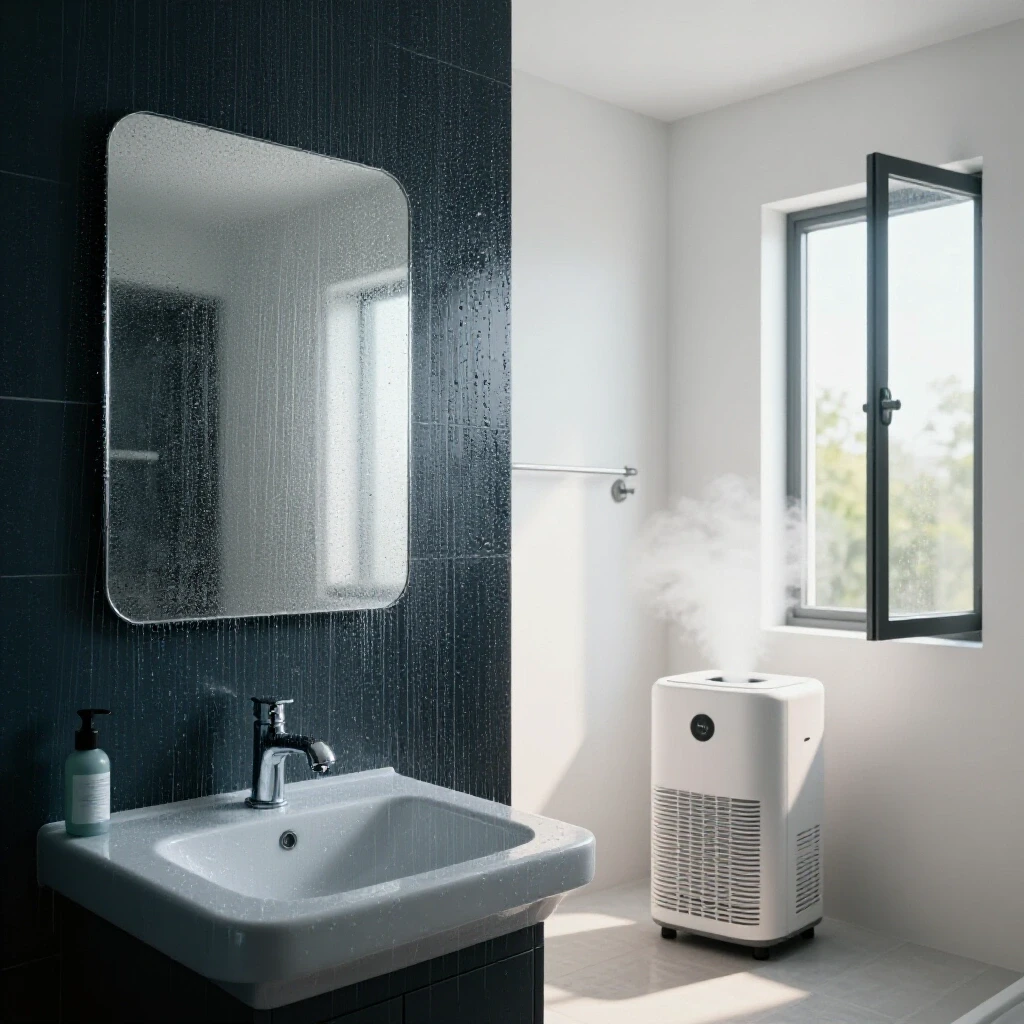
When I first began maintaining legacy properties, I realized that many homeowners view dampness as an inevitable part of a bathroom. However, from a technical perspective, moisture is a manageable variable. Every time you run a hot shower, you are increasing the vapor pressure in the room. This vapor seeks out cooler surfaces, such as windows or exterior walls, where it reaches its dew point and turns back into liquid water.
This process is known as condensation. If left unmanaged, this liquid can migrate through paint layers or seep into grout, leading to the breakdown of subfloors and wall studs. In my own 1940s home, I had to address how the stack effect—the movement of air in and out of buildings—was pulling moist air into the attic. By understanding that air moves from high pressure to low pressure, I could implement better strategies for residential diagnostics and preventative home care.
Essential Tools for Residential Diagnostics and Moisture Detection
Effective home maintenance requires objective data rather than guesswork to identify where water vapor is accumulating. Using specialized tools allows a homeowner to see what is happening behind walls or within materials that appear dry to the touch. These devices provide a baseline for measuring the success of any environmental adjustments made within the property.
To accurately track how I lowered dampness levels in my own bathrooms, I relied on a specific set of diagnostic tools. These are essential for any home maintenance checklist focused on structural protection.
- Digital Hygrometer: This device measures the relative humidity (RH) and temperature of the air. I keep one in the bathroom to ensure levels stay between 30% and 50%.
- Infrared (IR) Thermometer: I use this to find cold spots on walls or ceilings. These “thermal bridges” are where condensation is most likely to form because the surface temperature is below the dew point.
- Pinless Moisture Meter: This tool allows me to check the moisture content of wood or drywall without poking holes. It uses electromagnetic signals to detect water up to 0.75 inches deep.
- Thermal Imaging Camera: While more expensive, this shows heat signatures. It helped me find areas where insulation was missing, which was causing localized dampness on my bathroom ceiling.
By using these tools, I moved away from “feeling” if a room was humid to knowing the exact percentage of water in the air. This data-driven approach is the foundation of any professional plumbing repair guide or moisture detection strategy.
Symptom-to-Root-Cause Diagnostic Tree
The following table outlines common signs of excess water vapor and the technical reasons behind them. Identifying these early is key to preventative home care.
| Symptom | Potential Root Cause | Diagnostic Step |
|---|---|---|
| Fogged mirrors lasting >15 mins | Poor air exchange | Check hygrometer for RH >60% |
| Peeling paint near ceiling | Thermal bridging | Measure surface temp with IR thermometer |
| Damp rugs or towels | High ambient humidity | Test textile moisture content |
| Water beads on toilet tank | Cold water intake vs. warm air | Check for “sweat” during high-use hours |
| Discolored grout lines | Capillary action (water wicking) | Use moisture meter on tile backing |
Passive Strategies for Managing Condensation Levels
Passive strategies involve changing how we use a space or using non-mechanical means to move air and absorb water. These methods are often low-cost and focus on the physics of airflow and material properties. They provide a first line of defense against excessive dampness without requiring a licensed contractor.
One of the most effective ways I reduced humidity was by simply adjusting my daily routine. I started by cracking the bathroom door about two inches during and after showers. This allows for a natural exchange of air. Because warm, moist air is under higher pressure than the cool, dry air in the hallway, the physics of pressure equalization naturally draws the moisture out of the bathroom.
I also began wipedown procedures. Using a squeegee on glass doors and tiled walls after every shower removes the bulk of the standing water before it can evaporate into the air. This significantly lowers the total moisture load the room has to process. In my testing, squeegeeing reduced the time it took for the room to return to a 45% humidity level by nearly 40 minutes.
The Role of Absorbent Textiles and Decor
Interestingly, the fabrics we choose can act as a buffer for humidity. I replaced my standard synthetic bath mats with high-GSM (grams per square meter) cotton rugs. Cotton is a hygroscopic material, meaning it naturally absorbs and releases moisture.
By using thick, natural fibers, I created a “moisture sink” that could hold water during the peak humidity of a shower and slowly release it as the room dried. This prevents the water from sitting on the floor surface where it could seep into the subfloor. I also introduced specific plants, like Spider Plants and Peace Lilies, which can absorb a small amount of ambient moisture through their leaves, though their primary benefit is improving air quality.
Material Selection and Surface Protection for Older Homes
The materials we choose for our bathrooms dictate how well the room handles water over decades. Porous materials can trap moisture, while non-porous surfaces like tile or specific paints shed it. Understanding material science helps in selecting finishes that provide long-term structural protection against humidity.
In my years of maintaining legacy structures, I have seen how “breathable” materials can either help or hurt a home. For instance, using a high-quality, semi-gloss or satin latex paint is vital in a bathroom. These paints have a higher resin content, which creates a tighter film. This film acts as a vapor retarder, preventing moisture from entering the drywall or plaster.
I also pay close attention to the moisture content of the wood trim. Using a pinless moisture meter, I ensure that my bathroom trim stays below 12% moisture content. If it rises above this, it indicates that the finish has failed and the wood is absorbing vapor. Re-sealing trim with a water-resistant polyurethane is a simple preventative step that avoids the “rot” often found in older homes.
DIY vs. Professional Scope Limits
Knowing when to handle a repair yourself and when to call a professional is a critical part of residential diagnostics. Safety and building codes must always come first.
| Task | DIY Scope | Professional Scope |
|---|---|---|
| Surface Mold Cleaning | Small areas (<10 sq ft) | Large infestations or HVAC duct mold |
| Caulking and Sealing | Replacing tub/sink seals | Re-tiling or subfloor replacement |
| Humidity Monitoring | Using hygrometers/sensors | Installing whole-home dehumidifiers |
| Passive Venting | Cleaning grilles/adjusting doors | Cutting new roof or wall penetrations |
| Painting | Applying moisture-resistant coats | Lead paint abatement in pre-1978 homes |
Systematic Troubleshooting for Hidden Moisture Failures
When I suspect a problem that isn’t visible, I follow a systematic troubleshooting sequence. This is a process I used daily as a facilities technician to ensure no stone was left unturned. It starts with the most obvious symptoms and moves toward the more complex mechanical interactions.
First, I check for “capillary action.” This occurs when water travels through tiny spaces in porous materials, like grout or unsealed stone. If I see a dark spot on the wall behind the shower, I don’t just paint over it. I use my moisture meter to see if the dampness is coming from the front (condensation) or the back (a plumbing leak).
Second, I look for “thermal bridging.” In older homes, the wall studs can act as a bridge, carrying cold from the outside to the inside. Because the wall is colder where the stud is located, moisture will condense there first. This often looks like vertical lines of ghosting or staining on the wall. My fix for this was adding an extra layer of moisture-resistant insulation in the attic space directly above the bathroom top plate to break that thermal bridge.
Preventative Home Care: A Multi-Year Maintenance Schedule
Consistency is the most important factor in preventing structural damage. A bathroom is a high-stress environment for building materials. By following a scheduled inspection routine, you can catch minor issues like a failing caulk bead before it becomes a saturated subfloor.
- Monthly: Calibrate hygrometers and check that RH levels return to baseline within 30 minutes of shower use.
- Quarterly: Inspect the caulk around the tub, shower, and sink. Look for any cracking or pulling away from the surface.
- Bi-Annually: Check the “sweat” levels on the toilet tank and the condition of the wax ring at the base. Ensure no water is wicking into the flooring.
- Annually: Use a moisture meter to test the baseboards and the wall area behind the toilet for any hidden increases in moisture content.
This schedule ensures that the home remains in a state of “known health.” It removes the fear of the unknown that many homeowners face when they see a small spot of dampness.
Real-World Case Study: The 1940s Master Bath
In one of my previous homes, the master bathroom had no mechanical ventilation and a single-pane window. Every winter, the walls would literally “weat,” with beads of water running down the wallpaper. The previous owners had simply painted over the peeling sections, which led to a buildup of trapped moisture.
I approached this by first stripping the failing layers to see the condition of the plaster. I used an IR thermometer to find that the corner of the room was 15 degrees colder than the rest of the walls. This was a classic thermal bridge. Instead of an expensive renovation, I applied a high-solids primer designed for high-moisture areas and switched to a 100% cotton shower curtain.
By leaving the window cracked a quarter-inch and using the squeegee method, I was able to keep the relative humidity below 50% even in the dead of winter. The result was a bathroom that stayed dry, smelled fresh, and required no major structural repairs during the five years I lived there.
Safety Warnings and Technical Standards
When performing any home maintenance, safety is the priority. The Consumer Product Safety Commission (CPSC) provides guidelines on many household products, but as a former technician, I focus on the physical realities of the workspace.
- Lead Paint: If your home was built before 1978, do not sand or scrape paint without testing for lead. Disturbed lead dust is a significant hazard.
- Electrical Safety: Bathrooms are wet environments. Ensure all outlets are Ground Fault Circuit Interrupter (GFCI) protected. Never use plug-in dehumidifiers or heaters near a water source.
- Chemical Use: When using cleaners to remove surface spotting, ensure the room is well-ventilated. Mixing bleach-based cleaners with ammonia-based products creates toxic gas.
- Structural Integrity: If you find that a floor feels “soft” or “spongy” near a tub, this is a sign of structural failure. Do not ignore it; this indicates that the wood has reached a saturation point where its load-bearing capacity is compromised.
Building a Multi-Year Prevention Program
A long-term strategy for home health involves more than just fixing what is broken. It involves creating a system where the home works with the environment rather than against it. This is the essence of preventative home care.
By documenting your findings in a facility log—similar to what we use in commercial buildings—you can track the performance of your home over time. Note the RH levels during different seasons. Record when you last applied sealant to the grout. This record becomes an invaluable asset if you ever decide to sell the home, as it proves a history of diligent maintenance.
Ultimately, reducing bathroom dampness is about managing the physics of the room. When you control the temperature, the airflow, and the surface materials, you create an environment where moisture cannot take hold. This protects the “art” of your flooring and the integrity of your walls for decades to come.
Practical Next Steps for Homeowners
If you are facing high humidity in your bathroom today, start with these three low-barrier actions:
- Buy a $10 digital hygrometer. Place it in the bathroom and watch the numbers during your next shower. This gives you a baseline.
- Implement the “squeegee and crack” method. Squeegee the walls and leave the door open two inches. Check the hygrometer 20 minutes later to see the drop in RH.
- Inspect your textiles. If your bath mat is still damp four hours after a shower, it is holding too much water and contributing to the room’s humidity. Switch to a high-quality cotton mat that dries faster.
FAQ: Managing Bathroom Humidity and Moisture
What is a “safe” humidity level for a bathroom? A safe relative humidity (RH) level is between 30% and 50%. While it will spike during a shower, it should return to this range within 30 to 60 minutes. If the RH stays above 60% for extended periods, the risk of surface damage and material degradation increases significantly.
Why do my bathroom mirrors stay fogged for so long? Mirrors stay fogged when the air in the room is saturated with moisture and there is no air exchange to move that vapor out. This usually indicates poor ventilation or a lack of airflow. Using passive methods like opening a door or window can help move the moist air out faster.
Can plants actually help with bathroom moisture? Certain plants, such as Peace Lilies and Boston Ferns, can absorb some ambient moisture through their leaves. However, they are not a substitute for proper airflow. Their impact is minimal compared to mechanical or passive ventilation, but they do contribute to a healthier indoor environment.
Is it better to keep the bathroom door open or closed after a shower? In most cases, keeping the door open (or at least cracked) is better. This allows the high-pressure, moist air to move into the larger, lower-pressure volume of the rest of the house, where the HVAC system can more easily process it.
How do I know if my bathroom paint is failing? Look for signs of “surfactant leaching,” which appears as sticky, tan, or brownish streaks on the walls. Also, check for bubbling or peeling, especially near the ceiling. If the paint feels soft or can be scraped off with a fingernail, it is no longer providing a vapor barrier.
What is the best way to clean moisture spots on the ceiling? First, ensure the spot is dry using a moisture meter. Clean the surface with a mixture of mild detergent and water. If the spot is just surface residue, this will remove it. If the spot returns, you likely have a thermal bridge or a leak that needs to be addressed.
Does a squeegee really make a difference? Yes. By removing the liquid water from the walls and floor, you are preventing it from evaporating into the air. This significantly reduces the “moisture load” that the room’s air has to hold, leading to faster drying times and less condensation on other surfaces.
What should I do if I find a “soft” spot in my bathroom floor? A soft spot indicates that the subfloor has been saturated and the wood fibers are breaking down. This is a structural issue. You should stop using that area and investigate the source of the water immediately, whether it is a leaking toilet wax ring or water seeping under the tub.
Can I use a regular rug in the bathroom? It is not recommended. Standard area rugs often have synthetic backings that trap water against the floor, leading to rot. Use rugs specifically designed for bathrooms, preferably 100% cotton or other breathable, hygroscopic materials that can dry out completely.
How often should I check the caulk in my shower? You should perform a visual inspection every three months. Look for any areas where the caulk has pulled away from the wall or tub, or where it appears cracked. Small gaps can allow large amounts of water to reach the wall cavity through capillary action.
(This article was written by one of our staff writers, Daniel Whitaker. Visit our Meet the Team page to learn more about the author and their expertise.)