Simple Home Safety Checks for a Safer House (Step-by-Step Guide)

I once spent three hours hunting for a “ghost” draft in my 1920s bungalow, convinced a window seal had failed. After stripping back the curtains and checking the glazing, I realized I had simply pushed a heavy, high-backed armchair directly over the floor register. This mistake did more than just make the room feel cold; it forced the air to find a new path, creating a pressure imbalance that pulled cold air through the electrical outlets. It was a humbling reminder that maintaining a legacy property often starts with how we organize our daily living spaces.
The Building Science of Interior Layout and Airflow
Building science is the study of how heat, air, and moisture move through a structure. In older homes, these elements are in constant flux, and the way we position furniture can either help or hinder the house’s ability to breathe. Proper layout prevents “dead zones” where stagnant air can lead to condensation and hidden surface damage.
Understanding Thermal Bridging and Air Distribution
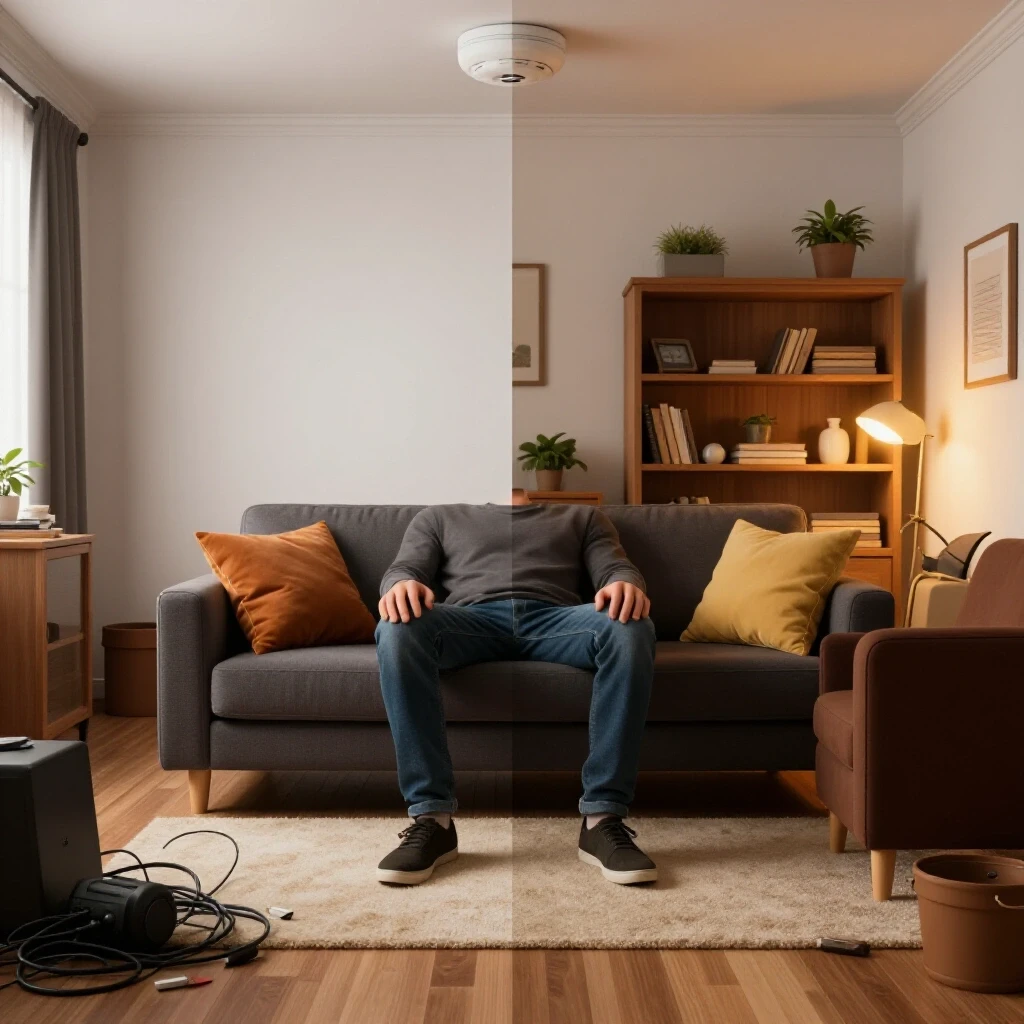
Thermal bridging occurs when a more conductive material allows heat to bypass an insulation layer. In a home, placing a large sofa against an uninsulated exterior wall creates a cold spot where the wall cannot be warmed by the room’s ambient air. This temperature drop can lead to moisture forming behind the furniture.
When I audit a room, I look for a minimum of two inches of clearance between large furniture pieces and exterior walls. This gap allows for convective airflow, which is the natural movement of air as it warms and cools. Without this space, you risk creating a micro-climate that supports mold growth on drywall or plaster. I also ensure that no rugs or decorative items obstruct floor vents or return air grilles. A blocked return vent can increase the static pressure in your ductwork, leading to higher energy bills and uneven temperatures.
| Symptom | Potential Root Cause | Simple Verification |
|---|---|---|
| Cold spots on walls | Thermal bridging behind furniture | Move furniture 2-4 inches away |
| Musty smell in corners | Poor air circulation/high humidity | Check for 40-60% humidity levels |
| Drafty electrical outlets | Internal air pressure imbalance | Check for blocked return air vents |
| Foggy window glass | Excessive interior moisture | Verify kitchen/bath fan operation |
Enhancing Visibility Through Strategic Lighting Maintenance
Lighting safety involves more than just replacing a burnt-out bulb; it is about managing electrical resistance and ensuring consistent visibility. Electrical resistance is the force that opposes the flow of current, often generating heat in the process. Older fixtures and poor bulb choices can lead to overheating or insufficient light in high-traffic areas.
Managing Lumens and Electrical Load in Older Fixtures
Lumens measure the total amount of visible light emitted by a source. In legacy properties, the original wiring may not be rated for high-wattage incandescent bulbs, which generate significant heat. Switching to low-wattage LED options reduces the amperage draw on the circuit, which is the measure of the volume of electricity flowing through the wire.
I recommend a routine check of every “plug-and-play” fixture in the home. I look for brittle cords or plugs that feel warm to the touch after 20 minutes of use. In hallways and stairwells, I aim for a light output of at least 800 lumens to ensure that every step is clearly visible. If a lamp flickers, it is often a sign of a loose connection at the socket or a bulb that has reached its end of life. Keeping these systems organized and updated reduces the risk of accidental trips and prevents unnecessary strain on your home’s older electrical pathways.
- Inspect all lamp cords for fraying or kinking.
- Verify that bulb wattages do not exceed the fixture’s rating.
- Clean dust from bulbs and shades to maximize light output.
- Test all nightlights in transition zones like bathrooms and halls.
- Check that all outlet plates are secure and not cracked.
Structural Load and Storage Organization
Structural load refers to the weight that a floor or shelf is designed to support safely. In older homes, floor joists may have weakened over time due to age or previous renovations. Managing how and where we store our belongings is a critical part of maintaining the physical integrity of the building.
Identifying Gravity and Weight Distribution Hazards
Gravity constantly pulls on every object in your home, and an uneven distribution of weight can cause floors to sag or plaster to crack. When we stack heavy boxes in an attic or a corner of a room, we create a “point load” that the original builders might not have anticipated.
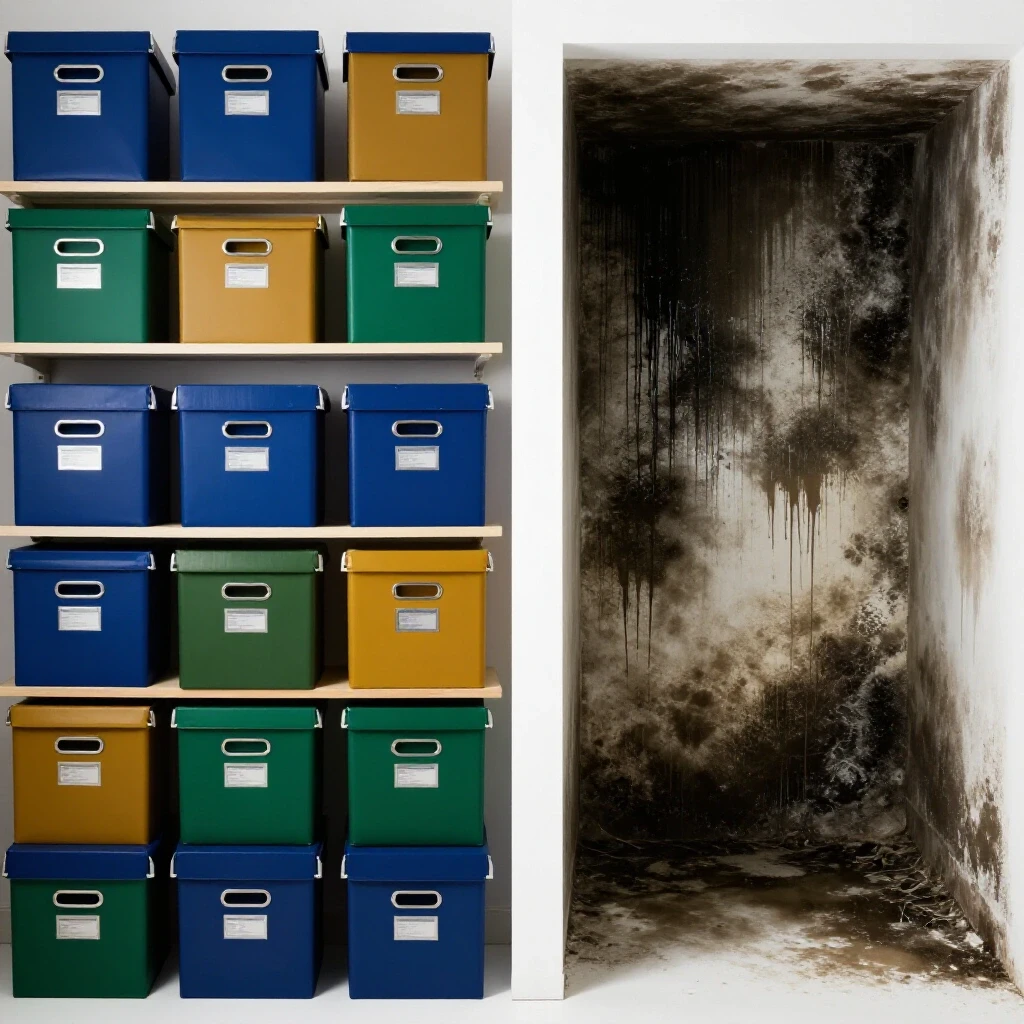
In my routine, I evaluate storage areas for “creep,” which is the slow deformation of materials under a constant load. If I see a shelf bowing or hear a floorboard groan more than usual, it is time to redistribute the weight. I use a simple rule: keep heavy items on the lowest levels and near load-bearing walls. For garage or basement storage, I ensure items are kept at least six inches off the floor using plastic bins. This protects your belongings from capillary action, where moisture travels upward through porous materials like cardboard or wood.
- Weight Limit: Standard residential floors are often rated for 40 pounds per square foot.
- Shelf Deflection: Any shelf bowing more than 1/4 inch per foot of length should be lightened.
- Clearance: Maintain a 36-inch wide path to all utility shut-offs (water, gas, electrical).
- Moisture Content: Use a moisture meter to ensure wood storage stays below 12% to prevent rot.
Managing Moisture Through Lifestyle Habits
Moisture control is the most important factor in preserving an older home’s structure. Capillary action and vapor pressure are the two main ways water moves through your living space. By adjusting how we manage daily tasks, we can significantly reduce the risk of water damage and mold.
Tracking Humidity and Drainage Pathways
Humidity is the amount of water vapor in the air, and in a legacy property, it should ideally stay between 30% and 50%. High humidity causes wood to swell and can lead to structural rot, while low humidity can cause wood to shrink and crack. Simple checks of your windows and basement can reveal how your home is handling moisture.
I keep a small digital hygrometer in the basement and the primary living area. If the basement humidity exceeds 60%, I know I need to check the exterior grading. The ground around your home should slope away at a rate of one inch per foot for the first six feet. Inside, I check the “P-traps” under sinks—the U-shaped pipes that hold water to block sewer gases. If a guest bathroom isn’t used often, the water in the trap can evaporate. I make it a habit to run water in every sink for 30 seconds once a week to keep those seals intact.
| System | Normal Parameter | Warning Sign |
|---|---|---|
| Interior Humidity | 30% – 50% | Condensation on windows |
| Water Pressure | 40 – 60 PSI | Low flow or “banging” pipes |
| Exterior Grading | 1 inch per foot slope | Standing water near foundation |
| Wood Moisture | 8% – 12% | Spongy feel or dark staining |
A Systematic Routine for Seasonal Property Care
A systematic routine involves a scheduled walkthrough to identify small changes before they become major issues. By looking at the house as a series of interconnected systems, you can spot patterns of wear that might otherwise go unnoticed. This proactive approach is the core of effective property management.
The Quarterly Walkthrough Sequence
Every three months, I perform a “sensory audit” of my home. I start at the lowest point (the basement or crawlspace) and work my way up to the attic. I am looking for changes in smell, sound, and touch. Are there new water stains? Does the floor feel different underfoot? This sequence ensures that nothing is overlooked as the seasons change.
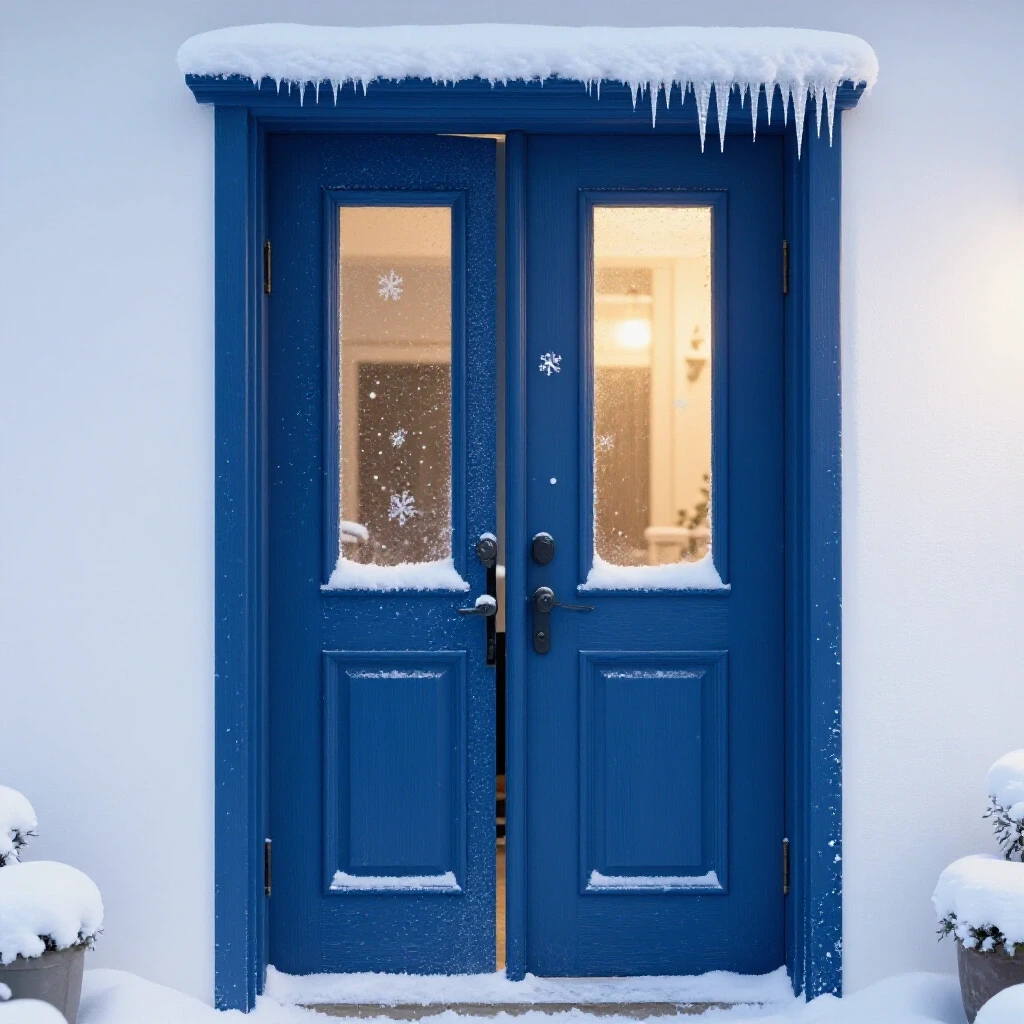
During this time, I also check the “envelope” of the house—the physical barrier between the inside and outside. I look for gaps in weatherstripping around doors where light might be peeking through. A gap the size of a nickel can let in as much cold air as a four-inch hole in the wall. I also verify that all interior doors swing freely and latch correctly. If a door suddenly starts sticking, it can be an early warning sign of foundation settling or moisture-induced swelling in the frame.
- Basement/Crawlspace: Check for dampness or new efflorescence (white powdery salt deposits) on walls.
- Living Areas: Test all windows for smooth operation and lock engagement.
- Kitchen/Bath: Look under cabinets for signs of slow leaks or “pitting” in copper pipes.
- Attic: Inspect for signs of roof leaks or pest intrusion near the eaves.
- Exterior: Clear debris from window wells and ensure downspouts extend five feet from the foundation.
Tools for Effective Interior Monitoring
Having the right tools makes it easier to quantify the health of your home. You don’t need professional-grade equipment to perform effective safety checks. A few basic instruments can provide the data needed to make informed decisions about your property’s care.
- Digital Hygrometer: Measures temperature and relative humidity to prevent mold.
- Flashlight (High Lumen): Essential for spotting water stains or pests in dark corners.
- Moisture Meter: A pin-type meter can check the moisture levels in wood or drywall.
- Non-Contact Voltage Tester: Safely checks if an outlet or wire is “live” before you touch it.
- Level (2-foot): Used to check for sagging floors or improper shelf installation.
- Infrared Thermometer: Helps identify cold spots on walls or overheating electrical components.
When to Observe and When to Act
One of the hardest parts of maintaining an older home is knowing when a small issue requires more than just a lifestyle adjustment. I use a “watch and wait” strategy for minor cosmetic cracks in plaster, but I take immediate action if I see evidence of active water intrusion or electrical heat.
If you find a new stain on the ceiling, don’t just paint over it. Use your moisture meter to see if it is currently wet. If the reading is above 15%, you have an active leak that needs to be addressed. Similarly, if a circuit breaker trips once, it might be an isolated overload. If it trips twice in the same day, it is a sign that the circuit’s electrical resistance is too high or the load is too great for the existing wiring. Documenting these occurrences in a simple logbook helps you see patterns over time, making it easier to manage the home’s long-term health.
Key Takeaways for Home Safety
- Maintain a two-inch gap between furniture and exterior walls to prevent moisture.
- Keep interior humidity between 30% and 50% to protect wood and prevent mold.
- Ensure stairs and halls have at least 800 lumens of light for safe passage.
- Check that exterior grading slopes away from the house at one inch per foot.
- Run water in unused drains weekly to maintain the protective water seal in P-traps.
Frequently Asked Questions
Why does my older home feel drafty even when the windows are closed?
Drafts in older homes are often caused by the “stack effect.” Warm air rises and escapes through gaps in the attic, which creates a vacuum that pulls cold air in through lower-level outlets, baseboards, and floorboards. This is an air pressure issue, not necessarily a window failure.
How can I tell if a water stain is old or a current problem?
The best way to tell is by using a moisture meter. A “dry” stain will have the same moisture percentage as the surrounding wall (usually 5-10%). If the stain shows a higher percentage, water is still entering the structure. You can also circle the stain lightly with a pencil to see if it grows after the next rain.
Is it safe to use LED bulbs in my old light fixtures?
Yes, LED bulbs are generally safer for older fixtures because they draw much less power and produce significantly less heat. This reduces the thermal stress on old wiring and sockets. Just ensure the bulb’s “equivalent wattage” doesn’t exceed the fixture’s maximum rating.
Why do my floors creak more in the winter than in the summer?
This is due to changes in humidity. In the winter, the air is drier, causing the wood floorboards to shrink slightly. This creates small gaps that allow the boards to rub against each other or the nails, producing a creaking sound. Keeping your home’s humidity at a constant level can minimize this.
How much weight can I safely store in my attic?
Most residential attics are designed for “light storage” only, which typically means about 10 to 20 pounds per square foot, provided the joists are not damaged. If you see the ceiling below beginning to crack or the joists bowing, you have exceeded the safe structural load.
What is the white powder on my basement walls?
That white powder is called efflorescence. It occurs when moisture seeps through masonry and leaves behind salt deposits as it evaporates. While the powder itself isn’t dangerous, it is a sign that water is moving through your foundation and that you may need to improve your exterior drainage.
How often should I check my home for safety issues?
I recommend a deep-dive walkthrough every three months (seasonally). However, you should do a quick visual check of high-risk areas, like under the kitchen sink or around the water heater, once a month. Building these habits into your cleaning routine makes them much easier to maintain.
Can I fix a sticking door by just sanding it down?
Sanding should be your last resort. First, check the hinge screws to see if they are loose. If the door only sticks during humid months, it is likely swelling due to moisture. Improving your home’s humidity control is a better long-term fix than removing wood, which may leave a large gap when the air dries out.
(This article was written by one of our staff writers, Daniel Whitaker. Visit our Meet the Team page to learn more about the author and their expertise.)