How to Fix Siding Caulk Gaps for Weather Protection (Guide)

During a particularly heavy Nor’easter about ten years ago, I was managing a century-old Victorian that had been meticulously restored. Despite the fresh exterior work, I noticed a faint damp spot appearing on the plaster wall inside the north-facing parlor. I headed outside with a flashlight while the rain was still driving sideways. What I found wasn’t a roofing failure or a plumbing leak, but a hairline separation where the cedar lap siding met the window casing. That tiny breach, less than an eighth of an inch wide, was acting like a vacuum, pulling wind-driven rain directly into the wall cavity. It was a stark reminder that the smallest openings in a home’s exterior can lead to the most significant structural headaches if they aren’t caught early.
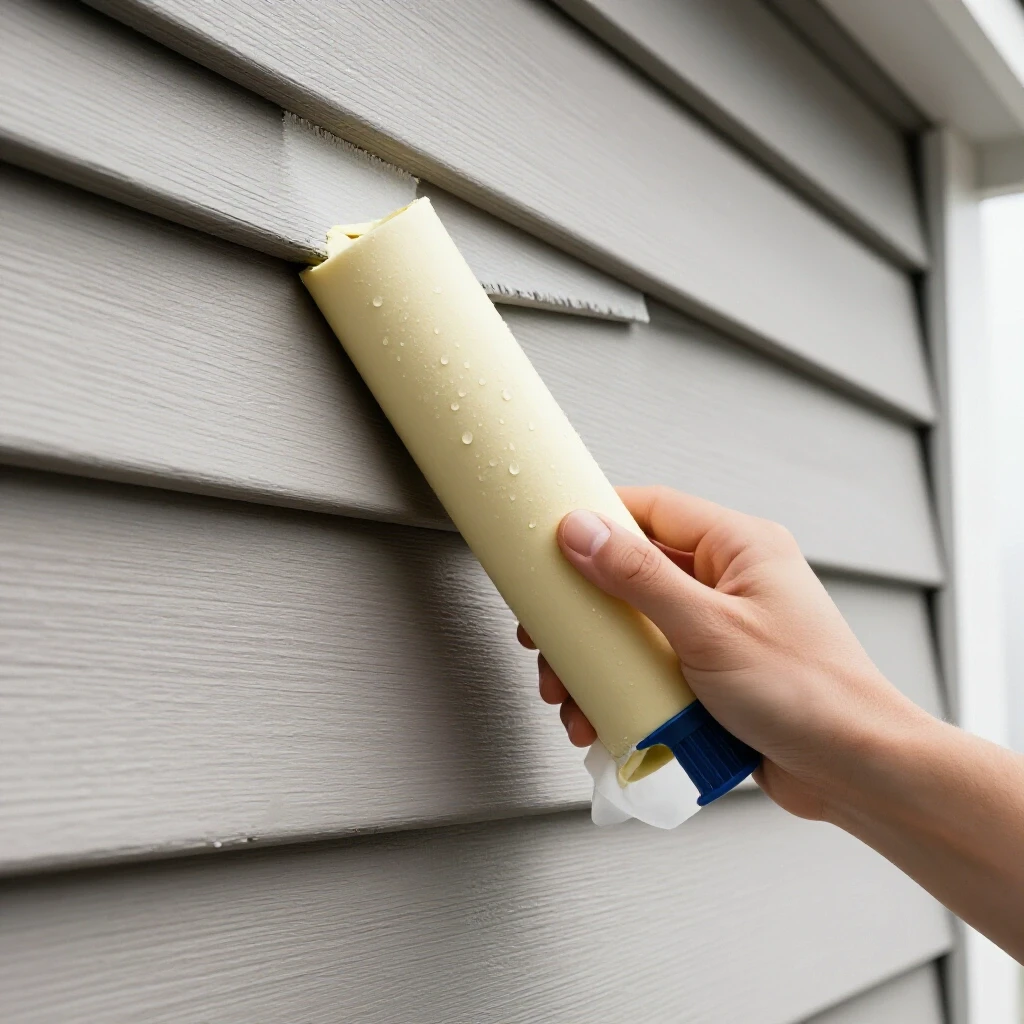
Understanding the Building Envelope and Moisture Dynamics
The building envelope is the physical separator between the conditioned and unconditioned environment of a building. It includes the siding, windows, and doors that work together to repel bulk water and control air movement. When this barrier is compromised, the structural integrity of the home is at risk from rot and mold.
In my 17 years of facility work, I have focused on how moisture moves through a property. Two primary forces are usually at play when an exterior seal fails: capillary action and hydrostatic pressure. Capillary action is the ability of a liquid to flow in narrow spaces without the assistance of, or even in opposition to, external forces like gravity. In a residential context, this means water can be “sucked” into tiny cracks between siding boards.
Hydrostatic pressure occurs when water accumulates against a surface, such as during a heavy downpour. This pressure pushes moisture through any available opening. If your exterior joints are not flexible enough to handle the thermal expansion of the materials, they will crack. This creates a direct pathway for water to bypass your home’s primary defenses and settle into the sheathing.
Essential Tools for Exterior Sealant Diagnostics
Specialized diagnostic tools allow homeowners to move beyond visual guesswork when assessing the exterior of a property. These instruments measure moisture content and detect thermal anomalies that indicate where the exterior barrier has failed or is beginning to degrade. Having the right kit is the first step in preventative home care.
To perform a thorough assessment of your exterior seams and joints, I recommend assembling a diagnostic kit. These tools help you identify issues that are invisible to the naked eye, especially in older homes where layers of old material can hide underlying rot.
- Pinless Moisture Meter: This tool uses electromagnetic signals to measure the moisture content of wood and masonry without marring the surface. I look for readings between 6% and 12% for exterior wood; anything above 19% indicates a high risk for fungal growth.
- Thermal Imaging Camera: This device detects temperature differentials. During colder months, heat escaping through a gap in the siding will show up as a “hot spot” on the camera, signaling an air or moisture leak.
- Telescoping Inspection Mirror: This allows you to see the underside of siding laps and the tops of window headers where sealants often fail first due to UV exposure and water shedding.
- Calibrated Spray Bottle or Garden Hose: Used for controlled testing, these help simulate weather conditions to see how water tracks across the surface of the building.
- Gap Gauge: A simple set of feeler gauges helps you measure the width of a separation to determine if it requires a backer rod before re-sealing.
Identifying Failures in Exterior Joint Integrity
Joint failure occurs when the sealant loses its bond to the substrate or its ability to stretch. Identifying these failures involves looking for cohesive or adhesive breaks that allow water to penetrate the wall assembly. Early detection is the cornerstone of structural protection and avoiding expensive remediation.
When I walk a property, I look for three specific types of failure in the exterior seals. An adhesive failure happens when the sealant pulls away from the siding or trim. A cohesive failure is when the sealant itself tears down the middle. Finally, a substrate failure occurs when the wood or composite material behind the sealant begins to rot or crumble, causing the seal to fall out entirely.
| Symptom | Potential Root Cause | Risk Level |
|---|---|---|
| Sealant pulling away from one side | Poor surface preparation or improper material choice | Moderate |
| Vertical cracks in the middle of the bead | Material has exceeded its movement capability | High |
| Discoloration or “alligatoring” | UV degradation or age-related brittleness | Low (Early Warning) |
| Soft, punky wood around the joint | Long-term moisture intrusion and localized rot | Critical |
| Efflorescence (white powder) on masonry | Water bypass behind the siding migrating through brick | High |
Conducting a Controlled Precipitation Simulation
A precipitation simulation, often called a hose test, involves applying water to the exterior at specific pressures and angles. This process mimics wind-driven rain to verify if existing seals are performing their intended function. It is a systematic way to find leaks before they manifest as interior damage.
To perform this test safely, I start at the bottom of a wall and work my way up. If you start at the top, water running down can mask the source of a leak lower down. I use a standard garden hose with a spray nozzle set to a “rain” or “shower” pattern. I avoid using high-pressure power washers, as these can force water into places it would never naturally go, potentially causing damage.
Maintain a water pressure of approximately 30 to 40 PSI, which is standard for most residential exterior spigots. Direct the spray at a 45-degree angle toward the joints between siding panels and around window casings for five minutes per section. While one person sprays, another should be inside with a moisture meter or thermal camera, monitoring the interior side of that wall for any signs of temperature drops or moisture spikes.
Systematic Repair of Compromised Exterior Seams
Repairing seams requires removing old material, preparing the surface, and applying a high-performance sealant. This ensures the joint can handle the natural expansion and contraction of the home’s exterior materials. A proper repair prevents the “band-aid” cycle of frequent, ineffective fixes.
Once a gap is identified, the repair must be methodical. I never simply “skim coat” new sealant over the old. The old, brittle material will continue to move and pull the new layer off with it. I use a sharp pull-scraper or a dedicated sealant removal tool to clear the joint back to the bare substrate.
- Cleaning: Use a stiff brush and a 50/50 mix of isopropyl alcohol and water to remove dust and oils.
- Backer Rods: For any gap wider than 1/4 inch, I insert a closed-cell foam backer rod. This provides a “bond breaker,” allowing the sealant to only stick to the two sides of the joint, which lets it stretch like a rubber band.
- Application: Apply the sealant in a continuous bead, ensuring it makes full contact with both sides of the joint.
- Tooling: Use a specialized tool or a gloved finger to press the sealant into the joint, creating a slightly concave shape that sheds water effectively.
Long-Term Maintenance and Seasonal Monitoring
A preventative maintenance schedule involves regular inspections of the building’s exterior. Monitoring how sealants behave during freeze-thaw cycles helps prevent moisture-related rot before it becomes a structural issue. This proactive approach is the best way to manage an older property’s health.
Building materials are constantly in motion. Vinyl siding can expand or contract up to 1/2 inch over a 12-foot span depending on the temperature. Wood and fiber cement move less but are more susceptible to moisture damage. I recommend a bi-annual home maintenance checklist to track these changes.
| Season | Task | Focus Area |
|---|---|---|
| Spring | Post-freeze inspection | Check for cracks caused by ice expansion in joints. |
| Summer | UV degradation check | Look for brittle or chalky sealant on south-facing walls. |
| Autumn | Pre-storm sealing | Ensure all gaps are closed before the rainy/snowy season. |
| Winter | Thermal scan | Use a thermal camera on a cold day to find air leaks. |
Building Science Principles in Practice
Building science is the study of how heat, air, and moisture move through a structure. Applying these principles to exterior maintenance means understanding that a house is a system. When you seal a gap in the siding, you aren’t just stopping a leak; you are also improving the energy efficiency of the home by reducing air infiltration.
In older homes, “stack effect” can complicate moisture issues. This occurs when warm air rises and escapes through the top of the house, creating a vacuum that pulls cold, moist air in through gaps in the lower siding. By maintaining the integrity of your exterior joints, you break this cycle, leading to a more stable indoor climate and lower utility bills.
If you find that your seals are failing prematurely, check your gutter and downspout system. Often, a clogged gutter causes water to overflow and saturate a specific area of the siding. No sealant can withstand constant hydrostatic pressure from a waterfall of roof runoff. Ensure your grading slopes away from the foundation at a rate of at least 6 inches over the first 10 feet to keep the base of your siding dry.
Strategic Recommendations for Homeowners
When managing an older property, the goal is to be the “detective” of your own home. Use your senses—look for peeling paint, smell for musty odors near exterior walls, and feel for drafts. If you catch a separation in the building envelope while it is still a “maintenance item,” you prevent it from becoming a “structural repair.”
I always tell homeowners to keep a log of their repairs. Note the date, the weather conditions, and the specific material used for each joint. Over time, you will see patterns. Perhaps the west side of your house needs attention every three years due to sun exposure, while the shaded north side stays intact for seven. This data allows you to move from reactive repairs to a sophisticated, preventative maintenance program.
FAQ: Addressing Common Exterior Sealant Concerns
How can I tell if a gap in my siding is intentional or a failure? Most siding systems, especially vinyl and some fiber cement, require “expansion gaps” where the boards meet trim. These are typically 1/8 to 1/4 inch wide. However, these gaps should be backed by flashing (like a metal “H” mold or felt paper) to shed water. If you see bare wood sheathing through the gap, it is a failure that needs a proper seal or flashing.
What is the best temperature for applying new exterior sealants? Most manufacturers recommend applying sealants when temperatures are between 40°F and 90°F. If it is too cold, the material won’t flow or bond correctly; if it is too hot, the sealant may cure too quickly and crack.
Can I use silicone for all my exterior siding joints? Silicone is excellent for water resistance, but it cannot be painted. For most siding applications, a high-quality polyurethane or a “tri-polymer” sealant is better because these materials are paintable and offer superior adhesion to wood and fiber cement.
How deep should the sealant bead be? The “golden rule” of sealing is that the depth of the bead should be half the width of the joint, but never less than 1/4 inch deep. Using a backer rod helps you maintain this correct depth.
Why does my new sealant keep cracking after only one winter? This is usually a sign of “three-sided adhesion.” If the sealant sticks to the two sides of the gap AND the back of the gap, it cannot stretch. It will tear as the house moves. Using a backer rod or bond-breaker tape ensures it only sticks to the sides, allowing for maximum flexibility.
Is a moisture meter reading of 15% in my siding a problem? A reading of 15% is generally considered safe for exterior wood, but it is on the higher end of the “dry” scale. If you see this number rising after a rainstorm, it indicates the exterior barrier is letting water through.
Should I seal the bottom of my siding boards? Generally, no. Most siding is designed to be “ventilated” at the bottom to allow any moisture that gets behind it to drain out. This is called a “weep hole” or drainage plane. Sealing the bottom can trap water against your house, leading to rapid rot.
How often should I perform a “hose test” on my home? I recommend a controlled test once a year, preferably in the autumn. This allows you to identify and fix any breaches before the freeze-thaw cycles of winter can expand small cracks into large ones.
What should I do if I find mold behind a siding gap? If the mold covers an area smaller than 10 square feet, you can usually clean it with a detergent solution, dry the area thoroughly, and then re-seal. If it is more extensive, you may need to remove the siding to inspect the sheathing for structural damage.
Can air leaks through siding gaps affect my indoor air quality? Yes. Gaps in the exterior envelope can pull in dust, allergens, and moisture from the wall cavity. This often leads to “ghosting” (dark streaks) on interior walls where dust particles settle on cold spots.
(This article was written by one of our staff writers, Daniel Whitaker. Visit our Meet the Team page to learn more about the author and their expertise.)