Home Maintenance Issues You Should Never Ignore (Expert Tips)

Imagine walking into your basement after a heavy rain and noticing a faint, earthy scent. You do not see standing water, so you assume the space is dry. However, in my 17 years of maintaining older properties, I have found that what we cannot see often dictates the longevity of the structure. Is that scent a harmless byproduct of an old house, or is it the first sign of a high-pressure water intrusion that could destabilize your foundation?
Establishing a Foundation for Residential Diagnostics
Building science is the study of how heat, air, and moisture move through a structure. Understanding these physical laws allows a homeowner to move from guessing about repairs to diagnosing the actual root cause of a failure. By applying a systematic approach to your home, you can identify subtle shifts in performance before they manifest as expensive structural damage.

The Role of Moisture Content in Wood Framing
Moisture content refers to the amount of water held within the cellular structure of wood, expressed as a percentage of the wood’s oven-dry weight. Maintaining wood below certain thresholds is critical because fungi and rot-producing organisms require specific moisture levels to thrive. When wood remains damp, its structural integrity diminishes, leading to sagging floors or compromised load-bearing walls.
- 6% to 8%: Typical indoor moisture content for furniture and flooring in conditioned spaces.
- 12% to 15%: The safe upper limit for framing lumber in most climates.
- 19%: The “fiber saturation point” where decay fungi can begin to colonize.
- 28% and above: The range where active wood rot and significant structural degradation occur.
Thermal Bridging and Heat Loss Diagnostics
Thermal bridging occurs when a more conductive material allows heat to bypass an insulated layer, creating a “bridge” for energy transfer. This often happens at wall studs, headers, or floor joists that lack a continuous thermal break. Identifying these points is essential because they are not just energy drains; they are also locations where condensation forms, leading to hidden mold growth.
- Infrared Thermometer: Used to detect surface temperature variations that indicate missing insulation.
- Thermal Imaging Camera: Provides a visual map of heat signatures across a wall or ceiling.
- Smoke Pencil: A tool for identifying air drafts around windows, doors, and electrical outlets.
- Anemometer: Measures the velocity of air movement to quantify the severity of a draft.
- Borescope: A small camera used to inspect the interior of wall cavities without removing drywall.
Identifying Early Warning Signs in Building Envelopes
The building envelope is the physical separator between the conditioned interior and unconditioned exterior environment. It includes the walls, roof, and foundation. Monitoring this barrier for air leaks, water intrusion, and thermal gaps ensures the structural integrity of the home and prevents long-term damage from environmental exposure.
Tracking Capillary Action and Porous Materials
Capillary action is the ability of a liquid to flow in narrow spaces without the assistance of, or even in opposition to, external forces like gravity. In a home, this means water can “wick” upward through concrete footings or brick masonry if a proper moisture barrier is missing. I have seen many homeowners mistake capillary wicking for a roof leak because the moisture appears high up on a wall.
The Stack Effect and Air Pressure Imbalances
The stack effect is a phenomenon where warm air rises and escapes through the top of a building, creating a vacuum that pulls cold air in through the bottom. This process can pull radon, soil gases, and moisture from a crawlspace into your living areas. Managing the stack effect requires sealing “top-of-house” leaks in the attic to equalize the pressure and reduce the mechanical strain on heating systems.
Symptom-to-Root-Cause Diagnostic Tree
| Observed Symptom | Potential Root Cause | Diagnostic Test |
|---|---|---|
| Peeling paint near windows | High interior humidity or window seal failure | Moisture meter test on casing |
| Efflorescence (white powder) on brick | Hydrostatic pressure or poor drainage | Check gutter discharge distance |
| Sagging floor in center of room | Excessive moisture in joists or pier settlement | Laser level and moisture probe |
| Musty smell in closets | Poor airflow and thermal bridging | Hygrometer check for RH > 60% |
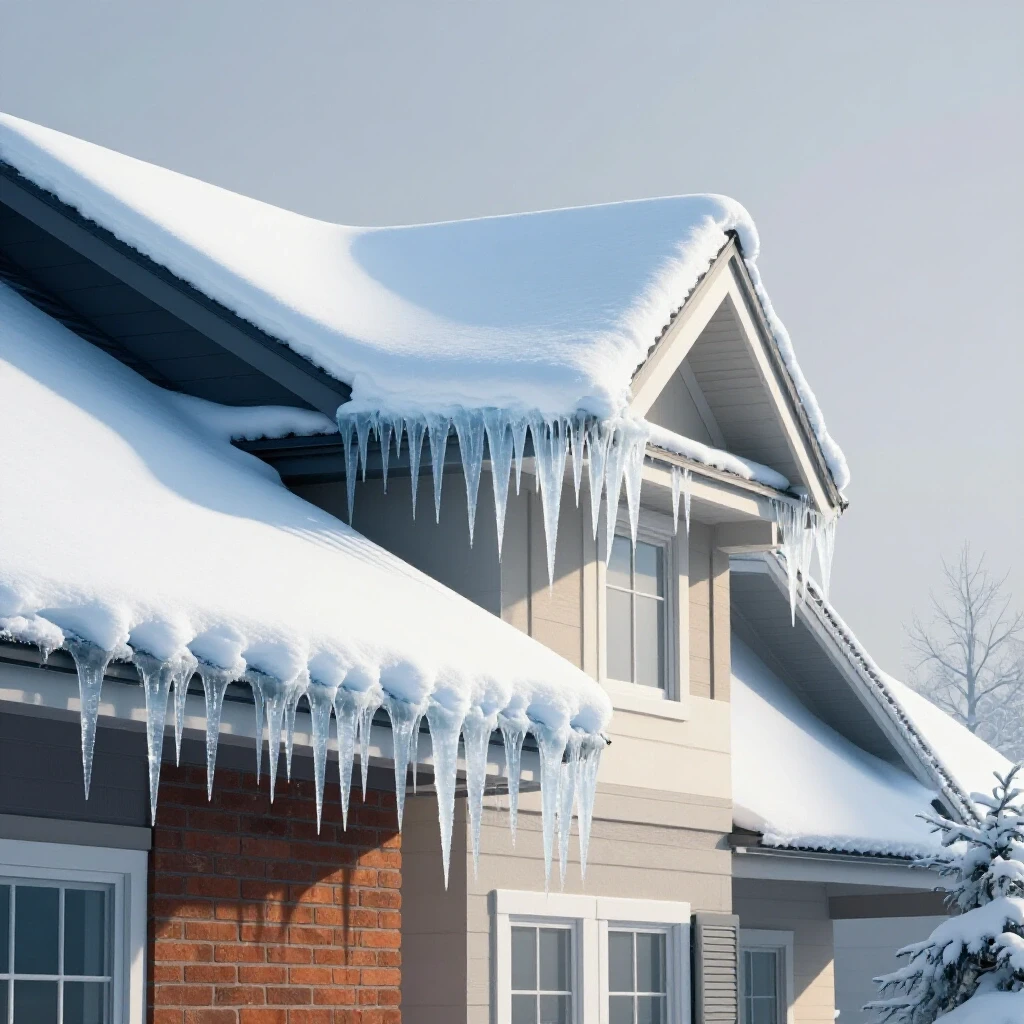
| Ice dams on roof edges | Attic heat loss and clogged gutters | Inspect attic insulation levels |
Managing Water Pathways and Hydraulic Pressure
Water management involves controlling the flow of liquid away from the structure and managing vapor movement within materials. Hydraulic pressure occurs when water accumulates against a foundation, potentially forcing moisture through solid concrete. Effective drainage systems and vapor barriers are essential for protecting porous materials from rot and mold.
Monitoring Static Water Pressure
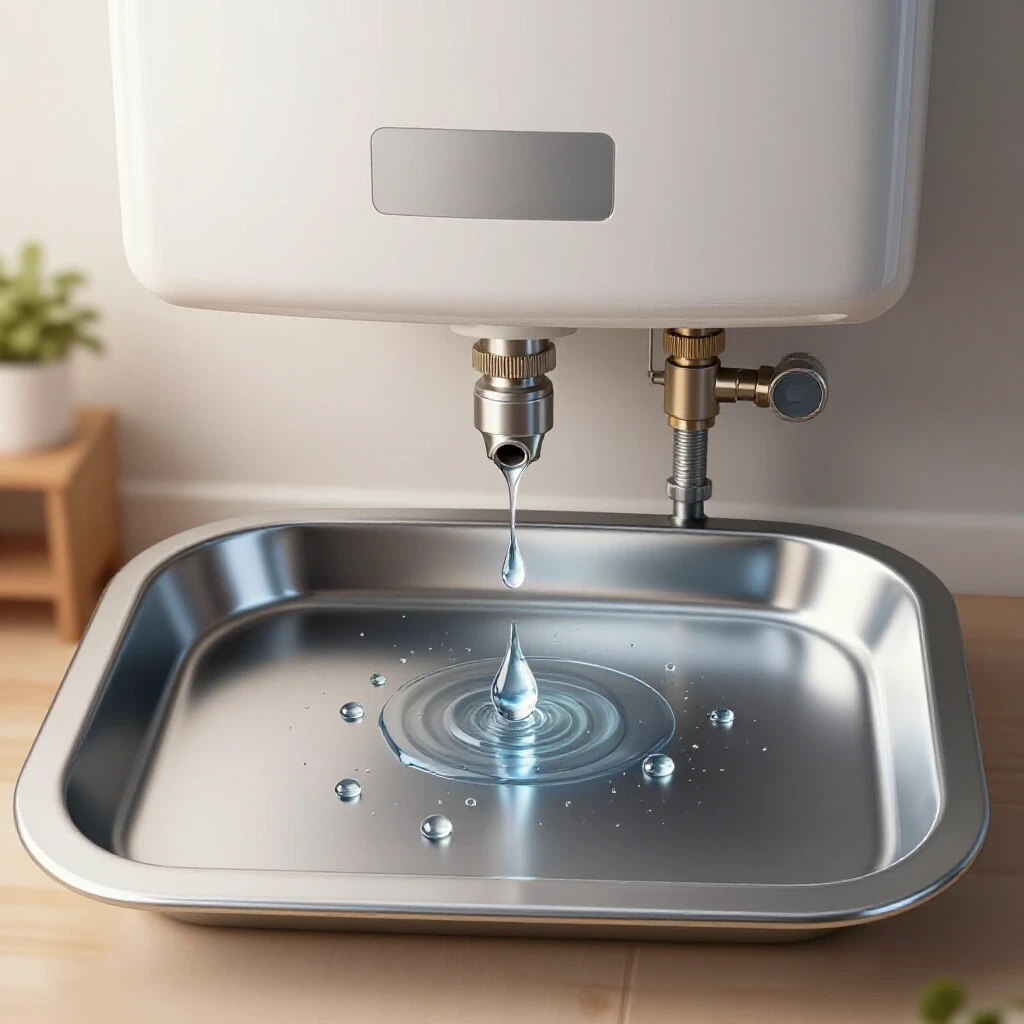
Static water pressure is the force of the water inside your plumbing pipes when no fixtures are running. Most residential systems are designed to operate between 40 and 60 PSI (pounds per square inch). If your pressure exceeds 80 PSI, it can cause premature failure of water heater tanks, faucet seals, and washing machine hoses, often leading to sudden floods.
Managing Foundation Grading and Hydrostatic Pressure
Hydrostatic pressure is the pressure exerted by a fluid at equilibrium at a given point within the fluid, due to the force of gravity. When soil around a foundation becomes saturated, this pressure pushes against the walls. To prevent this, your landscape should have a minimum slope of 1/4 inch per foot for the first 10 feet away from the foundation.
- Gutter Extensions: Ensure downspouts discharge at least 6 to 10 feet away from the house.
- Sump Pump Maintenance: Test the float switch and backup battery every six months.
- French Drains: Inspect the termination points for debris or clogs that could back up the system.
- Vapor Barriers: Ensure 6-mil polyethylene sheeting covers 100% of the soil in crawlspaces.
Electrical and Mechanical System Health Checks
Mechanical systems include HVAC, plumbing, and electrical networks that provide comfort and utility. Regular testing of circuit loads, water pressure, and airflow ensures these systems operate within manufacturer specifications. Early detection of resistance or pressure drops can prevent catastrophic failures like electrical fires or burst pipes.
Evaluating Circuit Load and Resistance
Electrical resistance is the opposition to the flow of electric current, which generates heat as a byproduct. In older homes, loose wire nut connections or corroded terminals increase resistance, which can lead to “arcing.” Using a non-contact voltage tester and a plug-in circuit analyzer allows you to verify that your outlets are grounded and that the voltage drop is within safe limits.
HVAC Efficiency and Temperature Splits
A temperature split is the difference in temperature between the air entering the return vent and the air exiting the supply vent. For a properly functioning air conditioning system, this split should typically be between 15 and 20 degrees Fahrenheit. If the split is lower, it may indicate a dirty evaporator coil or a refrigerant issue that requires specialized technical attention.
Preventative Maintenance Schedule by System
| System | Frequency | Action Item | Metric/Target |
|---|---|---|---|
| Plumbing | Annually | Check water pressure at hose bib | 45-65 PSI |
| Electrical | Every 2 Years | Tighten panel lugs (Specialist only) | No scorched wires |
| HVAC | Bi-Annually | Clean condensate drain line | No standing water |
| Exterior | Seasonally | Inspect window and door caulking | No visible gaps |
| Roof | Annually | Clear debris from valleys and gutters | Free-flowing water |
Developing a Proactive Maintenance Framework
A structured maintenance program replaces reactive repairs with scheduled inspections and minor adjustments. This approach uses data from previous checks to predict when components will reach their end-of-life. By following a systematic timeline, homeowners can manage their property’s health with precision and financial predictability.
Identifying Specialist Intervention Points
Knowing when a task exceeds the scope of DIY care is a critical skill for any homeowner. While I advocate for self-reliance in diagnostics, certain repairs involve high-risk variables like high-voltage electricity or structural load-bearing changes. Establishing a clear boundary for when to call a specialist prevents safety hazards and ensures the home remains compliant with safety standards.
DIY vs. Specialized Intervention Limits
- Plumbing: DIY can replace a faucet or clear a P-trap; specialists should handle main line clogs or gas pipe modifications.
- Electrical: DIY can replace a light switch or outlet; specialists must handle main panel upgrades or new circuit runs.
- Structural: DIY can monitor cracks with a tell-tale gauge; specialists must address foundation underpinning or wall stabilization.
- HVAC: DIY can change filters and clean coils; specialists must handle refrigerant charging and heat exchanger inspections.
Tracking Repair Cost Progression Over Time
Ignoring a minor symptom rarely results in a static problem; usually, the cost of repair increases exponentially as the damage spreads to adjacent systems. For example, a $50 gutter cleaning can prevent a $5,000 foundation repair. Understanding this progression helps prioritize maintenance tasks based on their potential for future financial impact.
| Initial Issue | Cost (Early) | Neglected Outcome | Cost (Late) |
|---|---|---|---|
| Small Roof Leak | $300 | Rotted Decking & Mold | $4,500 |
| Slow Drain | $20 | Main Line Backup | $1,200 |
| High Water Pressure | $150 | Burst Pipe & Water Damage | $10,000+ |
| Peeling Exterior Paint | $500 | Rotted Siding & Trim | $8,000 |
Implementing a Multi-Year Prevention Strategy
The final step in mastering home care is moving from a list of chores to a multi-year strategy. During my time in facilities management, I learned that the most successful properties were those with a “rolling” five-year plan. This involves looking ahead at the age of your water heater, the remaining life of your roof shingles, and the condition of your exterior paint.
Start by creating a digital or physical log of every major component in your home. Note the installation date, the expected lifespan based on manufacturer guidelines, and the date of the last inspection. This log becomes your roadmap, allowing you to save for upcoming replacements and avoid the shock of an unexpected system failure.
Frequently Asked Questions
How can I tell if a basement crack is serious? Monitor the crack using a “tell-tale” crack monitor, which measures movement in millimeters. Horizontal cracks or cracks wider than 1/4 inch often indicate significant hydrostatic pressure or soil movement. If the crack is leaking water or expanding rapidly, it requires a structural evaluation.
What is the most common cause of hidden mold growth? The most common cause is condensation resulting from thermal bridging or high interior humidity. When warm, moist air hits a cold surface (like a wall stud or a window frame), it reaches its dew point and turns into liquid water. Keeping indoor relative humidity between 30% and 50% is the best prevention.
How often should I test my home’s water pressure? I recommend testing water pressure annually using a simple screw-on gauge at an outdoor hose bib. Changes in municipal water supply or a failing pressure-reducing valve (PRV) can cause pressure spikes that damage your appliances.
What does efflorescence on my foundation walls mean? Efflorescence is a white, powdery salt deposit left behind when water evaporates from masonry. It is a clear sign that moisture is migrating through your foundation. While the powder itself is harmless, it indicates that your exterior drainage or grading is failing to move water away from the wall.
Why are my windows drafty even after I replaced the weatherstripping? The draft may not be coming through the window sash itself, but through the “weight pockets” or the space between the window frame and the wall studs. In older homes, these gaps were often left uninsulated. Using a thermal camera can help you identify if the air is leaking from the surrounding trim.
How do I know if my attic ventilation is sufficient? Check your attic during the winter for frost on the underside of the roof sheathing or during the summer for temperatures exceeding 130 degrees Fahrenheit. Proper ventilation requires a balance of intake vents at the soffits and exhaust vents at the ridge to allow continuous airflow.
Can I use a moisture meter on drywall? Yes, but you should use a non-invasive (pinless) moisture meter to avoid leaving holes. These meters use electromagnetic signals to detect moisture behind the surface. A reading significantly higher than the rest of the wall indicates a hidden leak or a condensation problem.
What is the “life expectancy” of a standard water heater? Most tank-style water heaters are designed to last 8 to 12 years. You can extend this life by flushing the sediment from the tank annually and replacing the sacrificial anode rod every 3 to 5 years, which prevents the tank itself from corroding.
Is it normal for my lights to flicker when the AC turns on? A brief, slight flicker can be normal as the compressor draws a large “inrush” of current. However, frequent or severe flickering may indicate a loose neutral wire or an undersized electrical service. If this occurs, have the circuit loads and connections inspected for safety.
How do I safely clean my AC condenser coils? Turn off the power at the outdoor disconnect box first. Use a garden hose with a gentle spray—never a pressure washer, which can bend the delicate aluminum fins. Clear away any vegetation within two feet of the unit to ensure maximum airflow and system efficiency.
(This article was written by one of our staff writers, Daniel Whitaker. Visit our Meet the Team page to learn more about the author and their expertise.)