How to Fix and Prevent Recurring Mold in Your Home (Step-by-Step)

What if you could identify the exact moment your home’s environment shifted from healthy to high-risk, allowing you to stop structural decay before it required a contractor? In my 17 years as a facilities technician, I have learned that older homes do not fail overnight. Instead, they give off subtle signals—a slightly musty scent in the basement, a lingering fog on a windowpane, or a salt-like crust on a foundation wall. By applying building science and a systematic diagnostic approach, I have successfully managed recurring moisture issues in legacy properties that others thought were unsolvable.
Understanding Building Science for Effective Moisture Management
Building science is the study of how heat, air, and moisture move through a structure’s envelope and impact its mechanical systems. It focuses on the physical relationship between the building’s materials and the environment to ensure durability and comfort. Understanding these principles helps homeowners identify the root causes of dampness rather than just treating the visible symptoms.
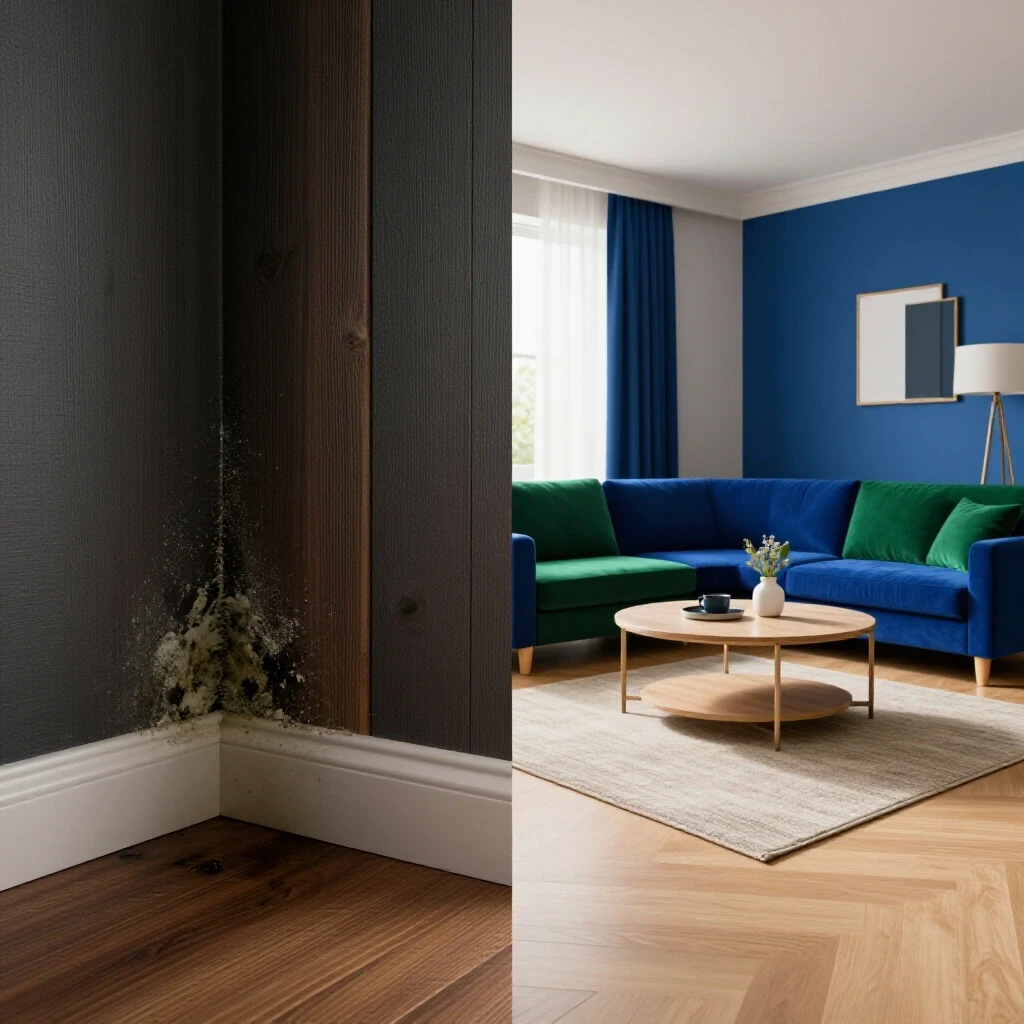
When I first began maintaining a 1940s colonial, I noticed that the basement walls would become damp every spring. Many people suggested simply painting the walls with a waterproof coating. However, building science taught me about hydrostatic pressure. This is the force exerted by water in the soil against the foundation. If the ground is saturated, water will find its way through microscopic cracks or porous concrete via capillary action.
Capillary action is essentially the “wicking” effect, where liquid travels through tiny openings in solid materials. In older homes, this often happens at the “footing-to-wall” joint. If you do not address the external drainage, any internal coating will eventually bubble and fail. By focusing on the “why” behind the moisture, I saved thousands of dollars in wasted topical treatments.
The Role of Relative Humidity and the Dew Point
Relative humidity is the amount of water vapor present in the air expressed as a percentage of the amount needed for saturation at the same temperature. The dew point is the temperature at which air becomes saturated and water vapor condenses into liquid. Managing these two metrics is the most critical step in preventing organic growth on interior surfaces.
In one property I managed, condensation frequently appeared on the lower corners of north-facing bedroom walls. By using a digital hygrometer, I discovered the relative humidity in the room was 55%, while the wall surface temperature was significantly lower than the air temperature. When the warm, moist air hit that cold surface, it reached its dew point. This created a micro-climate perfect for surface issues. I addressed this by improving air circulation and slightly increasing the wall’s R-value, rather than just cleaning the surface repeatedly.
Essential Diagnostic Tools for Residential Moisture Detection
Residential moisture detection involves using specialized instruments to quantify environmental conditions and identify hidden water sources within walls or floors. These tools move the maintenance process from guesswork to data-driven decision-making. Having a basic kit allows a homeowner to monitor structural health and catch failures before they become visible.
During my years in facility care, I never performed an inspection without these four essential tools. They are the backbone of any preventative home care strategy:
- Pinless Moisture Meter: This tool uses electromagnetic signals to detect moisture behind surfaces like drywall or tile without leaving holes. I look for readings below 12% in wood and “green” zones on gypsum board.
- Digital Hygrometer: These small sensors track temperature and relative humidity. I place them in high-risk areas like basements and attics. My goal is to keep indoor relative humidity between 30% and 50%.
- Thermal Imaging Camera: While more expensive, a thermal camera shows temperature differentials. Cold spots often indicate wet insulation or missing thermal barriers where moisture is likely to collect.
- Borescope: This is a tiny camera on a flexible cable. It allows you to look inside wall cavities through a small hole, which is vital for checking the state of plumbing or sill plates.
A Systematic Approach to Locating Water Intrusion
Systematic water intrusion diagnostics is the process of following a logical path from a visible symptom back to its physical origin. It involves ruling out variables one by one, starting from the exterior and moving inward. This method ensures that the actual failure point is repaired, preventing the problem from returning in the next season.
In my experience, homeowners often jump to the most expensive conclusion first. I developed a diagnostic tree to help categorize symptoms and find their likely sources.
Symptom-to-Root-Cause Diagnostic Tree
| Visible Symptom | Immediate Measurement | Likely Root Cause |
|---|---|---|
| Efflorescence (white powder) on masonry | Soil moisture > 20% | High hydrostatic pressure or poor exterior grading. |
| Peeling paint near window trim | Wood moisture > 15% | Failed exterior caulking or window flashing. |
| Dark spots on bathroom ceiling | Humidity > 65% during showers | Undersized or clogged exhaust fan; lack of make-up air. |
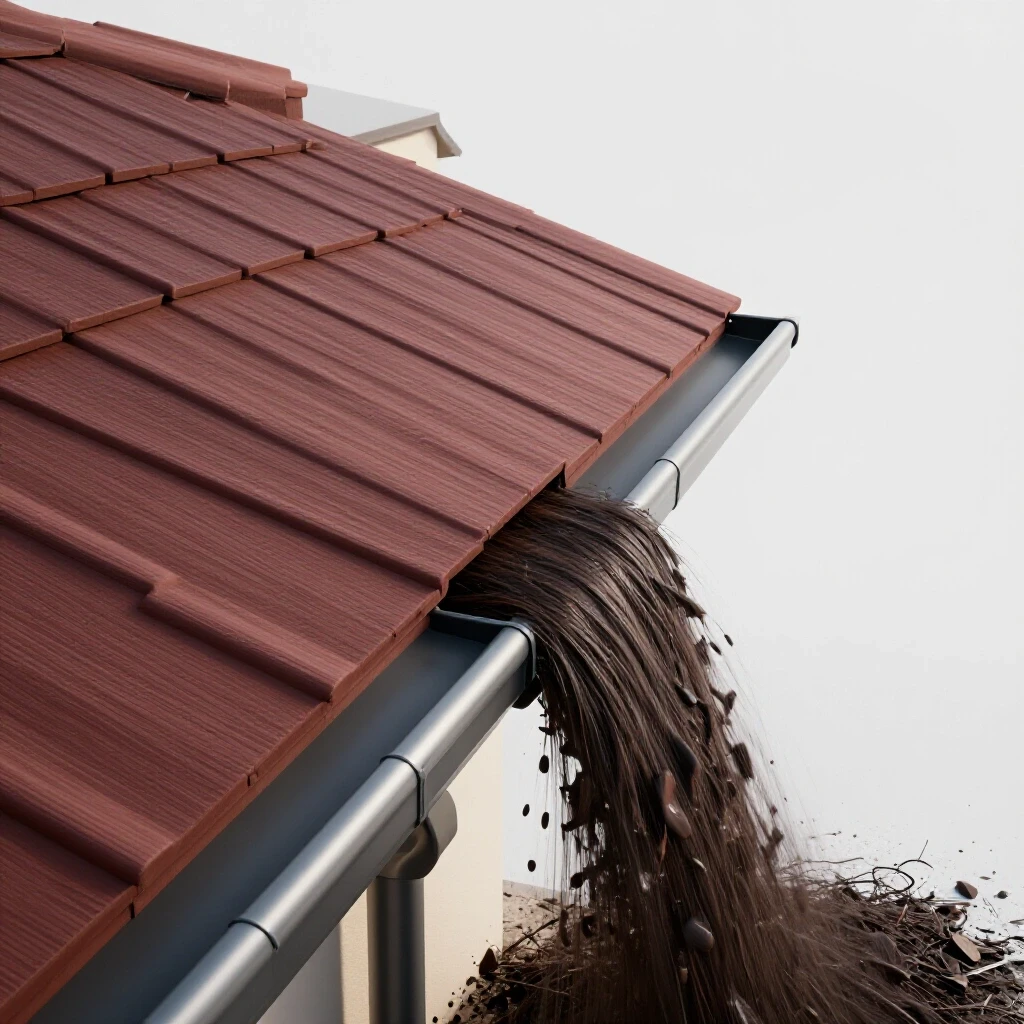
| Damp carpet in basement corner | High thermal bridge (cold spot) | Blocked gutter or downspout discharging too close to home. |
| Musty odor in crawlspace | Standing water or high soil vapor | Lack of a 6-mil polyethylene vapor barrier on the ground. |
When I found a damp spot in a hallway, I didn’t assume it was a roof leak. I checked the attic first. Finding no water tracks on the rafters, I used my moisture meter to trace the dampness up to a second-floor bathroom. It turned out to be a slow leak at the wax ring of a toilet—a $10 fix that could have turned into a $2,000 ceiling replacement if ignored.
Executing Targeted Remediation and Surface Treatment
Targeted remediation is the physical act of removing moisture-damaged materials and cleaning affected areas using safe, non-invasive methods. It focuses on stabilizing the environment first so that cleaning efforts are not wasted. This stage requires strict adherence to safety protocols to prevent the spread of dust or debris.
When I address a localized area of organic growth, I follow a strict sequence. First, I isolate the area. Then, I use a HEPA-filtered vacuum to remove loose particles. According to the Consumer Product Safety Commission (CPSC), using a simple mixture of water and detergent is often sufficient for non-porous surfaces like metal or tile.
I avoid using high-pressure sprayers or aggressive chemicals that can damage the substrate. If the material is porous, such as drywall or insulation, and the moisture has penetrated deep into the fibers, I remove and replace the section. I always ensure the structural members behind the material are dried to a moisture content of less than 12% before sealing the wall back up.
Modifying the Building Envelope to Prevent Reoccurrence
Building envelope modification involves making structural or mechanical changes to how a home handles air and water. This might include upgrading ventilation, changing the slope of the ground, or adding vapor retarders. These adjustments aim to create a “forgiving” house that can shed moisture effectively.
One of the biggest mistakes I see is “tightening” an old house too much without considering ventilation. If you add high-efficiency windows but don’t upgrade your exhaust fans, you trap moisture inside.
DIY vs. Professional Scope Limits
| Task | DIY Appropriate | Professional Required |
|---|---|---|
| Gutter cleaning and repair | Yes, with proper ladder safety. | If gutters are integrated (built-in). |
| Interior surface cleaning | Yes, for areas under 10 sq. ft. | For large-scale structural saturation. |
| Grading and downspout extensions | Yes, maintaining 1/4″ per foot slope. | If heavy machinery or French drains are needed. |
| Installing a dehumidifier | Yes, if using a dedicated circuit. | For whole-house HVAC integration. |
| Replacing window caulking | Yes, use high-quality silicone/polyurethane. | For full window frame replacements. |
In my own home, I solved a recurring dampness issue in the laundry room by installing a timer switch on the exhaust fan. I set it to run for 20 minutes after every load. This simple mechanical change ensured that the high humidity generated by the dryer and washer was fully evacuated from the building envelope.
Establishing a Multi-Year Preventative Maintenance Program
A preventative maintenance program is a scheduled series of inspections and minor repairs designed to keep home systems in peak condition. It shifts the homeowner from a “reactive” state to a “proactive” one. By tracking the age and condition of components, you can predict when they will fail and intervene early.
I keep a logbook for every property I manage. This allows me to see patterns. For example, if I notice I am cleaning the same gutter three times a year, it might be time to install guards or prune a nearby tree.
Preventative Maintenance Schedule by System
- Roofing and Gutters (Bi-Annually): Inspect for shingle granules in gutters. Ensure downspouts discharge at least 5 to 10 feet away from the foundation.
- Foundation and Grading (Annually): Verify that the soil slopes away from the house at a rate of 1 inch per foot for the first 6 feet.
- HVAC Systems (Quarterly): Change filters and check the condensate drain line for blockages. A clogged drain can dump gallons of water into your furnace closet.
- Plumbing (Annually): Check under every sink with a flashlight. Look for “corrosion blooms” on copper pipes or salt deposits on PEX fittings.
- Attic and Crawlspace (Seasonally): Check for signs of condensation on the underside of the roof deck during winter.
Average Repair Cost Progression Over Time
| Issue | Catch it Early (Maintenance) | Catch it Mid-Way (Repair) | Ignore it (Failure) |
|---|---|---|---|
| Leaky Gutter | $20 (Sealant) | $200 (Fascia repair) | $5,000+ (Foundation fix) |
| Slow Drain | $15 (Zip tool/Plunger) | $150 (Snake service) | $1,200 (Pipe replacement) |
| Window Leak | $12 (Caulk) | $300 (Sill replacement) | $1,500 (Full window) |
| AC Clog | $5 (Vinegar/Water) | $250 (Tech visit) | $4,000 (New Coil/Unit) |
Final Steps for Long-Term Structural Protection
Successfully managing a home’s moisture levels is a marathon, not a sprint. It requires a shift in how you perceive your property—not as a static object, but as a living system that interacts with the weather. My 17 years in the field have proven that the most effective tool you own is not a hammer or a drill, but your eyes and a moisture meter.
Start by performing a full walk-through of your home today. Focus on the transition points: where the wall meets the floor, where the pipe enters the wall, and where the roof meets the chimney. If you find a damp spot, don’t panic. Use the diagnostic steps outlined here to find the source. Fix the leak, dry the area completely, and then modify the environment so it cannot happen again. This systematic approach is the only way to ensure your legacy property remains solid for the next generation.
Frequently Asked Questions
What is the ideal humidity level for an older basement?
In my experience, you should aim for a relative humidity between 40% and 50%. Anything above 60% significantly increases the risk of organic growth on surfaces and the rusting of mechanical components like water heaters.
Can a thermal camera see through walls to find water?
No, a thermal camera cannot see “through” walls. It detects surface temperature differences. If there is a leak, the water cools the drywall through evaporation, appearing as a dark, cold “plume” on the camera screen. You must verify this with a moisture meter.
How do I know if my bathroom exhaust fan is actually working?
The “tissue test” is a simple diagnostic. Turn the fan on and hold a single square of toilet tissue up to the grille. If the fan’s suction holds the tissue in place, it is moving air. However, you should also check the exterior vent to ensure the flapper is opening.
What does white, crusty powder on my basement walls mean?
This is called efflorescence. It occurs when water moves through masonry, dissolves internal salts, and leaves them behind on the surface as the water evaporates. It is a clear sign of high hydrostatic pressure from the outside.
Why do my windows have water on the glass in the winter?
This is condensation. It happens when the warm, moist air inside your home hits the cold glass surface. If this is a recurring problem, your indoor humidity is likely too high, or your windows have poor thermal resistance.
Is a pin or pinless moisture meter better for homeowners?
A pinless meter is better for initial scanning because it doesn’t damage the walls. However, a pin-type meter is more accurate for testing the actual moisture content inside a piece of wood or a stud. I recommend a “dual-mode” meter.
What is the “stack effect” and how does it affect moisture?
The stack effect is the movement of air into and out of buildings. Warm air rises and escapes through the attic, creating a vacuum that pulls cold, damp air in through the basement or crawlspace. Sealing attic bypasses can actually help dry out a basement.
How often should I check my sump pump?
You should test your sump pump at least twice a year—once in the spring before the rains and once in the fall. Pour enough water into the pit to trigger the float switch and ensure the water is being discharged far away from the house.
What is the maximum moisture content for wood framing?
For structural lumber, you want to see moisture levels below 15%. If the wood reaches 20%, it is at risk for rot. Most new kiln-dried lumber is sold at around 12% to 15%.
How do I fix negative grading without a tractor?
For minor issues, you can manually add “clean fill” (soil with high clay content) to the area against the foundation. Compact it firmly and ensure it slopes away at least one inch per foot. Cover it with mulch or sod to prevent erosion.
(This article was written by one of our staff writers, Daniel Whitaker. Visit our Meet the Team page to learn more about the author and their expertise.)