How to Remove Stubborn Mold Spots Effectively (Step-by-Step Guide)

The most meticulously cleaned homes are often the ones where persistent biological growth thrives in the shadows. It seems contradictory that a property owner who spends hours scrubbing can still face recurring gray patches on a bathroom ceiling or a musty scent in a linen closet. Over my 17 years maintaining legacy properties, I have learned that surface cleaning is often just a temporary mask for deeper environmental imbalances within the building envelope.
Understanding the Mechanics of Surface Contamination
Building science is the study of how heat, air, and moisture move through a structure and affect its materials. It focuses on the physical laws that govern how a house “breathes” and how different components, like insulation and siding, interact to create a stable interior environment.
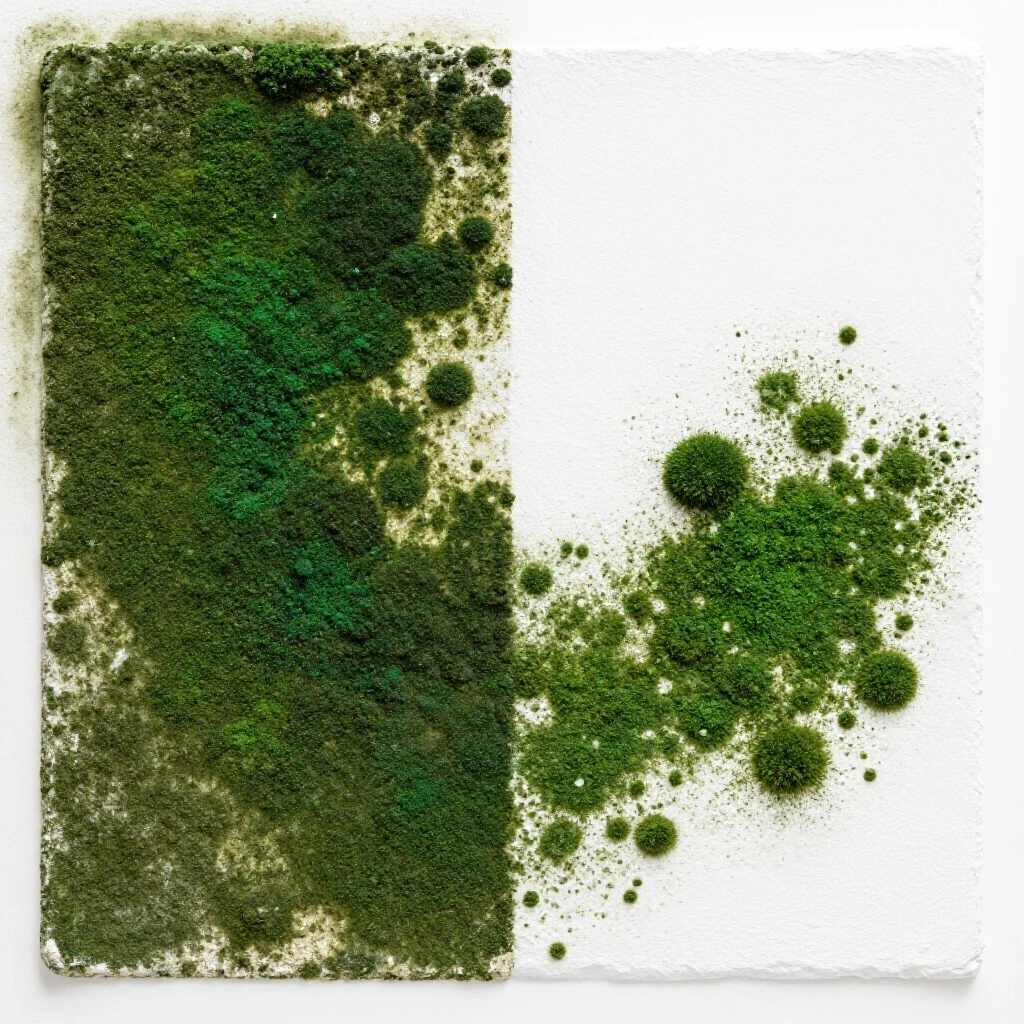
When we see recurring spots on a wall or a window sill, we are looking at a failure of moisture management. In older homes, these issues often stem from thermal bridging—where a cold spot on a wall allows water vapor to condense into liquid. This liquid then feeds spores that are naturally present in the air. To stop the cycle, we must address the moisture content of the material itself, not just the visible stain on the surface.
The Role of Relative Humidity and Dew Point
Relative humidity (RH) is the amount of water vapor present in the air expressed as a percentage of the amount needed for saturation at the same temperature. The dew point is the specific temperature at which air can no longer hold its water vapor, causing it to condense into liquid droplets on cool surfaces.
In my experience, maintaining an indoor RH between 30% and 50% is the critical threshold for preventing surface issues. If a wall surface temperature drops below the dew point—common in corners with poor airflow or near drafty windows—condensation occurs. This microscopic layer of water is all that is needed for biological growth to take hold on organic materials like paper-faced drywall or cotton textiles.
Essential Diagnostic Tools for Moisture Detection
Residential diagnostics involve using specialized instruments to identify hidden problems within a home’s systems before they cause structural damage. This systematic approach relies on objective data rather than visual guesswork to determine why a specific area remains damp or prone to recurring issues.
Before reaching for a cleaning solution, I always deploy a specific set of tools to quantify the problem. Without these measurements, you are essentially guessing. For example, a wall might look dry but have a high internal moisture content that will push any new paint or treatment off the surface within weeks.
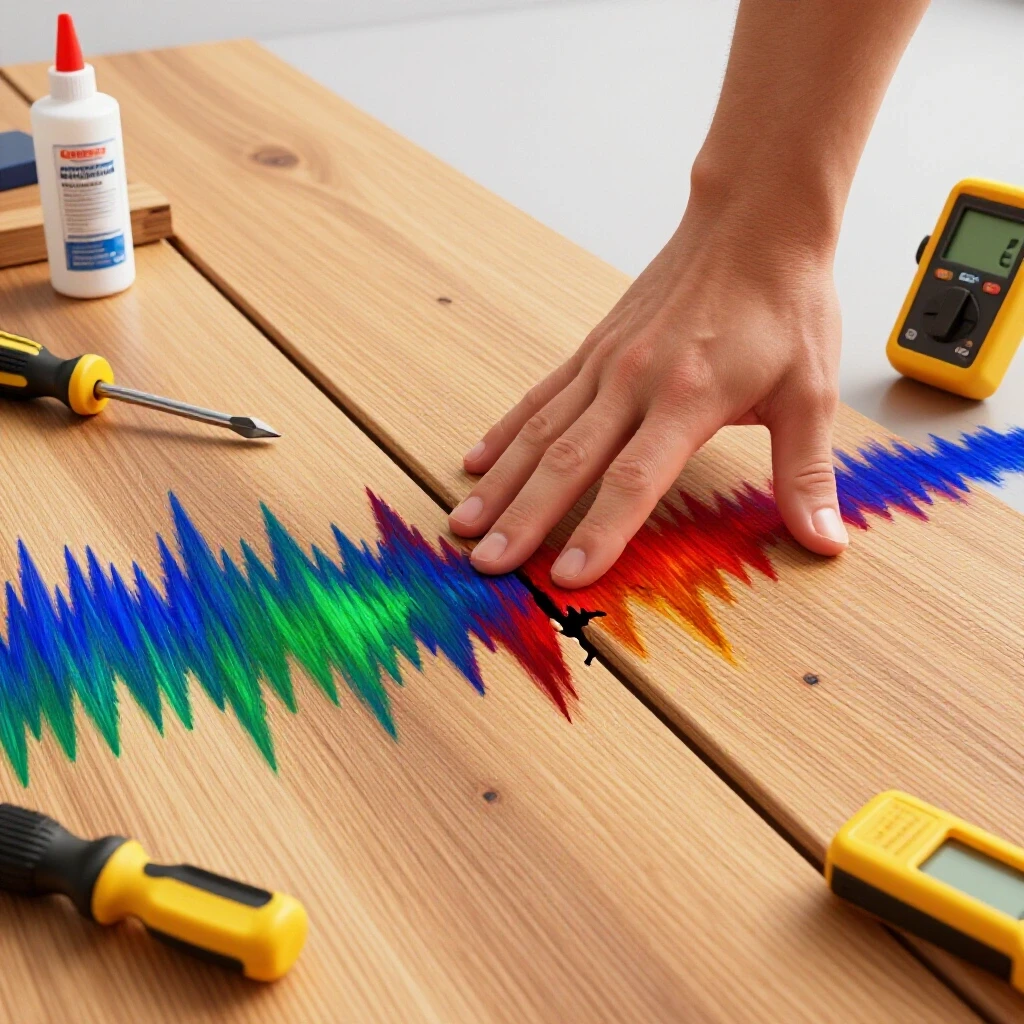
- Pinless Moisture Meter: This allows you to check for moisture behind tiles or inside drywall without poking holes. A reading above 15-17% in wood or drywall usually indicates an active moisture problem.
- Digital Hygrometer: These small sensors track temperature and relative humidity. I place them in “trouble spots” like basements or bathrooms to monitor fluctuations over a 24-hour period.
- Infrared (Thermal) Camera: This tool identifies cold spots on walls where insulation might be missing. These cold spots are prime locations for condensation and subsequent growth.
- Flashlight (High-Lumen): Shining a light at an angle across a surface (raking light) reveals the texture of early-stage growth that you might miss with overhead lighting.
| Symptom | Potential Root Cause | Diagnostic Tool |
|---|---|---|
| Dark spots on exterior wall corners | Thermal bridging/missing insulation | Thermal Camera |
| Musty smell in closets | Poor airflow and high humidity | Hygrometer |
| Peeling paint near windows | Window seal failure/condensation | Moisture Meter |
| Dampness on basement concrete | Hydrostatic pressure/wicking | Calcium Chloride Test |
Comparing Natural Solutions for Persistent Surface Growth
Preventative home care involves choosing treatments that address the root of the problem without damaging the integrity of the building materials. Many common household substances are more effective at penetrating porous surfaces than harsh chemicals, which often only sit on the top layer.
During my years in facility management, I tested various mixtures to see what actually kept surfaces clean over the long term. Interestingly, many natural acids and enzymes outperform traditional options because they work at a cellular level to disrupt the growth cycle.
The Efficacy of Distilled White Vinegar
Distilled white vinegar is a mild acetic acid that is effective against a wide range of surface organisms. Because it is a thin liquid, it can soak into porous materials like wood and drywall to reach the “roots” or hyphae of the growth.
I recommend using it undiluted in a spray bottle. For the best results, spray the affected area and let it sit for at least an hour. This dwell time is crucial; it allows the acid to break down the organic structure. Afterward, wipe the area with a microfiber cloth dampened with clean water and, most importantly, dry the area completely with a fan.
Hydrogen Peroxide as an Oxidizing Agent
Hydrogen peroxide (3% concentration) is an oxidizing agent that physically lifts stains and breaks down organic matter through a bubbling action. It is particularly useful on non-porous surfaces like bathroom fixtures, grout, and tile.
Unlike vinegar, peroxide has a slight bleaching effect, which helps with the aesthetic cleanup of dark spots. I find it works best when applied and left until the bubbling stops. However, it can be light-sensitive, so it should be stored in its original dark bottle and used relatively quickly once poured.
Systematic Surface Restoration and Repair
Plumbing repair guides and structural protection protocols emphasize that a repair is only as good as the preparation. When dealing with recurring spots on walls or textiles, a systematic approach ensures that you aren’t just moving the problem from one spot to another.
In my facility logs, I recorded that the most common mistake is using a wet rag to “scrub” a spot. This often pushes the spores deeper into the material or spreads them across the wall. Instead, a controlled, dry-to-wet-to-dry sequence is the standard for professional-level results.
Step-by-Step Wall Treatment
- Isolate the Area: Turn off any fans or HVAC systems to prevent air movement from spreading debris.
- HEPA Vacuuming: Use a vacuum with a HEPA filter to gently remove loose material from the surface. Do not use a standard shop vac, as they often exhaust fine particles back into the room.
- Controlled Application: Lightly mist your chosen solution (vinegar or peroxide) onto the area. Do not oversaturate, as excess moisture can soak into the wall’s gypsum core.
- Gentle Agitation: Use a soft-bristled brush to work the solution into the texture of the wall.
- Rinse and Dry: Wipe with a damp microfiber cloth, then immediately use a hair dryer or a dedicated floor fan to bring the surface moisture back to baseline levels (below 12% on a moisture meter).
Restoring Textiles and Decorative Objects
For fabrics or rugs that show signs of spotting, the approach changes. Natural fibers like wool and cotton are highly absorbent and can hold moisture for days. If a rug has been damp for more than 24 to 48 hours, the structural integrity of the fibers may be compromised.
For washable items, adding a cup of white vinegar to the rinse cycle helps neutralize odors and lingering spores. For non-washable items, a light misting of a tea tree oil solution (1 teaspoon of oil to 1 cup of water) can act as a natural inhibitor. Always test a small, inconspicuous area first to check for colorfastness.
Establishing a Long-Term Preventative Maintenance Schedule
A home maintenance checklist is a living document that helps a homeowner stay ahead of the natural aging process of a property. By scheduling regular audits of the home’s “wet zones,” you can catch minor issues before they require expensive interventions.
I have found that legacy properties require a more frequent cadence of inspection because their mechanical systems—like older bathroom fans or basement drains—often operate at lower efficiencies than modern equivalents.
Monthly and Seasonal Checkpoints
- Monthly: Inspect the undersides of sinks and around the base of toilets. Use a dry tissue to wipe along supply lines; if it comes away damp, you have a slow leak that is contributing to local humidity.
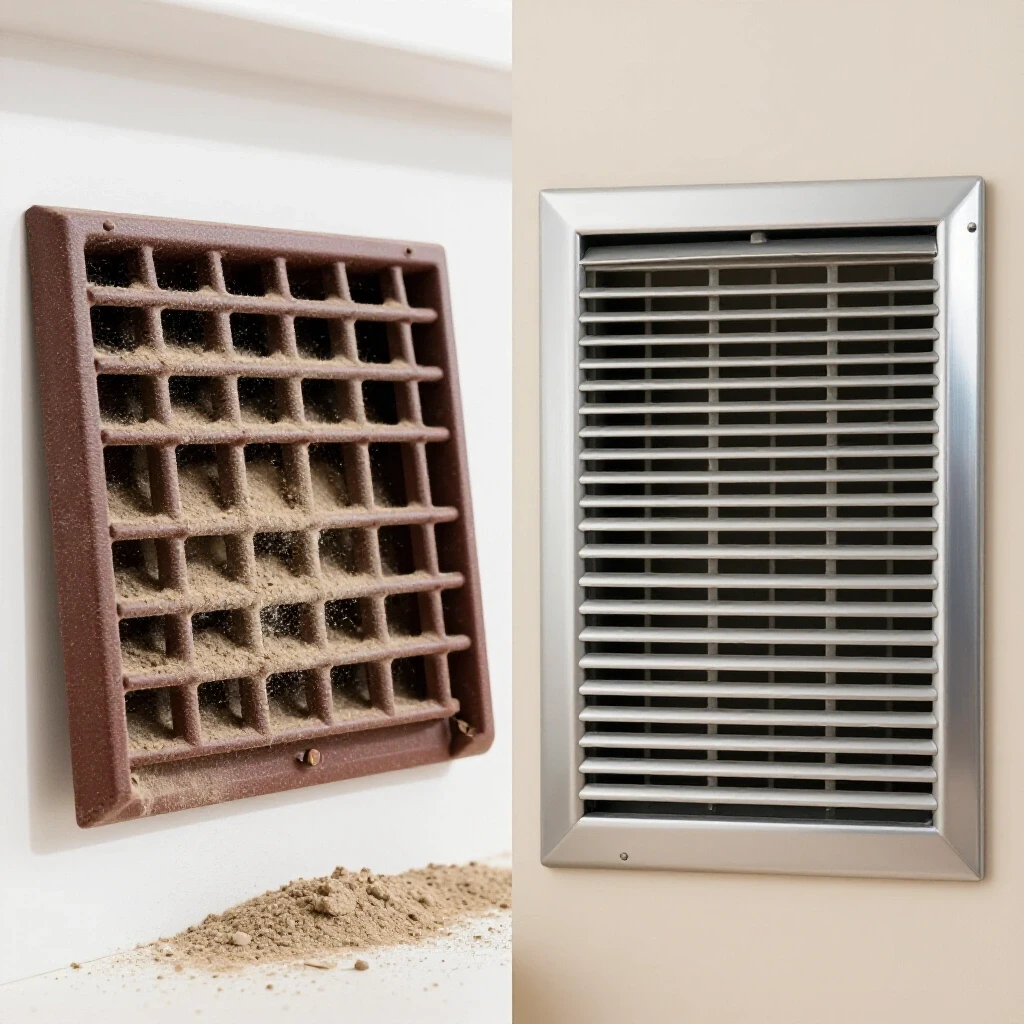
- Quarterly: Clean the grills of all exhaust fans. A dust-clogged fan can lose up to 50% of its CFM (Cubic Feet per Minute) rating, leaving moist air trapped in the room after a shower.
- Bi-Annually: Check window tracks for standing water. Older double-hung windows often have “weep holes” in the frame that allow condensation to drain outside. If these are plugged with debris, water will back up and soak into the wooden sill.
- Annually: Inspect the attic for signs of roof leaks or disconnected vent flues. A bathroom fan that accidentally vents into the attic rather than through the roof is a primary cause of hidden structural issues.
| Task | Frequency | Target Metric |
|---|---|---|
| Monitor Basement Humidity | Daily/Continuous | Under 50% RH |
| Inspect Window Seals | Every 6 Months | No visible condensation |
| Clean Exhaust Fan Grills | Every 3 Months | Unobstructed airflow |
| Check Sump Pump Operation | Every 6 Months | Immediate water evacuation |
Building Envelope and Airflow Adjustments
The building envelope is the physical separator between the conditioned interior of a home and the unconditioned exterior. It includes the walls, roof, windows, and foundation. Maintaining this envelope is the first line of defense against unwanted moisture.
Often, the “stubborn” nature of surface spots is simply a result of stagnant air. In older homes, furniture is often pushed flush against exterior walls. This creates a “dead air” space where heat cannot reach the wall, causing the surface temperature to drop. Moving a bookshelf or a sofa just two to three inches away from the wall can increase airflow enough to raise the surface temperature above the dew point.
Improving Ventilation Safely
If you find that a specific room consistently feels “heavy” or damp, the existing ventilation may be inadequate. In bathrooms, the fan should run for at least 20 minutes after a shower. If the fan is old, consider upgrading to a model with a built-in humidity sensor that turns on automatically when moisture levels rise.
For basements, avoid the temptation to open windows on hot, humid days. This introduces “wet” air into a cool space, leading to immediate condensation on cold water pipes and foundation walls. Instead, use a high-capacity dehumidifier to maintain a consistent environment.
When to Transition to Professional Assistance
While many surface issues can be managed with systematic DIY care, there are clear boundaries where a homeowner should seek professional help. Recognizing these limits protects both your safety and the long-term value of your property.
- Size of the Area: If the affected surface area exceeds 10 square feet (roughly a 3×3 foot patch), it often indicates a larger systemic failure that requires professional diagnostic equipment.
- Recurring Flooding: If the issue is caused by sewage backups or consistent foundation seepage, simple surface treatments will not suffice.
- HVAC Contamination: If you see growth inside your heating and cooling ducts, this requires specialized cleaning tools that can reach deep into the system without spreading debris.
- Hidden Leaks: If your moisture meter shows high readings inside a wall but there are no visible plumbing fixtures nearby, you may have a failing roof or siding system that needs a contractor’s assessment.
Practical Next Steps for Homeowners
Addressing persistent spots is a marathon, not a sprint. Start by gathering your data. Purchase a simple hygrometer and spend a week tracking the humidity in different rooms. This baseline will tell you if you are fighting a localized leak or a whole-house humidity issue.
Once you have your data, begin the cleaning process using the least aggressive method first. Start with distilled white vinegar and a microfiber cloth. Monitor the area for two weeks. If the spots return, use your moisture meter to check if the wall itself is damp. By following this systematic, technical approach, you move from reactive scrubbing to proactive property management, ensuring your legacy home remains a stable, well-maintained environment for years to come.
Frequently Asked Questions
Why does the growth keep returning to the same spot on my ceiling? This usually happens because the underlying cause—typically a cold spot from missing attic insulation or a slow leak from a bathroom above—has not been fixed. The organic material in the drywall ceiling remains damp, providing a constant food source.
Is vinegar really better than commercial cleaners? In many cases, yes. Vinegar’s acetic acid can penetrate porous surfaces like wood and drywall more effectively than many surface-level cleaners. It reaches the deeper “roots” of the growth rather than just cleaning the surface.
What is the ideal humidity level for an older home? The sweet spot is between 30% and 50%. Anything higher encourages biological growth; anything lower can cause wooden furniture and trim to shrink and crack.
Can I just paint over the dark spots? No. Painting over active growth will only trap moisture and cause the paint to bubble and peel. You must treat the surface, dry it completely, and address the moisture source before applying a high-quality, moisture-resistant primer and paint.
How do I know if my bathroom fan is working correctly? A simple test is to hold a single sheet of toilet paper up to the fan grill while it is running. If the suction is strong enough to hold the paper in place, the fan is moving air. However, you should still clean the dust from the grill and blades quarterly.
Does tea tree oil actually work for prevention? Yes, tea tree oil contains natural compounds that inhibit growth. A solution of one teaspoon of oil per cup of water can be used as a preventative spray on surfaces prone to dampness, like shower curtains or basement walls.
Why shouldn’t I use a regular vacuum to clean up dry spots? Standard vacuum filters are not fine enough to catch microscopic particles. They will suck them up and then blow them back out into the air through the exhaust, potentially spreading the problem to other rooms.
What should I do if I find moisture behind my wallpaper? Wallpaper acts as a vapor barrier, trapping moisture against the drywall. If you find growth behind it, the wallpaper usually needs to be removed, the wall treated and dried, and the moisture source (like an exterior leak) repaired before redecorating.
How often should I check my basement for dampness? During rainy seasons or high humidity months, a weekly check is advisable. Looking for “efflorescence” (a white, powdery mineral deposit on concrete) can help you identify where water is wicking through the foundation.
What is the best way to dry a wall after cleaning it? Use a high-velocity floor fan directed at the spot for several hours. Using a moisture meter to verify the wall has returned to its baseline moisture content (usually under 12%) is the only way to be sure it is truly dry.
(This article was written by one of our staff writers, Daniel Whitaker. Visit our Meet the Team page to learn more about the author and their expertise.)