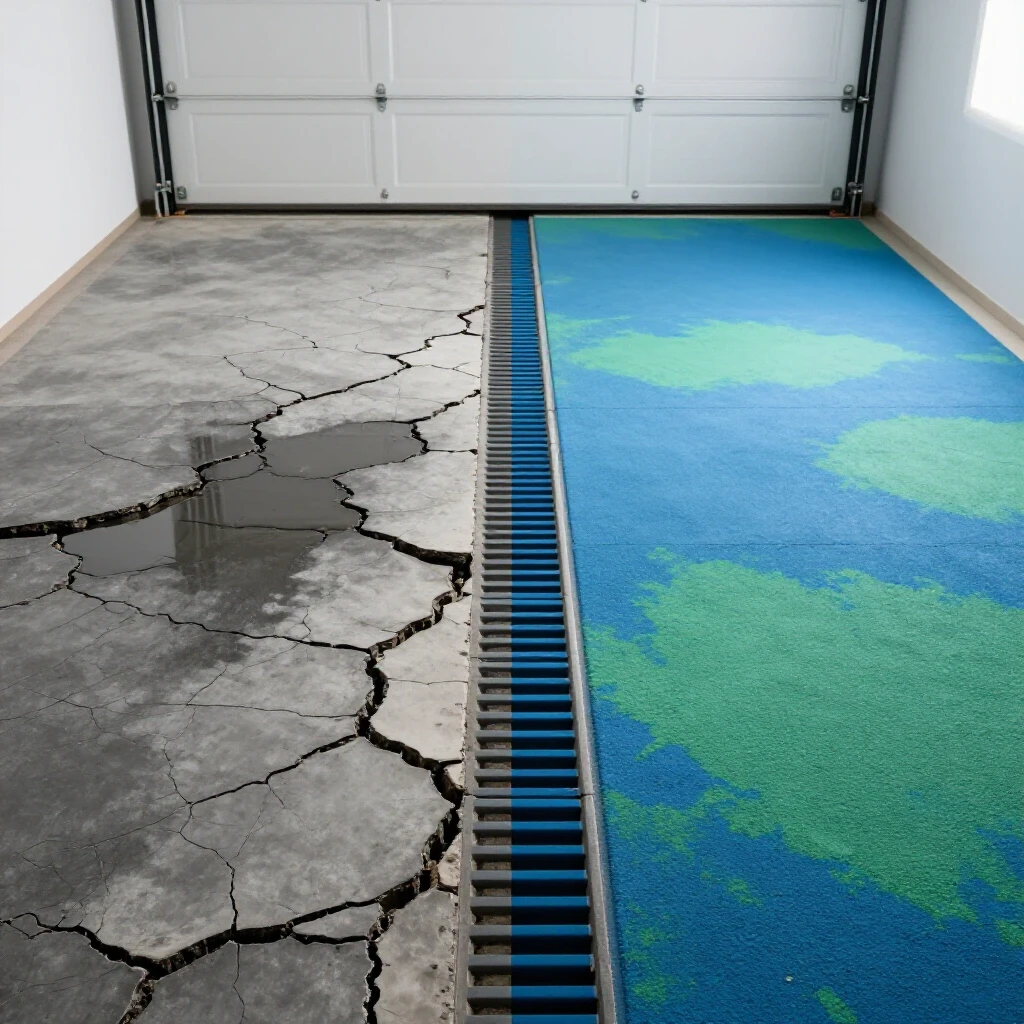
How to Rebuild a Flood-Prone Area for Lasting Home Protection (Guide)

One of the most valuable lessons I learned during my 17 years in facilities maintenance is that water doesn’t just sit; it migrates. When you are dealing with a property in a high-moisture zone, your goal isn’t just to dry things out once, but to change the way the structure interacts with its environment. This requires a systematic approach that prioritizes long-term resilience over quick cosmetic fixes.
Understanding the Physics of Water Intrusion
This concept involves studying how liquid water and vapor move through building materials via pressure and suction. To protect a home, you must understand hydrostatic pressure, which is the force exerted by stagnant water against a foundation, and capillary action, where moisture wicks upward through porous materials like concrete or wood.

In my experience with older legacy homes, the foundation often acts like a giant sponge. If the soil around the house becomes saturated, the water has nowhere to go but through the microscopic pores of your basement walls. This is why you see white, powdery “efflorescence” on bricks. It is the salt left behind after water evaporates.
Building science teaches us that we cannot stop water entirely; we can only redirect it. When I rehabilitated a lower-level living space that frequently took on water, I had to account for the “stack effect.” This is when warm air rises and pulls cool, moist air from the ground up through the house. By sealing the floor-to-wall joints and using non-porous materials, I broke that cycle of moisture migration.
Diagnostic Tools for Water-Vulnerable Properties
Successful home maintenance starts with accurate data rather than guesswork. Using specialized tools allows you to see what is happening inside a wall or under a floorboard before structural rot sets in. These devices provide objective measurements of moisture levels, temperature, and humidity to guide your repair decisions.
When I begin an assessment of a damp zone, I rely on a specific kit of diagnostic equipment. These tools are essential for any homeowner who wants to catch a small leak before it becomes a five-figure repair bill.
- Pinless Moisture Meter: This allows you to check for moisture behind tile or under linoleum without poking holes. I look for readings below 15% in wood framing.
- Infrared Thermal Camera: These cameras detect temperature differences. Wet insulation is denser and holds a different temperature than dry insulation, showing up as dark “plumes” on the screen.
- Digital Hygrometer: I use these to monitor relative humidity (RH). For a healthy home, you want to keep your indoor RH between 30% and 50%.
- Laser Level: This is vital for checking the slope of your yard. A proper grade should drop at least 6 inches over the first 10 feet away from the foundation.
Identifying Symptoms and Root Causes
A diagnostic tree helps homeowners distinguish between surface-level issues and deep-seated mechanical or structural failures. By matching physical signs like peeling paint or musty odors to their actual origins, you can avoid wasting money on “band-aid” solutions that don’t address the primary source of the problem.
| Symptom | Potential Root Cause | Immediate Action |
|---|---|---|
| White powder on basement walls | Hydrostatic pressure/Efflorescence | Check exterior gutter discharge |
| Cupping hardwood floors | High crawlspace humidity | Install a 6-mil vapor barrier |
| Water pooling near the slab | Negative site grading | Add fill dirt to create a slope |
| Mold on window sills | Poor thermal envelope/Condensation | Increase ventilation or upgrade glass |
Selecting Resilient Materials for Interior Restoration
Choosing the right finishes for a moisture-prone area means prioritizing inorganic materials that do not provide a food source for mold. This strategy involves moving away from traditional drywall and carpet in favor of products that can withstand occasional dampness without losing their structural integrity or aesthetic appeal.
When I rebuilt a lower-level den that had a history of dampness, I replaced the bottom two feet of the walls with cement board instead of standard gypsum. If water ever did seep in, the cement board wouldn’t crumble or grow mold. I also opted for Luxury Vinyl Plank (LVP) flooring. Unlike laminate, which is made of pressed wood chips and swells when wet, LVP is essentially plastic and can be submerged without warping.
- Use closed-cell spray foam insulation instead of fiberglass batts; it acts as a secondary vapor barrier.
- Opt for stainless steel or plastic shims when leveling cabinets to prevent rot at the base.
- Apply a masonry sealer to concrete floors before installing any finished flooring.
- Select “mold-tough” or “moisture-resistant” drywall if you must use gypsum products.
Mechanical System Protection and Elevation
Protecting your home’s “organs”—the HVAC, water heater, and electrical panel—is critical for maintaining safety and functionality during a moisture event. This process involves physically raising equipment off the floor and ensuring that all electrical components meet modern safety codes to prevent short circuits or fires.
In many older homes, the furnace sits directly on the concrete floor. This is a major risk. During my facility management years, I always recommended installing equipment on a “housekeeping pad.” This is a raised concrete or plastic platform, usually 4 to 6 inches high.
For electrical systems, the Consumer Product Safety Commission (CPSC) emphasizes the importance of Ground Fault Circuit Interrupters (GFCIs). In any area prone to moisture, every outlet must be GFCI-protected. If water touches the circuit, the GFCI trips in milliseconds, preventing a lethal shock. I also suggest moving the electrical panel to a higher floor if the basement has a history of significant water entry.
Exterior Water Management and Grading Standards
The most effective way to protect a structure is to keep water away from it in the first place through proper drainage. This involves managing the “roof-to-ground” transition by ensuring gutters are clear and downspouts discharge water far enough away from the foundation to prevent soil saturation.
If your gutters are clogged, water spills over the side and lands right next to your foundation. This saturates the “backfill” soil, which is looser than the surrounding earth. This water then creates immense pressure against your walls.
- Clean gutters at least twice a year (spring and fall).
- Extend downspouts at least 5 to 10 feet away from the house.
- Ensure the soil slopes away from the house at a 5% grade.
- Install a French drain system if the water table is naturally high in your area.
DIY vs. Professional Scope Limits
Knowing when to handle a repair yourself and when to call a licensed specialist is a vital skill for preventing accidental damage. While many restoration tasks are manageable for a dedicated homeowner, certain structural and high-voltage electrical issues require professional certification to ensure the home remains safe and insurable.
- DIY Tasks: Installing LVP flooring, painting with mold-resistant coatings, extending downspouts, and monitoring humidity levels.
- Professional Tasks: Installing an internal perimeter drain (French drain), replacing a main electrical panel, or repairing a cracked foundation wall.
- Safety Warning: Never enter a flooded basement if the water level has reached the electrical outlets. Turn off the main breaker from an exterior or upstairs location first.
Long-Term Preventative Home Care Checklist
A maintenance schedule is a proactive plan designed to catch wear and tear before it leads to a system failure. By performing regular inspections of the building envelope and mechanical systems, you can extend the lifespan of your property and avoid the stress of emergency repairs.
Monthly Tasks
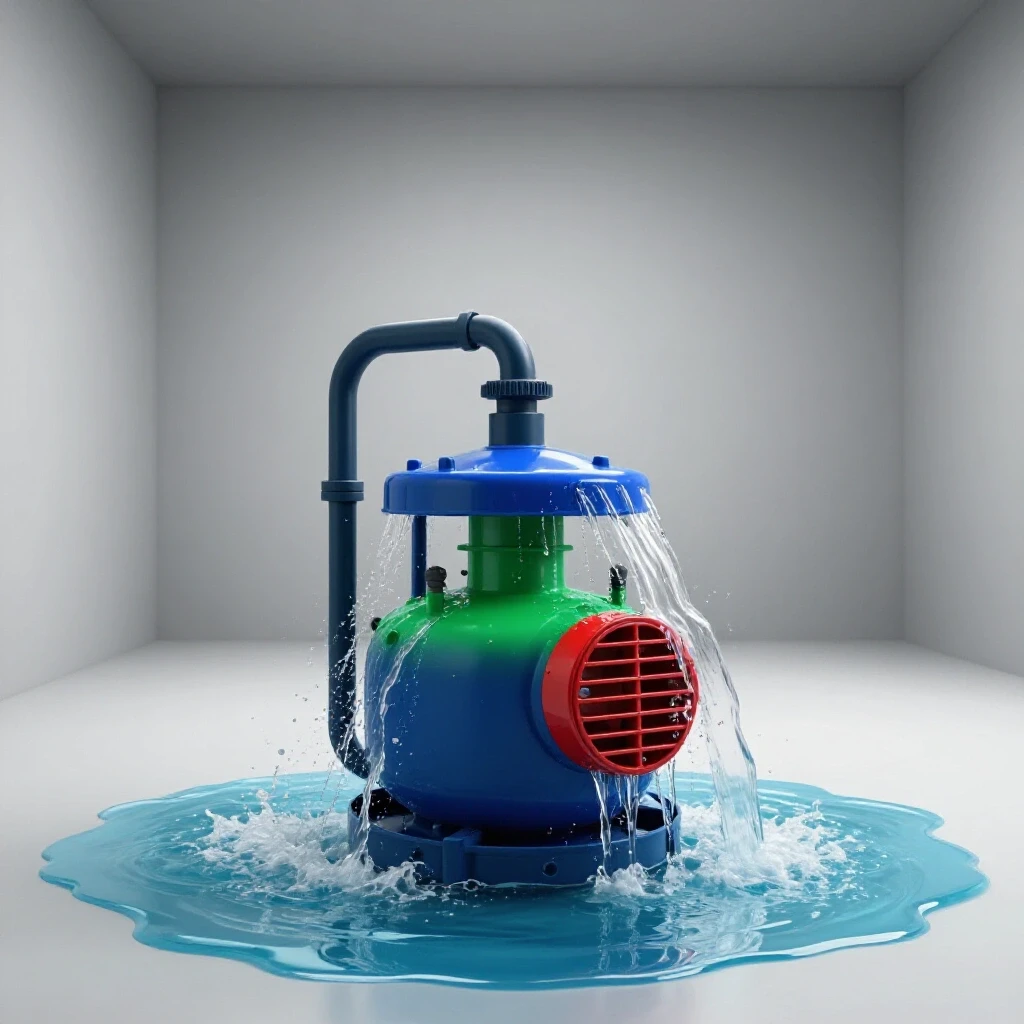
- Check the sump pump by pouring a bucket of water into the pit to ensure the float switch triggers.
- Inspect the air filter on your dehumidifier and clean it to maintain airflow efficiency.
Seasonal Tasks (Every 6 Months)
- Walk the perimeter during a heavy rainstorm to see where water is pooling.
- Check for “daylight” or drafts around basement windows and seal with high-grade silicone caulk.
Annual Tasks
- Inspect the foundation for new cracks larger than 1/8 inch.
- Flush the water heater to remove sediment, which can cause the tank to overheat and fail prematurely.
Step-By-Step Repair Execution for Damp Zones
When it comes time to actually perform a restoration, following a logical sequence ensures that you don’t trap moisture inside your new walls. This workflow focuses on cleaning, drying, and then rebuilding with a “drainage-first” mindset to ensure the longevity of your work.
- Strip the area: Remove any wet carpet, padded insulation, or moldy drywall.
- Sanitize: Use a solution of borax or a professional-grade antimicrobial to kill mold spores on the remaining studs.
- Dry the structure: Run industrial dehumidifiers until the wood moisture content is below 12%.
- Seal the slab: Use a high-quality vapor barrier or epoxy coating on the floor.
- Rebuild with resilient materials: Use steel studs or pressure-treated lumber for the bottom plates of walls.
Practical Next Steps for Homeowners
Rehabilitating a moisture-vulnerable area is a marathon, not a sprint. Start by buying a simple hygrometer to monitor your indoor air. If you find your basement is consistently above 60% humidity, you have a moisture problem that needs addressing.
Next, head outside during the next rain. If you see water “ponding” against your foundation, that is your first project. Moving dirt is cheap; replacing a collapsed foundation wall is not. By applying these building science principles, you can transform a problematic space into a durable, functional part of your home.
Frequently Asked Questions
What is the ideal humidity level for a basement?
You should aim for 30% to 50%. Anything above 60% significantly increases the risk of mold growth and dust mite infestations. In the summer, you may need a high-capacity dehumidifier to maintain these levels, especially in older homes with porous foundations.
How can I tell if a crack in my foundation is serious?
Hairline cracks (less than 1/16 inch) are often just shrinkage from when the concrete cured. However, horizontal cracks or cracks wider than 1/4 inch can indicate structural movement or excessive hydrostatic pressure. If you see these, consult a structural engineer.
Is it better to seal a basement from the inside or the outside?
Sealing from the outside is always superior because it stops water before it enters the wall. However, this is often expensive as it requires excavation. Interior sealants and drainage systems are effective at managing water that has already entered, but they don’t stop the hydrostatic pressure against the exterior.
Can I use regular paint on a basement floor?
Standard latex paint will likely peel within a year due to moisture vapor rising through the concrete. It is better to use a breathable concrete stain or a high-quality epoxy kit designed for garage or basement floors. Always perform a “plastic sheet test” first to check for rising moisture.
What is a “French drain” and do I need one?
A French drain is a trench filled with gravel and a perforated pipe that redirects groundwater away from an area. You need one if you have standing water in your yard or if water is consistently seeping through the floor-to-wall joint in your basement.
Why does my basement smell musty even if I don’t see water?
That smell is usually caused by “microbial volatile organic compounds” (mVOCs) produced by mold or bacteria. Even if you don’t see a puddle, high humidity or moisture trapped behind drywall can allow mold to thrive. Using a moisture meter can help find these hidden damp spots.
Should I insulate my basement walls?
Yes, but you must use the right type. Avoid fiberglass batts, which can trap moisture and grow mold. Instead, use rigid foam board (XPS) or closed-cell spray foam. These materials provide an R-value while also acting as a vapor retarder.
How often should I replace my sump pump?
The average lifespan of a sump pump is 7 to 10 years. I recommend replacing it every 7 years as a preventative measure, or at the very least, installing a battery-backup secondary pump to protect your home during power outages.
(This article was written by one of our staff writers, Daniel Whitaker. Visit our Meet the Team page to learn more about the author and their expertise.)