How Long Does It Take to Feel at Home After Moving (Guide)

I remember standing in the center of my third living room in ten years, surrounded by a fortress of brown cardboard boxes. The air smelled of packing tape and floor wax, and the echo of my footsteps felt cold and unfamiliar. My oversized sectional sofa, which had looked perfectly proportional in our previous suburban den, now loomed like a giant in this narrow, high-ceilinged urban space. I had a measuring tape in my hand and a growing sense of spatial vertigo, wondering if this collection of mismatched furniture would ever truly belong in this new environment.
The Evolution of Residential Belonging through Spatial Logistics
The process of spatial layout adaptation involves the intentional reorganization of physical objects and furniture to align with a new floor plan’s unique flow. It is the bridge between simply occupying a structure and creating a functional environment that supports your daily habits and physical comfort.
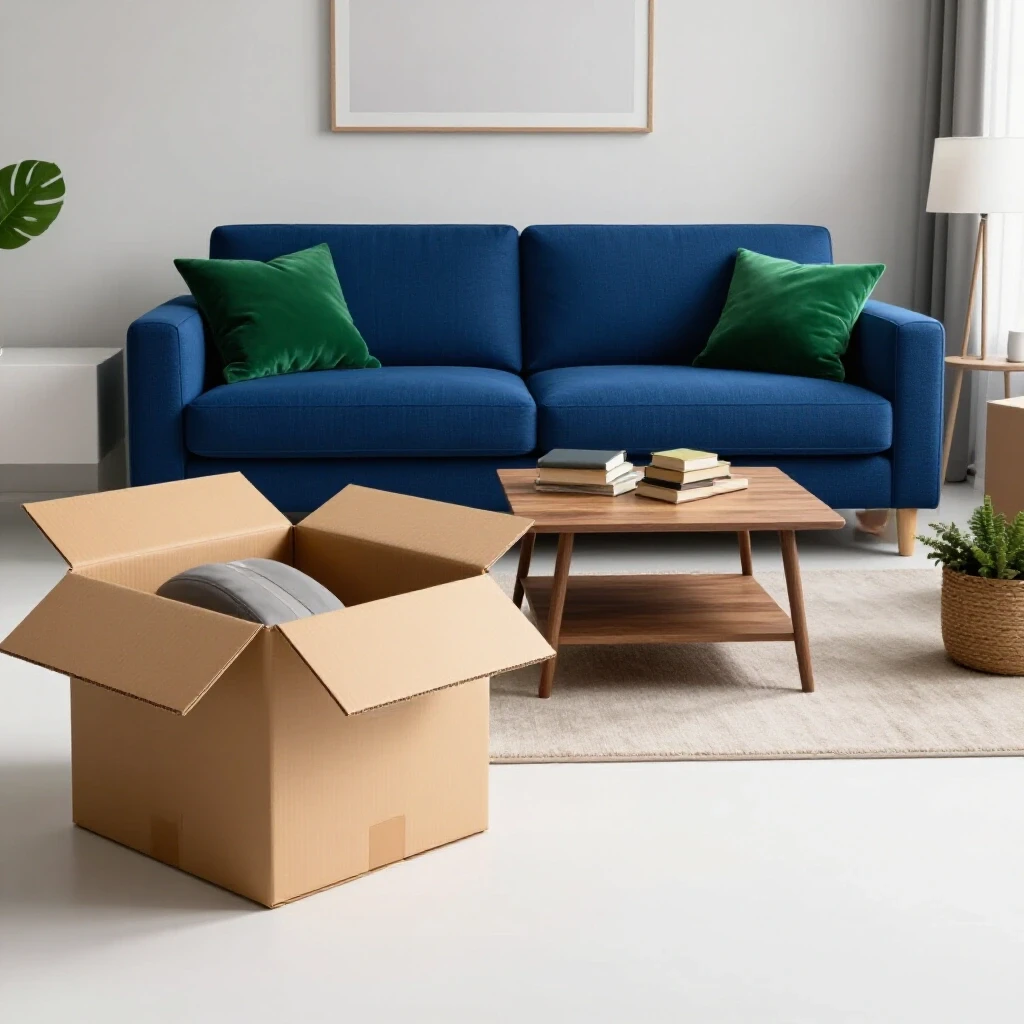
When we talk about the progression of settling in, we are really talking about the time it takes to refine the physical interaction between your belongings and your walls. In my 19 years of relocating, I have found that this doesn’t happen the moment the boxes are emptied. Instead, it occurs through a series of iterative adjustments where you test traffic patterns and visual weights. A successful home transition planning strategy acknowledges that the first layout you choose is rarely the final one.
Research into housing adaptation suggests that residents who actively modify their spaces to fit their specific needs report higher satisfaction levels within the first six months. This isn’t about expensive renovations; it’s about understanding structural scale and circulation paths. By focusing on how your body moves through a room, you can reduce the “spatial friction” that makes a new house feel like a temporary rental.
Mapping Your New Footprint: The First 72 Hours
A spatial audit is the systematic evaluation of a new room’s dimensions, light sources, and utility access points to determine the most efficient furniture placement. This step is crucial because it prevents the physical strain of moving heavy items multiple times and ensures that essential pathways remain unobstructed.
I have learned the hard way that guessing where a bed should go is a recipe for a sore back and a cramped room. During our move to a 1,200-square-foot bungalow, I spent the first afternoon mapping the “circulation paths”—the invisible highways we walk every day. In any new home adjustment guide, the primary rule is to maintain 30 to 36 inches of clearance for major walkways and 18 inches between coffee tables and seating.
- Standard Clearance Margins:
- Hallways and major traffic lanes: 36 inches.
- Dining chair pull-out space: 24 inches from the table edge.
- Entryway landing zones: 48 inches of unobstructed floor space.
Building on this, I recommend using a digital space-planner or even simple painter’s tape on the floor before you slide a single dresser. Interestingly, seeing the physical outline of your furniture on the floor helps your brain process the scale of the room without the visual clutter of the actual items. This reduces the immediate stress of the move by providing a clear, actionable blueprint.
Why Blind Furniture Placement Fails and How to Plan Your Layout
A spatial layout blueprint is a visual representation of how furniture interacts with the fixed elements of a room, such as windows, doors, and outlets. Drafting this plan allows you to identify potential “choke points” where furniture might block natural light or impede movement before you commit to a heavy setup.
In our second relocation, we tried to force a king-sized headboard into a room with a low, sloped ceiling. As a result, we couldn’t open the closet doors fully. This is a classic example of failing to account for “functional clearance.” When you are working on a small room furniture layout, every inch counts. You must prioritize the primary function of the room—sleeping, eating, or working—and let the secondary items fill the remaining gaps.
| Feature | Compatibility Metric | Adjustment Strategy |
|---|---|---|
| Large Sectional | Requires 36″ walk-around space | Split modules or angle toward the focal point |
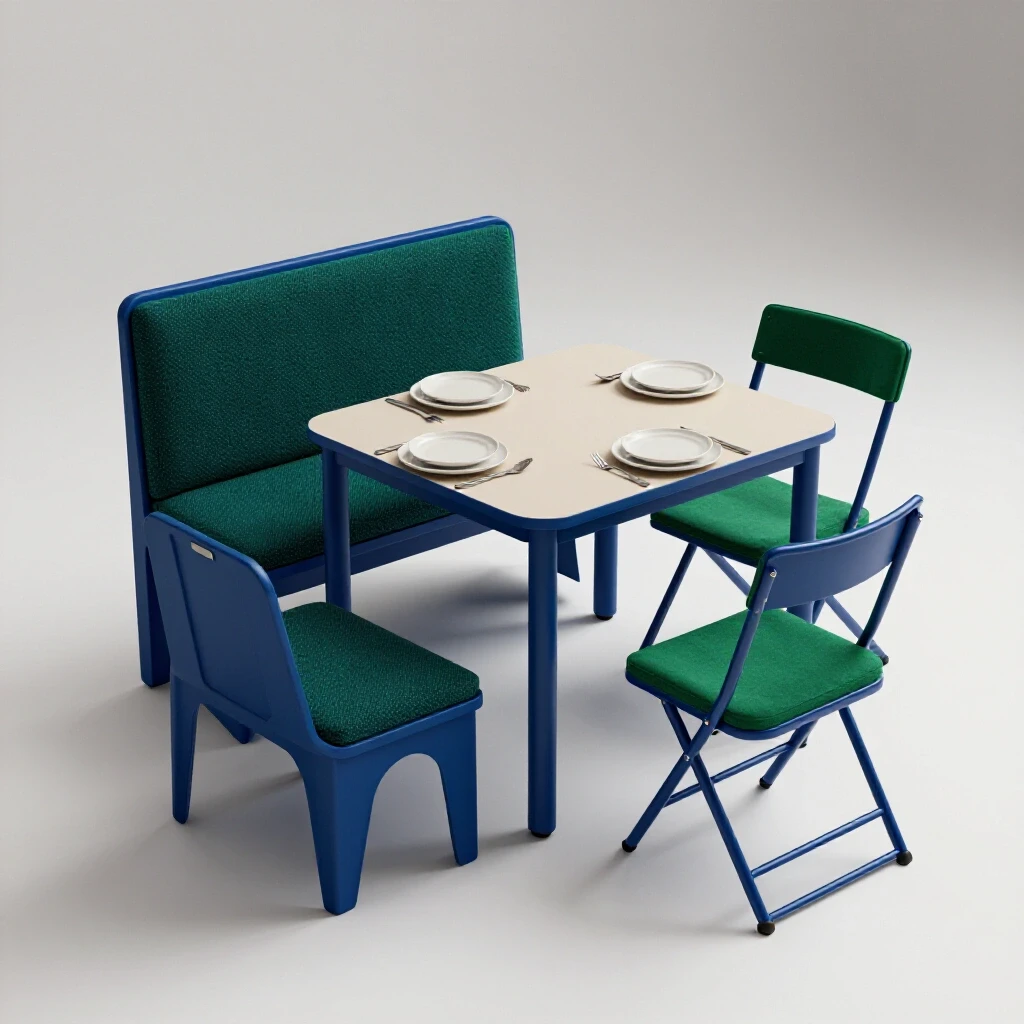
| Dining Table | 24″ per person + 36″ perimeter | Use a drop-leaf or circular table for tight nooks |
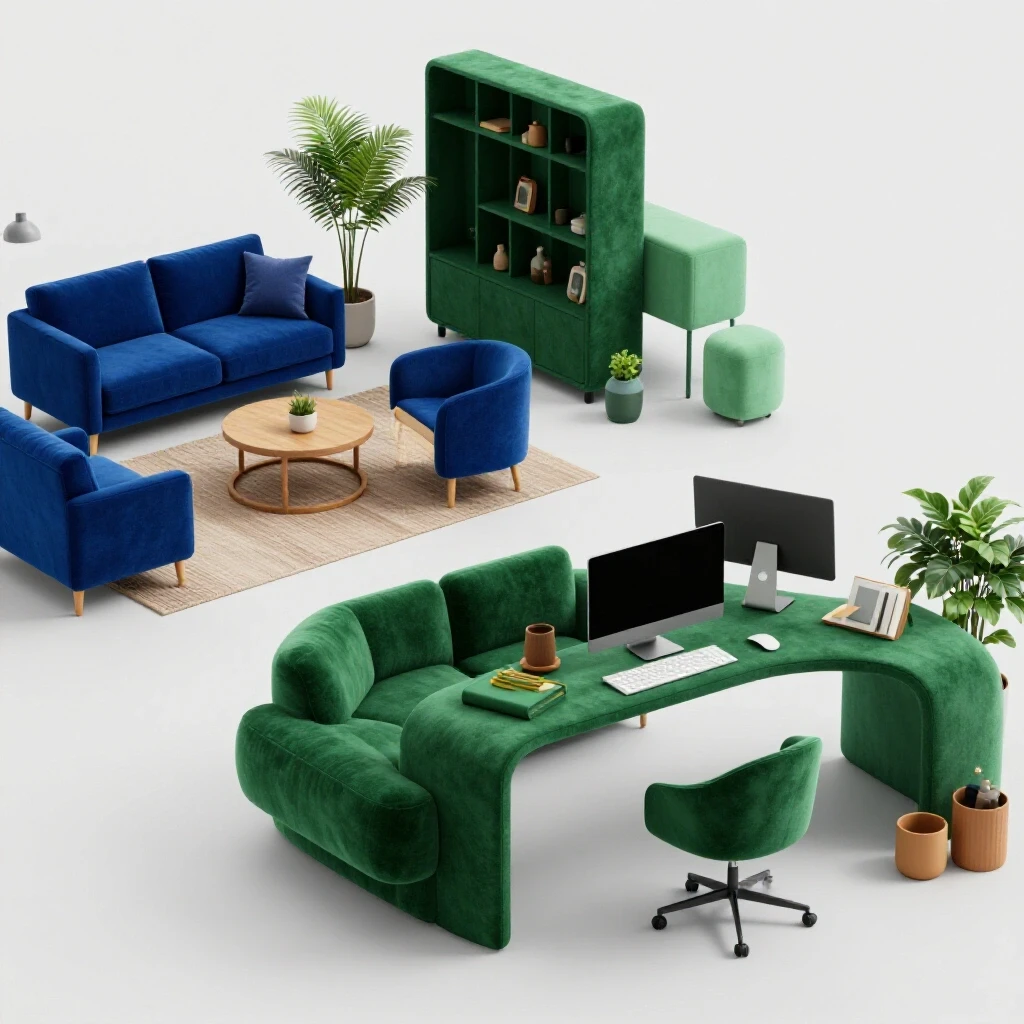
| Home Office Desk | Needs proximity to outlets/windows | Place perpendicular to windows to reduce screen glare |
| Bookshelves | Visual weight can shrink a room | Use vertical height; anchor to walls for safety |
Adapting Existing Furniture to Awkward Dimensions
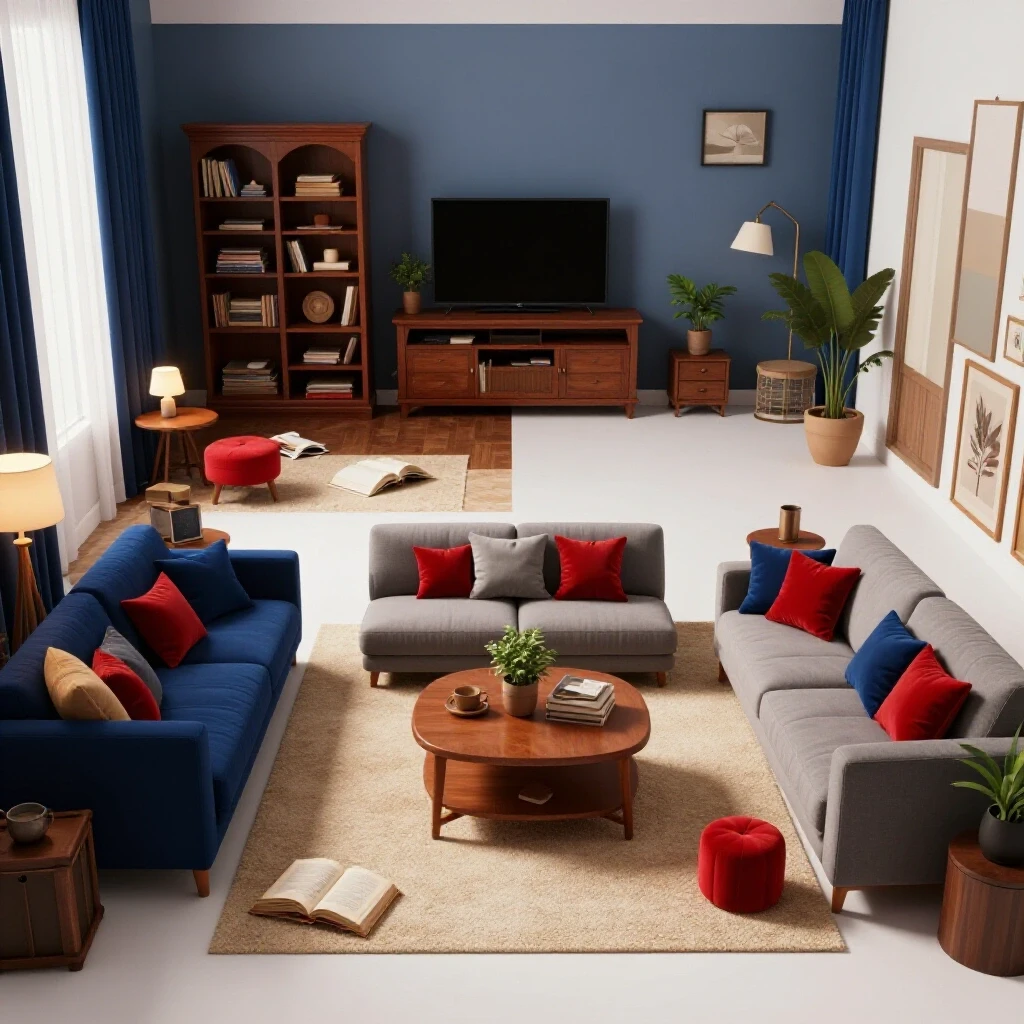
Functional zoning is the practice of dividing a single room into distinct areas based on the activities that occur there, using furniture as “soft walls.” This technique is especially helpful in modern open-concept layouts or older homes with strange, non-linear floor plans that defy traditional arrangements.
During a cross-country move, we transitioned from a house with many small rooms to one with a single, massive “great room.” It felt cavernous and cold until I applied zoning principles. I used our existing area rugs to define the boundaries of the living area versus the dining area. By placing the back of our sofa toward the dining table, I created a physical “corridor” that guided guests through the space without cutting through the middle of the seating arrangement.
To optimize awkward spaces, consider the “visual weight” of your pieces. If one side of the room has a heavy fireplace and a dark bookshelf, balance the other side with a lighter-colored armchair or a floor lamp. This creates a sense of equilibrium that helps the room feel “settled.” My personal documentation of layout experiments shows that rooms with balanced visual weight feel more comfortable to inhabit within the first 30 days.
The Three-Phase Comfort Progression
The timeline for achieving functional ease in a new residence is generally divided into three distinct stages: the initial setup, the iterative adjustment, and the final integration. Each phase requires different levels of physical labor and spatial observation to move from a state of transition to a state of routine.
- Phase 1: The Functional Foundation (Days 1–14): Focus on “high-impact” zones like the kitchen and bedrooms. During this phase, your home moving checklist should prioritize unpacking the items that facilitate sleep and hygiene. I always suggest setting up the bed first; having a designated place to rest reduces the psychological toll of living among boxes.
- Phase 2: The Iterative Refinement (Weeks 3–8): This is when you live with your initial layout and notice the annoyances. Maybe the light switch is blocked by a cabinet, or the trash can is too far from the prep area. I use this time to shift furniture by a few inches or swap rugs between rooms to find the most natural flow.
- Phase 3: The Aesthetic Integration (Months 3–6): Once the layout is functional, you can focus on the DIY crafts and decor that personalize the space. Hanging art and photos is the final step because it anchors the furniture to the walls. In my experience, a room doesn’t feel complete until the “eye-level” details are in place.
Designing Daily Systems for Long-Term Ease
Daily routine design involves creating specific “landing zones” and “work stations” that align with your family’s habits to minimize clutter and maximize efficiency. By building these systems into your physical layout, you ensure that the house works for you, rather than you working to maintain the house.
When we moved with our growing family, the “mudroom” was just a small corner by the back door. To make it work, I installed a row of low hooks for the kids and a dedicated basket for mail. This simple spatial adaptation prevented the “entryway explosion” that often happens during the first month of a move. Standard ergonomics suggest placing frequently used items between knee and shoulder height to reduce physical strain.
- Kitchen System: Keep coffee supplies within 24 inches of the water source.
- Laundry System: Ensure a 36-inch clearance in front of front-loading machines for easy access.
- Charging Station: Designate a single 12-inch surface for all electronics to reduce cord clutter.
As a result of these small systems, our daily lives became predictable again. Building community in unfamiliar neighborhoods also starts with these routines. When your home is organized, you have the energy to step outside, meet the neighbors, and explore the local parks.
Community Integration via Spatial Awareness
Neighborhood community building is the process of extending your sense of belonging beyond your front door by identifying local resources and establishing a physical presence in the area. This is the final layer of a successful transition, where the exterior environment becomes as familiar as your interior layout.
I recommend creating a “community map” during your first month. Identify the nearest grocery store, pharmacy, and park. Walk these routes instead of driving them whenever possible. This slower pace allows you to notice the details of the neighborhood—the neighbor with the beautiful garden or the best local coffee shop. In our last move, I made it a point to spend 20 minutes each evening on the front porch. This simple act of being visible led to more introductions in two weeks than we had in two months at our previous home.
Actionable Tools for Spatial Planning
To streamline your transition, utilize modern tools that take the guesswork out of layout design. These resources help you visualize the end result before you lift a heavy box.
- MagicPlan: A mobile app that uses your phone’s camera to create floor plans simply by scanning the room.
- Roomstyler: A 3D planner that allows you to drag and drop furniture into a virtual version of your new home.
- The “Box Inventory” Method: Label every box with a number and a corresponding list in a digital spreadsheet. This allows you to find your “spatial essentials” without opening every container.
- Furniture Templates: Cut out paper shapes scaled to your furniture (e.g., 1 inch = 1 foot) and move them around a printed floor plan.
- Trello or Notion: Use these for a digital home moving checklist to track tasks like “measure window widths” or “buy felt pads for chair legs.”
Summary of Transition Metrics
| Task | Recommended Timeline | Key Metric |
|---|---|---|
| Spatial Audit | Before Unpacking | 100% of rooms measured |
| Bedroom Setup | Day 1 | 8 hours of sleep capacity |
| Kitchen Zoning | Days 2–4 | “Work triangle” (sink/stove/fridge) established |
| Layout Tweaks | Weeks 2–4 | 36″ walkways maintained |
| Hanging Art | Months 2–3 | Eye level (approx. 57″ from floor) |
Establishing a sense of belonging in a new space is a marathon, not a sprint. It requires a blend of logistical precision and the patience to let the house “speak” to you. By focusing on the physical flow and the functional needs of your family, you can turn a collection of rooms into a supportive environment. Start with the measurements, respect the clearance margins, and give yourself the grace to move the sofa one more time until it feels just right.
Frequently Asked Questions
How do I know if my old furniture is too big for the new house? Measure the “footprint” of the furniture and add 30 inches of clearance on at least two sides. if the piece consumes more than 40% of the total floor area of a room, it will likely feel overwhelming and impede movement.
What is the “Golden Rule” for furniture placement in small rooms? Prioritize vertical space. Use tall bookshelves and wall-mounted lighting to draw the eye upward. This leaves the floor clear for essential walkways and makes the room feel larger than its actual square footage.
How long does the “unsettled” feeling typically last? Most families report a significant shift in comfort after the 8-week mark. This coincides with the completion of the “Iterative Refinement” phase, where major layout issues have been identified and corrected.
Is it worth it to buy new furniture immediately after a move? I suggest waiting at least 30 days. Living in the space allows you to see how the natural light changes and how you actually use the rooms. You might find that the “reading nook” you planned is actually the best spot for a home office.
How can I make an awkward, long, narrow room feel functional? Divide the room into two distinct “zones” using a rug or a low console table. For example, one half can be a seating area, while the other serves as a workspace or play area. This breaks up the “bowling alley” effect.
What are the most common layout mistakes movers make? The most frequent errors include pushing all furniture against the walls (which can make a room feel cold), blocking natural light sources, and ignoring the “path of least resistance” for walking through the house.
How do I handle a kitchen that has half the storage of my old one? Utilize “vertical zoning.” Place items you use daily (like plates and mugs) on the lowest shelves. Items used once a month go on the highest shelves, and seasonal items (like holiday platters) can be stored in a labeled bin in a closet or garage.
What should be on my “Day One” essentials list for spatial comfort? Your list should include a measuring tape, a basic tool kit, curtains or temporary blinds for privacy, bed linens, and a dedicated “charging zone” for your phones and tablets.
How do I integrate into a neighborhood if I work from home? Set a “spatial routine” that takes you outside. Visit the same coffee shop at the same time twice a week, or take a walk during your lunch break. Consistency is the key to being recognized and eventually engaged by your new neighbors.
What is the best way to arrange a living room for both TV and conversation? Use a “U-shaped” or “L-shaped” seating arrangement. Place the TV on a wall that isn’t directly opposite a large window to avoid glare, and ensure that the chairs are angled toward each other to encourage face-to-face interaction.
(This article was written by one of our staff writers, Kevin Thompson. Visit our Meet the Team page to learn more about the author and their expertise.)