How to Arrange a Small Bedroom for Maximum Space (Step-by-Step)

According to the American Psychological Association, moving is one of the most stressful life events a person can experience. Over the last 19 years, I have navigated four major relocations with my family. We have moved across state lines and shifted between very different types of homes. One of the hardest lessons I learned was that a successful move is not just about getting boxes into a house. It is about how you organize those boxes and furniture to fit a specific footprint. When we moved into a rental with a bedroom under 120 square feet, I realized that my old habits had to change. I had to learn how to adapt our life to a much smaller scale.
Preparing for the Move: The Spatial Audit
Spatial layout adaptation begins with a rigorous audit of your new room’s physical boundaries. This process involves measuring every wall, door swing, and window height to ensure your current furniture fits without blocking essential traffic paths or natural light sources in a compact environment.
Before you even pack a single box, you need to know the numbers. In my second move, I assumed our queen-sized bed would fit anywhere. I was wrong. We ended up blocking a closet door for three months because I didn’t measure the “swing zone.” A spatial audit prevents these headaches. You should use a digital floor plan tool or a simple piece of graph paper. Mark the locations of outlets, heaters, and windows. This is the first step in your home moving checklist.
Why Blind Furniture Placement Fails
Drafting a layout blueprint before you arrive prevents physical exhaustion and helps you decide what to sell or donate. Without a plan, you will likely move heavy dressers multiple times, which increases stress and the risk of damaging your new walls.
When you move without a plan, you tend to “eyeball” the space. In a small room, a two-inch error can make a drawer impossible to open. I remember spending four hours moving a heavy oak desk in our third home, only to find it blocked the heater. If I had drafted a blueprint first, I would have known that the desk was too deep for that specific wall. Planning allows you to visualize the circulation paths—the “hallways” inside your room—before you arrive.
The Spatial Blueprint Compatibility Matrix
This matrix helps you compare your current furniture against the reality of a small room footprint. It allows you to see which pieces are functional and which will cause “spatial friction” in your new home.
| Furniture Item | Footprint (Sq Ft) | Required Clearance | Compatibility Status |
|---|---|---|---|
| Queen Bed | 33 sq ft | 24 inches on sides | High Priority |
| Standard Dresser | 8 sq ft | 36 inches for drawers | Low (Consider Tall) |
| Nightstand | 2 sq ft | 0 inches | High (If slim) |
| Desk | 10 sq ft | 30 inches for chair | Medium |
| Armchair | 9 sq ft | 12 inches | Low (Likely crowds) |
Mapping Furniture to Compact Scales
Scaling furniture for limited square footage involves evaluating the visual and physical weight of each piece. It focuses on selecting items that serve multiple purposes while maintaining enough open floor space to allow for comfortable movement and daily functional routines.
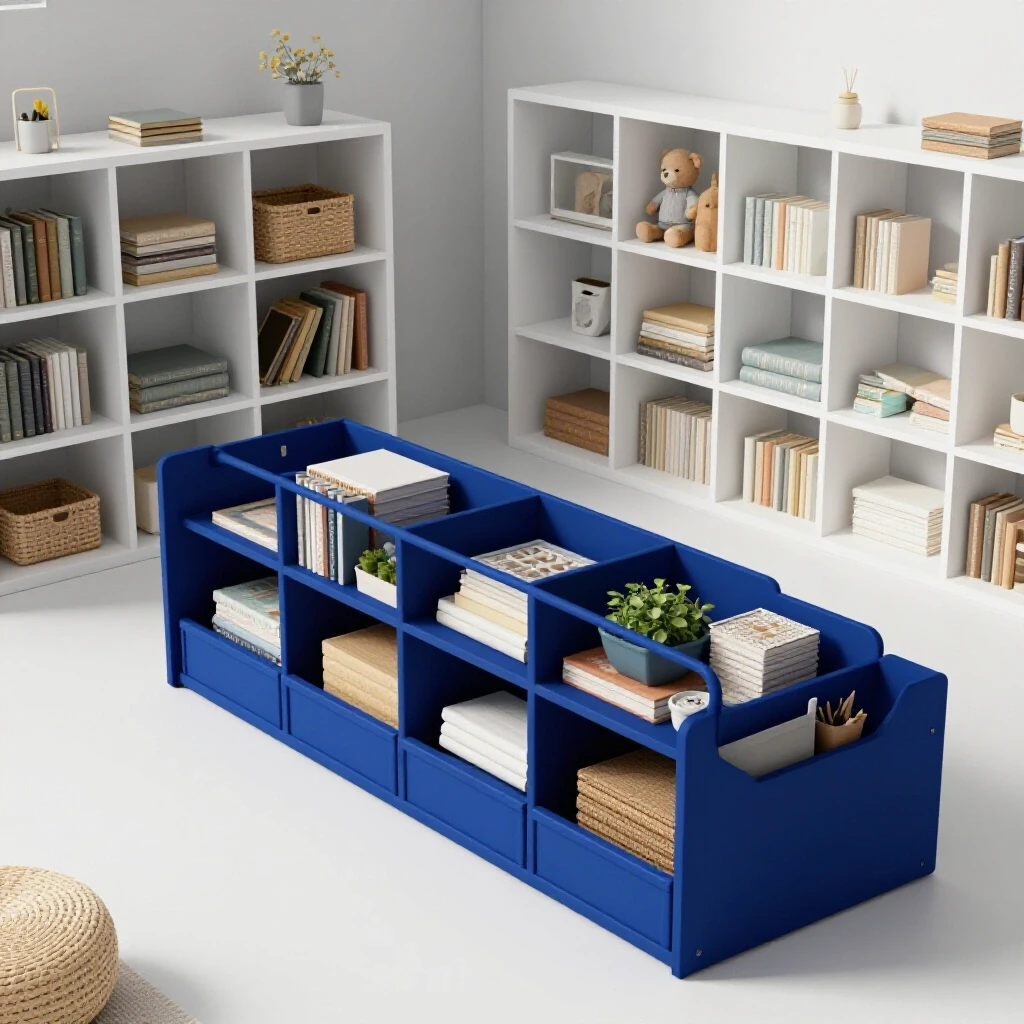
In a small room, every inch of floor space is valuable. During our move to a 110-square-foot bedroom in Chicago, we had to leave our wide dresser behind. We replaced it with a tall, narrow “lingerie chest.” This shift is part of a smart small room furniture layout strategy. You want to move the “bulk” of your storage from the floor to the walls. This creates a feeling of openness even when the room is technically crowded.
Small Room Furniture Layout Strategies
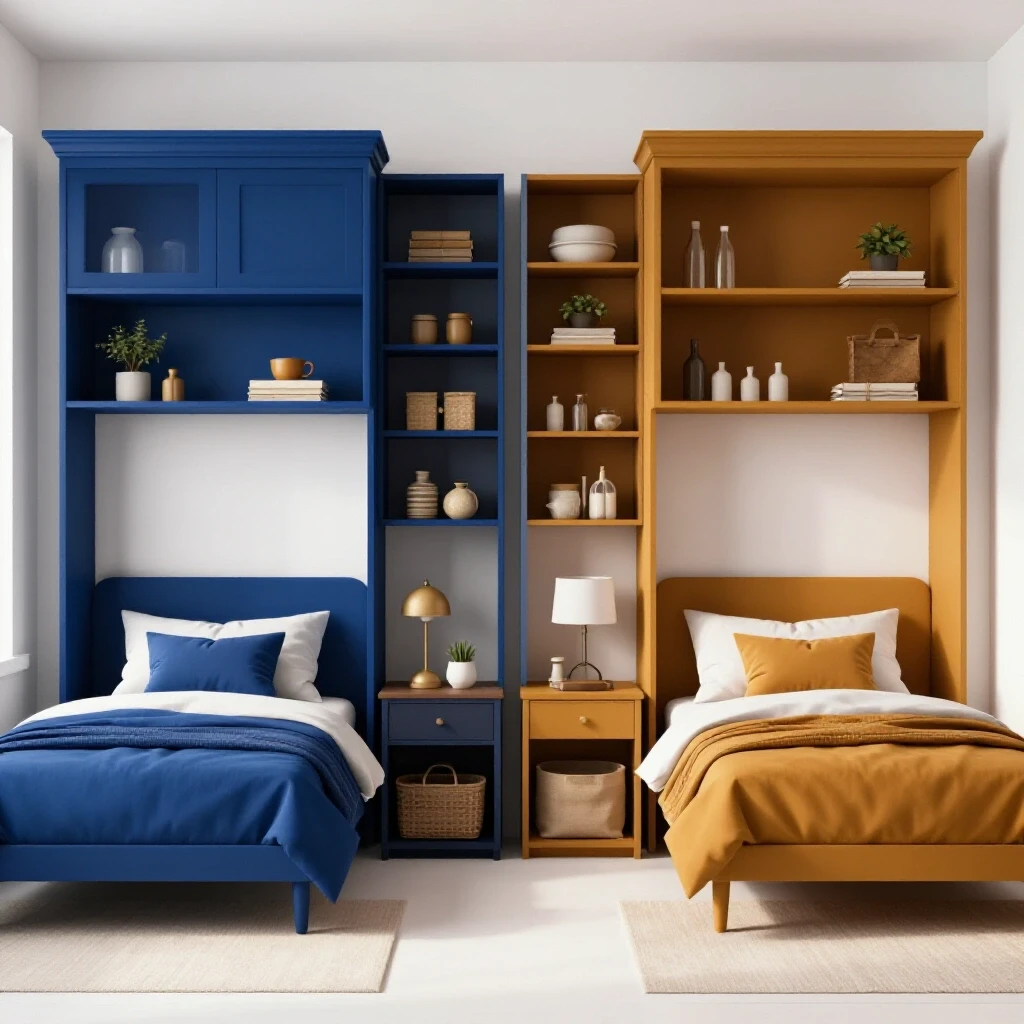
A functional layout relies on maintaining clear “traffic lanes” and ensuring that every piece of furniture has a purpose. By prioritizing the bed and then building around it, you can create a room that feels organized rather than cramped.
- Place the bed against the longest wall to maximize floor space.
- Keep at least 30 to 36 inches of clearance for main walking paths.
- Use furniture with legs to see more of the floor, which tricks the eye into seeing more space.
- Ensure 24 inches of space exists between the bed and the wall for easy bed-making.
- Use “floating” shelves instead of bulky bedside tables to save floor area.
Solving Awkward Floor Plans
Adapting to irregular room shapes requires creative zoning to maximize utility in corners or alcoves. By identifying primary zones for sleep, dressing, and storage, you can turn architectural quirks into functional assets that support a smoother home transition planning process.
Awkward rooms often have “dead zones” like deep corners or spaces under low windows. In our fourth move, the bedroom had a strange alcove that seemed useless. Instead of ignoring it, we turned it into a dedicated “dressing zone” by adding a slim mirror and a row of wall hooks. This kept our clothes off the bed and the floor. When you treat each corner as a specific zone, the room starts to function like a much larger space.
Furniture Clearance Guidelines by Room Footprint
These guidelines ensure you have enough room to move around without feeling trapped. Following these standard measurements helps maintain a comfortable daily living environment during your new home adjustment guide.
- Bed to Wall: 24–30 inches for walking and cleaning.
- Dresser to Bed: 36 inches to allow drawers to open fully.
- Desk Chair Pull-out: 30 inches from the edge of the desk.
- Door Swing: 36 inches of unobstructed arc.
- Entryway Path: 36 inches to allow for carrying laundry or bags.
Unpacking and Setting Up Daily Systems
A structured unpacking plan focuses on setting up the most important functional areas first to reduce immediate stress. By establishing a “first-night” zone and then systematically organizing storage, you can begin to feel at home much faster.
The first 48 hours in a new home are the most difficult. I always suggest unpacking the bedroom first. Having a clean, organized place to sleep makes the rest of the moving logistics feel manageable. We use a “spatial storage volume” approach. This means we unpack items into their permanent homes immediately rather than leaving them in boxes. If a box doesn’t have a home in the new layout, it goes to the garage or a donation pile.
First-Month Spatial Adjustment Timeline
Adjusting to a new layout takes time. This timeline helps you manage your expectations and gives you permission to change things if the initial setup doesn’t work for your daily routine.
- Days 1–3: Focus on the “Sleep Zone.” Get the bed assembled and walkways clear.
- Days 4–7: Organize the “Storage Zone.” Unpack closets and dressers.
- Days 8–14: Fine-tune the “Work/Rest Zone.” Adjust desk or chair placement based on light.
- Days 15–30: Evaluate the flow. If you keep tripping over a rug or bumping a corner, move the furniture.
Building Community and Routines
Neighborhood community building is the final step in a successful transition. Once your physical space is functional, you can focus on establishing routines that connect you to your new surroundings and reduce the feeling of isolation.
Moving is lonely. Even if you have a family, you can feel out of place in a new neighborhood. I found that our “inside” comfort depended on our “outside” connections. Once our small bedroom was set up, I made a point to walk the neighborhood at the same time every day. This helped me meet neighbors and find the local coffee shop. Integrating yourself into the community is just as important as fitting your bed into a small room.
- Join a local social media group to ask for hardware store or grocery recommendations.
- Introduce yourself to at least three neighbors within the first two weeks.
- Find a “third space” like a park or library where you can spend time outside the house.
- Stick to your old morning routines as much as possible to provide a sense of stability.
- Host a small “open house” or “pizza night” to invite people into your new space.
Actionable Tools for Your Transition
To make your move easier, I recommend using specific tools that help with mapping and logistics. These resources have been vital in my own relocations to ensure that our spatial layout adaptation is grounded in reality.
- MagicPlan: An app that uses your phone camera to create a floor plan of your new room in minutes.
- Floorplanner.com: A web-based tool for dragging and dropping furniture into a virtual room to check for clearance.
- Sortly: A visual inventory app that helps you track what is in every box and where it should go in the new layout.
- Trello: I use this for my home moving checklist. You can create columns for “To Pack,” “In Transit,” and “Unpacked.”
- Painter’s Tape: This is the most important low-tech tool. Tape out the footprint of your furniture on the floor of your new room before you move the actual pieces.
Conclusion
Transitioning into a small bedroom requires a mix of math and patience. By performing a spatial audit, respecting clearance margins, and being willing to adjust your layout after the first month, you can create a space that supports your life rather than complicating it. Remember that a home is a work in progress. It took us nearly three months in our last move to figure out that the bed worked better under the window than against the side wall. Give yourself the grace to experiment. Start with the basics—clear walkways and a functional sleep zone—and the rest of your new routine will follow.
Frequently Asked Questions
How do I know if my dresser is too big for a small bedroom? Measure the depth of the dresser and add 36 inches for the drawer extension and your body. If this total exceeds the available floor space between the wall and the bed, the dresser is too large. In small rooms, tall chests (highboys) are usually better than wide dressers because they use vertical space.
What is the best way to handle a room with multiple doors and windows? Focus on the “primary wall,” which is the longest wall without a door. This is usually where the bed should go. For windows, try to avoid blocking them with tall furniture. If you must place a bed under a window, ensure the headboard is low enough to let light in.
How can I make a 100-square-foot room feel less cramped? Use furniture with exposed legs to show more floor area. Keep the color palette light and use mirrors to reflect light. Most importantly, keep the 30-36 inch traffic lanes clear. Clutter on the floor is the fastest way to make a small room feel tiny.
Should I use a rug in a small bedroom layout? Yes, but size matters. A rug that is too small makes the room look choppy. Choose a rug that fits under the bottom two-thirds of the bed and extends at least 18-24 inches on the sides. This anchors the room and makes the floor space feel unified.
What should I do if my existing furniture just doesn’t fit? Be honest about your needs. If a piece blocks a walking path or a door, it has to go. Sell it or store it. It is better to have a room with fewer pieces of furniture that fits well than a room full of items that make daily life difficult.
How do I manage the stress of living in boxes during the transition? Set a “one box a day” rule after the first week. Focus on the bedroom first so you have a sanctuary. Once the bedroom is clear of boxes, your stress levels will naturally drop because you have a place to escape the moving chaos.
What are the most common layout mistakes in small rooms? The biggest mistake is pushing all furniture against the walls, which can sometimes create an awkward “empty middle” that feels cold. Another mistake is ignoring door swings and heater locations. Always use painter’s tape to map out the floor before moving heavy items.
Is it okay to put a desk in a small bedroom? It is possible if you use a “ghost chair” (clear plastic) or a stool that tucks completely under the desk. This keeps the visual weight low. Ensure you have 30 inches of clearance behind the desk so you can actually sit down and get up comfortably.
How do I deal with a lack of closet space in a new, smaller home? Look up. Use the space above your bedroom door for a shelf, or use under-bed storage containers. In a small room, your “spatial storage volume” must include the space under the bed and the top third of the walls.
How long does it typically take to feel “at home” after a move? Research suggests it takes about three to six months to fully adjust to a new environment and routine. Don’t rush the process. Your first layout is a draft; you will likely make small changes as you discover how you actually use the room.
(This article was written by one of our staff writers, Kevin Thompson. Visit our Meet the Team page to learn more about the author and their expertise.)