How to Make a Small Dining Area Functional (Step-by-Step Guide)

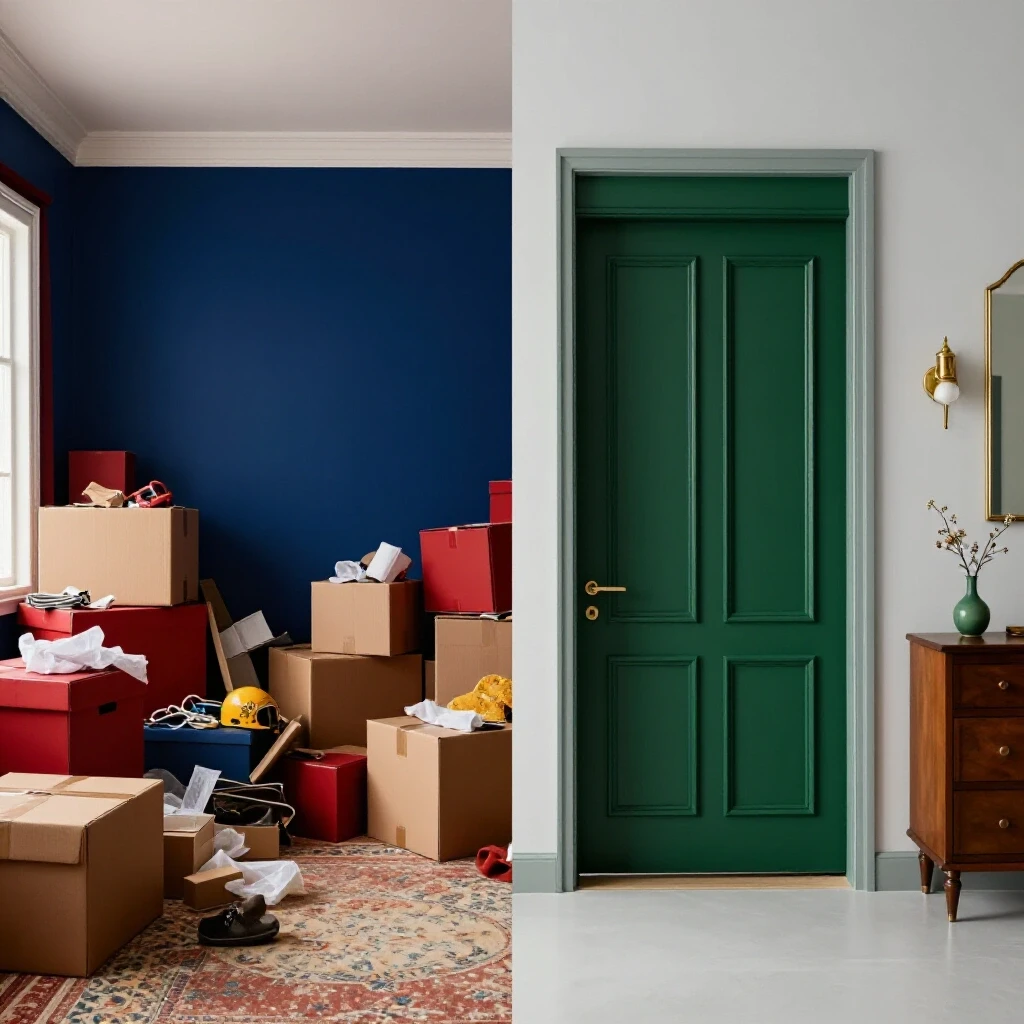
In my third cross-country move, I stood in a narrow corner of our new apartment that was designated as the eating area. It was little more than a wide spot in a walkway, cluttered with unopened boxes and a table that felt two sizes too large. Fast forward six weeks, and that same corner functioned as a streamlined hub for family meals, homework, and morning coffee. The transition from a chaotic storage zone to a high-functioning environment required a shift in how we viewed our floor plan and furniture.
Making a compact residential eating zone work effectively involves more than just pushing a table against a wall. It requires a deep understanding of spatial layout adaptation, which is the process of modifying how you use your physical environment to meet your daily needs. When you move, you aren’t just shifting boxes; you are recalibrating your life to fit a new footprint. By focusing on measurable improvements in furniture arrangement and traffic flow, you can turn a cramped nook into a cornerstone of your home.
Understanding Spatial Layout Adaptation in Compact Zones
Spatial layout adaptation refers to the strategic arrangement of furniture and objects to maximize the utility of a room’s footprint. This process is essential because it addresses the physical constraints of a new home while supporting the natural movements of the people living there. In a dining context, it means ensuring every inch of floor space serves a purpose without making the room feel crowded.
Transitioning into a new home often brings a sense of “spatial friction,” where your old habits don’t quite fit the new walls. Why do we prioritize this adaptation? Because a well-organized layout reduces the daily stress of navigating your home. When you don’t have to squeeze past a chair to get to the door, your home starts to feel like a sanctuary rather than a logistics puzzle.
The Role of Structural Scale and Circulation Paths
Before moving a single piece of furniture, you must analyze the structural scale of the area. This involves looking at the actual dimensions of the walls and how they relate to the size of your belongings. Circulation paths are the “invisible hallways” people use to walk through a room. In a small eating area, these paths are often the first thing to be compromised, leading to a cramped feeling.
- Structural Scale: The ratio of furniture size to the available square footage.
- Circulation Paths: Clear routes that allow for at least 30 to 36 inches of walking space.
- Layout Zoning: Defining specific areas for eating, storage, or work within a single footprint.
Mapping Furniture to New Scales: The Foundation of a Functional Nook
One of the biggest challenges in home transition planning is making existing furniture fit into a smaller or differently shaped room. During my moves, I learned that a table that worked in a suburban dining room often failed in a city apartment. The key is to evaluate the “visual weight” of your pieces—how much space they seem to take up, regardless of their actual inches.
A successful small room furniture layout relies on choosing pieces that offer high utility with a low physical profile. For example, using a pedestal table instead of one with four legs can reclaim several inches of legroom and make the area feel more open. This phase of the move is about being honest with what fits and what needs to be adapted or replaced to support your new lifestyle.
Furniture Clearance Guidelines by Room Footprint
To ensure the area remains usable, you must follow specific clearance margins. These measurements are based on ergonomics research and housing adaptation studies that suggest how much space the human body needs to move comfortably.
| Feature | Minimum Clearance | Recommended Clearance |
|---|---|---|
| Chair Pull-out | 24 inches | 32 inches |
| Walking Path behind Chair | 30 inches | 36 inches |
| Table to Wall Margin | 36 inches | 42 inches |
| Entryway Access | 32 inches | 36 inches |
Why Blind Furniture Placement Fails—And How to Draft Your First Spatial Layout Blueprint
Many movers make the mistake of placing furniture based on where they think it should go, rather than where it functions best. This “blind placement” often leads to blocked outlets, obscured natural light, or cramped walkways. A spatial layout blueprint is a simple overhead sketch of your room that allows you to experiment with arrangements before you start lifting heavy objects.
I recommend using a home moving checklist that includes a measurement phase. Measure your table, chairs, and any storage units. Then, use painter’s tape on the floor of your new home to outline where these pieces will sit. This physical “mock-up” helps you visualize the flow of the room and identify potential bottlenecks before they become permanent frustrations.
Steps for Creating Your Spatial Blueprint
- Measure the Perimeter: Record the length of every wall, including windows and doorways.
- Identify Fixed Elements: Mark the location of floor vents, radiators, and electrical outlets.
- Map Traffic Flow: Draw arrows showing how you move from the kitchen to the eating area and beyond.
- Test Configurations: Use the painter’s tape method to try at least three different layouts.
Optimizing Awkward Floor Plans for Better Daily Flow
Not every home comes with a perfectly square dining room. Many transitional residents deal with “pass-through” spaces or narrow alcoves. To make these areas useful, you have to embrace the unique shape of the room rather than fighting against it. This might mean placing a rectangular table flush against a wall to create a “booth” feel, or using a round table to soften the angles of a sharp corner.
In my experience, the most effective way to handle an awkward layout is to create a “focal point” that draws the eye away from the room’s limitations. This can be achieved through cohesive styling choices, such as a large piece of art or a low-hanging light fixture. By grounding the space visually, you make the layout feel intentional rather than accidental.
Spatial Blueprint Compatibility Matrix
When evaluating your furniture against a new floor plan, use this matrix to determine the best fit for your specific room shape.
| Room Shape | Best Table Style | Layout Strategy |
|---|---|---|
| Narrow/Long | Rectangular or Oval | Parallel to the longest wall |
| Square | Round or Square | Centered with equal clearance |
| Open Concept | Round Pedestal | Use a rug to define the zone |
| Corner Nook | L-Shaped Bench | Maximize wall seating |
Integrated Storage Solutions for Multi-Functional Eating Spaces
In a smaller home, the eating area often has to work twice as hard. It might serve as a home office during the day and a dinner spot at night. To support this, integrated storage is essential. Look for furniture that offers hidden compartments or vertical shelving that doesn’t consume valuable floor space.
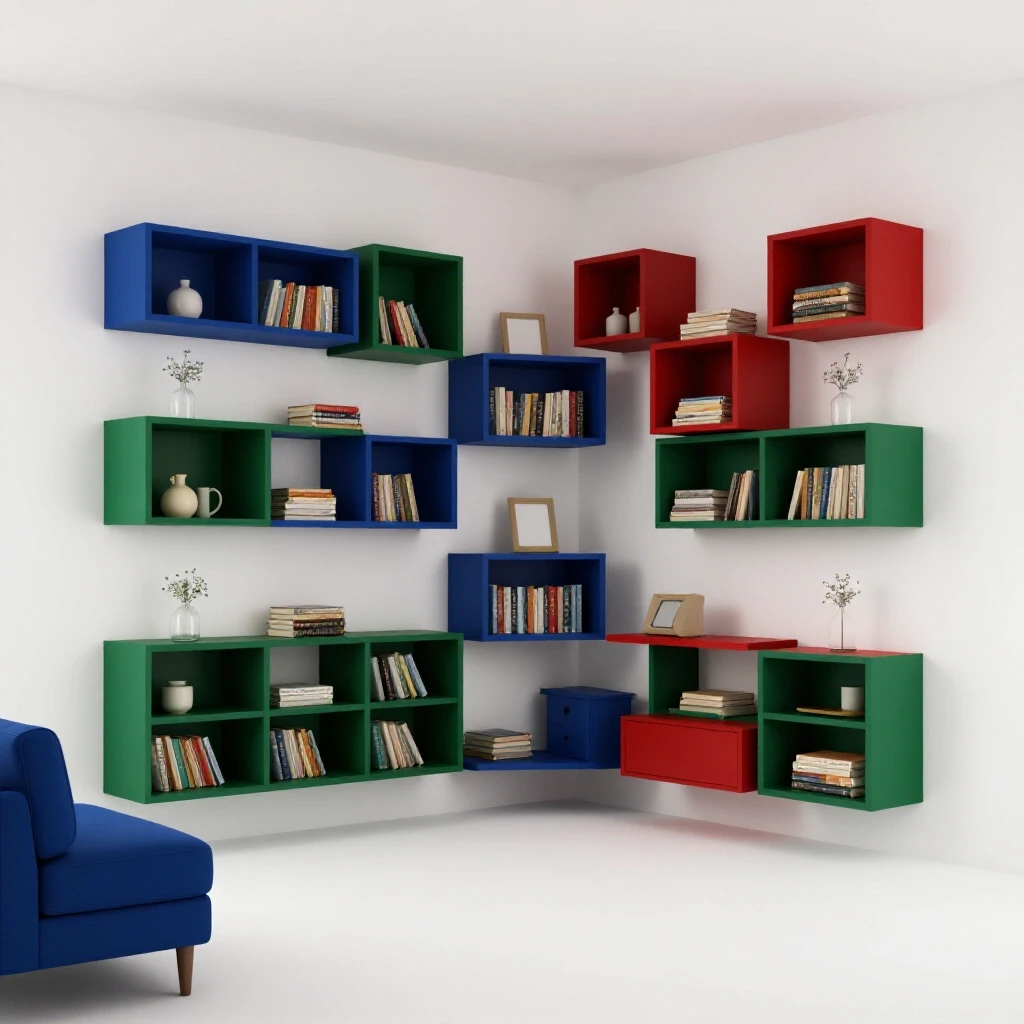
A slim sideboard or a set of floating shelves can hold linens, extra plates, or even office supplies. This keeps the table surface clear and ready for its primary use. During our move to a smaller townhouse, we swapped a bulky china cabinet for a wall-mounted shelving system. This single change opened up 12 square feet of floor space, making the entire room feel larger and more organized.
Establishing New Home Routines Through Thoughtful Layouts
The physical layout of your home directly impacts your daily habits. If the dining area is cluttered or difficult to access, you are less likely to sit down for a meal together. A successful new home adjustment guide should include a plan for your first-month routines.
Start by setting up the eating area as soon as possible—ideally within the first 48 hours of your move. Even if the rest of the house is in boxes, having one functional space for meals provides a sense of normalcy. This stability is crucial for families navigating the stress of relocation. It creates a “landing zone” where you can regroup and plan the rest of your unpacking.
First-Month Spatial Adjustment Timeline
| Phase | Timeline | Primary Goal |
|---|---|---|
| Phase 1: Setup | Days 1–3 | Clear the floor and set up the primary table and chairs. |
| Phase 2: Refinement | Days 4–14 | Adjust chair spacing and test traffic flow during peak hours. |
| Phase 3: Integration | Days 15–30 | Add storage and decor to finalize the functional zone. |
| Phase 4: Evaluation | Day 30+ | Assess if the layout supports daily routines or needs a shift. |
Neighborhood Community Building Through Your New Space
It might seem strange to think of a dining area as a tool for neighborhood community building, but it is often the first place you welcome new friends. As you settle in, the goal is to move from “resident” to “neighbor.” Having a functional, inviting space to offer a cup of coffee or a quick snack to a new acquaintance is a powerful way to build local roots.
When your layout is optimized, you don’t feel the “social friction” of worrying about whether your home is ready for guests. You know the chairs fit, the path is clear, and the environment is comfortable. This confidence allows you to be more open to spontaneous interactions, which is the key to feeling at home in a new neighborhood.
Essential Tools for Home Transition Planning
To achieve a high-functioning layout, you can leverage several modern tools. These resources help you move from guesswork to precision planning.
- Digital Floor Plan Creators: Many free online tools allow you to input your room dimensions and drag-and-drop furniture icons to see how they fit.
- Augmented Reality (AR) Apps: Some mobile apps let you “place” virtual furniture in your actual room using your phone’s camera.
- Printable Furniture Templates: You can find 1/4-inch scale templates online to cut out and move around on a paper grid of your room.
- Moving Inventory Trackers: Use digital spreadsheets to log the dimensions of every piece of furniture you own before the movers arrive.
- Laser Distance Measurers: These are more accurate and faster than traditional tape measures for capturing room dimensions quickly.
Practical Metrics for a Comfortable Daily Life
When you are deep in the logistics of a move, it helps to have concrete numbers to guide your decisions. These metrics ensure that your spatial layout adaptation remains grounded in reality.
- Weight Tolerances: Ensure your moving boxes for heavy items like dishes do not exceed 30 pounds to prevent injury and damage.
- Vertical Reach: Place frequently used items between 30 and 60 inches from the floor for the best ergonomic access.
- Visual Harmony: Aim for at least 40% of your floor space in the dining zone to remain “open” or “white space” to avoid a cluttered feel.
- Lighting Levels: Ensure the eating area has at least one dedicated light source that provides 30 to 50 foot-candles of illumination for tasks like reading or eating.
Finalizing the Transition: A Step-by-Step Unpacking Plan
The way you unpack determines how quickly you feel settled. Instead of opening boxes at random, focus on the eating area as a priority zone. This systematic approach reduces moving logistics stress and helps you establish a functional daily system faster.
- Step 1: Clear all packing materials and debris from the dining footprint immediately.
- Step 2: Position the table based on your pre-move spatial blueprint.
- Step 3: Unpack one “Essentials Box” containing daily-use plates, utensils, and a tablecloth.
- Step 4: Arrange chairs and verify that the 30-inch clearance margins are maintained.
- Step 5: Set up any secondary storage, like a sideboard, and fill it with non-essential dining items.
By following these structured strategies, you can transform a small, awkward space into a highly useful part of your home. The transition may take a few weeks of testing and minor adjustments, but the result is a living environment that truly supports your family’s needs.
FAQ: Optimizing Small Dining Layouts During a Move
How can I tell if my old dining table will be too big for my new space?
Measure the table and add 60 inches to both the length and width (30 inches for each side). If this total footprint is larger than your new room’s dimensions, the table will likely block traffic paths and feel cramped. In such cases, consider a smaller table or a different orientation.
What is the best way to handle a dining area that is also a main walkway?
Prioritize a “wall-hugging” layout. Use a rectangular table with one long side against the wall, or a gate-leg table that can be folded down when not in use. This keeps the center of the room clear for walking while still providing a dedicated spot for meals.
How much space do I really need between the table and the wall?
For a person to comfortably push back their chair and stand up, you need a minimum of 24 inches. However, 32 to 36 inches is the “gold standard” for a comfortable daily routine, as it allows others to walk behind the seated person without disruption.
Is a round table better than a square table for small rooms?
Generally, yes. Round tables have a smaller visual footprint and no sharp corners to navigate in tight spaces. They also offer more flexibility for seating an extra guest because there are no fixed corners to dictate chair placement.
How do I define the dining area in an open-concept layout?
Use a rug to create a “visual island.” The rug should be large enough that all chair legs remain on it even when pulled out (usually 24-30 inches wider than the table on all sides). This anchors the furniture and separates the eating zone from the rest of the room.
What should I do if my dining area has no built-in storage?
Look for “vertical opportunities.” Install floating shelves or use a tall, narrow bookcase. These options take up very little floor space but provide significant room for dishes, glassware, and decor, helping to keep the main table surface clear.
How can I make a small eating area feel less cluttered during a move?
Stick to a “one-in, one-out” rule for decor and keep only the essentials on the table. Use cohesive styling, such as matching chair cushions or a simple centerpiece, to create a sense of order. Avoid using the table as a temporary landing spot for mail or moving supplies.
What are common mistakes to avoid when arranging a small dining space?
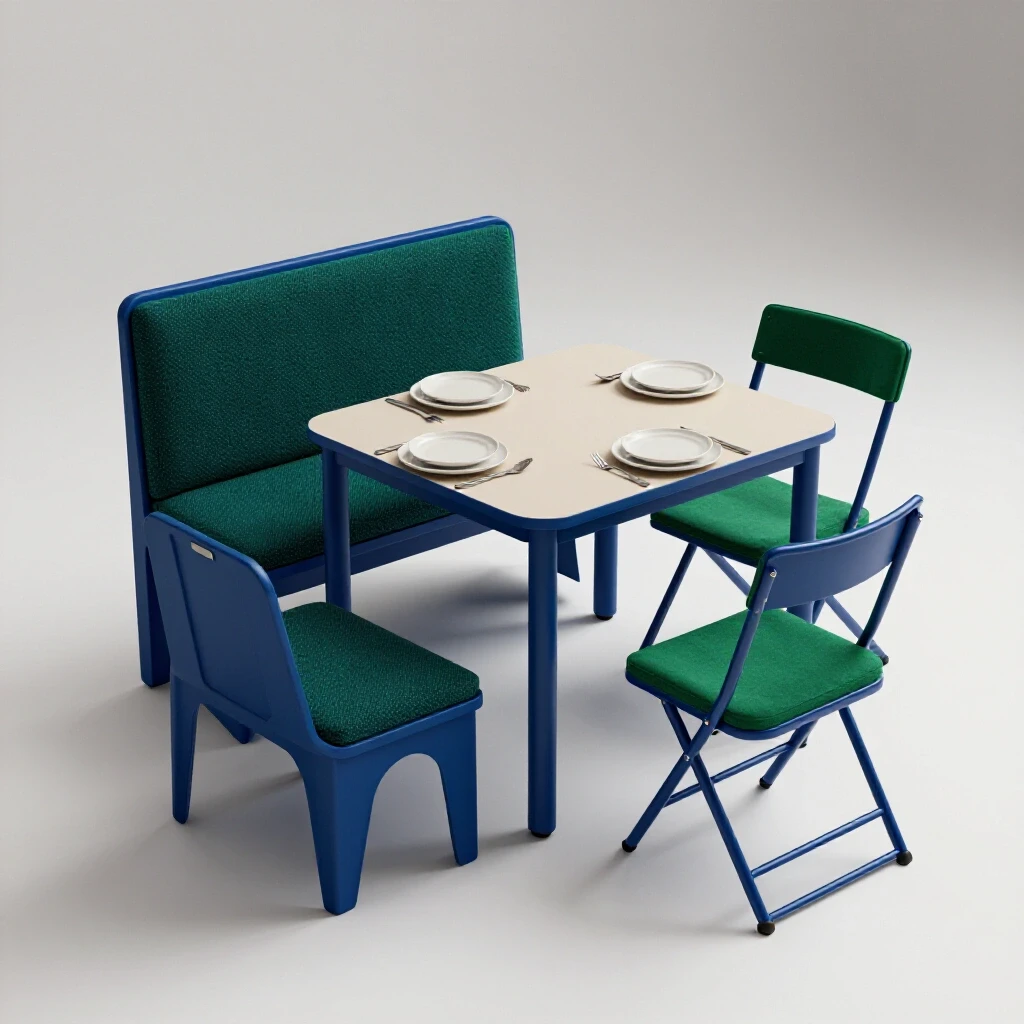
The most common error is choosing chairs that are too bulky. Oversized, upholstered chairs can swallow a small room. Instead, look for “low-profile” chairs with open backs or slim legs that allow light to pass through, making the space feel more airy.
How long does it usually take to feel “settled” in a new layout?
Research into environmental transitions suggests it takes about 30 to 90 days to fully adapt to a new home layout. During the first month, expect to make minor tweaks to furniture placement as you discover how you naturally move through the space.
Can I use a dining table as a workspace without ruining the room’s flow?
Yes, if you incorporate “hidden” storage nearby. A small rolling cart or a dedicated drawer in a sideboard can hold your laptop and papers. This allows you to quickly clear the table for dinner, maintaining the room’s primary function and reducing visual stress.
(This article was written by one of our staff writers, Kevin Thompson. Visit our Meet the Team page to learn more about the author and their expertise.)