Step-by-Step Guide to Decluttering a Cluttered Corner (Pro Tips)

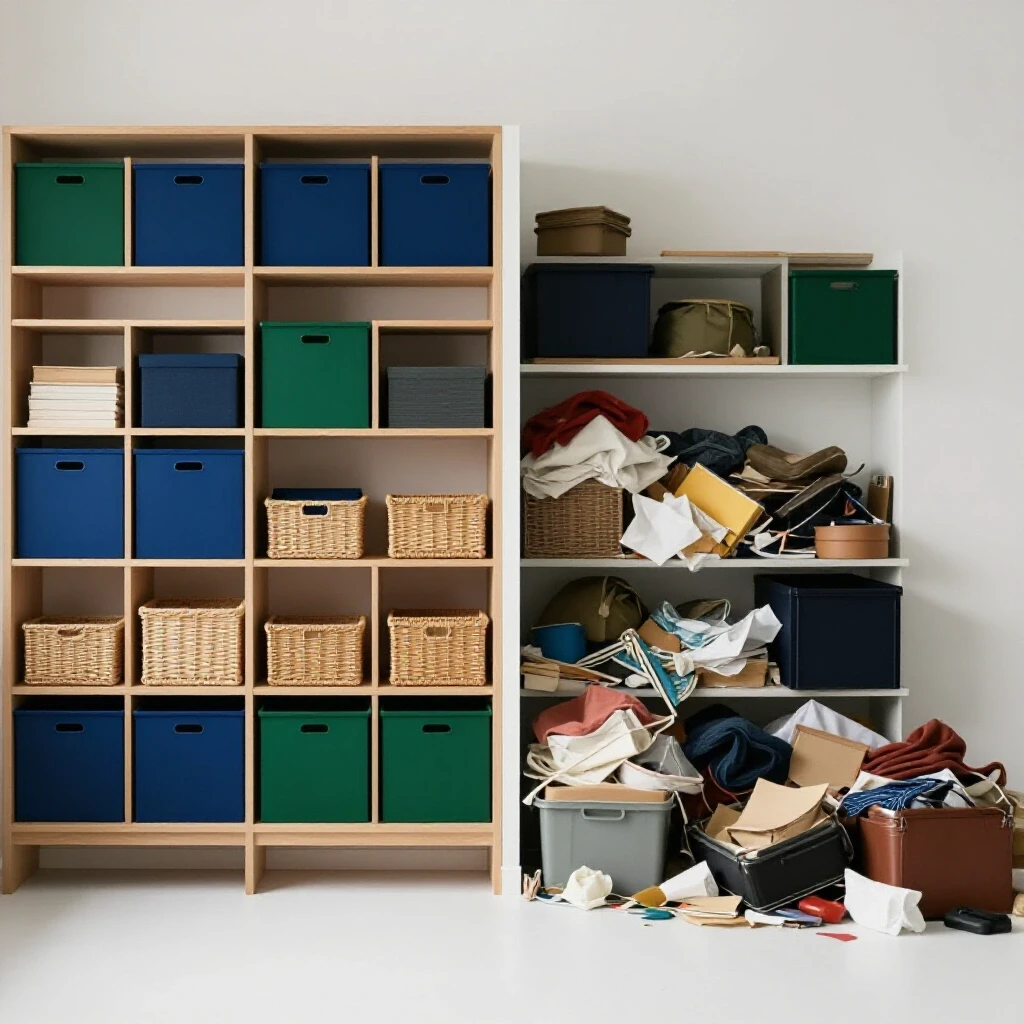
Modern home management is undergoing a quiet revolution through tech innovations like QR-coded labels and digital inventory apps. These tools allow families to track seasonal bins or pantry staples with a quick smartphone scan, reducing the mental load of remembering where things are hidden. However, even the most advanced digital system fails when the physical logistics of a room break down. As someone who has spent over a decade in operations and logistics, I have learned that a home is essentially a small-scale warehouse. If the “receiving dock”—that one messy corner where everything lands—is blocked, the entire household supply chain halts.
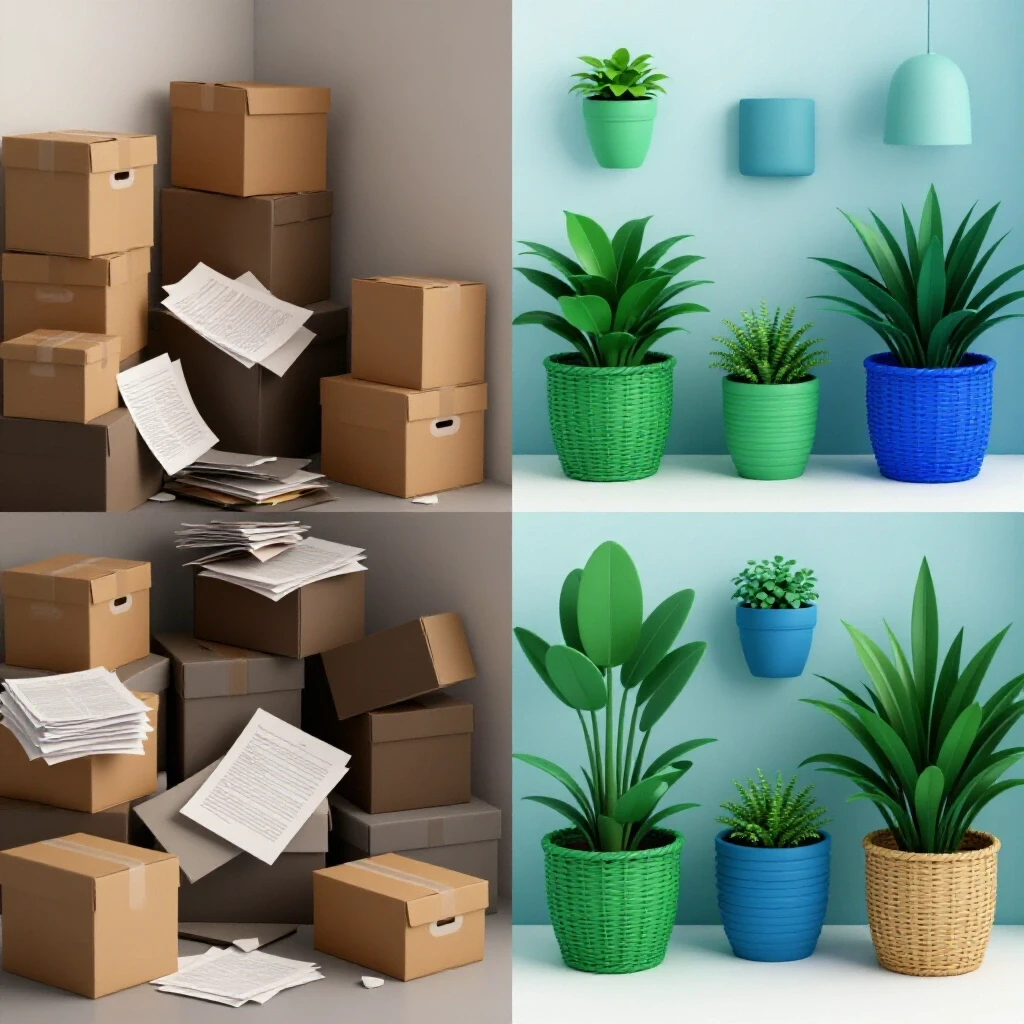
In my own home, we struggled for years with a specific entryway nook that seemed to attract clutter like a magnet. Despite my professional background, I fell into the trap of buying “pretty” containers that were too difficult for my kids to use. This led to what I call “retrieval friction,” where the effort to put something away is higher than the motivation to do it. By applying industrial sorting metrics and spatial ergonomics, we transformed that chaotic spot into a high-flow zone. This guide breaks down how to apply these professional logistics principles to your own most difficult household spaces.
The Logistics of Domestic Disarray and Spatial Failure
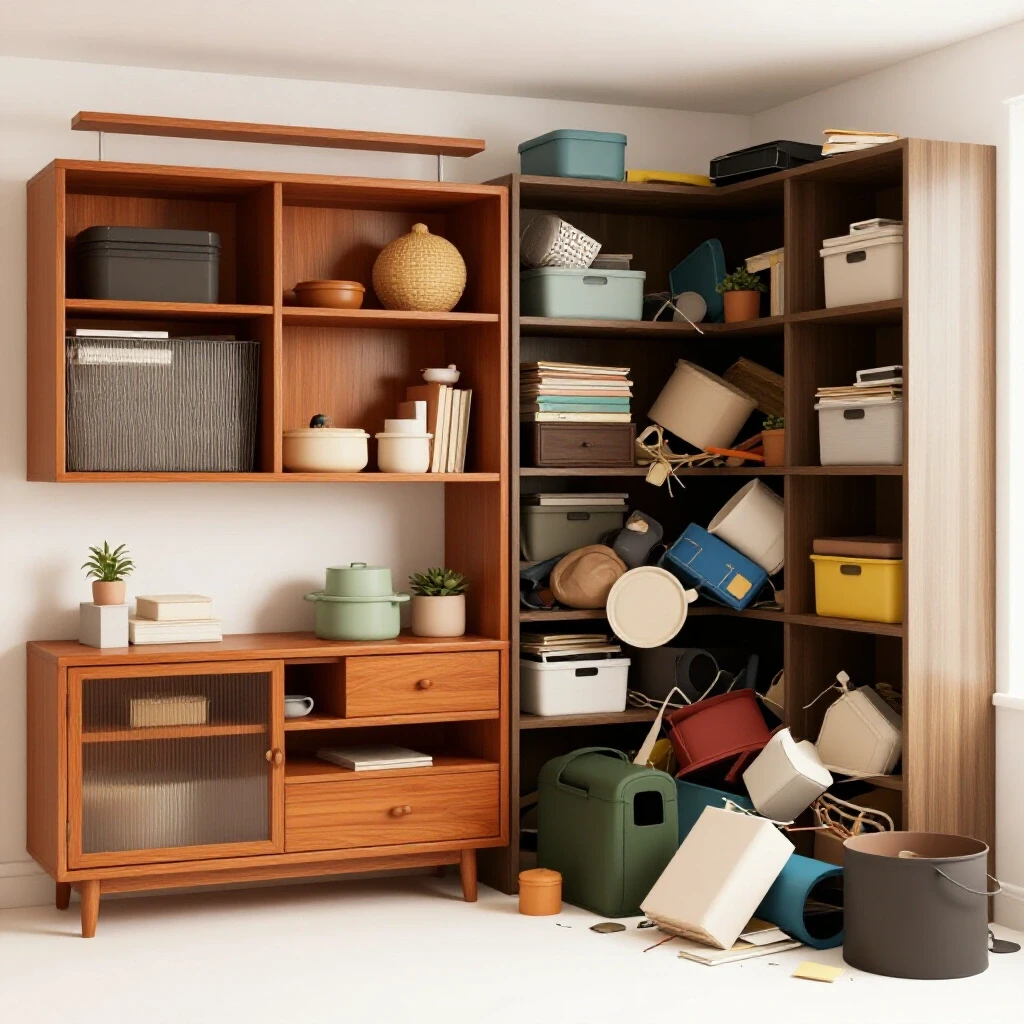
Spatial failure occurs when a specific area in the home no longer serves its intended purpose because the volume of items exceeds the storage capacity or the “flow rate” of the space. It is characterized by stagnant piles, lost items, and a feeling of frustration when entering the room.
In logistics, we look at “bottlenecks”—places where movement stops. In a home, a cluttered corner is often a bottleneck. It is usually located at a transition point, such as where you enter the house or move from the kitchen to the living room. Research in environmental psychology suggests that these visual “hotspots” contribute significantly to cortisol levels. When you see a pile of unsorted mail or shoes, your brain registers it as an unfinished task, leading to mental fatigue.
To fix this, we must understand “inflow and outflow.” If ten items enter a corner every day but only eight leave, you have a backlog. No amount of decorative baskets will fix a backlog. You must either increase the outflow (decluttering) or decrease the inflow (changing habits). We found that by measuring our “sorting speed”—the time it takes to process a day’s worth of items—we could design a system that takes less than five minutes to maintain.
Analyzing the Psychology of Visual Overload
Visual overload is the cognitive stress caused by too many competing stimuli in a person’s field of vision, making it difficult to focus or relax. In a home setting, this occurs when surfaces are covered with items of varying sizes, colors, and purposes, leading to a sense of chaos.
Studies in organizational behavior show that humans have a limited capacity for “visual search.” When a corner is packed with unsorted items, your brain has to work harder to find what you need. This is why you can stare at a pair of keys right in front of you and not see them. The “noise” of the clutter masks the “signal” of the important item.
- Cognitive Load: Every item left out is a visual reminder of a decision not yet made.
- Decision Fatigue: If a storage system requires you to choose between five different bins, you are more likely to just leave the item on the counter.
- System Feedback: A clean space provides positive feedback, while a cluttered space reinforces the habit of “dropping” rather than “placing.”
A Systematic Framework for Reclaiming a High-Traffic Nook
Reclaiming a disorganized area requires a structured, multi-step process that moves from total clearing to logical re-entry. This framework focuses on clearing the “stagnant inventory,” categorizing items based on frequency of use, and establishing a layout that supports the natural movement of the family.
When we tackled our entryway corner, we didn’t just move things around. We used a “Zero-Base” approach. This means removing everything until the space is empty. This resets your mental map of the area. Once empty, we categorized the items into three logs: Active, Seasonal, and Dead.
The Decluttering Sorting Log
| Item Category | Definition | Action Plan |
|---|---|---|
| Active Inventory | Used daily or weekly (e.g., school bags, keys). | Place in the “Prime Zone” (eye level). |
| Buffer Stock | Used monthly (e.g., library books, outgoing mail). | Place in “Secondary Zone” (lower shelves). |
| Dead Inventory | Not used in 6+ months (e.g., broken toys, old flyers). | Immediate removal (trash or donate). |
| Transit Items | Items that belong in another room. | Move to the correct “Warehouse Zone” immediately. |
By using this log, we reduced the volume of items in our corner by 40%. The “Dead Inventory” was the biggest culprit. In logistics, holding onto dead stock is a waste of “real estate” costs. In your home, that cost is your peace of mind.
High-Efficiency Zoning and Spatial Mapping
Zoning is the practice of dividing a space into specific functional areas based on the activities performed there and the items required for those activities. Spatial mapping involves creating a visual or mental plan to ensure every item has a designated “home” that aligns with user behavior.
We mapped our corner based on “Retrieval Step Counts.” If a child has to walk ten steps and open two lids to put away their shoes, they won’t do it. If they can drop them into an open bin in one step, the system succeeds. We created three distinct zones:
- The Drop Zone (0-2 feet from entry): For high-frequency items like shoes and bags.
- The Processing Zone (Waist height): For mail, keys, and phones.
- The Long-Term Zone (Above 6 feet): For items used once a year, like holiday decor.
Space Utilization Metrics
| Storage Type | Accessibility Score (1-10) | Volume Efficiency | Best Use Case |
|---|---|---|---|
| Open Bins | 10 | Medium | Kids’ gear, daily shoes. |
| Drawers | 7 | High | Small items, tools, batteries. |
| Lidded Totes | 3 | Very High | Seasonal clothes, keepsakes. |
| Wall Hooks | 9 | Low | Coats, bags, dog leashes. |
Reducing Retrieval Friction in Family Storage
Retrieval friction is the physical and mental resistance encountered when trying to access or put away an item. Low-friction systems use open containers, clear labels, and logical placement to make tidying up as effortless as possible for every family member.
In my professional experience, the best warehouses are the ones where you don’t have to think. We applied this to our corner by removing lids from almost all daily-use bins. Lids are a “friction point.” They require two hands and an extra movement. For a busy parent or a tired child, that extra movement is the difference between a tidy floor and a pile of shoes.
We also implemented “Visual Labels.” Instead of just writing “Toys,” we used a small icon or picture. This works for children who can’t read yet and for adults who are scanning quickly. It reduces the “search time” and makes the “put-away time” nearly instantaneous.
The Storage Friction Index
- Level 1 (Zero Friction): Wall hooks, open-top baskets on the floor.
- Level 2 (Low Friction): Pull-out drawers, open shelving at eye level.
- Level 3 (Medium Friction): Cabinets with doors, bins with removable lids.
- Level 4 (High Friction): Stacked bins, lidded totes on high shelves, locked boxes.
Selecting Sustainable Storage Gear
Sustainable storage gear refers to durable, modular, and functional containers that can adapt to a family’s changing needs over time. Rather than focusing on aesthetics alone, these solutions prioritize ease of cleaning, visibility of contents, and structural integrity under heavy use.
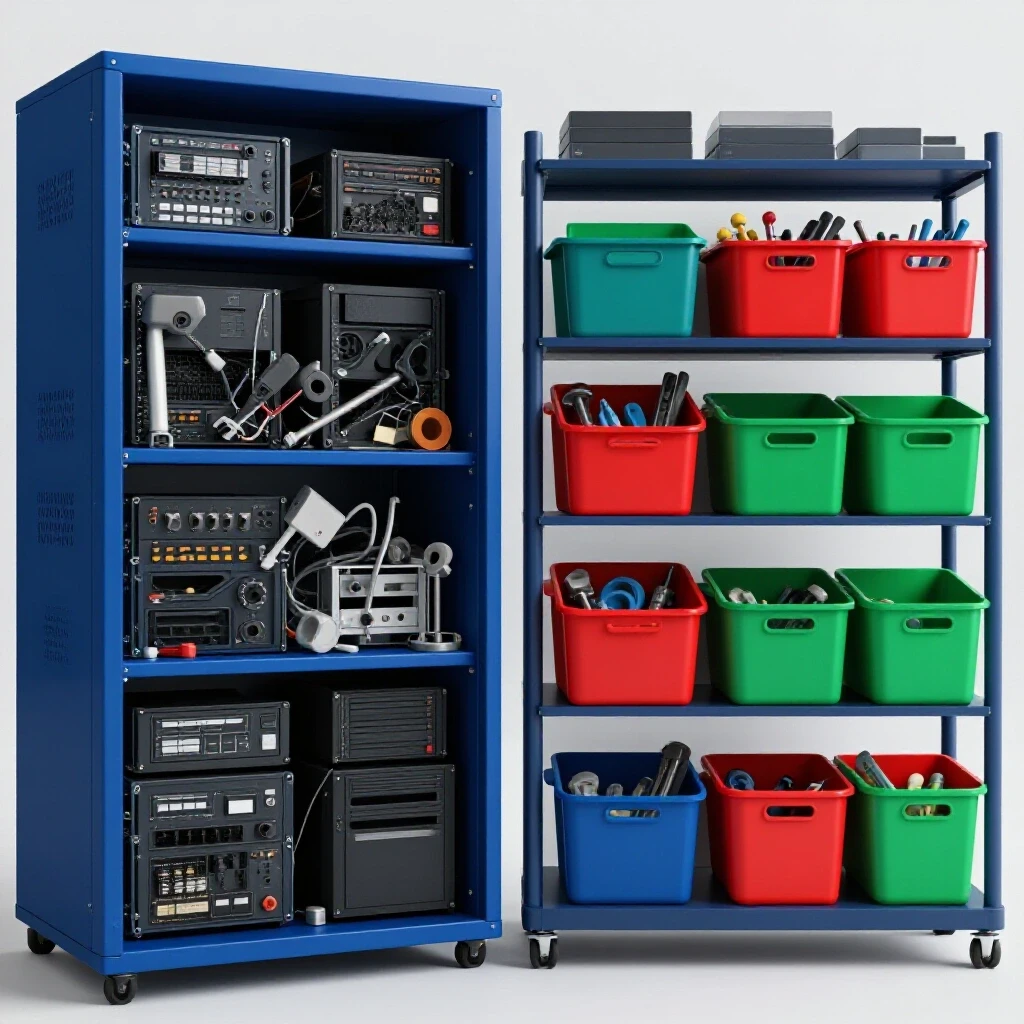
Avoid the “aesthetic trap” of buying matching wicker baskets that you can’t see through. In our redesign, we switched to semi-transparent mesh or clear heavy-duty plastic for anything that wasn’t on immediate display. This allows for “visual auditing.” I can see at a glance if the “Sports Gear” bin is overflowing without having to dig through it.
- Modular Units: Choose systems that can grow. If your kids get bigger, you need taller cubbies.
- Heavy-Duty Materials: Residential “decorative” bins often collapse under the weight of backpacks. Use industrial-grade plastics or reinforced canvas.
- Uniformity: Using the same type of bin creates “visual calm” even if the contents are messy.
Aligning Household Behavior with New Systems
Behavioral alignment is the process of ensuring that an organization system matches the natural habits and movements of the people using it. It involves observing how family members interact with a space and adjusting the “architecture” of the room to support those existing patterns.
You cannot force a family to change their nature. If your spouse always drops their keys on the corner of the counter, don’t put the key hook in the hallway. Put a small tray exactly where the keys currently land. This is “Path of Least Resistance” organizing.
We held a “Family Logistics Meeting” to test our new corner. I watched my kids come home and noticed they struggled to reach the hooks we had installed. We lowered the hooks by six inches, and the “floor pile” disappeared overnight. This is a “System Feedback Loop”—observe, adjust, and repeat.
Maintaining Order Through Systematic Habit Loops
Habit loops are repetitive cycles of behavior—consisting of a cue, a routine, and a reward—that make maintaining a tidy home automatic. A sustainable maintenance system relies on short, timed intervals of tidying rather than infrequent, exhausting “marathon” cleaning sessions.
The biggest mistake families make is “binge cleaning.” They spend four hours on Saturday fixing the corner, only for it to be ruined by Tuesday. In logistics, we use “Continuous Improvement.” We established a “5-Minute Sweep” every evening before bed.
Daily Maintenance Timelines by Family Size
| Family Size | Daily Sweep Duration | Primary Focus |
|---|---|---|
| 2 Adults | 3 – 5 Minutes | Paperwork, kitchen counters. |
| 2 Adults + 1-2 Kids | 8 – 10 Minutes | Entryway, toy zones. |
| 2 Adults + 3+ Kids | 15 Minutes | High-traffic “Drop Zones,” laundry flow. |
| Multi-Gen Home | 20 Minutes | Shared common areas, safety paths. |
By timing these sessions, we removed the “mental dread.” Knowing it only takes eight minutes makes the task feel manageable. We use a simple kitchen timer to gamify the process for the kids, turning “outflow management” into a quick evening race.
Practical Metrics for a Functional Living Space
Actionable metrics are measurable benchmarks used to evaluate the effectiveness of a home organization system. These include tracking how long it takes to find an item, the density of items in a given area, and the frequency of “clutter reversion” events.
To ensure our corner stayed “rescued,” I tracked a few key numbers over a month. We looked at “Item Density”—the number of items per square foot. If the density increased, it meant we were bringing too much into the house.
- Sorting Time-Box: Never spend more than 15 minutes sorting mail or school papers at once.
- Space Utilization: Aim for 70% capacity. A bin that is 100% full is a bin that is hard to use.
- The One-In, One-Out Rule: For every new pair of shoes that enters the nook, an old pair must be moved to long-term storage or donated.
Building a Resilient Home System
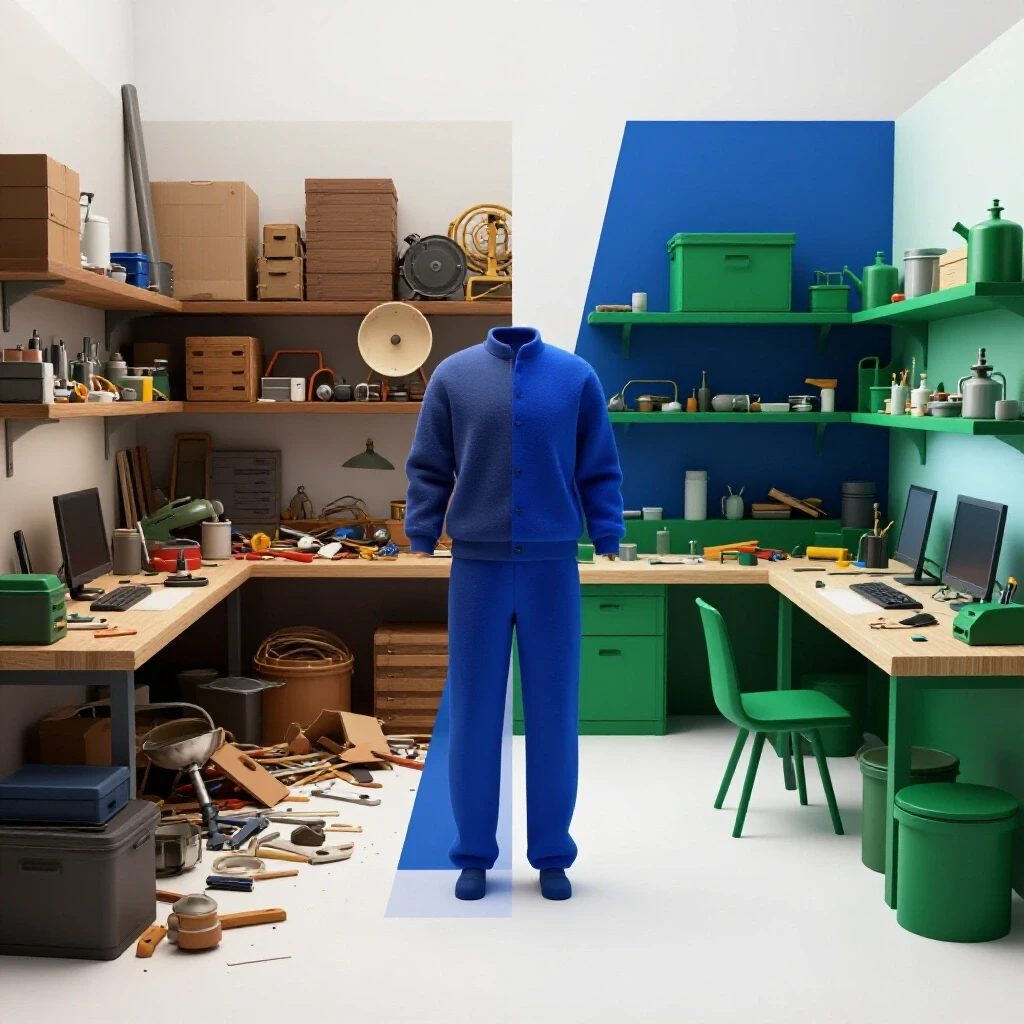
The goal of reclaiming a cluttered space isn’t to create a museum-quality display. It is to create a resilient system that can handle the “stress tests” of a busy Tuesday morning or a rainy Thursday afternoon. When our corner gets messy now, it takes us minutes, not hours, to reset it because the “bones” of the system are logically sound.
Focus on flow, not just furniture. Understand that your home is a living environment where items are constantly in motion. By reducing friction, mapping your zones, and respecting the natural habits of your family, you can maintain a functional space that supports your life rather than draining your energy.
Next Steps for Your Cluttered Corner
- Perform a Spatial Audit: Identify your one “worst” corner and observe it for three days. Where does the flow stop?
- Clear to Zero: Remove everything. Do not skip this step.
- Categorize and Cull: Use the Sorting Log to remove “Dead Inventory.”
- Install Low-Friction Storage: Use hooks and open bins based on the heights of the people using them.
- Set a Timer: Start a nightly 5-minute reset to prevent the “reversion” effect.
Frequently Asked Questions
Why does my corner get cluttered again just days after I clean it? This usually happens because of “high-friction” storage. If your system requires too many steps to put an item away (like opening a closet door, then a bin, then a lid), your brain will choose the path of least resistance: the floor or the counter. To fix this, simplify the “put-away” process to one or two steps.
What is the best way to handle “transient” clutter like mail or school papers? Treat paper like a “perishable good” in a warehouse. Establish a “Processing Zone” with a single tray. Sort it daily using a “Touch It Once” rule: either file it, act on it, or recycle it immediately. Never let paper sit in a “to-be-sorted-later” pile.
How can I get my kids to follow the new organization system? Design the system for their physical height and cognitive level. Use hooks at their eye level and open baskets instead of drawers. If a child can easily “toss” an item into its home, they are 80% more likely to do it without being asked.
Is it better to have open shelving or closed cabinets for a messy nook? For high-traffic areas, open shelving or hooks are often better because they reduce the friction of opening doors. However, if visual noise causes you significant stress, use closed cabinets but fill them with open, lidless bins inside. This gives you the “clean look” with “low-effort” maintenance.
How do I know if I have too much stuff or just bad storage? Use the “70% Rule.” If your storage containers are more than 70% full, it becomes difficult to retrieve and replace items. If you have optimized your storage and it is still overflowing, you have a volume problem (too much stuff) rather than a system problem.
What are “visual anchors” and how do they help with clutter? A visual anchor is a large, intentional item—like a sturdy bench or a large piece of art—that defines the purpose of a space. It signals to the brain what the area is for, making it less likely that you will treat it as a “dumping ground” for unrelated items.
How often should I “audit” my home organization systems? In logistics, we do quarterly audits. For a home, checking your systems every three months is ideal. As seasons change (from summer gear to winter coats), your storage needs change. A quick 15-minute review every few months ensures your zones still match your family’s current reality.
Can digital apps really help with physical clutter? Yes, but only for “deep storage” items. Use apps to track what is in lidded bins in the attic or garage. For daily-use areas like your cluttered corner, physical labels and logical placement are far more effective than any digital tool.
(This article was written by one of our staff writers, Christopher Bennett. Visit our Meet the Team page to learn more about the author and their expertise.)