How to Install a New Shower Handle Easily (DIY Guide)

Replacing a dated or loose bathroom fixture is often seen as a quick fix that can instantly refresh the look of a tub or stall. While it seems like a minor aesthetic change, the mechanical process of swapping out hardware requires a focused approach to ensure the new components fit the existing valve perfectly.
In my 12 years managing facilities and maintaining my own homes, I have learned that even the smallest weekend DIY projects demand respect for the hardware. I remember a Sunday afternoon when I decided to swap a clear plastic knob for a modern brushed nickel lever. I thought it would take fifteen minutes. However, I quickly realized that the set screw on the old handle was corroded and seized. Because I had not prepared for that possibility, I spent two hours carefully drilling out the screw without damaging the valve stem. That experience taught me that successful step-by-step home upgrades are built on preparation and having a clear understanding of the mechanical assembly before you ever pick up a wrench.
Evaluating Your Shower Hardware Needs
Assessing the current state of your bathroom fixtures helps determine whether you need a simple aesthetic refresh or a functional repair. Understanding the mechanical connection between the handle and the valve is the first step toward a successful weekend DIY project. This preparation ensures you have the right parts and avoids unnecessary delays.
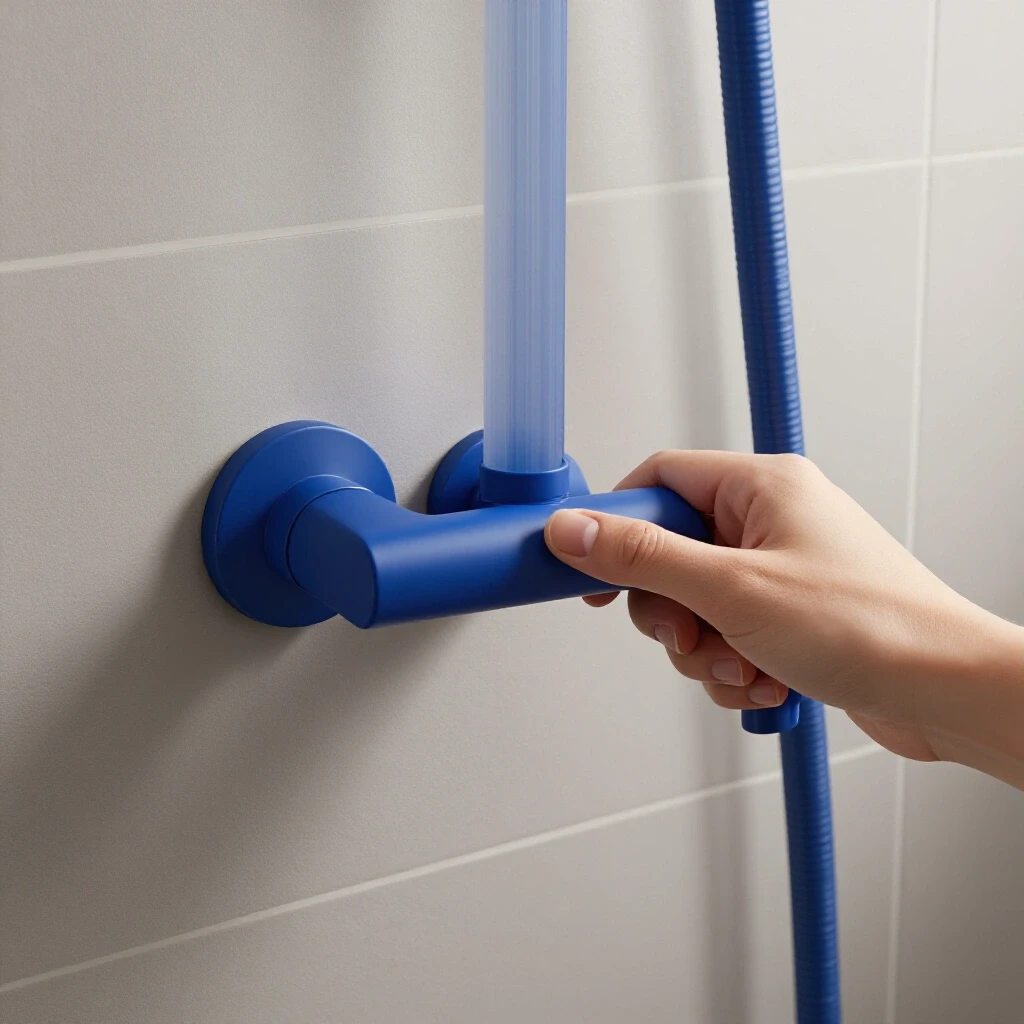
Before you buy a new lever or knob, you must identify the brand of the valve behind the wall. Most handles are not universal; a handle designed for a Moen valve will rarely fit a Delta or Kohler stem without a specific adapter. I recommend looking for a brand logo on the existing escutcheon plate or the handle itself. If the logo is worn away, you can often identify the brand by the shape of the broach, which is the patterned end of the valve stem that the handle slides onto.
- Check for a brand name on the trim plate or the center of the handle.
- Observe the handle movement: does it pull out to start the water, or does it only rotate?
- Measure the diameter of the existing trim plate to ensure the new one covers any unpainted or untiled areas.
- Note the location of the set screw, which is usually found on the underside or side of the handle.
The Essential DIY Tool List for Handle Upgrades
Having the right tools on hand prevents mid-project trips to the hardware store and reduces the risk of damaging your new components. Most handle replacements require basic hand tools that are likely already in your toolbox, ensuring a cost-effective home improvement. Proper tool selection is the foundation of safe home repairs.
In my facility maintenance work, I have found that using the wrong size screwdriver or a poorly fitting Allen wrench is the leading cause of stripped screws. For these weekend DIY projects, I suggest using a dedicated set of hex keys rather than a multi-tool, as individual keys provide better leverage and a more secure fit. If your handle uses a decorative cap to hide a center screw, a thin-blade flathead screwdriver or a plastic putty knife will help you pop it off without scratching the finish.
Essential vs. Optional Tool Matrix
| Tool Name | Purpose | Necessity |
|---|---|---|
| Hex Key (Allen Wrench) Set | Loosening the set screw on the handle base | Essential |
| Phillips Head Screwdriver | Removing the center screw or trim plate screws | Essential |
| Flathead Screwdriver | Prying off decorative screw covers | Essential |
| Needle-Nose Pliers | Removing small clips or debris from the valve stem | Optional |
| Waterproof Silicone Grease | Lubricating the handle-to-stem connection | Recommended |
| Old Towel | Covering the drain to catch falling screws | Essential |
- Hex Key Set: Most modern levers use a small set screw. You will likely need a 1/8-inch or 7/64-inch key.
- Screwdriver Set: Ensure you have both #2 Phillips and small flathead drivers.
- Cleaning Supplies: Vinegar and a soft cloth help remove mineral deposits from the valve stem.
- Protective Gear: Work gloves can provide a better grip on slippery metal surfaces.
Step-by-Step Removal of the Existing Handle
Safely removing the old fixture requires patience to avoid stripping screws or scratching the surrounding tile. This phase involves identifying the attachment method, such as a hidden set screw or a decorative cap, and carefully loosening the hardware to expose the valve stem. Taking your time here prevents damage to the underlying plumbing.
The first thing I do before any bathroom work is plug the drain. It sounds simple, but losing a tiny set screw down the pipe can turn a one-hour task into a frustrating ordeal. Once the drain is secure, look for the access point. If there is no visible screw, there is likely a decorative cap on the face of the handle. Use a flathead screwdriver to gently pry this cap off. Underneath, you will find a screw that holds the handle to the stem.
- Place a towel over the drain to catch any small parts.
- Remove the decorative cap if your handle style uses one.
- Use the correct size hex key or screwdriver to loosen the fastener.
- Pull the handle straight toward you; if it is stuck, do not wiggle it aggressively, as this can bend the valve stem.
If the handle refuses to budge due to mineral buildup, I often use a 50/50 mix of white vinegar and water. Soak a rag in the solution and wrap it around the handle base for about 30 minutes. The acid in the vinegar breaks down the calcium deposits that act like glue. This is a much safer alternative to using heavy pliers, which can mar the metal or put too much stress on the internal cartridge.
Installing the New Fixture and Testing Functionality
Mounting the new hardware involves aligning the handle with the valve stem and securing it with the provided fasteners. Proper alignment ensures smooth operation and prevents premature wear on the internal cartridge, leading to a functional and durable upgrade for your bathroom. Testing the movement before finalizing the assembly is critical.
When you are ready to install the new part, perform a dry-fit test first. Slide the handle onto the stem without tightening any screws to ensure it sits flush and rotates through the full range of motion. If the handle feels loose or “wobbly” during this test, you may need a different adapter or the handle may not be compatible with your specific valve model.
- Clean the valve stem with a soft brush to remove any leftover debris.
- Apply a thin layer of waterproof silicone grease to the stem to prevent future corrosion.
- Align the handle in the “off” position before sliding it onto the stem.
- Tighten the set screw or center screw until it is snug, but avoid over-tightening, which can strip the threads.
Project Time and Effort Estimates
| Phase | Active Time | Effort Level |
|---|---|---|
| Preparation and Tool Setup | 15 Minutes | Low |
| Removing Old Hardware | 20-40 Minutes | Medium |
| Cleaning and Stem Prep | 10 Minutes | Low |
| Installing New Handle | 15 Minutes | Low |
| Testing and Final Cleanup | 10 Minutes | Low |
Total project time typically ranges from 1 to 2 hours. This fits perfectly into a Saturday morning schedule, leaving the rest of your weekend free. The material costs generally stay between $20 and $100, depending on the finish and brand you choose.
Troubleshooting Common Installation Hurdles
Even simple projects can encounter hurdles like stuck screws or mismatched adapters. Knowing how to handle these common points of failure allows you to maintain momentum and complete the task without the frustration of incomplete or unsafe online tutorials. Addressing these issues calmly is key to a successful outcome.
One of the most frequent issues I see is a handle that feels “spongy” or has too much play after installation. This usually happens because the handle adapter—the plastic or metal piece that bridges the gap between the handle and the stem—is not seated correctly. If you encounter this, take the handle back off and inspect the adapter for any cracks or misalignment.
- Stuck Set Screw: If the hex key won’t turn, apply a penetrating oil and wait 15 minutes.
- Mismatched Parts: If the handle won’t slide on, double-check the valve brand; you might have a “universal” kit that requires a specific plastic insert.
- Loose Trim Plate: If the escutcheon plate behind the handle rattles, check that the mounting screws are even and snug against the wall.
- Finish Mismatch: If the new handle color looks different under bathroom lights, compare it to your faucet before tightening the final screws.
In my experience, many DIY enthusiasts get frustrated when a “universal” handle doesn’t fit right away. These kits often come with a variety of plastic “keys” or adapters. I suggest keeping the instruction manual open and matching the shape of your valve stem to the diagrams provided by the manufacturer. This prevents the mistake of forcing a part that wasn’t designed for your specific plumbing setup.
Final Quality Checks and Maintenance
Once the handle is secure, performing a final check ensures that the upgrade is both functional and safe for daily use. Regular maintenance of your new hardware will extend its lifespan and keep the operation smooth. A few minutes of verification now prevents mechanical issues later.
Slowly turn the water on and off several times. The handle should move smoothly without any grinding or resistance. Check that the “hot” and “cold” indicators on the handle or trim plate align with the actual water temperature. If the temperature is reversed, you may have installed the handle or the internal adapter upside down.
- Check for Clearance: Ensure the handle does not hit the trim plate or the wall when fully engaged.
- Verify Temperature: Confirm that the water gets hot when turned to the hot side.
- Wipe Down: Remove any fingerprints or grease from the finish using a microfiber cloth.
- Store Spare Parts: Keep any leftover adapters or the hex key in a labeled bag in your vanity for future adjustments.
Maintaining your new hardware is simple. Avoid using abrasive cleaners or scouring pads, as these can ruin the protective clear coat on finishes like oil-rubbed bronze or brushed nickel. A simple wipe with a damp cloth after use is usually enough to prevent water spots and mineral buildup. By following these steps, you have successfully completed a functional home upgrade that adds value and convenience to your daily routine.
FAQ
How do I know which shower handle will fit my valve? The most reliable way is to identify the brand of the valve currently installed in your wall. Look for a logo on the trim plate or the handle. If no brand is visible, you can remove the handle and take it to a hardware store to match the “broach” or stem pattern. Many manufacturers also offer universal fit kits that include various adapters to match different stem shapes.
What should I do if the set screw is stripped? A stripped set screw can be removed using a screw extractor kit or by carefully drilling into the center of the screw with a small metal-rated drill bit. Before trying these methods, try using a slightly larger hex key or placing a rubber band over the tip of your hex key to gain extra grip. Always work slowly to avoid damaging the valve stem itself.
Why is my new handle pointing in the wrong direction? This is usually caused by the handle adapter or the handle itself being placed on the valve stem at the wrong angle. Most stems are keyed or have a flat side to dictate orientation. Remove the handle, rotate the valve stem to the “off” position, and re-align the handle so it points in the correct downward or sideways direction as per the manufacturer’s design.
Do I need to turn off the main water supply to change the handle? Generally, no. Since you are only replacing the external handle and trim, and not the internal valve or cartridge, the water remains contained behind the valve. However, if you plan to remove the cartridge or if the valve is leaking, you must shut off the water supply. For a simple handle swap, keeping the valve in the “off” position is sufficient.
What is a “broach” and why does it matter? The broach is the specifically shaped end of the valve stem that sticks out from the wall. It acts like a key, and the handle has a matching “lock” pattern inside. Common shapes include square, splined (teeth-like), or D-shaped. If the broach on your valve doesn’t match the hole in your handle, the handle will not turn the water on or off.
Can I replace a knob with a lever handle? In most cases, yes, as long as the lever is compatible with your valve brand. Levers are often preferred for their ease of use, especially for those with limited hand strength. Ensure the new lever has enough clearance from the wall and the shower door to rotate fully without obstruction.
What do I do if the handle feels loose even after tightening the screw? If the screw is tight but the handle still wobbles, the internal adapter may be worn or the wrong size. Some universal kits require a small plastic shim or a specific adapter sleeve. Re-examine the installation manual to ensure all spacers or washers included in the kit were used in the correct order.
How can I prevent the set screw from rusting in the future? Applying a small dab of waterproof silicone grease or “plumber’s grease” to the threads of the set screw before installation will protect it from moisture. This prevents the metal from seizing, making it much easier to remove the handle if you ever need to perform maintenance on the valve in the future.
What if my new trim plate doesn’t sit flush against the tile? If there is a gap between the escutcheon plate and the wall, check if the valve is protruding too far or if the mounting bracket is crooked. You can often use a thin bead of clear bathroom caulk around the top and sides of the plate to close small gaps, but always leave a small opening at the bottom to allow any trapped moisture to drain out.
Is it normal for the new handle to feel stiffer than the old one? A new handle may feel slightly different due to the fit of the new components. However, if it is very difficult to turn, the handle might be rubbing against the trim plate. Ensure the plate is centered and that the handle is not pushed too far onto the stem, which can cause friction against the stationary parts of the trim.
(This article was written by one of our staff writers, Robert Callahan. Visit our Meet the Team page to learn more about the author and their expertise.)