How to Replace a Shower Valve Step by Step (DIY Plumbing Guide)

Updating a bathroom’s water control system is one of the most effective ways to improve household water conservation and daily comfort. By installing a modern, pressure-balanced mixing unit, you can eliminate sudden temperature fluctuations while reducing the risk of slow leaks that lead to structural rot. This project allows a homeowner to take full control of their plumbing infrastructure.
When I first transitioned from managing commercial facilities to maintaining my own 1960s ranch-style home, I realized that the stakes are much higher when the pipes are behind your own bedroom wall. I remember a specific Saturday when a simple cartridge swap turned into a full-scale assembly replacement because the internal brass housing had pitted over decades. It was a moment that taught me the value of having the right tools and a clear plan before the water main is ever turned off. For a busy professional, these weekend upgrades are about more than just saving a few hundred dollars on labor; they are about the peace of mind that comes from knowing the job was done with precision and high-quality materials.
Evaluating the Complexity of Your Water Control Upgrade
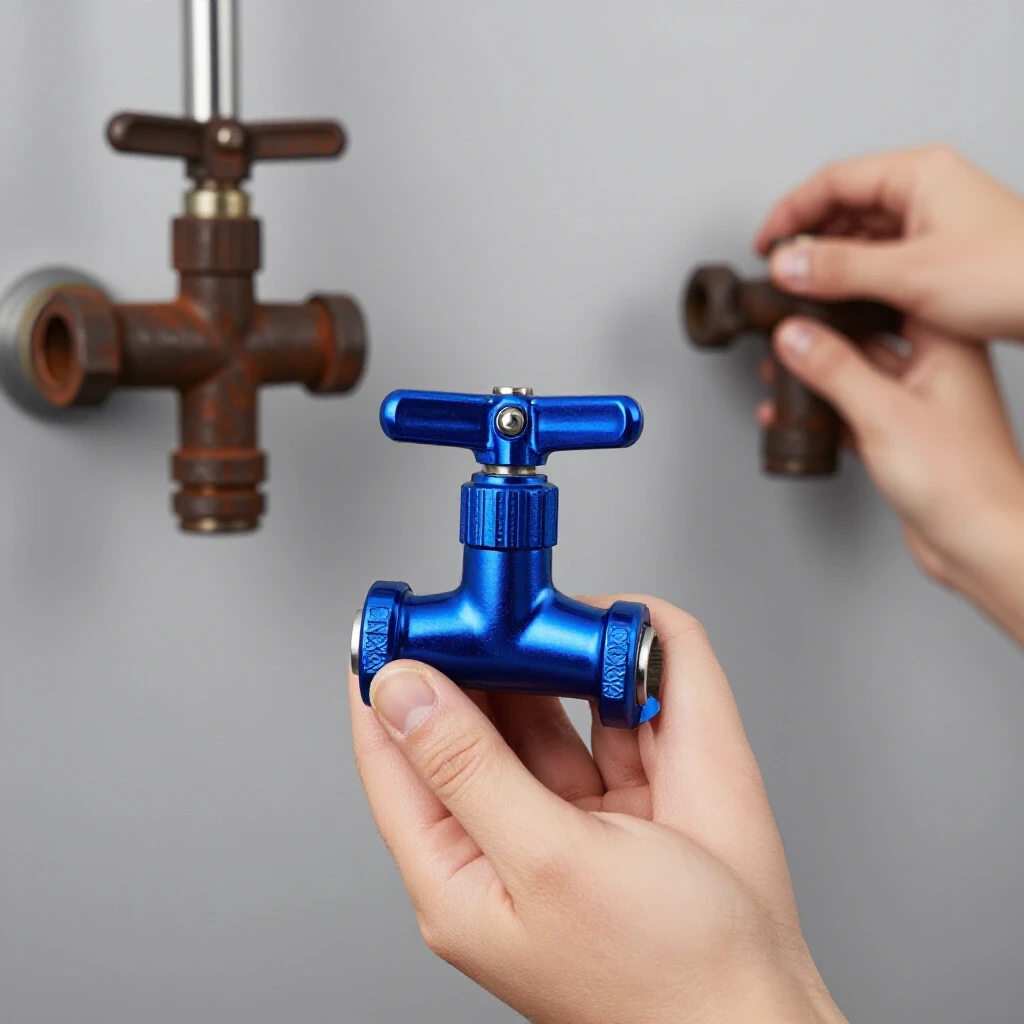
Assessing the scope of a plumbing project involves identifying the type of piping in your walls and the accessibility of the current assembly. This phase determines whether you can work through the front of the shower or if you need to create an access panel through the wall behind the bathroom.
Before you start, you must understand that not all plumbing is created equal. If your home has copper pipes, you will likely be soldering, which requires a steady hand and fire safety precautions. If you have PEX, the job becomes significantly faster but requires specific crimping or expansion tools. In my experience, the biggest variable is access. If you can reach the valve through a closet or hallway wall behind the shower, the project difficulty drops significantly. If you have to work through a small hole in the tile, the precision required increases.
Establishing a Realistic Project Timeline
A realistic timeline accounts for the actual labor hours and the necessary “buffer time” for unexpected hardware store runs or drying periods. For most intermediate DIYers, this project spans a full weekend to ensure no steps are rushed and the system is fully tested before closing the walls.
- Phase 1: Preparation and Tool Staging (2 hours)
- Phase 2: Demolition and Pipe Preparation (3 to 4 hours)
- Phase 3: New Valve Installation and Connection (4 to 5 hours)
- Phase 4: Pressure Testing and Leak Observation (12 to 24 hours)
- Phase 5: Final Trim and Wall Closure (2 hours)
| Project Aspect | DIY Approach | Professional Service |
|---|---|---|
| Material Cost | $150 – $300 | $150 – $300 |
| Labor Cost | $0 | $400 – $800 |
| Time Investment | 12 – 16 Hours | 3 – 5 Hours |
| Tool Investment | $100 – $200 | N/A |
The Essential Tool Inventory for Plumbing Success
A successful plumbing upgrade requires a mix of specialized hand tools and safety equipment designed to handle high-torque fittings and heat. Having these items organized before you begin prevents the frustration of stopping mid-project to find a specific wrench or a piece of sandpaper.
During my years in facility maintenance, I learned that using the wrong tool is the fastest way to strip a brass fitting. For instance, using standard pliers on a finished chrome piece will mar the surface instantly. Always use a strap wrench or a smooth-jawed adjustable wrench for finished parts. For the internal work, a dedicated copper pipe cutter is non-negotiable for clean, square cuts that prevent leaks in your new joints.
- Tubing Cutter: A small-diameter cutter for tight spaces behind walls.
- Adjustable Wrenches: Two high-quality wrenches for holding and turning threaded fittings.
- Propane Torch and Striker: For soldering copper connections (if applicable).
- PEX Crimp or Expansion Tool: Specific to the type of PEX tubing in your home.
- Deburring Tool: To smooth the inside and outside of cut pipes for a better seal.
- Plumber’s Grease: A silicone-based lubricant for O-rings and gaskets.
- Teflon Tape and Pipe Dope: For sealing threaded connections.
- Long-Nose Pliers: For removing clips and small internal parts.
Accessing the Inner Workings: Behind the Wall Preparation
Preparation involves clearing the workspace, protecting the bathtub or shower floor from falling debris, and ensuring the water supply is completely neutralized. This stage is critical for preventing accidental damage to the home’s finish and ensuring a clean environment for the new installation.
Interestingly, the most overlooked part of this stage is protecting the drain. I always place a heavy rag or a dedicated drain plug into the tub before I start. One dropped screw or a glob of hot solder can turn a plumbing upgrade into a major drainage headache. Once the area is protected, I remove the handle and the decorative trim plate, also known as the escutcheon. This reveals the “mud guard” and the opening in the tile. If the opening is too small to work through, you may need to carefully enlarge it using a diamond-encrusted hole saw or a tile nipper, being careful not to crack the surrounding ceramic.
Neutralizing the Water Supply
Neutralizing the water supply means more than just turning the main valve; it involves draining the entire vertical column of water in the house to prevent constant dripping. This ensures that your work area remains dry, which is vital for both soldering and adhesive bonding.
After turning off the main water valve, go to the lowest point in your house, such as a basement utility sink, and open the faucets. Then, open the faucets at the highest point. This breaks the vacuum and allows the water to drain out of the pipes. If you don’t do this, you will find that even with the main off, water will continue to trickle out of the shower pipes for hours, making it impossible to get the pipes hot enough for solder to flow correctly.
Removing the Legacy Assembly Without Damaging Surrounding Pipes
Removing the old valve requires careful cutting and the removal of mounting brackets that have likely been in place for decades. This process must be done with surgical precision to preserve as much of the existing pipe as possible for the new connections.
In one of my early projects, I was too aggressive with a reciprocating saw and accidentally nicked the vent pipe for the toilet. Now, I use a manual close-quarters tubing cutter. It takes longer, but it provides a clean, square edge and minimizes the risk of damaging nearby structures. You will need to cut the hot and cold supply lines, as well as the lines leading up to the showerhead and down to the tub spout. Once the pipes are cut, unscrew any mounting screws holding the old brass body to the 2×4 blocking.
Cleaning and Deburring the Pipe Ends
Cleaning the pipe ends is the process of removing oxidation, burrs, and old debris from the metal or plastic surfaces to ensure a watertight bond. This step is the foundation of a leak-free system and cannot be skipped or rushed.
- Use a deburring tool to smooth the inside of the pipe.
- Use emery cloth or a fitting brush to polish the outside of copper pipes until they shine.
- Wipe away any dust or shavings with a clean, lint-free cloth.
- Ensure there is no moisture left inside the pipe near the cut end.
Integrating the New Pressure-Balanced Valve System
Installing the new valve involves positioning the unit at the correct depth and securing it to the internal framing before making the final pipe connections. This ensures the valve is stable and that the handle will sit at the correct distance from the finished wall.
Most modern valves come with a plastic “mud guard” that stays on during installation. This guard tells you exactly how deep the valve needs to be set relative to the finished tile. Building on this, I always dry-fit my pieces first. This means assembling the pipes and the valve without any solder or crimping to ensure everything lines up perfectly. If you are soldering, remember to remove the internal plastic cartridge from the valve body before applying heat. The high temperatures required to melt solder will easily melt the rubber seals and plastic housing of the cartridge, ruining the valve before it is ever used.
Choosing Between Soldering and Mechanical Connections
Choosing the right connection method depends on your comfort level with a torch and the existing materials in your home. While soldering is the traditional standard, modern mechanical connections like PEX crimping or “push-to-connect” fittings offer reliable alternatives for those who want to avoid open flames.
I prefer soldering for copper because it creates a permanent, solid metal bond that I trust behind a wall. However, if you are working in a tight space near flammable wood studs, using a flame-free method is a smart, safety-conscious choice. If you do solder, always keep a fire extinguisher nearby and use a heat shield or a piece of sheet metal to protect the framing.
Verification and Leak Testing Protocols
Verification is the process of re-pressurizing the system and observing every joint under load to ensure there are no microscopic leaks. This is the most stressful but important part of the project, as a small drip can cause thousands of dollars in water damage over time.
Once the connections are made and the solder has cooled or the crimps are verified, it is time for the moment of truth. I recommend having a second person stand at the main water shut-off while you stay in the bathroom. Slowly—very slowly—turn the water back on. This prevents a “water hammer” or a sudden surge of pressure that can stress new joints. With the water on, I dry every joint with a paper towel and then wait. I check back every 30 minutes for two hours. If the paper towel stays bone-dry, the integrity of the system is confirmed.
Troubleshooting Common Installation Errors
Troubleshooting involves identifying why a joint might be weeping or why the water temperature isn’t mixing correctly. Most issues stem from either a poor seal at a joint or an improperly seated internal cartridge.
- Leaking Threaded Joint: If a threaded connection drips, it usually needs more Teflon tape or another turn with the wrench.
- Weeping Solder Joint: This requires draining the system again, cleaning the joint, and re-soldering. Never try to “patch” a leak with more solder while the pipe is wet.
- No Hot Water: Check if the limit stop on the cartridge is set too low. Most valves have a small plastic ring that limits how far the handle can turn toward the hot side.
- Dripping from Showerhead: This usually means the cartridge is not seated correctly or there is a piece of debris in the seal.
Final Assembly and Aesthetic Finishing
Final assembly is the stage where the decorative trim, handle, and tub spout are installed to complete the bathroom’s look. This phase transitions the project from a construction site back into a functional, beautiful living space.
After the leak test is passed, I apply a thin bead of high-quality silicone caulk around the edge of the trim plate, leaving a small gap at the very bottom. This gap is a “weep hole” that allows any moisture that gets behind the plate to drain out into the tub rather than being trapped against the wall. When installing the handle, ensure it aligns with the “off” position correctly. I always take a moment to polish the new chrome or brushed nickel; it is the visual reward for a weekend of hard work.
Long-Term Maintenance and System Care
Maintaining your new water control system involves periodic cleaning of the aerators and checking the handle’s tension. Proper care ensures the internal components last for decades and continue to operate smoothly.
In my professional experience, the biggest enemy of a shower valve is hard water. Mineral buildup can seize a cartridge over time. I make it a habit to rotate the handle through its full range of motion at least once a week, even in guest bathrooms that aren’t used often. This keeps the seals lubricated and prevents calcium from locking the internal parts. If you notice the handle becoming difficult to turn, it is a sign that the cartridge needs to be removed and lubricated with a fresh coating of silicone plumber’s grease.
Knowing When to Call a Professional
Recognizing your limits is a key part of being a successful DIYer. While most valve updates are manageable, certain structural or systemic issues require the specialized equipment and experience of a licensed plumber.
If you open your wall and find severely corroded galvanized steel pipes or if the main shut-off valve for your home fails to close completely, it is time to stop. Similarly, if you find yourself needing to move the location of the showerhead or the drain, the complexity of the project increases significantly. There is no shame in calling a pro to handle the heavy lifting while you focus on the finishing touches. A safe, functional home is always the priority over DIY pride.
FAQ
How do I know if I need a new valve or just a new cartridge? If your shower is dripping from the showerhead or the handle is hard to turn, a cartridge replacement usually solves the problem. However, if you see water leaking behind the wall, have inconsistent water pressure, or want to upgrade to a modern pressure-balanced system for safety, you likely need a full valve assembly replacement.
Can I replace the valve without cutting the tile? Yes, if you have an access panel or a wall on the other side of the shower (like a closet or hallway). If you must work from the front, you can often use a “remodeling cover plate” which is larger than a standard trim plate, allowing you to cut a larger hole in the tile to access the pipes and then cover the hole with the oversized plate.
What is a pressure-balanced valve? A pressure-balanced valve is a safety-conscious design that maintains a constant water temperature by balancing the pressure of the hot and cold supply. If someone flushes a toilet elsewhere in the house, the valve senses the drop in cold water pressure and reduces the hot water flow accordingly to prevent scalding.
How do I prevent the wood studs from catching fire while soldering? Always use a flame-resistant heat shield or a piece of heavy-gauge sheet metal tucked behind the pipes. Keep a spray bottle of water nearby to dampen the wood before and after soldering, and never leave the area for at least 30 minutes after you have finished using the torch to ensure there are no smoldering embers.
Why is my new shower valve making a vibrating or humming noise? This is often caused by a loose pipe behind the wall or debris trapped in the cartridge. Ensure all pipes are securely anchored to the framing with copper straps. If the noise persists, remove the cartridge and flush the lines to clear out any solder bits or mineral deposits.
How much Teflon tape should I use on threaded fittings? Wrap the tape in the same direction as the threads (clockwise) about three to five times. This ensures that as you tighten the fitting, the tape is drawn into the threads rather than being pushed out. For extra security, you can apply a thin layer of pipe dope over the tape.
What is the “thin-wall” vs “thick-wall” setting? This refers to the thickness of your shower wall (tile plus backer board vs. a thin fiberglass stall). Most valves have an adjustable mounting bracket or mud guard that allows you to set the depth so the handle and trim plate fit snugly against whatever wall material you have.
Is it safe to use push-to-connect fittings behind a wall? While many modern fittings are rated for “behind-the-wall” use, many experienced DIYers and professionals prefer permanent connections like solder or PEX crimps for peace of mind. If you use push-to-connect fittings, ensure the pipe is cut perfectly square and is fully seated into the fitting.
How do I adjust the hot water limit stop? Under the handle, there is usually a small plastic gear or ring. By pulling this ring out and rotating it, you can set the maximum distance the handle can travel toward the hot side. This is a vital safety feature for homes with children or elderly residents to prevent accidental burns.
What should I do if the water won’t stop dripping even after I turn off the main? This is common in older homes where the main valve doesn’t seal 100%. You can use a “bread plug” (a piece of white bread stuffed into the pipe) to temporarily block the trickle so you can solder. The bread will dissolve and flush out through the showerhead once the water is turned back on. Alternatively, use a specialized tool like a “Jet Swet” to plug the pipe while you work.
(This article was written by one of our staff writers, Robert Callahan. Visit our Meet the Team page to learn more about the author and their expertise.)