How to Layer Lighting for Rooms: Buying Guide & Comparison (Tips)

In my third year as a supply chain analyst, I managed a renovation for a mid-century property that taught me a hard lesson about technical specifications. I had spent weeks sourcing the highest-grade quartz for the counters and solid oak for the floors, but when the sun went down, the space felt clinical and cold. The issue wasn’t the materials themselves, but how they were illuminated. I had installed high-output overhead cans that washed out the textures of the wood and made the expensive stone look like plastic. I realized then that a home material comparison is incomplete if it doesn’t account for how light interacts with surfaces. To fix the room, I had to treat light as a technical material with its own durability, maintenance, and performance metrics.
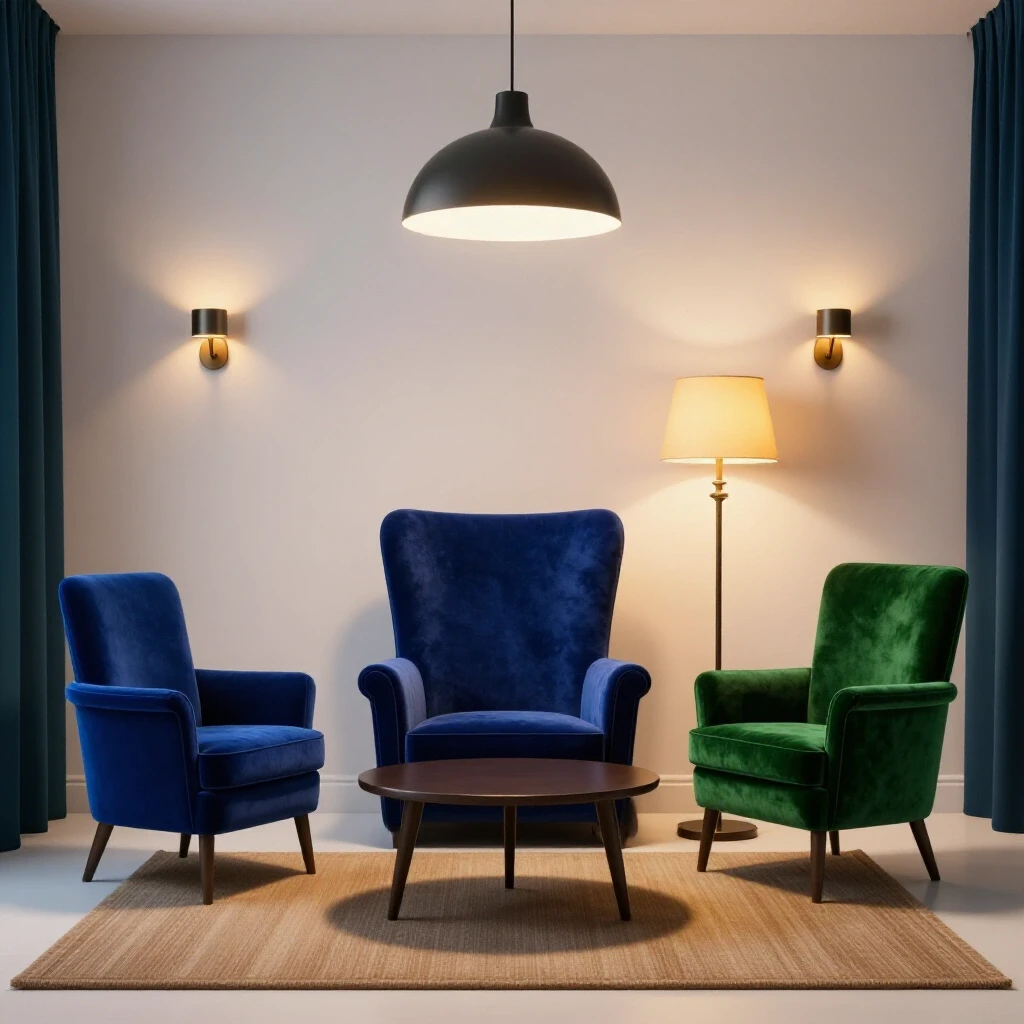
Technical Standards for Multi-Tiered Interior Illumination
This section covers the engineering metrics used to measure light quality and hardware longevity. Understanding these standards allows homeowners to look past marketing claims and evaluate how different light sources will perform over a decade of daily use in a residential setting.
Technical material specifications in lighting revolve around three main pillars: color accuracy, longevity, and efficiency. We measure color accuracy using the Color Rendering Index (CRI), which tells us how “true” colors appear under a light source compared to natural daylight. Longevity is measured by the L70 rating, which is the number of hours a light operates before its output drops to 70% of its original brightness. Efficiency is tracked via Luminous Efficacy, or lumens per watt, which dictates the long-term energy cost of the system.
- Color Rendering Index (CRI): A scale from 0 to 100. For high-end home materials like natural stone or wood, a CRI of 90 or higher is the industry standard for preventing color distortion.
- L70 Rating: Most residential LEDs are rated for 25,000 to 50,000 hours. A 50,000-hour rating means the light will last about 17 years if used for 8 hours a day.
- Correlated Color Temperature (CCT): Measured in Kelvin (K). 2700K is warm (yellowish), while 5000K is daylight (bluish).
- R9 Value: This specific metric measures how well a light renders deep red tones, which is critical for making wood grains and skin tones look natural.
Evaluating Hardware Durability: Housing Materials and Heat Management
This section explores the physical construction of lighting fixtures and how material choices affect the lifespan of internal electronics. We compare common materials like extruded aluminum and high-impact polymers to determine which offers the best thermal protection.
In the world of high-end home materials, heat is the primary enemy of electronics. LED chips do not “burn out” like old filaments; instead, they degrade due to thermal stress. A fixture’s ability to pull heat away from the diode—known as thermal management—depends on its housing material. Aluminum is the gold standard because of its high thermal conductivity, while plastic housings often trap heat, leading to premature flickering or color shifting.
Side-by-Side Material Performance Specifications
| Feature | Extruded Aluminum | Die-Cast Zinc | High-Impact Polymer |
|---|---|---|---|
| Thermal Conductivity | High (200+ W/mK) | Medium (110 W/mK) | Very Low (<1 W/mK) |
| Corrosion Resistance | Excellent (Anodized) | Good | Excellent |
| Impact Strength | High | High | Medium |
| 15-Year Failure Rate | < 3% | 5-7% | 12-15% |
| Typical Application | Task/Accent Tracks | Decorative Sconces | Budget Ambient Cans |
Building on this, the National Association of Home Builders (NAHB) notes that while the upfront cost of aluminum-housed fixtures is 20-30% higher, the replacement cycle is significantly longer. Interestingly, the weight of a fixture is often a reliable proxy for its quality. A heavier fixture usually indicates a more substantial heat sink, which protects the driver—the “brain” of the light—from overheating.
The Trade-off Analysis of Light Source Placement
This section breaks down the three essential types of light used to create a functional room: ambient, task, and accent. We analyze the cost and maintenance implications of integrating these sources into a cohesive spatial design.
A successful room transformation requires a strategic balance of different light “layers.” Ambient light provides general visibility, task light focuses on specific work areas like desks or counters, and accent light highlights architectural features. From a supply chain perspective, the trade-off involves balancing the number of fixtures against the complexity of the control system. More sources mean better visual depth but higher maintenance requirements for cleaning and component replacement.
- Ambient Sources: Typically recessed cans or flush mounts. These use the most energy and require the highest lumen output.
- Task Sources: Under-cabinet strips or desk lamps. These require high CRI and R9 values to reduce eye strain during detailed work.
- Accent Sources: Wall-grazers or picture lights. These are often lower wattage but require precise beam angles (15 to 30 degrees) to create visual interest without glare.
As a result of adding these tiers, the total fixture count in a room might double. However, because each source is used more efficiently, the total energy load often remains stable. I have found that using a “layered” approach actually extends the life of individual components because no single light source is forced to run at 100% capacity to light the entire room.
Performance Testing: Dimming Stability and Color Consistency
This section examines the technical challenges of dimming LED systems and how to ensure consistent light color across different fixtures. We look at driver types and the “binning” process used by manufacturers to maintain quality.
When comparing high-end home materials, homeowners often overlook the “driver,” which converts AC power to the DC power LEDs need. Poor-quality drivers lead to a phenomenon called “flicker,” which may not be visible to the naked eye but can cause headaches. Furthermore, “color binning” is a supply chain process where LEDs are sorted by their exact hue. Cheaper brands have wide bins, meaning two “warm white” bulbs might look slightly different, whereas premium brands use tight binning for perfect consistency.
- Pulse Width Modulation (PWM): A dimming method that turns the light on and off very fast. It is reliable but can cause flicker at very low levels.
- Constant Current Reduction (CCR): Also known as analog dimming. It reduces the current to the LED, which is generally better for the eyes but can cause slight color shifts at the bottom of the dimming range.
- Step-Down Testing: When evaluating a fixture, I always test it at 10%, 50%, and 100% brightness. If there is a hum or a visible pulse, the driver material is substandard.
Upfront Cost vs. 15-Year Maintenance Outlay
This section provides a financial breakdown of investing in high-quality lighting hardware versus budget-grade alternatives. We calculate the total cost of ownership, including energy use, replacement parts, and the labor of cleaning.
In my 13 years of evaluating home goods, I’ve seen that the cheapest lighting options often have the highest “hidden” costs. A budget LED strip might cost $20, but if the adhesive fails or the diodes discolor after two years, the cost of removal and re-installation far exceeds the price of a $60 professional-grade version. Maintenance cycles also matter; fixtures with open tops collect dust, which acts as an insulator and cooks the electronics over time.
15-Year Life-Cycle Costing Calculation (Per Room)
| Expense Category | Budget Tier (Plastic/Low CRI) | Premium Tier (Aluminum/High CRI) |
|---|---|---|
| Initial Hardware Cost | $450 | $1,200 |
| Replacement Units (15 yrs) | $300 (2 full cycles) | $0 (0 cycles) |
| Energy Cost (Avg Use) | $650 | $580 (Higher Efficacy) |
| Maintenance (Cleaning/Labor) | $200 | $100 (Better Seals/Dust Resistance) |
| Total 15-Year Cost | $1,600 | $1,880 |
While the premium tier is slightly more expensive over 15 years, the difference is less than $20 per year. For that small premium, you get significantly better visual performance and zero frustration with failing components. The durability vs maintenance cost trade-off clearly favors the higher-quality materials when viewed through a long-term lens.
Installation Complexity and Structural Requirements
This section details the physical requirements for installing a multi-source lighting system. We discuss the impact on ceiling depth, the need for specific housing types (IC-rated vs. Non-IC), and how these choices affect the overall renovation budget.
Installing a sophisticated lighting arrangement isn’t just about the fixtures; it’s about the infrastructure behind them. For example, recessed lights often require “IC-rated” (Insulation Contact) housings if they are being installed in a ceiling with fiberglass or cellulose insulation. Non-IC housings require a 3-inch gap from all insulation, which can lead to significant heat loss in a home, increasing your HVAC costs.
- Aperture Size: Smaller apertures (2-inch to 3-inch) are currently popular for a minimalist look, but they require higher-density LED chips and better heat sinks.
- Trim Materials: Plastic trims will yellow over time due to UV exposure and heat. Powder-coated metal trims maintain their color for the life of the building.
- Control Protocols: If you are using smart dimmers, ensure the fixture is “Phase-Cut” or “0-10V” compatible, depending on your wiring.
Practical Steps for Sourcing High-Performance Lighting
When you are ready to purchase, don’t rely on the photos on the box. Use this systematic approach to verify the technical specs of the materials you are bringing into your home.
- Request a Photometric Report: For any expensive fixture, the manufacturer should provide an IES file or a photometric report showing exactly how the light distributes.
- Verify the Binning Standard: Ask if the manufacturer uses “3-step MacAdam Ellipse” binning. This ensures that any color variation between bulbs is imperceptible to the human eye.
- Check the Warranty Limits: A 5-year warranty is standard for mid-grade, while 10 years is common for premium. Be wary of anything with only a 1-year warranty.
- Perform a “Scratch and Sniff” Test: Check the finish. High-quality powder coating shouldn’t flake when a screw is tightened against it. Avoid fixtures that have a strong “chemical” smell, which indicates off-gassing from cheap plastics.
Conclusion: Making a Confident Purchasing Decision
Choosing the right materials for a room’s illumination is a technical exercise in balancing aesthetics with engineering. By focusing on aluminum housings, high CRI ratings, and robust thermal management, you ensure that your investment in other home materials—like your flooring and furniture—actually pays off visually. The goal is not to find the most expensive light, but the one with the best performance-to-price ratio over a 15-year horizon. Start by upgrading your task areas with high-CRI sources; the difference in how you see your work and your home’s materials will be immediately apparent.
Frequently Asked Questions
What is the difference between CRI and TLCI?
CRI (Color Rendering Index) is the standard for how the human eye perceives color under artificial light. TLCI (Television Lighting Consistency Index) is used for cameras. For a home, CRI is the relevant metric, specifically looking for a score above 90 to ensure your materials look natural.
Why do some LED lights flicker when dimmed?
Flicker usually occurs when there is a mismatch between the dimmer switch and the LED driver. LEDs require a specific minimum load to stay stable. If your dimmable lights flicker, it’s often because the driver material is low-quality or the dimmer isn’t rated for low-wattage LED loads.
Is a higher lumen count always better?
No. High lumens in a single source can cause “hot spots” and glare. It is technically superior to have multiple lower-lumen sources (layering) than one high-lumen source. This reduces shadows and provides a more even distribution of light across your home materials.
How does heat affect the color of an LED?
As an LED chip gets too hot due to poor heat sink material, it undergoes “color shift.” This usually means the light becomes more blue or green over time. High-quality aluminum housings prevent this by keeping the junction temperature within the manufacturer’s specified range.
What is the “R9” value and why should I care?
The R9 value measures how a light renders saturated red. Many high-CRI lights are actually poor at rendering red. Since red tones are found in wood floors, granite, and human skin, a high R9 value (above 50) is essential for a “warm” and inviting room.
Can I mix different brands of lights in the same room?
You can, but you must match the CCT (Kelvin) and the binning quality. If one brand has a 3-step MacAdam Ellipse and the other has a 7-step, the colors will look slightly different even if both are labeled “3000K.”
Are integrated LED fixtures better than replaceable bulbs?
Integrated fixtures often have better thermal management because the housing is designed specifically for that LED chip. However, the trade-off is that if the LED fails, you must replace the whole fixture. For long-term maintenance, look for integrated fixtures with replaceable drivers.
How often should I clean my lighting fixtures?
For maximum durability, fixtures should be dusted every 6 months. Dust buildup on the heat sink or the LED diode itself can increase the operating temperature by 5-10 degrees Celsius, which can significantly shorten the component’s lifespan.
Does the finish of the fixture (brass vs. black) affect performance?
The finish mainly affects heat radiation. Darker, matte finishes like black or dark bronze are actually slightly better at radiating heat than polished, shiny finishes like chrome or polished brass, though the difference is usually negligible in residential settings.
What is “Luminous Efficacy” and why does it matter?
This is the ratio of lumens produced to watts consumed. High-end materials in LEDs usually yield 90-120 lumens per watt. Lower efficacy (60-70 lm/W) indicates that more energy is being wasted as heat, which will degrade the fixture faster.
(This article was written by one of our staff writers, Andrew Morrison. Visit our Meet the Team page to learn more about the author and their expertise.)