How to Start Decluttering: Lessons from a Real-Life Minimalist Journey (Guide)

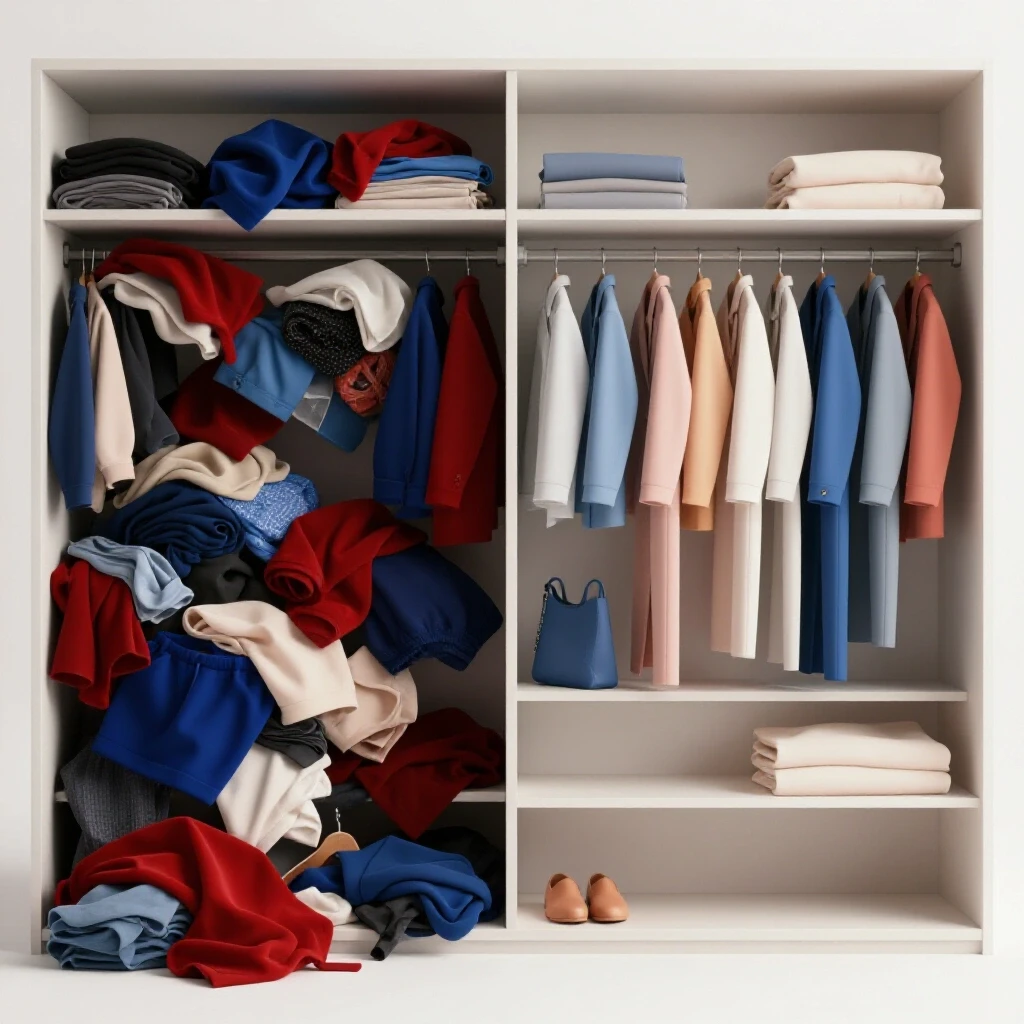
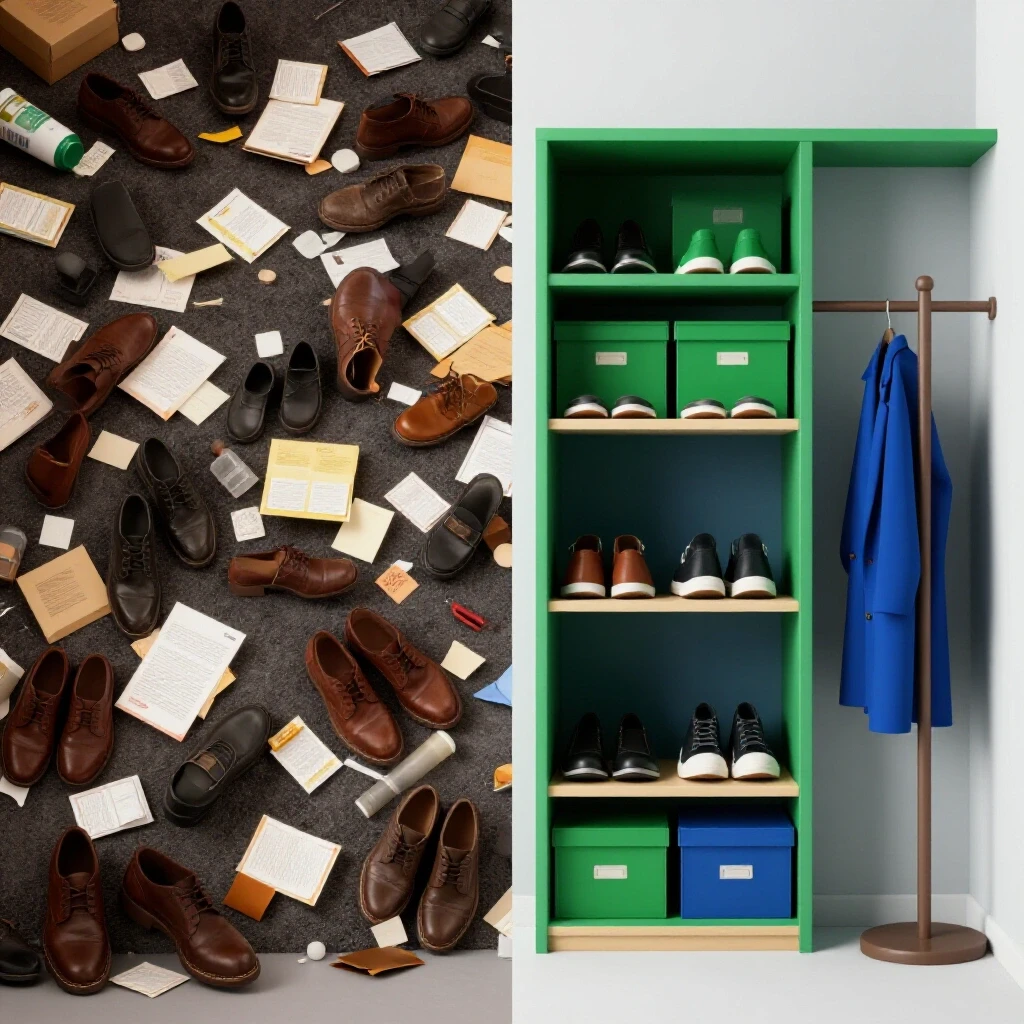
The scuff marks on my baseboards and the slight thinning of the rug in the hallway tell the story of a family that actually lives in our home. Wear-and-tear is a natural byproduct of a functional life, but for a long time, the clutter in our house felt less like “life” and more like a logistical failure. As someone who manages supply chains and operations for a living, I felt a specific kind of shame coming home to a space where the “inflow” of mail, toys, and gear constantly overwhelmed our “outflow.” My family and I spent years stuck in a cycle of cleaning for hours on a Saturday, only to have the house revert to chaos by Tuesday morning.
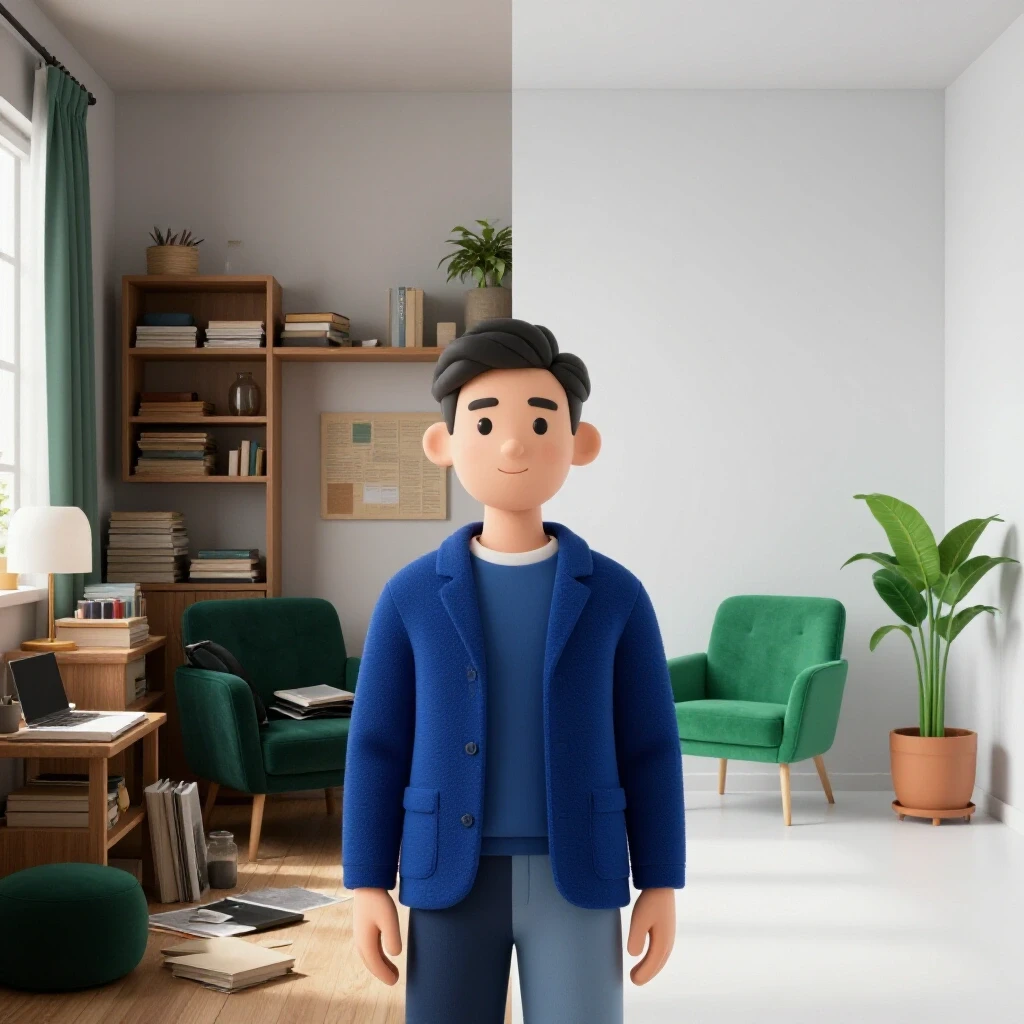
Analyzing the Logistics of Domestic Chaos
Spatial capacity refers to the maximum amount of items a room can hold before it stops functioning for its intended purpose. When we ignore these limits, we create bottlenecks where items pile up because they have no designated “home” or the home is too hard to reach. Understanding this helps us move from reactive cleaning to proactive system design.
In my professional life, if a warehouse is at 95% capacity, it becomes inefficient. The same applies to our homes. When every shelf is packed, the effort required to put something away increases. I noticed my kids wouldn’t put their shoes in the cubbies because the cubbies were already stuffed. We were operating at a spatial deficit. Environmental psychology suggests that visual noise—the constant sight of unorganized items—triggers a cortisol response in the brain. This mental fatigue makes it even harder to make decisions about what to keep, leading to a downward spiral of clutter.
To fix this, we had to stop looking at organization as a weekend project and start looking at it as a flow problem. We analyzed our daily routines to see where items naturally landed. Interestingly, most of our clutter wasn’t caused by laziness. It was caused by “high-friction” storage. If it takes more than two steps to put an item away, it will likely stay on the counter.
| System Type | Retrieval Steps | Success Rate | Maintenance Effort |
|---|---|---|---|
| Open Bin/Basket | 1 Step (Drop in) | Very High | Low |
| Lidded Box (Stacked) | 4+ Steps (Move top boxes, lift lid) | Very Low | High |
| Drawer with Dividers | 2 Steps (Open, place) | High | Medium |
| Deep Cabinet | 3+ Steps (Reach, move items) | Medium | High |
Reducing System Friction for Sustainable Success
Retrieval friction is the physical and mental effort required to get an item out of storage or put it back. Low-friction systems use open containers, clear sightlines, and logical placement to make tidying feel almost automatic. By reducing these steps, we ensure that the system works even when we are tired or busy.
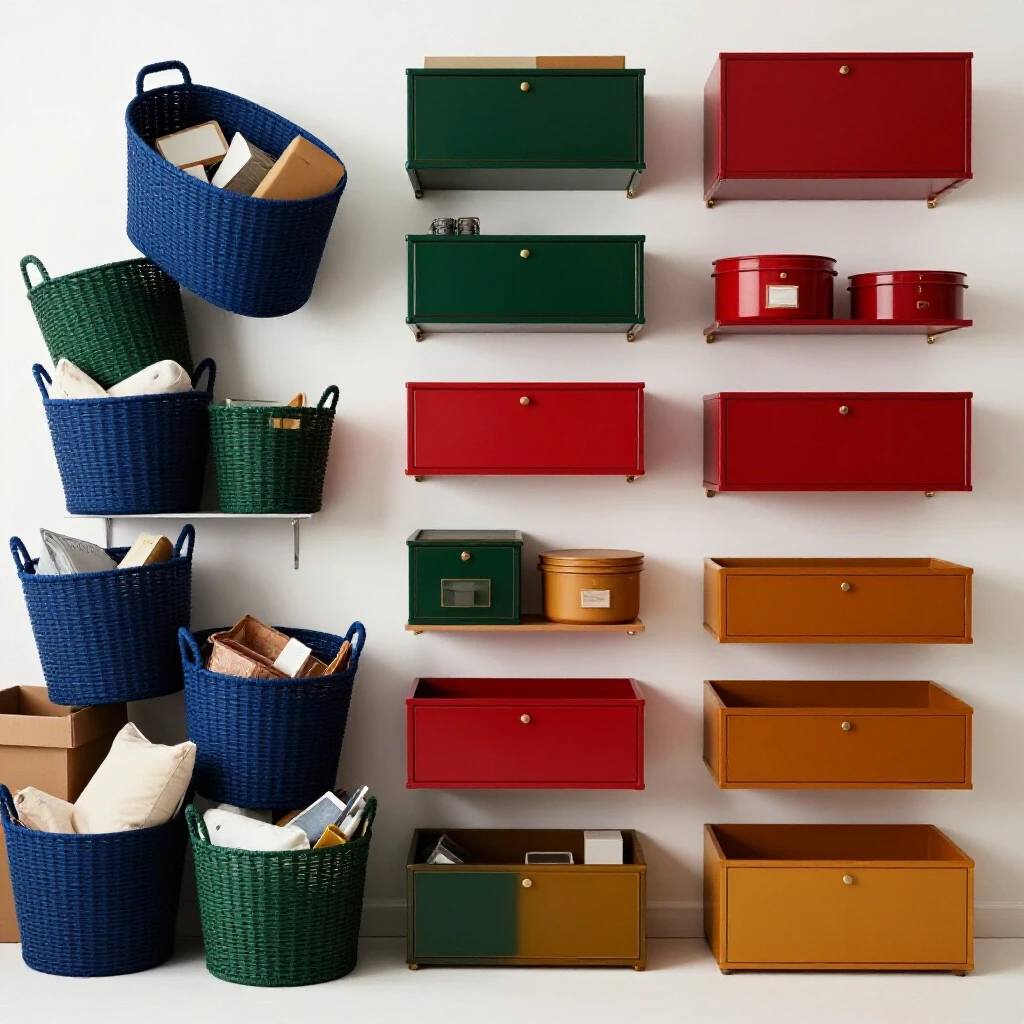
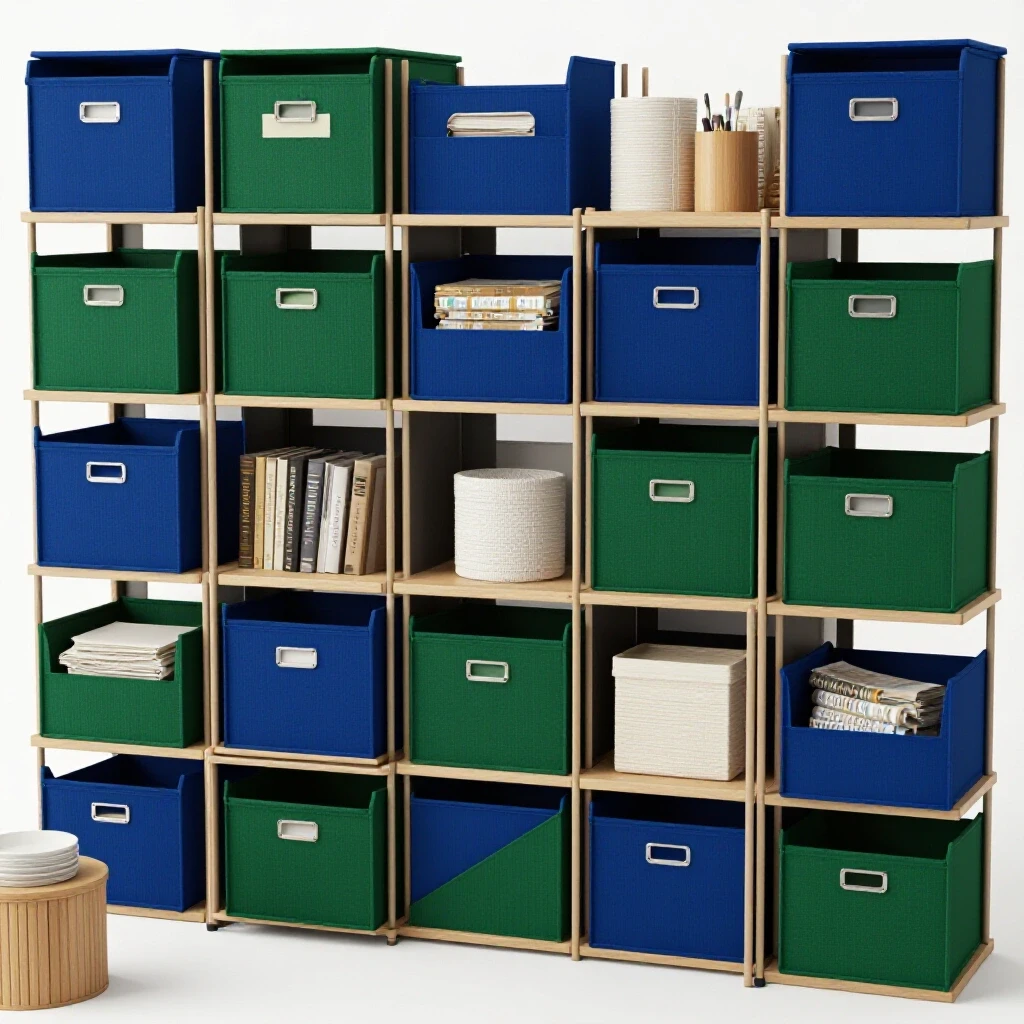
Our biggest mistake was buying beautiful, opaque bins with heavy lids. They looked great on social media, but they were a disaster for a family with young children. My kids couldn’t see what was inside, so they would dump the whole bin out to find one toy. Then, the lid made it too difficult to put things back. We shifted to clear, open-topped containers for items used daily. This simple change in our home organization systems reduced our evening cleanup duration significantly because the “sorting speed” increased when everyone could see exactly where things belonged.
We also looked at the “flow rate” of our belongings. Items that are used every day should live in the “prime real estate” zone—between the waist and eye level. Items used once a month can go higher or lower. By mapping our storage based on frequency of use rather than just category, we stopped the constant digging that creates secondary clutter.
- Prime Zone: Daily use (Keys, school bags, coffee pods).
- Secondary Zone: Weekly use (Cleaning supplies, gym gear).
- Deep Storage: Seasonal use (Holiday decor, heavy coats).
Adapting Interior Layouts to Human Behavior
Zoning is the practice of dividing a room into specific areas based on the activities that happen there. Instead of organizing by item type, we organize by “mission.” This aligns the physical space with the actual habits of the family, making it easier to maintain a functional home storage environment without constant reminders.
In our journey toward a more manageable home, we realized our “drop zone” near the front door was a major bottleneck. Everyone would walk in and dump everything on the kitchen island. Instead of fighting that habit, we modified the layout. We placed a large, open basket right where the mail usually landed and installed low hooks for backpacks. We didn’t change our behavior; we changed the environment to catch the behavior.
This is what I call a “path of least resistance” layout. If you find that a certain corner always gathers piles of clothes, don’t just clean it. Ask why the clothes are landing there. Is the hamper too far away? Is the closet door too heavy? In our case, adding a simple DIY hook on the back of the bedroom door solved a three-year-old laundry pile problem.
The Psychology of Sustained Simplicity
Cognitive load is the amount of mental effort being used in the working memory. A cluttered home increases this load because every object represents a “to-do” or a decision. By simplifying our surroundings, we free up mental energy for our families and our work, leading to a more peaceful daily life.
Research in organizational behavior shows that people are more likely to maintain a system they helped create. I involved my children in the decluttering journey by letting them decide the “capacity” for their toy bins. We agreed that once the bin was full, we couldn’t add more without taking something out. This taught them about spatial limits without it feeling like a punishment. It shifted the focus from “getting rid of things” to “making room for what we love.”
We also moved away from “visual organization”—where things just look neat—to “functional organization.” A functional system might not always look like a magazine cover. It might have a few open baskets or mismatched labels. However, if it stays organized for more than a week, it is a superior system. We prioritize the “reset time” over “perfection.” If we can’t reset the living room in under ten minutes, the system is too complex.
Building Systematic Habit Loops
A habit loop consists of a cue, a routine, and a reward. In a home setting, the “cue” is often finishing a task (like dinner), the “routine” is a quick spatial reset, and the “reward” is the feeling of calm the next morning. Establishing these loops is the final step in sustainable decluttering.
We implemented a “one-in, one-out” rule for larger categories, but we also focused on “micro-habits.” For example, we practiced “closing duties,” a term I borrowed from the restaurant industry. Before bed, we spend a small amount of time resetting the kitchen and living room. Because our storage solutions for families are now low-friction, this doesn’t feel like a chore. It feels like preparing for a successful tomorrow.
- Audit the Friction: Identify which bins or cabinets are rarely used or always messy.
- Map the Flow: Observe where items naturally pile up for three days.
- Simplify the Container: Replace lids with open tops or clear fronts.
- Label for Everyone: Use icons or simple words so even the youngest family members know the system.
- Monitor the Capacity: If a drawer is hard to close, it has reached its spatial limit.
Frequently Asked Questions
Why does my house get messy again so quickly after I spend all day cleaning? This usually happens because the storage systems have too much “friction.” If it takes more effort to put something away than to leave it on the counter, the item will stay on the counter. You likely have “visual” systems that look good but don’t align with your family’s natural movements.
How do I get my kids to follow an organization system? The key is to use “one-step” storage. For children, a lid is a barrier. Use open baskets or low hooks. When the system matches their physical height and requires zero complex sorting, they are much more likely to participate in reducing household clutter.
What is the “spatial capacity” rule? Think of your home like a vessel. Once it is 80% full, it becomes difficult to move items in and out. When you exceed this capacity, clutter happens automatically. The goal is to keep your storage at a level where you can still see the back of the shelf or the bottom of the bin.
Is it better to organize by category or by room? Organize by “activity zones.” Keep everything you need for a specific task in the place where that task happens. For example, keep coffee pods, mugs, and spoons all in one “coffee station” zone rather than in three different cabinets.
How do I deal with “decision fatigue” when decluttering? Decision fatigue happens when you try to sort too many items at once. Use a “sorting log” to track your progress and set small, manageable goals. Don’t ask “Do I want this?” Instead, ask “Does this item fit within the spatial capacity of this room?”
What are low-maintenance storage solutions? These are containers that don’t require careful stacking or precise folding. Baskets, bins without lids, and wall-mounted hooks are all low-maintenance. They allow for “drop-and-go” tidying, which is more sustainable for busy professionals.
How do I manage the constant inflow of mail and school papers? Create a “landing zone” with a dedicated tray or basket. Process it daily at a set time. The goal is to prevent the papers from ever touching the kitchen counter, which is a high-traffic “prime zone” that should stay clear.
What if my spouse isn’t on board with the new systems? Focus on reducing friction for their specific pain points. If they always leave their keys on the table, put a small dish there. When they see that the new system makes their life easier without adding work, they are more likely to support the broader decluttering journey.
How often should I “reset” my home? A daily “micro-reset” of 10 to 15 minutes is more effective than a five-hour cleaning session once a month. This prevents the “clutter creep” that leads to mental fatigue.
Can I organize my way out of having too much stuff? No. Logistics teaches us that you cannot organize your way out of a capacity problem. If you have more items than your home can comfortably hold, the best organization system in the world will eventually fail. Reduction must come before organization.
(This article was written by one of our staff writers, Christopher Bennett. Visit our Meet the Team page to learn more about the author and their expertise.)