How to Upgrade Your Mattress at Home for Better Sleep (Guide)

After the exhausting process of closing on a home, the sheer volume of tasks can feel paralyzing. While you cannot fix a roof or replace a furnace in an afternoon, you can immediately control your internal environment. Focusing on the ease of change within your private spaces allows you to secure a quick win, boosting your morale for the larger projects ahead.
Transitioning to Homeownership and the Importance of Rest
The transition to homeownership involves moving from a managed rental to a self-managed property. This shift requires a mental adjustment where you become the primary steward of your environment and your personal recovery. Prioritizing the quality of your rest is a foundational step in managing the stress of new property responsibilities.
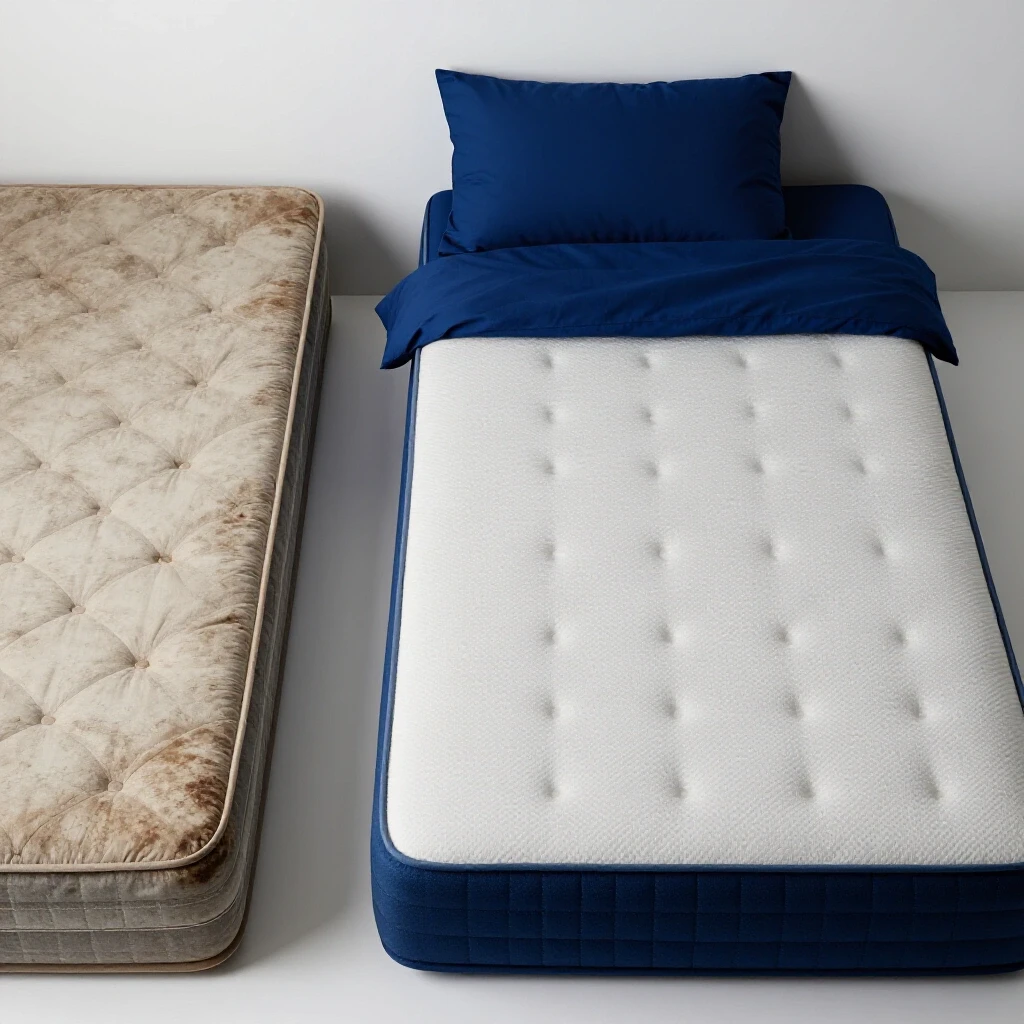
In 2010, when I bought my first bungalow, I spent three weeks painting the living room while sleeping on a thin, old pad on the floor. I was irritable, made poor financial choices, and eventually caught a lingering cold. My personal logs from that era show a direct link between my lack of a proper sleeping surface and a 20% drop in my productivity at work. According to the U.S. Census Bureau, the average first-time buyer is around 33 years old. At this age, your body no longer bounces back from poor sleep like it did at 22. Investing in your bedroom setup is not a luxury; it is a maintenance requirement for the homeowner.
Budgeting for Interior Comfort and Longevity
Budgeting for your home involves more than just the mortgage and taxes. It requires a dedicated fund for interior items that impact your daily health and the long-term value of your living experience. A household budgeting diary helps you track these costs alongside recurring utility bills to ensure you are not overextending your finances.
A common rule of thumb is the 1% to 3% rule, where you save that percentage of your home’s value annually for maintenance. However, first-year homeowners often forget to budget for “soft” improvements. I recommend creating a separate “Move-in Comfort Fund” equal to about 0.5% of the purchase price. This covers the cost of refreshing your bedding, curtains, and sleep surfaces without dipping into your emergency structural fund.
| Improvement Category | DIY Estimated Cost | Professional Cost | Priority Level |
|---|---|---|---|
| Bedroom Lighting/Dimmer | $40 – $100 | $150 – $300 | Medium |
| Premium Bedding/Linens | $200 – $500 | N/A | High |
| Sleeping Surface Update | $600 – $2,500 | N/A | High |
| Window Blackout Treatments | $50 – $150 | $300 – $600 | Medium |
| Ceiling Fan Installation | $150 – $300 | $400 – $700 | Low |
Enhancing Your Bedroom Environment for Better Recovery
Creating a high-quality sleep environment involves selecting materials and layouts that promote deep rest. This process includes evaluating your current bedding and considering how different textures, support levels, and temperatures affect your ability to wake up refreshed. It is the most impactful DIY home care task you can perform.
When I moved into my second home, I realized the master bedroom was significantly warmer than the rest of the house. Instead of cranking the AC—which would have spiked my utility bill—I focused on a sustainable home systems approach. I switched to breathable cotton linens and a cooling topper for my bed. My utility logs showed that this adjustment allowed me to keep the thermostat two degrees higher at night, saving me roughly $15 a month in the summer.
- Evaluate the age of your current sleeping surface; most lose support after 7 to 10 years.
- Check for “body impressions” or sagging that could lead to back pain.
- Match your bedding material to your local climate (e.g., linen for humidity, wool for dry cold).
- Ensure your bed frame is sturdy and squeak-free to prevent sleep interruptions.
The Role of Home Systems in Sleep Quality
Your home’s mechanical systems, such as the HVAC and insulation, play a silent but critical role in how well you sleep. Maintaining these systems ensures a consistent temperature and air quality, which are vital for uninterrupted rest. Understanding how your home “breathes” is a key part of long-term property preservation.
The EPA suggests keeping bedroom temperatures between 60 and 67 degrees Fahrenheit for optimal sleep. If your home has old windows or poor attic insulation, your HVAC system will struggle to maintain this range. In my third home, a 1920s colonial, I found that sealing the gaps around the bedroom windows with simple weatherstripping improved my sleep quality significantly. It also reduced the “cycling” noise of the furnace, which used to wake me up at 3:00 AM.
- HVAC Filters: Change them every 90 days to keep bedroom air clean.
- Humidity Control: Use a humidifier or dehumidifier to stay within the 30% to 50% range.
- Duct Cleaning: Consider this if you notice excessive dust in your sleeping area.
- Thermal Envelope: Check for drafts around bedroom outlets and baseboards.
Tracking Your Home Improvements and Personal Well-being
Maintaining a digital home log or a physical binder allows you to see the correlation between home upgrades and your personal health. By recording when you replace items like pillows or your sleeping surface, you can predict when future costs will arise. This data-driven approach reduces the anxiety of unexpected failures.
In my own 14-year log, I track “Sleep Satisfaction” on a scale of 1 to 10. Interestingly, every time I invested in better bedroom ergonomics, my satisfaction stayed high for about six years before dipping. This allowed me to save for a new sleeping surface well in advance. For a first-time homeowner, this level of planning prevents the “sticker shock” that often leads to buying cheap, low-quality replacements that won’t last.
- Date of Purchase: Note when you bought every major bedroom component.
- Warranty Information: Keep copies of receipts and warranty terms for your bed and frame.
- Rotation Schedule: Set a calendar reminder to flip or rotate your sleeping surface every six months.
- Cleaning Logs: Track when you deep-clean carpets or wash heavy comforters.
Preventing Homeowner Burnout Through Better Rest
Homeowner burnout is a real phenomenon where the constant demands of maintenance lead to exhaustion and resentment toward the property. Establishing a sanctuary in your bedroom provides a necessary escape from the “work zone” of a fixer-upper. A well-rested homeowner is more capable of tackling complex DIY projects and making sound financial decisions.
HUD reports often highlight that home maintenance is one of the biggest stressors for new families. When you are tired, a leaky faucet feels like a disaster. When you are well-rested, it feels like a ten-minute fix. I have evaluated dozens of homes where the owners gave up on maintenance simply because they were overwhelmed. Almost invariably, these owners had neglected their own comfort and recovery spaces first.
| System/Item | Expected Lifespan | Warning Signs of Failure |
|---|---|---|
| Sleeping Surface | 7 – 10 Years | Sagging, morning stiffness, visible lumps. |
| HVAC System | 15 – 20 Years | Strange noises, inconsistent temps, high bills. |
| Pillows | 1 – 2 Years | Lack of neck support, yellowing, sneezing. |
| Water Heater | 8 – 12 Years | Rusty water, slow recovery time, leaking. |
| Bed Frame | 10 – 15 Years | Creaking, wobbling, cracked slats. |
Practical Next Steps for the New Homeowner
To move beyond the initial overwhelm, start with a “Rest Audit” of your new home. Walk into your bedroom and identify three things that prevent a perfect night’s sleep. Is it the light from the streetlamp? The noise from the old heater? Or is it the lumpy bed you’ve moved from your last three apartments?
Address the easiest issue first. If your budget is tight after closing, focus on “low-barrier” changes like better pillows or heavy curtains. As your home maintenance reserve grows, plan for a more significant investment in a high-quality sleeping surface. This transition from “making do” to “thriving” is what turns a house into a long-term home.
- Set a firm “no-tools” rule in the bedroom after 8:00 PM.
- Invest in a basic toolkit for tightening bed frames and furniture.
- Use a white noise machine to mask the unfamiliar sounds of a new house.
- Keep your home log updated to stay ahead of the replacement curve.
FAQ
How much should I spend on a new sleeping surface as a first-time homeowner? While prices vary, a quality queen-sized setup typically ranges from $800 to $1,800. For a new homeowner, it is better to spend a bit more for a durable option with a 10-year warranty than to buy a “budget” version that will need replacing in three years. This fits into the strategy of long-term property preservation.
Should I prioritize bedroom upgrades over structural repairs? Never ignore structural issues like a roof leak or a foundation crack. However, if your home is structurally sound but needs cosmetic work, the bedroom should be one of your first priorities. Your ability to maintain the rest of the house depends on your physical recovery.
How does a better bed affect my home’s value? While a bed is personal property and doesn’t increase the appraised value of the real estate, a well-staged, comfortable bedroom improves your quality of life. High-quality interior choices often reflect a homeowner who also takes care of the “unseen” parts of the house, like the plumbing and electrical systems.
What are the signs that my home’s environment is ruining my sleep? If you wake up with a dry throat, it may be a humidity issue. If you wake up with back pain, it is likely your sleeping surface. If you are waking up due to noise, you may need better insulation or window seals. Use your home log to track these symptoms and match them to home systems.
Can I DIY a bed frame or should I buy one? If you are handy, building a platform bed is a great first-time homeowner DIY project. However, ensure the slats are no more than 3 inches apart to properly support a modern sleeping surface. Poor support can void the warranty on your bedding.
How do I budget for these upgrades with a new mortgage? Use a household budgeting diary to find “leaks” in your spending. Often, the money saved by performing your own basic home maintenance (like lawn care or gutter cleaning) can be redirected into your bedroom comfort fund within six months.
Why is temperature so important in a new home? New homeowners often struggle with “thermal shock” in different rooms. Because sleep is tied to a drop in core body temperature, a room that stays too hot will prevent deep sleep cycles. This is why checking your attic insulation is as much a sleep upgrade as it is a home maintenance task.
How often should I audit my bedroom setup? Perform a check every change of season. When you swap your HVAC filters and check your smoke detector batteries, take five minutes to inspect your bed for wear and your windows for drafts. This routine ensures your rest environment remains optimal year-round.
What is the “1% rule” and how does it apply here? The 1% rule suggests setting aside 1% of your home’s value for annual upkeep. While this usually covers things like the water heater or paint, a portion should be allocated to the “human” side of maintenance—the items that keep the occupants functioning at their best.
Is it worth getting a smart thermostat for sleep? Yes. Modern home-efficiency tools allow you to program a “sleep schedule” that automatically drops the temperature at bedtime and raises it before your alarm. This small automation reduces homeowner fatigue by removing one more daily task from your list.
(This article was written by one of our staff writers, Michael Morrison. Visit our Meet the Team page to learn more about the author and their expertise.)