How to Fix Common Old House Noise Problems (Step-by-Step Guide)

Imagine sitting in your 1920s craftsman bungalow on a still evening. The house is quiet until a sudden, sharp “crack” echoes from the floorboards, followed by a rhythmic “thrum” vibrating through the walls as the furnace kicks on. These sounds are often the house communicating its physical state, yet for many homeowners, they represent a source of anxiety and potential repair bills.
During my 17 years as a facilities technician, I have learned that older homes possess a unique acoustic language. I once spent three days in a 1940s colonial tracking a “phantom knocking” that the owners feared was a structural failure. It turned out to be a copper pipe expanding against a wooden notch in a floor joist. By applying building science principles—specifically understanding how materials expand, contract, and transmit energy—we can diagnose these disturbances before they lead to mechanical failure or structural degradation.
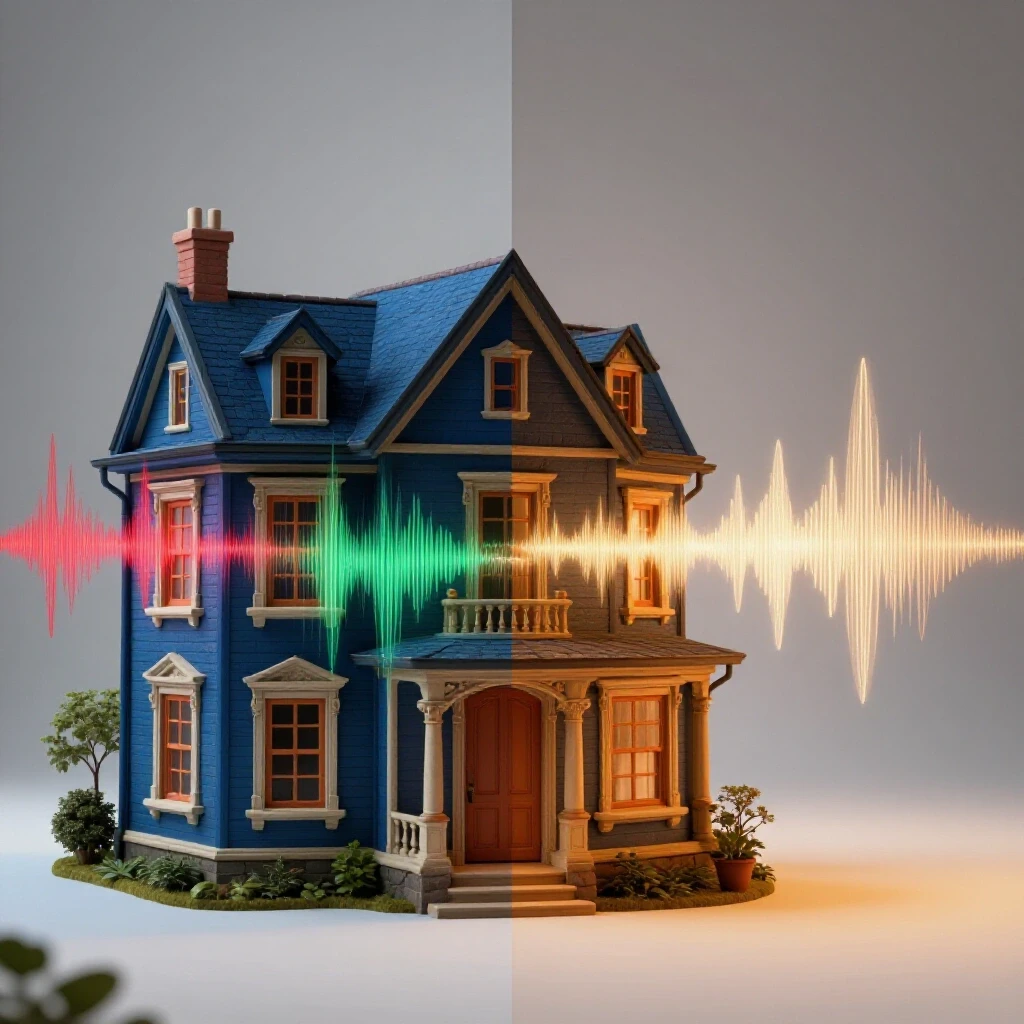
Understanding Structural Acoustic Transmission in Legacy Homes
Acoustic transmission is the process by which energy travels through building materials or air gaps. In older residences, this often occurs because materials like lath, plaster, and solid oak are dense and vibrate easily when in direct contact with mechanical systems or other structural members.
Building science teaches us that sound follows the path of least resistance. In a pre-1970 home, these paths are often “flanking paths,” which are hidden gaps in the building envelope or interior partitions. When I assess a property, I look for where the structural protection has been compromised by age or settling. If air can move through a gap, sound will follow. For example, a 1/16-inch gap under a bedroom door or around a window sash can reduce the acoustic privacy of a room by nearly 50 percent.
The Mechanics of Impact and Airborne Sound
Impact sound occurs when an object strikes a surface, such as a footstep on a hardwood floor, sending vibrations through the joists. Airborne sound travels through the atmosphere and enters rooms through gaps in window seals or floor penetrations.
Understanding the “why” behind these sounds is vital for preventative home care. When wood dries out over decades, its moisture content can drop below 6 percent, causing it to shrink. This shrinkage creates small voids between floorboards and joists. When you step on the floor, the boards rub together, creating high-frequency friction sounds. This is not just a nuisance; it is a diagnostic sign that the flooring fasteners may be loosening or that the indoor humidity is too low, which can eventually lead to cracked wood or structural gaps.
Essential Diagnostic Tools for Tracking Household Vibrations
Residential diagnostics require a systematic approach and specific tools to identify the root cause of a disturbance. Tracking a sound to its source prevents the mistake of “shotgunning” repairs, where a homeowner spends money on the wrong fix.
I recommend a specific kit for any homeowner managing an older property. These tools allow you to perform a non-invasive audit of your home’s mechanical and structural health.
- Mechanic’s Stethoscope: This tool allows you to isolate sounds within walls or pipes. By placing the probe against a surface, you can hear if a “clunk” is originating from a water pipe or a shifting timber.
- Incense Sticks or Smoke Pens: These are excellent for finding air leaks. If you hold a lit incense stick near a window sash or baseboard, the smoke will dance or dissipate rapidly if there is a draft. Sound enters exactly where that air enters.
- Moisture Meter: Since wood density changes with moisture, a meter helps you determine if a squeak is due to seasonal drying or a hidden leak. Ideal lumber moisture content should stay between 8 percent and 12 percent.
- High-Lumen Flashlight: Used for “shining the grain” to look for movement marks or “rubbing” on joists where two pieces of wood have been friction-locking.
Symptom-to-Root-Cause Diagnostic Tree
| Observed Symptom | Potential Root Cause | Physical Metric to Check |
|---|---|---|
| High-pitched squeak in floor | Wood-on-wood friction | Moisture content below 7% |
| Metallic “bang” when heat starts | Ductwork expansion (Oil canning) | 1/4-inch clearance around vents |
| Rhythmic “thump” in walls | Water hammer / High PSI | Water pressure over 60 PSI |
| Whistling near windows | Failed sash seals | Gap width exceeding 1/32-inch |
| Dull “thud” in stairs | Loose tread-to-riser connection | Movement over 1/8-inch |
Addressing Floor Joist Friction and Subfloor Movement
Floor-related sounds are among the most common complaints in legacy homes, often caused by the natural “seasoning” of old-growth lumber. As the wood loses moisture over 50 or 60 years, the nails used to secure the subfloor can lose their grip, a phenomenon known as “nail withdrawal.”
When I investigate a squeaky floor, I first check the basement or crawlspace to see if the subfloor has separated from the joist. If you see a gap, even as small as 1/32 of an inch, the floor will deflect and groan when walked upon. A preventative home care step is to use “squeak-reduction” screws that snap off below the carpet or wood surface, but a more aesthetic DIY approach involves using powdered graphite. Dropping graphite into the seams between floorboards lubricates the wood, stopping the friction without requiring a major renovation.
Strategic Furniture Placement for Vibration Dampening
Large, heavy pieces of furniture can act as “mass dampers” in a room. In building science, adding mass to a vibrating surface changes its resonant frequency. If a particular area of your floor feels “bouncy” or loud, placing a heavy bookshelf or a solid wood sideboard over the affected joists can stabilize the assembly. This is a craft-based solution that integrates lifestyle with structural protection.
Mitigating Rattle and Drafts in Historic Window Sashes
Old windows are often blamed for being inefficient, but they are actually masterpieces of repairable engineering. Most noise issues in pre-1970 windows stem from the weight-and-pulley system or the lack of a tight seal between the sash and the jamb.
If your windows rattle when the wind blows, the “stop” (the thin strip of wood holding the sash in place) has likely moved. This creates a gap where the sash can vibrate. I suggest a simple DIY fix: repositioning the window stops. By loosening the screws and moving the stop 1/16 of an inch closer to the sash, you create a tighter seal that prevents vibration.
Using Textiles for Acoustic Insulation
Layered textiles are a powerful tool for the prevention-focused homeowner. Heavy, floor-to-ceiling curtains made of dense fabrics like velvet or heavy linen serve two purposes. First, they provide a thermal barrier that helps maintain a consistent R-value at the window. Second, they absorb high-frequency sounds from the street before they can bounce off the hard plaster walls. For the best results, ensure the curtains have “fullness,” meaning the fabric is 2 to 2.5 times the width of the window.
Managing Thermal Expansion in Metal Ductwork
The “bang” or “pop” you hear when your HVAC system starts is usually “oil canning.” This happens when the flat metal surfaces of the ductwork expand rapidly due to the temperature change. In older homes, these ducts were often installed with tight metal hangers that do not allow for movement.
To address this, I look for places where the duct is restricted. If a duct is pinned too tightly against a floor joist, the friction causes a loud “snap” during the expansion cycle. A simple maintenance step is to insert a small piece of rubber padding or even a scrap of heavy felt between the duct and the wood. This allows the metal to slide silently as it grows and shrinks.
Plumbing Repair Guides for Quieting “Water Hammer”
Water hammer is a loud thumping sound that occurs when a valve closes quickly, sending a shockwave through the plumbing. In older homes with copper or galvanized pipes, this vibration can shake the entire wall.
- Check your water pressure: Use a pressure gauge on an outdoor bib. If it is over 60 PSI, your pressure-reducing valve (PRV) may have failed.
- Secure loose pipes: Ensure pipes are supported every 4 to 6 feet using padded clamps.
- Air chambers: Older homes often have vertical pipe stubs near faucets that act as air cushions. Over time, these fill with water. Draining your entire house system and refilling it can restore these air pockets.
Aesthetic DIY Solutions for Acoustic Dampening
Beyond mechanical fixes, you can use interior design to manage the acoustic environment of a legacy property. Hard surfaces like plaster and hardwood reflect sound, creating an “echo chamber” effect.
- Custom Acoustic Panels: You can build frames out of 1×2 lumber, fill them with cotton batting or mineral wool (if safe/covered), and wrap them in decorative fabric. These panels, when hung like art, significantly reduce “room flutter.”
- Area Rugs and Pads: A rug alone is not enough. Use a dense felt rug pad at least 1/4-inch thick. This adds the necessary mass to decouple your footsteps from the floor structure.
- Bookshelves as Diffusers: A wall of books is one of the best acoustic treatments available. The varying depths of the books break up sound waves, preventing them from bouncing directly back into the room.
Preventative Home Care: A Multi-Year Maintenance Schedule
Maintaining an older home requires a proactive approach rather than a reactive one. By following a schedule, you can catch minor issues before they become structural failures.
Seasonal Acoustic and Structural Audit
- Spring: Check window sashes for movement. Apply fresh wax or silicone spray to tracks to ensure smooth, quiet operation. Inspect exterior drainage; wet soil near the foundation can cause the house to settle, leading to new creaks.
- Summer: Monitor humidity levels. If the house gets too humid (above 55 percent), wood swells and can cause doors to bind and groan.
- Autumn: Inspect the furnace and ductwork. Listen for the “oil canning” sounds mentioned earlier. Ensure all registers are clear of furniture to prevent pressure imbalances.
- Winter: Check for drafts using the incense method. Cold air entering the home often brings exterior noise with it. Use DIY draft stoppers—long fabric tubes filled with dried beans or sand—at the base of exterior doors.
DIY vs. Professional Scope Limits
Knowing when to call a professional is a key part of structural protection. Some sounds are benign, while others signal a need for specialized intervention.
- DIY Scope: Lubricating hinges, tightening floor screws, adding weatherstripping, installing rugs, and securing loose pipes with clamps.
- Professional Scope: If you hear a persistent “hissing” (potential gas or high-pressure water leak), “crackling” behind an outlet (electrical arcing), or if a floor joist has a visible crack longer than 6 inches, it is time to call a specialist.
I once consulted on a home where the owner tried to fix a “groaning” floor by adding more and more nails from above. He ended up puncturing a radiator line because he didn’t understand the “utility pathways” within the floor cavity. Always map your utilities before driving fasteners into the structure.
Summary of Maintenance Metrics for a Quieter Home
To keep your legacy property in top shape, aim for these baseline parameters: – Indoor Humidity: 35% to 50% (prevents wood shrinkage/swelling). – Water Pressure: 40 to 60 PSI (prevents water hammer and pipe fatigue). – Window Gap Tolerance: Less than 1/32-inch. – Wood Moisture Content: 8% to 12%. – Floor Deflection: Less than 1/360th of the span.
By focusing on these metrics and using craft-based DIY solutions, you can preserve the character of your older home while enjoying a peaceful, quiet living environment. Tracking the source of a sound is the first step in mastering the care of your property and avoiding the “surprise” bills that come from deferred maintenance.
Frequently Asked Questions
Why does my house make “popping” noises only at night?
This is usually caused by thermal contraction. As the sun goes down, the temperature drops, and the materials in your home—especially the wood framing and the roof decking—shrink. In older homes, these materials are often tightly fitted, and the “pop” is the sound of tension being released as the materials move slightly against one another. It is generally a normal part of a building’s lifecycle.
Can I use spray foam to stop my windows from rattling?
In pre-1970 homes, I advise against using standard expanding spray foam around windows. These windows often have “weight pockets” where lead or iron weights hang on cords to balance the sash. If you fill that cavity with foam, the window will no longer open. Instead, use “non-expanding” foam specifically for windows, or better yet, use traditional rope caulk or spring-bronze weatherstripping.
How do I know if a floor squeak is structural or just a nuisance?
A nuisance squeak is usually a high-pitched “chirp” caused by two boards rubbing. A structural issue is often a deep “groan” or “thud” accompanied by a visible dip in the floor. If the floor moves more than 1/4-inch when you step on it, you should inspect the joists below for signs of rot, insect damage, or “checking” (large cracks).
Why do my pipes “sing” or whistle when the water is running?
A whistling sound in plumbing is often caused by a restriction in the flow. This could be a partially closed valve, a buildup of mineral scale in a galvanized pipe, or a worn-out washer in a faucet. It is a sign of turbulence, which can eventually wear down the pipe wall.
Is there a way to quiet a noisy radiator without replacing it?
Yes. Radiator noise is often caused by trapped air or improper sloping. Ensure the radiator is tilted slightly toward the “steam inlet” side (for one-pipe systems) so that condensed water can drain back out. If water gets trapped, the incoming steam hits it, causing a loud “clanging” known as “water hammer.”
What is the best fabric for DIY sound-dampening panels?
Look for “breathable” fabrics. If you can blow air through the fabric easily, sound waves can also pass through it to be absorbed by the batting inside. Burlap, linen, and certain polyesters work well. Avoid heavy vinyl or tightly woven silks for the face of the panel, as they will reflect the sound instead of absorbing it.
How can I tell if my ductwork needs more hangers?
If you can see the duct sagging or if it vibrates visibly when the air kicks on, it needs support. Hangers should be placed every 5 to 8 feet. Use “wide-strap” hangers rather than thin wire to distribute the weight and reduce the chance of the metal cutting into the support.
Does painting old floorboards make them squeak more?
Interestingly, it can. Paint can act as a “glue” between the boards. When you walk on them, the paint bond breaks or the boards rub against the dried paint, creating a “crunching” or “cracking” sound. Keeping the seams clear or using a floor wax can help mitigate this.
What is “flanking noise” in an old house?
Flanking noise is sound that travels between rooms through indirect paths. Common culprits include shared air ducts, gaps around floor penetrations for pipes, and even the space behind baseboards. Sealing these small gaps with a paintable acoustic sealant is a highly effective, low-cost DIY fix.
Can furniture really stop a wall from vibrating?
Yes, it acts as a “damper.” By placing a heavy object against a wall, you increase the energy required to make that wall vibrate. This is particularly effective on lath-and-plaster walls, which are already quite heavy and dense. A heavy armoire can effectively “tune out” vibrations from a nearby hallway or mechanical room.
(This article was written by one of our staff writers, Daniel Whitaker. Visit our Meet the Team page to learn more about the author and their expertise.)