Why Is My Sump Pump Running Often? Causes & Fixes (Guide)

It is 2:00 AM on a Tuesday, and the rhythmic thrum of a motor beneath the floorboards has become the soundtrack to your insomnia. For those of us who maintain older properties, that sound is both a comfort and a curse. It means the system is working, but it also prompts a nagging question: why is it working so hard? During my 17 years as a facilities technician, I have spent countless nights in mechanical rooms and crawlspaces, tracking the movement of water through legacy structures. I have learned that a system cycling every few minutes is rarely a random event; it is a mechanical response to a specific environmental pressure.
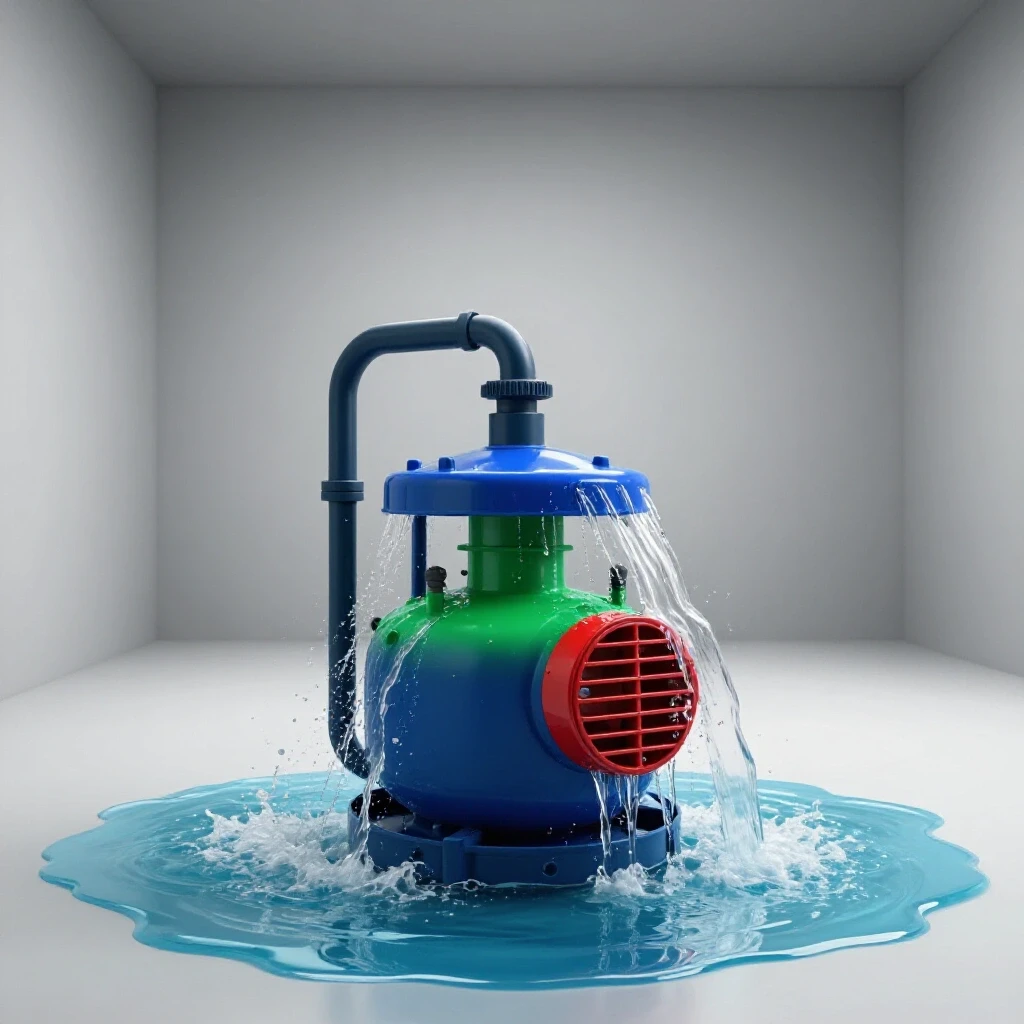
Understanding the relationship between your home’s foundation and the surrounding water table is the first step in preventing a minor annoyance from becoming a catastrophic structural failure. When a water management system activates with high frequency, it serves as a primary diagnostic indicator of the home’s overall health. By applying the principles of building science—the study of how heat, air, and moisture move through a structure—we can move beyond guesswork and into systematic residential diagnostics.
Understanding Hydrostatic Pressure and Foundation Integrity
Hydrostatic pressure is the physical force exerted by stationary water against a submerged object, such as your basement walls or floor slab. In the context of older homes, this pressure is the primary driver behind frequent mechanical drainage cycles. When the soil surrounding a foundation becomes saturated, the weight of that water creates immense pressure that seeks any path of least resistance, usually through micro-cracks in concrete or the “cove joint” where the wall meets the floor.
This pressure is not just a moisture issue; it is a structural one. If the water table remains high and the drainage system cannot keep pace, the pressure can lead to “heaving,” where the floor slab cracks or the foundation walls begin to bow inward. My experience with legacy properties has shown that the “what” is the water, but the “why” is often related to soil composition and the lack of a proper capillary break—a material layer that stops moisture from “wicking” into the concrete.
The Physics of Water Intrusion
To effectively manage a basement environment, we must understand how water behaves at a molecular level. Capillary action is the ability of water to flow in narrow spaces without the assistance of, or even in opposition to, external forces like gravity. In an older home with a porous foundation, water can actually climb up through the concrete pores, leading to high humidity and efflorescence—that white, powdery salt deposit often seen on basement walls.
When your drainage system activates frequently, it is often reacting to a rapid rise in the local water table or a failure in the building envelope’s ability to shed water away from the structure. By monitoring the frequency of these cycles, we can estimate the volume of water being moved. For example, a standard 1/3 horsepower pump might move 30 to 40 gallons per minute. If it cycles every two minutes, your foundation is contending with a significant hydraulic load that requires immediate investigation.
Essential Diagnostic Tools for Moisture Assessment
Before performing any physical repairs, a systematic property assessment requires a specific set of tools. Relying on sight and smell is insufficient for early-stage moisture detection. In my facilities logs, I always prioritized data-driven measurements over subjective observations. To master preventative home care, you should assemble a diagnostic kit that allows you to quantify the environmental conditions of your property.
- Pinless Moisture Meter: This tool uses electromagnetic signals to measure the moisture content of materials like wood, drywall, or masonry without leaving holes. A reading above 15% moisture content in framing lumber is a red flag for potential rot or mold growth.
- Infrared (Thermal) Camera: Thermal imaging allows you to see temperature differentials. Since water-saturated areas are typically cooler than dry areas due to evaporative cooling, an IR camera can reveal hidden leaks behind finished walls or under floor slabs.
- Digital Multimeter: This is essential for checking the electrical health of your pump. You should monitor the circuit amperage; a pump drawing significantly more than its rated 4-10 Amps may be experiencing mechanical resistance or a failing motor winding.
- Laser Level or Inclinometer: Used to verify the grading slope of the soil surrounding your foundation. A proper grade should drop at least 1 inch for every foot of distance away from the house for the first six feet.
- Hygrometer: This device measures relative humidity. In a basement, maintaining levels below 50% is critical to preventing the secondary effects of frequent water intrusion, such as wood-destroying fungi.
Symptom-to-Root-Cause Diagnostic Tree
| Observed Symptom | Potential Root Cause | Diagnostic Step |
|---|---|---|
| Pump cycles every 3-5 minutes during dry weather | High local water table or underground spring | Check pit water level with pump off; monitor recovery rate. |
| Pump cycles rapidly during heavy rain only | Poor gutter transition or negative grading | Inspect downspouts; use a laser level to check soil slope. |
| Motor hums but no water moves | Seized impeller or blocked discharge line | Check for debris in the intake screen; verify check valve orientation. |
| Water splashes back into the pit after cycle | Failing or absent check valve | Inspect the vertical discharge pipe for a functioning one-way valve. |
| Constant trickling sound in the pit | Foundation drain tile blockage | Use a plumbing camera to inspect the interior of the drain tiles. |
Identifying Mechanical Inefficiencies in Water Removal Systems
When a pump activates more often than expected, the issue may lie within the mechanical assembly itself rather than the volume of water. One of the most common failures I encountered in 17 years of facility maintenance was “short cycling.” This occurs when the pump turns on and off too quickly, which significantly reduces the lifespan of the motor due to the high electrical “inrush current” required for every start.
Short cycling is often caused by a float switch that is set too low or a pit that is too small for the pump’s capacity. If the “on” and “off” points are only a few inches apart, the pump will struggle to move a meaningful volume of water before shutting down, only to be triggered again seconds later as the pit refills. Adjusting the float tether or vertical switch travel to maximize the “drawdown” (the volume of water removed in one cycle) is a critical step in structural protection.
The Role of the Check Valve
The check valve is a simple but vital component: a one-way valve installed in the discharge line that prevents water from flowing back into the pit once the pump stops. If this valve fails, several gallons of water can rush back down the pipe, immediately raising the water level and triggering another cycle. This creates a “loop” where the pump is moving the same water repeatedly.
You can diagnose this by listening. A loud “thud” or “clunk” (water hammer) when the pump stops often indicates a failing valve or one that is under high stress. Conversely, if you hear water splashing back into the pit immediately after the motor cuts out, the valve is likely stuck open. Replacing a $20 check valve can prevent the premature failure of a $300 pump and save hundreds in electrical costs over the year.
External Drainage Pathways and Building Envelope Protection
Building science dictates that the best way to manage water is to never let it reach the foundation in the first place. This is the “envelope protection” phase of residential diagnostics. In many older homes, the reason a pump runs frequently is not a high water table, but rather “recycled water.” This occurs when the discharge line deposits water too close to the foundation, where it simply soaks back through the soil and returns to the pit.
Ideally, the discharge line should terminate at least 10 to 20 feet away from the foundation, preferably into a dry well or a daylight exit if the topography allows. Furthermore, the gutter system must be capable of handling the roof’s “watershed.” For every 1,000 square feet of roof, one inch of rain produces approximately 600 gallons of water. If your downspouts are not extended or are clogged, that volume is dumped directly against your basement walls.
Grading and Soil Compaction
Over decades, the soil around older homes tends to settle, often creating a “bowl” effect that traps water against the masonry. This is known as negative grading. When I perform a systemic property assessment, I look for areas where the soil has pulled away from the foundation, creating a “preferential path” for surface water.
- Slope Requirements: Aim for a 5% slope away from the house.
- Soil Type: Use “clean fill” or clay-rich soil near the foundation to act as a cap, preventing water from vertical infiltration. Avoid using mulch or decorative stone directly against the wall, as these can hold moisture.
- Swales: In properties with steep hillsides, a “swale” (a shallow, sod-covered ditch) can be used to redirect runoff around the house rather than toward it.
A Systematic Maintenance Framework for Long-Term Dryness
Preventative home care is not a one-time event; it is a seasonal discipline. In my experience, the homeowners who avoid major repair bills are those who treat their mechanical systems like a commercial facility. This means keeping a log of when the system cycles and performing routine “stress tests” before the rainy season begins.
A common mistake is assuming that a pump will work because it worked last year. Mechanical components—especially those submerged in water—suffer from corrosion, mineral buildup, and “stiction” (static friction) in the switch. By following a structured maintenance checklist, you can identify these issues during a controlled test rather than during a midnight storm.
Preventative Maintenance Schedule
- Monthly (During Wet Seasons): Visually inspect the pit for debris. Ensure the discharge pipe is clear of obstructions like ice or leaves.
- Bi-Annually (Spring and Fall): Perform a “bucket test.” Slowly pour water into the pit to verify the float switch engages and disengages at the correct levels. Check the amperage draw with a multimeter.
- Annually: Remove the pump from the pit and clean the intake screen. Inspect the power cord for any signs of cracking or brittleness. If you have a battery backup system, test the battery’s voltage and ensure the terminals are free of corrosion.
- Every 5 Years: Consider proactive replacement of the primary pump. While some pumps last 10 years, the statistical likelihood of failure increases dramatically after year five. In a high-value basement, the cost of a new pump is cheap insurance.
DIY vs. Professional Scope Limits
Knowing when to call a professional is as important as knowing how to use a wrench. As a facilities technician, I have seen many DIY repairs go wrong because the homeowner didn’t recognize the limits of the existing infrastructure.
DIY Tasks: – Cleaning the pump pit and intake screen. – Extending downspouts and adjusting surface grading. – Replacing a check valve or adjusting a float switch. – Installing a water-leak alarm or smart moisture sensor.
Professional Transition Points: – Electrical Circuit Overload: If the pump frequently trips the GFCI or breaker, a licensed electrician is needed to verify the circuit’s integrity and amperage capacity. – Foundation Cracks: If you observe horizontal cracks or “stair-step” cracking in brickwork, a structural engineer should be consulted to assess hydrostatic damage. – Interior Drainage Installation: If the pump cannot keep up despite being mechanically sound, you may need a professional to install an interior “French drain” or perimeter pressure-relief system. – Sewer Backup: If the water entering the pit has an odor or contains solids, this indicates a cross-connection or failure in the main waste line, requiring a licensed plumber with a sewer camera.
Real-World Case Study: The “Recycled Water” Loop
During my twelfth year in the field, I consulted on a 1920s Tudor home where the basement pump was cycling every 90 seconds during a light drizzle. The homeowner had already replaced the pump twice in three years, fearing the units were “lemons.”
Using a thermal camera, I traced the discharge line. It exited the house and dumped into a decorative “splash block” just two feet from the wall. The IR imaging showed a massive cold plume of water migrating directly back toward the foundation. We extended the discharge line 15 feet into a pop-up emitter in the lawn. The cycling frequency immediately dropped from every 90 seconds to once every four hours. The “mechanical failure” was actually a failure of the drainage pathway. This underscores the importance of looking at the house as a complete system rather than a collection of isolated parts.
Practical Next Steps for Structural Protection
If you are currently dealing with a system that seems to be overactive, do not wait for the next major storm to take action. Start with the “low-barrier” diagnostics that require more observation than money.
- Monitor the Cycle: Time the interval between cycles during a rain event. If it is less than three minutes, you are in the “high-wear” zone.
- Check the Exit: Walk outside while the pump is running. Ensure the water is actually leaving the pipe and moving away from the house.
- Inspect the Check Valve: Ensure your pump isn’t working twice as hard by moving the same water twice.
- Install a Backup: If your home relies heavily on its drainage system, a secondary pump (either battery-powered or water-powered) is not optional; it is a requirement for preventing structural damage during a power outage.
By mastering these routine care steps and understanding the building science behind moisture movement, you can transform your basement from a source of anxiety into a stable, dry part of your home. Prevention is always more cost-effective than restoration.
Frequently Asked Questions
How can I tell if my pump is running too often? There is no universal “correct” frequency, as it depends on your local water table. However, if the pump cycles every few minutes for several days after the rain has stopped, or if it cycles frequently during dry weather, it suggests a high water table or an underground leak that needs investigation.
What is the average lifespan of a residential pump? Most manufacturers suggest a lifespan of 7 to 10 years, but in properties where the system activates frequently, that lifespan can be shortened to 3 to 5 years. Proactive replacement is recommended if the unit shows signs of increased noise, vibration, or higher amperage draw.
Can I use a larger pump to solve the problem of frequent cycling? Not necessarily. A pump that is too powerful (e.g., 3/4 HP when 1/3 HP is sufficient) will empty the pit too quickly, leading to even more frequent short-cycling. The goal is to match the pump’s “Gallons Per Minute” (GPM) to the rate of water inflow while maximizing the pit’s storage capacity.
Is it normal for the pit to always have some water in it? Yes. Most float switches are designed to turn the pump off before the pit is completely dry. This keeps the pump’s intake submerged, preventing “air lock” and keeping the seals lubricated. Usually, 3 to 6 inches of standing water is normal.
Why does my pump make a loud banging sound when it stops? This is typically “water hammer,” caused by the weight of the water in the vertical pipe slamming back against the check valve when the motor stops. Installing a “silent” or “soft-close” check valve can mitigate this noise and reduce mechanical stress on the pipe fittings.
Should I be worried about the white powder on my basement walls? That powder is efflorescence, a sign of moisture migrating through the masonry. While not dangerous itself, it indicates high hydrostatic pressure and a lack of proper exterior waterproofing, which explains why your drainage system is working overtime.
Does a frequent cycle increase my electricity bill significantly? A standard pump uses about the same energy as a small refrigerator when running. While frequent cycling will increase your bill, the primary cost concern is the mechanical wear on the pump and the risk of a flood if it fails, rather than the electrical consumption.
What should I do if the pump runs but the water level doesn’t go down? Immediately check for a “lock” in the pump—an air bubble trapped in the impeller. Most pumps require a small 1/8-inch “weep hole” drilled in the discharge pipe below the check valve to allow air to escape. Also, check for a clogged intake screen or a broken impeller.
(This article was written by one of our staff writers, Daniel Whitaker. Visit our Meet the Team page to learn more about the author and their expertise.)