Best Space-Saving Furniture for Small Homes Under 1,000 Sq. Ft. (Guide)

In my fifteen years as a retail merchandising manager, I have seen thousands of families walk through showrooms looking for the same thing: a home that feels like a sanctuary rather than a storage unit. Living in a home under 1,000 square feet presents a unique challenge that many design magazines gloss over. I remember a specific family who bought a massive, deep-seated sectional for their 850-square-foot condo because it looked cozy in the store. Six months later, they were climbing over the armrest just to reach the balcony door. That experience highlights the gap between a trendy purchase and long-term home livability.
The key to success in smaller footprints is not just about finding small things. It is about understanding how furniture interacts with your movement and your mind. When every square inch is high-traffic, the materials must be tougher, and the layouts must be smarter. My goal is to help you navigate these choices by focusing on what actually holds up after a thousand days of real-world use.
Understanding the Psychology of Small-Scale Living
Small-scale living focuses on how restricted square footage influences human behavior and stress levels. It requires a deep understanding of spatial perception to ensure a home feels restorative rather than cramped or overwhelming over several years of daily use.
The Impact of Visual Weight on Room Perception
Visual weight refers to the perceived “heaviness” of an object based on its size, color, and texture. In compact homes, managing this weight is essential to prevent a room from feeling crowded, even if the floor space is technically clear.
When I evaluate a room, I look for “breathability.” A heavy, dark mahogany coffee table with a solid base feels like a boulder in a small living room. Interestingly, a table of the same size with thin metal legs and a glass top allows the eye to see the floor underneath. This simple change reduces visual clutter. Environmental psychology studies suggest that seeing more floor area can actually lower cortisol levels in residents of small apartments. It creates a sense of “perceived spaciousness” that is vital for long-term comfort.
- Choose furniture with “legs” rather than solid bases to show more floor.
- Use mirrors to double the visual depth of a narrow hallway.
- Select light-colored woods or painted finishes to keep the visual weight low.
Proxemics and Personal Space in Tight Quarters
Proxemics is the study of how humans use space and how population density affects behavior. In a home under 1,000 square feet, the “intimate zone” (0 to 18 inches) and “personal zone” (1.5 to 4 feet) often overlap for multiple family members.
If your furniture is too large, you are constantly forced into others’ personal zones, which can lead to irritability. I have found that creating “micro-zones” helps. Even in a small studio, a simple rug or a slim bookshelf can signal a change in purpose. This allows one person to work while another relaxes, without feeling like they are on top of each other.
Calculating Functional Layouts for Compact Homes
Functional layout planning involves mapping out movement paths and activity zones within a limited footprint. It prioritizes clearance for doors, drawers, and human traffic to ensure that every furniture choice supports a smooth daily routine without physical bottlenecks.
Essential Clearance Rules for High-Traffic Zones
Clearance rules are the minimum measurements required between furniture pieces and walls to allow for comfortable movement. Adhering to these standards prevents the “obstacle course” effect common in smaller living environments and ensures long-term home livability.
In my years of spatial planning, I have found that people often underestimate how much room they need to simply walk. A common mistake is pushing all furniture against the walls, thinking it saves space. In reality, this often creates an awkward “dead zone” in the middle. Instead, follow the standard clearance ranges to ensure your functional room layouts actually work.
Table 1: Space Clearance Guidelines by Room Type
| Area | Minimum Clearance | Recommended Clearance | Why It Matters |
|---|---|---|---|
| Main Walking Paths | 30 inches | 36 inches | Allows two people to pass or one person to carry bags. |
| Dining Table to Wall | 32 inches | 36 inches | Ensures enough room to pull out chairs and sit comfortably. |
| Coffee Table to Sofa | 14 inches | 18 inches | Close enough to reach a drink, far enough for leg room. |
| Bed to Wall/Wardrobe | 24 inches | 30 inches | Necessary for making the bed and opening closet doors. |
Behavioral Mapping for Better Flow
Behavioral mapping is a technique where you track your movements for a week to see where you naturally spend time. In a small home, you cannot afford to have furniture in a spot you never use. I once worked with a renter who had a large dining table but ate every meal on the sofa. By replacing the table with a slim console desk, they gained a home office and a much better flow.
- Identify your “hot spots” where clutter builds up.
- Measure the width of your most-used paths.
- Remove any piece of furniture that requires you to “shimmy” past it.
Selecting Durable Materials for High-Use Furniture
Material selection focuses on the longevity and maintenance requirements of furniture surfaces and textiles. Choosing high-performance materials ensures that pieces in a small home can withstand the concentrated wear and tear that comes from daily family activities.
Fabric Durability and the Wyzenbeek Method
When you live in a small space, you use your furniture more intensely. Your sofa is likely your cinema, your office, and your dining chair. This is why I always check the Wyzenbeek score, which measures how many “double rubs” a fabric can take before it shows wear. For a family home, you should never settle for less than 15,000 double rubs.
Table 2: Fabric Durability Benchmarks
| Use Category | Double Rub Count | Best For |
|---|---|---|
| Light Duty | 6,000 – 9,000 | Decorative pillows or formal chairs used rarely. |
| Medium Duty | 9,000 – 15,000 | Standard living room use for adults. |
| Heavy Duty | 15,000 – 30,000 | Daily family use, kids, and pets. |
| Extra Heavy Duty | 30,000+ | High-traffic “forever” pieces. |
Performance Surfaces and Structural Standards
Beyond fabric, the “bones” of your furniture matter. I recommend kiln-dried hardwood frames over particle board. In a small home, furniture is moved more often for cleaning or rearranging. Particle board joints tend to wobble and fail after a few moves. For surfaces like dining tables or desks, look for high-pressure laminates or solid wood with a polyurethane finish. These can handle the spills and scratches of a busy household.
- Avoid “trend” materials like unsealed marble which stains instantly.
- Look for “performance” fabrics (like Crypton or solution-dyed acrylic) that resist liquids.
- Check for reinforced corners in drawers and chair frames.
Evaluating Integrated Storage and Multi-Purpose Designs
Integrated storage refers to furniture that serves more than one function, such as a bed with built-in drawers or a desk that folds into a wall. These designs maximize utility without expanding the physical footprint of the items in a room.
The Power of Verticality and Wall-Mounted Units
When you run out of floor space, look up. Wall-mounted units are a game-changer for homes under 1,000 square feet. By lifting storage off the ground, you keep the floor visible, which we already know helps the room feel larger. I have seen wall-mounted “floating” desks save entire living rooms from becoming cluttered offices.
Building on this, consider the “storage-to-room-ratio.” In a small bedroom, a bed with built-in drawers can provide as much storage as a medium-sized dresser. This allows you to remove the dresser entirely, freeing up roughly 6 to 9 square feet of floor space.
Versatile Seating and Surface Solutions
Multifunctional furniture is the backbone of durable home decor in tight spaces. Nesting tables are a personal favorite. They provide extra surface area when guests arrive but tuck away into a single footprint for daily life. Similarly, an ottoman with internal storage can serve as a footrest, a coffee table (with a tray), and a place to hide blankets.
- Nesting Tables: Perfect for flexible entertaining.
- Storage Ottomans: The ultimate “hidden” closet.
- Drop-Leaf Tables: Can transition from a two-person breakfast nook to a four-person dinner table.
- Sofa Beds: Ensure you test the mechanism; look for “click-clack” styles for occasional use or pull-outs with memory foam for frequent guests.
Color and Light Strategies for Enhancing Small Interiors
Color and light strategies involve using paint reflectance and strategic illumination to alter the perceived boundaries of a room. These techniques help small spaces feel more open and airy while maintaining a cohesive and intentional aesthetic.
Using Light Reflectance Value (LRV) to Your Advantage
Light Reflectance Value (LRV) is a scale from 0 (black) to 100 (white) that tells you how much light a paint color reflects. In small homes, I generally recommend colors with an LRV of 60 or higher. This doesn’t mean every room must be white, but lighter shades help bounce natural light into dark corners, making the walls feel like they are receding.
Table 3: Aesthetic Trend vs. Functional Lifespan Index
| Design Choice | Visual Appeal | Multi-Year Livability | James’s Verdict |
|---|---|---|---|
| Dark “Moody” Walls | High (Initial) | Low (Feels cramped) | Avoid in rooms under 150 sq. ft. |
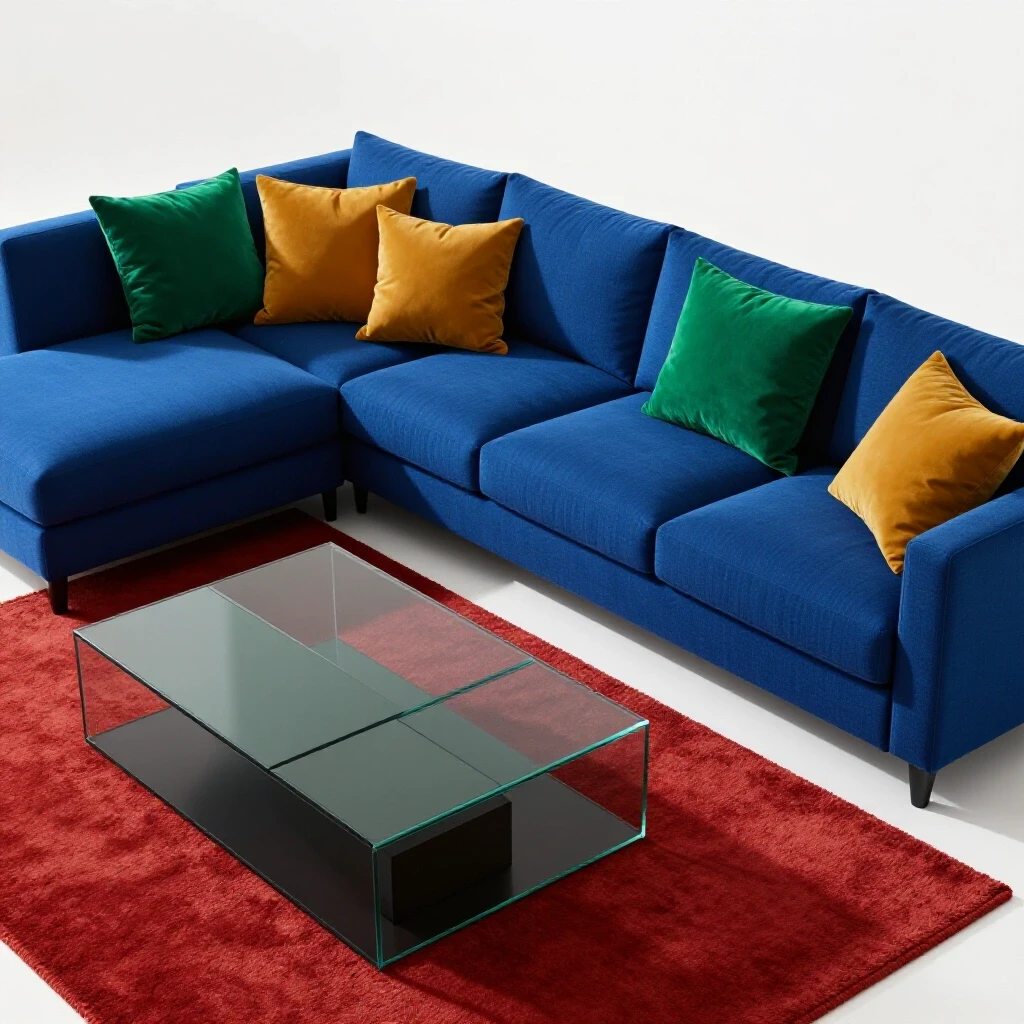
| Glass-Topped Tables | High | Medium (Needs cleaning) | Great for visual flow; bad for toddlers. |
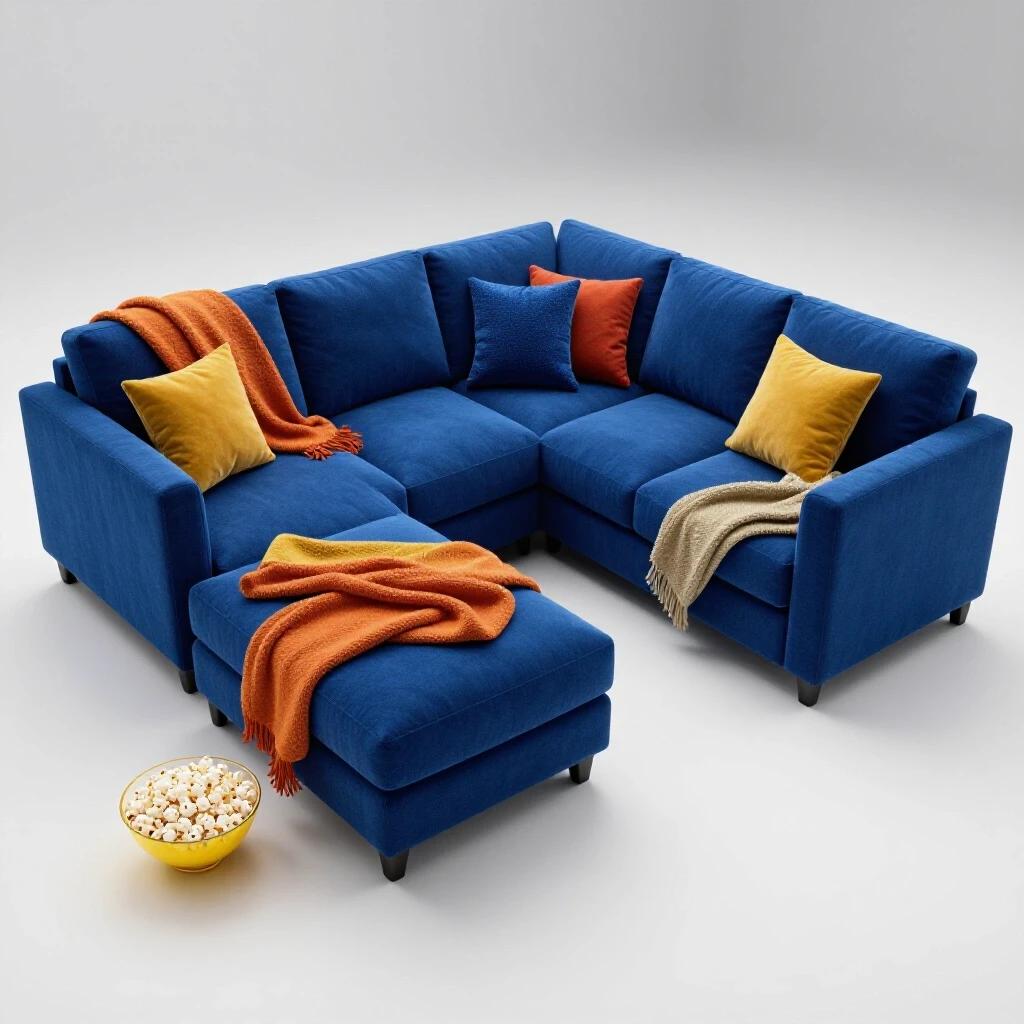
| Modular Sectionals | Medium | High | Excellent for adapting to different layouts. |
| Open Shelving | High | Low (Dust/Clutter) | Use sparingly; closed storage is more practical. |
Layered Lighting for Depth
A single overhead light “flattens” a room, making it look like a box. To make a small space feel expensive and deep, you need layers. I suggest a mix of ambient (overhead), task (reading lamps), and accent (LED strips behind a TV or under cabinets) lighting. This allows you to change the mood of the room without moving a single piece of furniture.
- Use warm-toned bulbs (2700K to 3000K) to make the space feel cozy.
- Place floor lamps in dark corners to “push” the walls out.
- Install dimmers to give you control over the room’s intensity.
Actionable Design Planner: Room-by-Room Assessment
Before you buy anything, you need a plan. Use this checklist to audit your current space and make better decorating decisions.
- The Entryway: Do you have a “drop zone”? If not, a wall-mounted coat rack and a slim shoe bench (less than 12 inches deep) can prevent hallway clutter.
- The Living Room: Measure your “TV-to-Sofa” distance. For a 50-inch TV, you want about 6 to 7 feet. If you are closer, the screen will feel overwhelming.
- The Kitchen/Dining: Can your table double as a prep surface? A counter-height table with stools that tuck underneath is a great way to add “island” functionality to a small kitchen.
- The Bedroom: Check your bedside clearance. If a traditional nightstand blocks your path, try a wall-mounted shelf or a “C-table” that slides over the bed frame.
Long-Term Livability Audits
Every six months, I recommend a “livability audit.” Walk through your front door and pay attention to where you hesitate. Do you have to turn sideways to get past the sofa? Is there a pile of mail on the only dining surface? These are signs that your furniture layout is failing your daily life.
I once lived in a 700-square-foot apartment for three years. In that time, I changed the layout four times. Each change wasn’t about “new trends,” but about adapting to how my life changed—from being a bachelor to living with a partner. Flexible, durable furniture made those transitions possible.
Next Steps for a Functional Small Home
Designing a beautiful, cohesive home under 1,000 square feet is an exercise in editing. Start by measuring your walking paths and checking the Wyzenbeek ratings on your current or future upholstery. Focus on pieces that offer “hidden” utility, like storage beds or nesting tables. By prioritizing clearance and material durability, you create a space that doesn’t just look good on day one but continues to serve your family on day one thousand.
Frequently Asked Questions
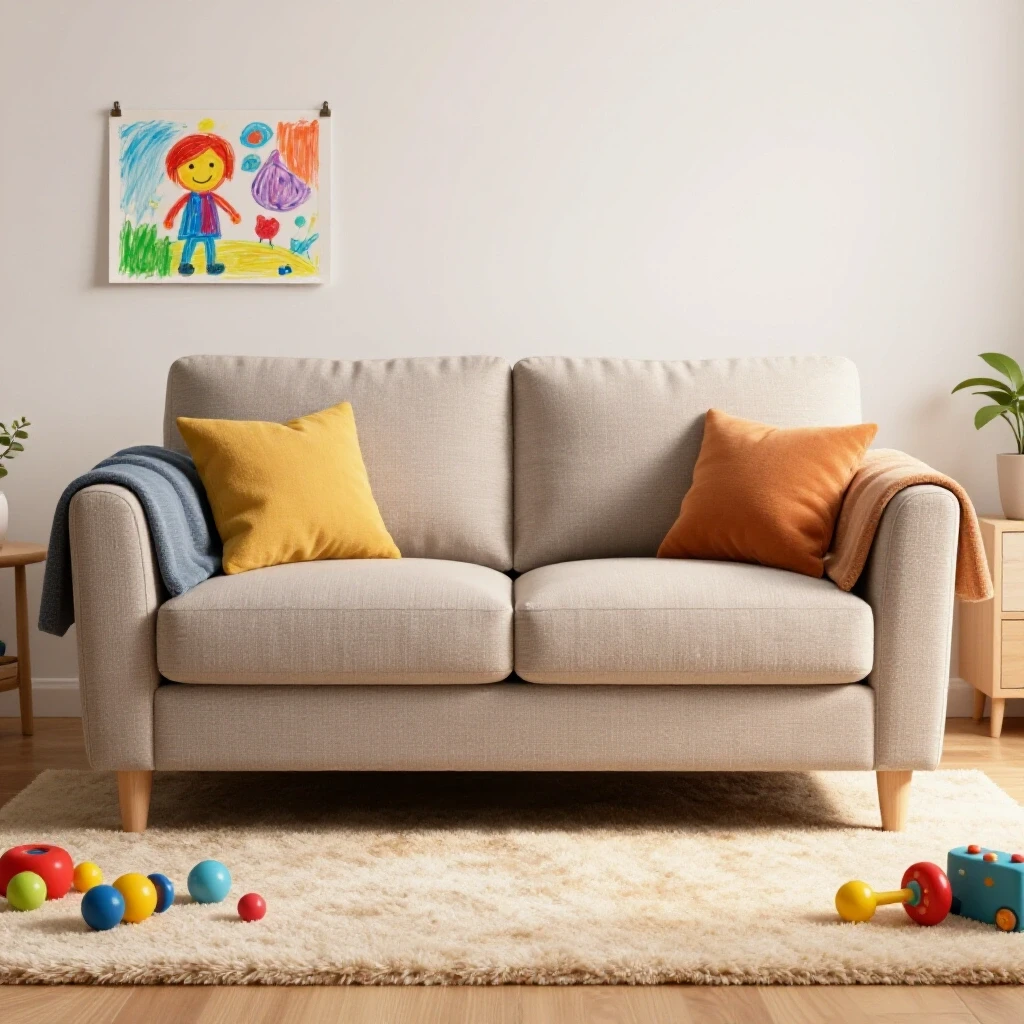
What is the best sofa size for a small living room? For homes under 1,000 square feet, a “condo-sized” sofa (usually 72 to 80 inches wide) is often better than a full-sized sectional. If you need more seating, pair the sofa with a slim-profile armchair. This allows for better traffic flow and makes the room feel less “stuffed.”
How can I tell if a piece of furniture is actually durable? Look for three things: the weight (solid wood is heavier than hollow particle board), the joinery (dovetail or mortise-and-tenon joints are superior to staples or glue), and the fabric rub count (aim for 15,000+). If a manufacturer doesn’t list these details, it is often a sign of lower quality.
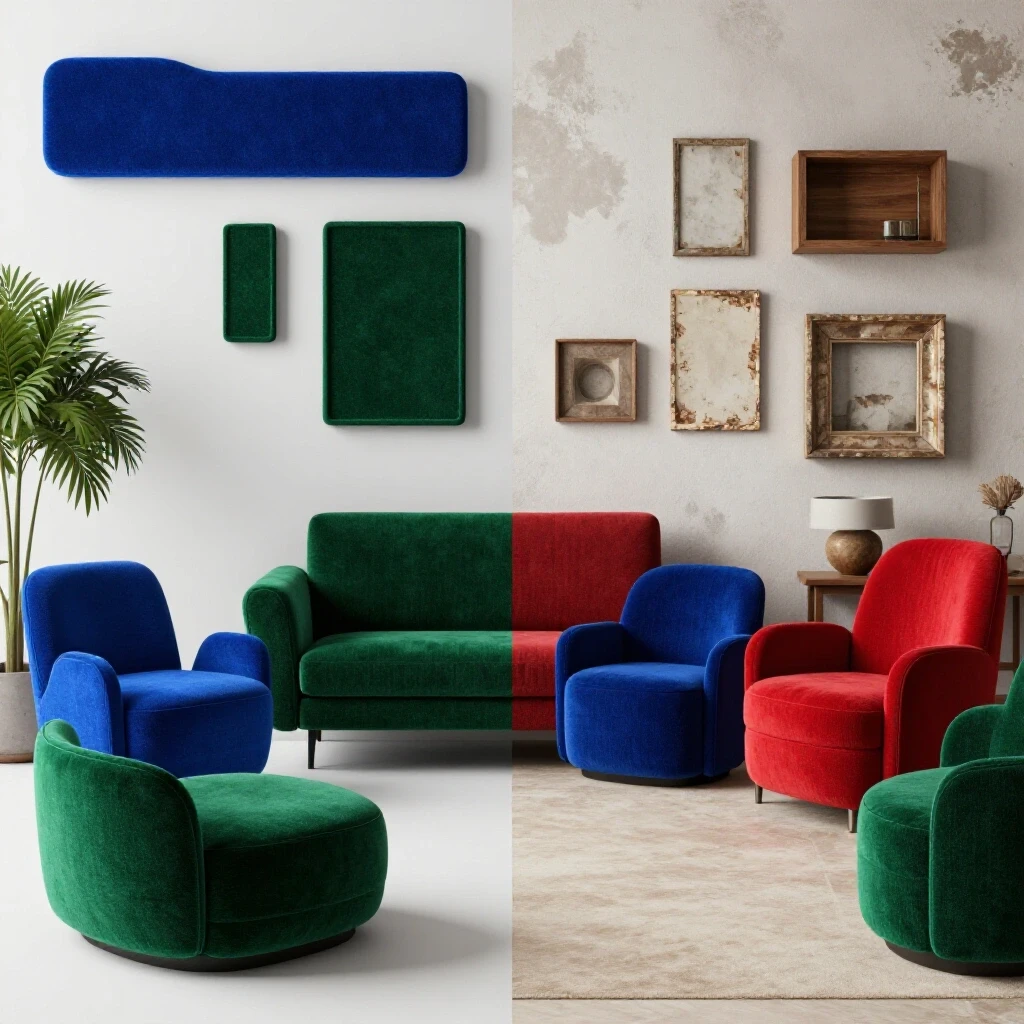
Should I avoid dark colors in a small apartment? Not necessarily, but use them strategically. Dark colors can be used on an accent wall or in furniture pieces to add “grounding.” However, keep the ceiling and at least three walls in a high LRV (60+) color to ensure the room doesn’t feel like a cave.
Are “convertible” furniture pieces worth the extra cost? Yes, if the mechanism is high quality. A cheap sofa bed will be uncomfortable as both a sofa and a bed. However, a well-engineered drop-leaf table or a high-quality storage bed can save you the cost and space of buying two separate pieces of furniture.
How do I manage cords and tech in a small space? Cables create “visual noise” that makes a small room look messy. Use furniture with built-in cable management or add adhesive clips to the back of furniture legs. Keeping cords out of sight instantly makes a compact layout feel more organized.
What is the “18-inch rule” for coffee tables? This rule suggests leaving 18 inches between the edge of your sofa and the coffee table. This is the “sweet spot” that provides enough room for your legs to move while keeping the table close enough to set down a drink or a book.
How can I make a small dining area feel more formal? Use a round table. Round tables have a smaller footprint than rectangular ones and lack sharp corners, which makes movement around them much easier in tight quarters. Adding a dedicated rug under the table also helps define it as a “room within a room.”
What are the best window treatments for small rooms? Avoid heavy, dark drapes. Instead, use light-filtering roller shades or sheer curtains. If you need privacy, “top-down, bottom-up” shades allow you to let in light from the top while keeping the bottom closed, which maximizes natural illumination.
Can I have a “home office” in a 900-square-foot home? Absolutely. Look for “secretary desks” or wall-mounted desks that can be closed when the workday is over. This “out of sight, out of mind” approach is crucial for maintaining a work-life balance in a small footprint.
How much storage is “enough” for a small family? A good benchmark is to have 20% of your furniture pieces provide secondary storage. For example, if you have ten main pieces of furniture, at least two (like an ottoman and a bed) should have internal storage compartments.
(This article was written by one of our staff writers, James Whitaker. Visit our Meet the Team page to learn more about the author and their expertise.)