Should You Buy a White Couch? Real-Life Pros & Cons (Expert Guide)

The allure of a crisp, light-filled living space often leads us toward the minimalist aesthetic of pale upholstery. We see these pristine rooms in magazines and digital galleries, promising a sense of calm and order. However, as a retail merchandising manager who has spent 15 years watching how products age in real homes, I have learned that the gap between a first-day photo and a thousandth-day reality is significant.
In my own home, I have tracked the lifecycle of light-colored seating through the lens of environmental psychology and daily utility. What starts as a bright focal point can quickly become a source of subtle stress if the material does not align with the household’s movement patterns. When we prioritize a specific look without accounting for the friction of daily life, we often find ourselves working for our furniture rather than the furniture working for us.
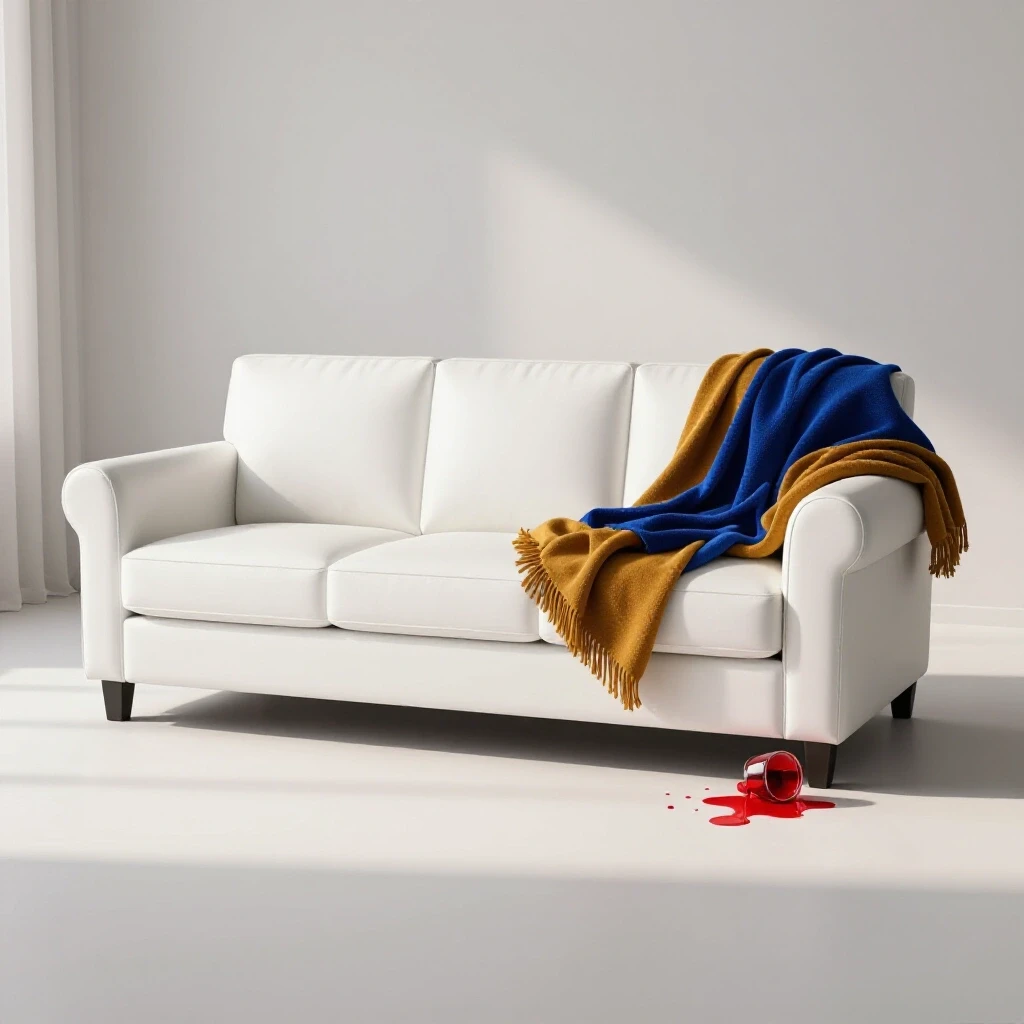
The Environmental Psychology of Pale Seating Tones
The psychological impact of light-colored furniture involves how pale hues influence our perception of room size, cleanliness, and emotional well-being over long periods. These tones are often selected to create a sense of “airiness” and “openness” in a home.
In environmental psychology, light colors are known to have a high Light Reflectance Value (LRV). This means they bounce light back into the room rather than absorbing it. While this makes a small room feel larger, it also creates a high-contrast environment where every speck of dust or stray hair becomes a visual focal point. Over a two-year period, many homeowners find that the initial “calm” of a white sofa is replaced by “hyper-vigilance,” where they are constantly scanning the surface for imperfections.
Visual Weight and Spatial Perception
Visual weight refers to the perceived heaviness of an object based on its color, texture, and size within a room’s layout. Light-colored pieces have less visual weight than dark ones, making them appear to take up less physical space.
Interestingly, a large white sectional can make a cramped living room feel more navigable. However, this perceived lightness can be deceptive. Because the piece looks “invisible” or “light,” family members may treat it with less physical caution than a heavy, dark leather piece. In my 15 years of observation, I have seen that the more “approachable” a piece looks, the more likely it is to be used as a landing pad for groceries, pets, and children, accelerating its wear.
Technical Standards for Long-Term Textile Performance
Technical standards are the objective metrics, such as rub counts and fiber composition, used to predict how a fabric will hold up to years of sitting, sliding, and cleaning. Understanding these numbers is essential for anyone aiming for long-term home livability.
When selecting white upholstery, the most critical metric is the Wyzenbeek rating. This test involves a machine rubbing a piece of cotton duck fabric back and forth over the upholstery until it shows “noticeable wear.” For a high-traffic family room, you should never settle for anything less than 15,000 double rubs, though 30,000 is the gold standard for durability.
Fabric Durability Benchmarks
The following table outlines the minimum requirements for light-colored fabrics in an active household. These metrics help bridge the gap between aesthetic appeal and functional lifespan.
| Metric | Minimum Requirement | Ideal for Families | Why It Matters |
|---|---|---|---|
| Wyzenbeek Count | 15,000 double rubs | 30,000+ double rubs | Prevents thinning and holes over 2+ years. |
| Pilling Grade | Class 4 | Class 5 | Ensures the surface stays smooth, not fuzzy. |
| Colorfastness | Grade 4 | Grade 5 | Prevents yellowing from UV light exposure. |
| Fiber Content | Synthetic Blend | Solution-Dyed Acrylic | Allows for aggressive cleaning without damage. |
The Role of Performance Chemistry
Performance fabrics are textiles engineered at the fiber level to resist stains and moisture, rather than just being treated with a topical spray. These materials are vital for maintaining a pale aesthetic in a functional room layout.
Many people assume a “stain-resistant” finish is permanent. In reality, topical treatments often wear off after 12 to 18 months of regular use and cleaning. Solution-dyed fabrics, where the color is integrated into the liquid polymer before the fiber is even created, offer the best long-term results. These fibers can often be cleaned with dilute bleach solutions without losing their brightness, which is a game-changer for the two-year maintenance cycle.
Why Spatial Flow Matters for Pale Upholstery
Spatial flow is the path people take as they move through a room, and it directly impacts how quickly light-colored furniture accumulates “transfer soil” from clothing and skin. Proper clearance prevents accidental brushing against the fabric.
In my experience as a merchandising manager, I have noted that the “path of least resistance” in a living room is where most fabric damage occurs. If a white sofa is placed too close to a walkway, people will naturally brush their jeans or bags against the corners. Over 24 months, this leads to “denim transfer”—a blueish tint on the edges of the cushions that is notoriously difficult to remove.
Calculating True Clearance Paths
A clearance path is the empty space required between furniture pieces to allow for comfortable movement without physical contact. For homes with white furniture, these paths must be wider than standard recommendations.
- Standard Walking Path: 36 inches is the baseline for a comfortable walkway.
- The “No-Brush” Zone: For light upholstery, increase this to 42 inches to prevent clothing from rubbing against the arms of the chairs.
- Coffee Table Gap: Maintain 16 to 18 inches between the sofa and the table. This is close enough to reach a drink but far enough to prevent knee-knocking and shoe scuffs on the base of the sofa.
The Reality of Maintenance Cycles Over 24 Months
A maintenance cycle is the scheduled frequency of cleaning tasks required to keep a piece of furniture in its original condition. For white upholstery, this cycle is more frequent and demanding than for darker alternatives.
During the first six months, the fabric usually looks pristine with just occasional vacuuming. However, around the one-year mark, “body oils” begin to accumulate on headrests and armrests. These oils attract dust, leading to a dulling of the fabric that is often not noticeable until you move a decorative pillow and see the original color underneath. By the two-year mark, a professional deep clean is usually necessary to reset the brightness of the fibers.
The 2-Year Wear Pattern Checklist
- Month 1-6: High “honeymoon” satisfaction; weekly vacuuming is sufficient.
- Month 7-12: First signs of “denim transfer” on corners; localized spot cleaning begins.
- Month 13-18: Accumulation of dust in the seams; cushions may require flipping to even out “shadowing.”
- Month 19-24: Overall “greying” of the fabric; professional steam cleaning or extraction is required to maintain the aesthetic.
Long-Term Livability Audits for Light Interiors
A livability audit is a systematic evaluation of how a design choice affects your daily stress levels and household budget over time. It asks whether the visual benefit is worth the functional cost.
I recommend performing an audit every six months. Ask yourself: “Am I avoiding using this room because I’m afraid of a spill?” or “How much time am I spending on maintenance versus relaxation?” If the answer suggests that the furniture is dictating your behavior, it may be time to adjust your layout or your protection strategy. Durable home decor should serve the family, not the other way around.
Aesthetic Trend vs. Functional Lifespan Index
This index compares how long a trend stays popular versus how long the material actually lasts in a “real world” setting.
- Trend Longevity: White-on-white interiors have remained popular for over a decade, making them a safe choice for style.
- Material Durability: Natural white linens often fail the 2-year test due to wrinkling and staining.
- Functional Winner: Synthetic performance weaves in “off-white” or “oatmeal” offer the look of a white sofa with triple the functional lifespan.
My 1,000-Day Observation: A Personal Case Study
In my own home, I chose a light-colored sofa to test the theories I preached in retail. I tracked every spill, every cleaning session, and every moment of “regret” or “relief.”
In the first year, I felt a high sense of pride. The room looked like a sanctuary. However, by year two, the psychological “cost” became apparent. I found myself cringing when guests sat down with red wine or when my children climbed up with dark-colored socks. The “visual peace” was being traded for “internal anxiety.”
The turning point was shifting from a “reactive” cleaning mindset to a “proactive” one. By implementing a strict “no shoes” policy and using washable arm covers, I was able to extend the life of the piece. But the lesson remained: a white couch is not just a piece of furniture; it is a lifestyle commitment.
Actionable Design Planner: Room-by-Room Assessment
Before committing to light-colored seating, use this checklist to ensure your room layout and lifestyle are compatible with the choice.
- Analyze Light Levels: Check the Light Reflectance Value (LRV) of your wall paint. If your walls are already very light, a white sofa might “disappear” or look yellow by comparison.
- Map the Traffic: Use blue painter’s tape on the floor to mark out a 42-inch walking path around the proposed sofa area. If you can’t maintain this clearance, the fabric will likely suffer from friction soil.
- Test the Fabric: Order a large swatch and subject it to a “24-hour stress test.” Rub it with a piece of dark denim, spill a drop of coffee on it, and try to clean it using only the manufacturer’s instructions.
- Evaluate Storage: Do you have enough integrated storage to keep “messy” items (like kids’ art supplies or pet toys) away from the seating area? Durable home decor relies on keeping hazards at a distance.
- Check the Structure: Ensure the sofa has removable cushion covers. If the fabric is “tight-back” (non-removable), any deep stain will be permanent.
Managing the Psychological Impact of Maintenance
Practical interior design is as much about mental health as it is about physical beauty. When we choose high-maintenance items, we are essentially adding “invisible chores” to our weekly schedule.
To maintain long-term home livability, it is helpful to set realistic expectations. Accept that a white sofa will never look as perfect as it did in the showroom after the first 100 days. By embracing a “lived-in” version of the minimalist aesthetic, you can reduce the frustration that often leads to decorating regret.
Tools for the Long-Term Decorator
- Handheld Fabric Extractor: Essential for immediate spot treatment.
- Fabric Shaver: To remove pilling that occurs from friction over the first 12 months.
- High-Quality Vacuum with Upholstery Attachment: To prevent dust from settling deep into the fibers.
- UV-Blocking Window Film: To prevent the white fabric from yellowing in direct sunlight.
Conclusion: Balancing Beauty and Bravery
Making decorating decisions that involve white upholstery requires a balance of aesthetic bravery and practical caution. It is possible to have a beautiful, light-filled room that stands the test of time, but only if you are honest about the work required.
Focus on high rub counts, wide clearance paths, and performance-grade fibers. By doing so, you can enjoy the visual rewards of a pale palette without the frustration of a piece that fails to support your daily life. The goal is a home that feels like a sanctuary, not a museum.
Frequently Asked Questions
How do I prevent denim transfer on light-colored furniture?
Denim transfer occurs when the dye from jeans rubs off onto lighter fabrics. To prevent this, ensure your furniture layout provides at least 42 inches of clearance in walking paths to avoid accidental brushing. Additionally, choosing a performance fabric with a high synthetic content can make it easier to wipe away dye before it sets into the fibers.
Is a white sofa a bad idea for a home with pets?
It depends on the fabric type rather than the color alone. If you choose a solution-dyed acrylic or a high-rub-count polyester, pet hair and muddy paws can often be cleaned easily. However, you must be prepared for more frequent vacuuming, as pet dander and hair are highly visible on pale surfaces.
What is the best way to clean a white couch without ruining the fabric?
Always follow the manufacturer’s cleaning code (W, S, or WS). For most modern performance fabrics, a mixture of mild soap and water is best. Avoid harsh scrubbing, which can break down the fibers and lead to pilling. For deep cleaning at the two-year mark, hire a professional who specializes in delicate or performance textiles.
How often should I rotate the cushions on a light-colored sofa?
To ensure even wear and prevent “shadowing” (where one side looks darker due to use), rotate and flip your cushions every three months. This also helps maintain the structural integrity of the foam or feathers inside.
Can I use a DIY stain protector on my white upholstery?
It is generally not recommended to apply aftermarket sprays to performance fabrics, as they can interfere with the built-in technology of the fibers and may void your warranty. If your fabric is not a performance blend, a protector may help, but it must be reapplied every 6 to 12 months.
Does white fabric yellow over time?
Yes, white fabrics can yellow due to UV exposure or the accumulation of body oils. To prevent this, use window treatments that block UV rays and perform regular “maintenance wipes” on headrests and armrests to remove oils before they oxidize and turn yellow.
What is a “rub count” and why is it important for white furniture?
A rub count (Wyzenbeek) measures how much friction a fabric can take before it wears through. For white furniture, a high rub count (30,000+) is essential because you will likely be cleaning the fabric more often, and the material needs to withstand that extra agitation.
Should I choose a slipcovered or upholstered white sofa?
For maximum long-term livability, a slipcovered model is often superior. Being able to remove the entire cover and wash it (or have it dry-cleaned) allows for a much deeper clean than spot-treating an upholstered piece. It also gives you the option to replace the cover entirely after a few years if needed.
(This article was written by one of our staff writers, James Whitaker. Visit our Meet the Team page to learn more about the author and their expertise.)