How to Organize Outdoor Toys That Last (Proven Storage Tips)

Many people believe that the key to a tidy yard is simply buying more bins. After a decade in operations and logistics, I have seen this myth fail in both warehouses and backyards. Durability isn’t just about how long a plastic box lasts in the sun; it is about how long a family can realistically stick to the system. If a storage solution requires too many steps to use, it will be abandoned, regardless of how much it cost or how “heavy duty” the label claims it to be.
In my own home, I spent years fighting the cycle of weekend cleanups followed by mid-week chaos. I would spend hours sorting plastic bats, balls, and sand tools into neat, labeled containers, only to find them scattered across the lawn forty-eight hours later. This wasn’t a failure of my kids’ discipline, but a failure of my logistics. I had built high-friction systems that ignored human behavior and the harsh reality of weather. By applying spatial management principles, I shifted from “tidying up” to managing the flow of items through our living space.
The Logistics of Managing Exterior Play Equipment
Effective home organization systems rely on understanding the flow of items from storage to use and back again. In logistics, we look at the “touch points” or the number of actions required to complete a task. For a backyard, every extra lid, latch, or heavy drawer increases the likelihood that an item will be left on the grass instead of returned to its home.
Most families struggle with what I call “retrieval friction.” This is the mental and physical effort needed to get something out or put it away. When storage is tucked away in a hard-to-reach shed or requires unstacking three bins to reach a single ball, the system is destined to fail. Environmental psychology research shows that visual complexity—too many colors, shapes, and piles—leads to increased cortisol levels and mental fatigue. To solve this, we must reduce the number of steps in the process and create clear, low-effort zones.
Why High-Friction Systems Lead to Rapid Clutter Reversion
High-friction systems are storage models that require significant effort to maintain, such as deep chests where items get buried at the bottom. These setups often look organized for the first few days but quickly become “junk pits” because the items at the bottom are never used, and the items on top are never properly put away.
When we feel visually overwhelmed by clutter, our brains are reacting to “decision fatigue.” Every time you look at a pile of unsorted gear, your brain has to decide what to do with it. If the storage solution is too complex, your brain chooses the path of least resistance: leaving it where it is. Sustainable decluttering involves creating a “low-resistance path” where putting an item away is just as easy as dropping it on the ground.
| Storage Type | Friction Level | Retrieval Steps | Maintenance Success Rate |
|---|---|---|---|
| Lidded Deck Box (Deep) | High | 4-6 steps | 30% |
| Stacked Plastic Tubs | High | 5+ steps | 15% |
| Open-Top Mesh Bins | Low | 1-2 steps | 85% |
| Wall-Mounted Racks | Low | 1 step | 90% |
| Zoned Floor Baskets | Medium | 2 steps | 70% |
Creating a High-Efficiency Zoning Map for the Backyard
Zoning is the practice of dividing a space into specific areas based on the frequency and type of activity. By mapping your backyard into zones, you ensure that the most frequently used items are stored in the most accessible locations, reducing the daily stress of searching for gear.
In my house, we use three primary zones to manage our functional home storage. Zone 1 is the “High-Velocity Zone,” located right next to the back door or the main play area. This is for items used every single day, like balls or bubbles. Zone 2 is the “Mid-Velocity Zone,” which might be a side yard or a shed, for items used weekly. Zone 3 is “Deep Storage” for seasonal items like inflatable pools. This reduces household clutter by keeping the “active” items from being buried under things that aren’t currently needed.
- Zone 1 (Daily Use): Items must be reachable within 5 seconds and storable within 2 steps.
- Zone 2 (Weekly Use): Items can be behind a single door or inside a lidded box.
- Zone 3 (Seasonal): Items can be stacked or stored in harder-to-reach areas like high shelves.
Selecting Low-Maintenance Containers That Survive the Elements
Not all storage solutions for families are built to withstand the sun, rain, and temperature shifts of an outdoor environment. Choosing the wrong materials leads to brittle plastic and rusted hinges, which increases the frustration of the organization process and leads to system abandonment.
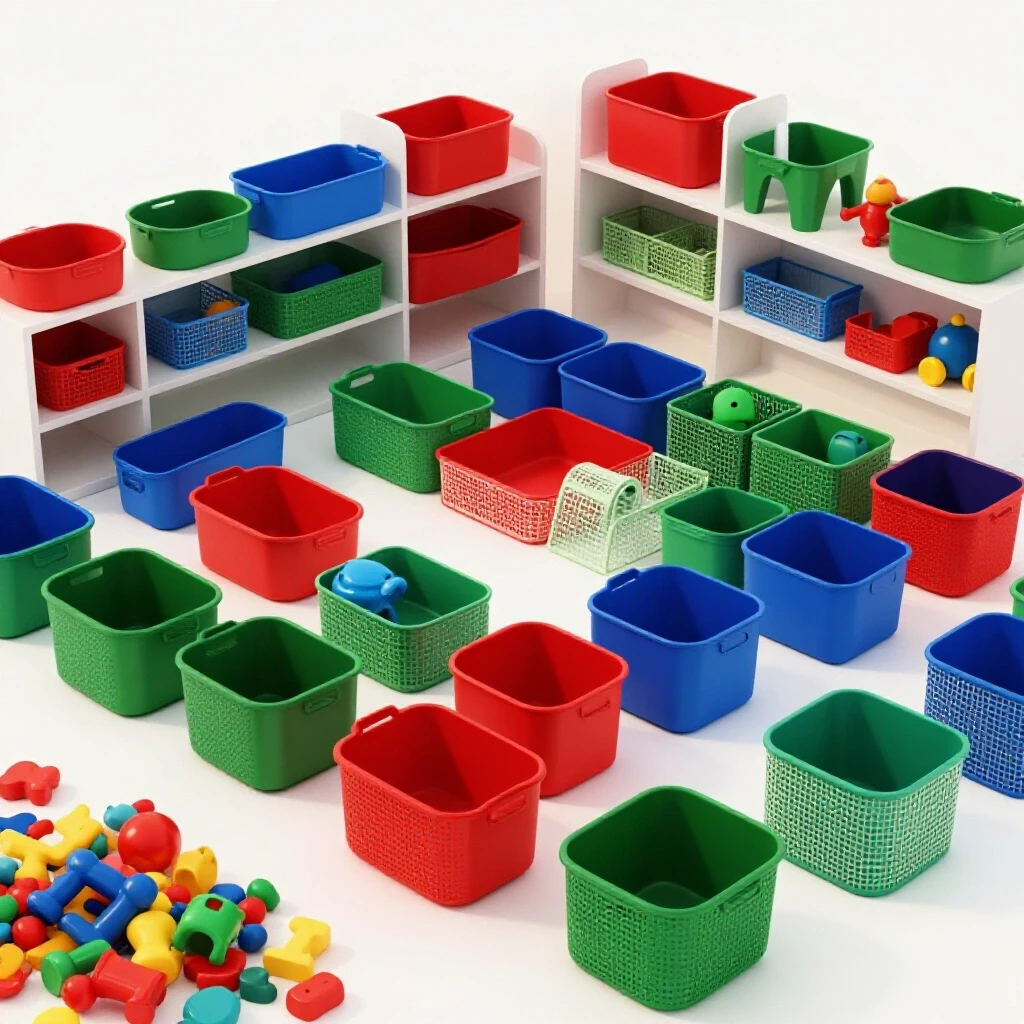
Through trial and error, I found that High-Density Polyethylene (HDPE) and vinyl-coated mesh are the gold standards for longevity. HDPE is a durable plastic that doesn’t crack under UV exposure, and mesh allows for airflow, which prevents mold and keeps the gear from smelling. Avoid untreated wood or cheap, thin plastics that warp. When selecting containers, prioritize “drainage and breathability” over “airtight seals,” as trapped moisture is the enemy of any exterior storage system.
- Industrial Mesh Bags: These are excellent for balls. They can be hung on hooks, allowing the items to be visible and dry.
- HDPE Vertical Cabinets: These offer more “shelf real estate” than deep chests, making it easier to see everything at once.
- Heavy-Duty Utility Hooks: Use these for larger items like bats, shovels, or ride-on toys to keep them off the ground.
- Perforated Crates: These allow sand and water to fall through, keeping the storage area cleaner over time.
Reducing Sorting Friction for Children and Busy Adults
The goal of any decluttering journey is to create a system that the youngest members of the family can follow without constant reminders. If a five-year-old cannot put their own toys away, the system is too complex. We need to simplify the “sorting logic” so that it requires zero thought.
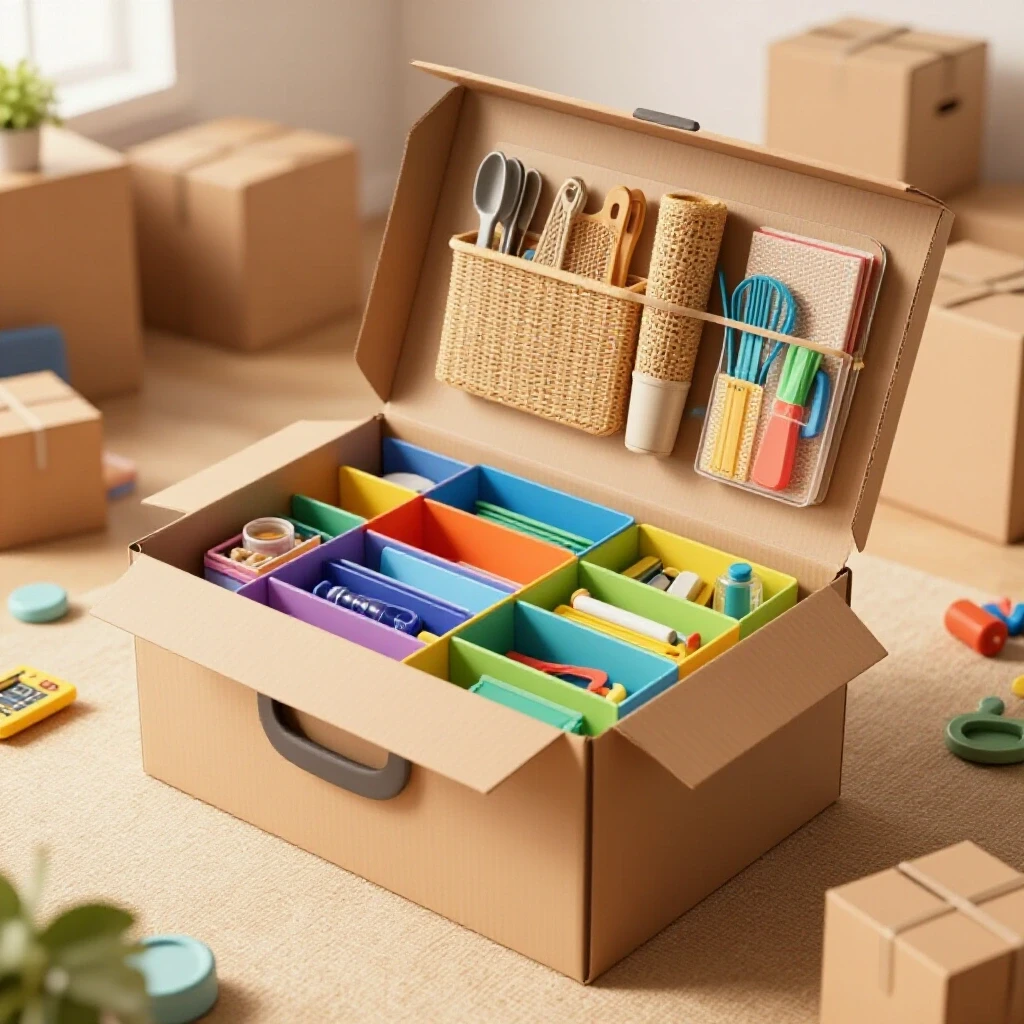
I found that color-coding and large-format labels are far more effective than detailed text labels. In our home, we use a “one-category, one-bin” rule. All “sand things” go in the blue bin; all “water things” go in the green bin. This reduces the cognitive load of sorting. We also aim for a 70% space utilization rate. If a bin is 100% full, it is too hard to put things back. Keeping bins slightly empty makes the “drop-in” motion much faster.
- Visual Cues: Use different colored bins for different categories.
- Proximity Placement: Store items exactly where they are used (e.g., sand toys next to the sandbox).
- The “Drop Test”: If an item can’t be put away with one hand, the container is too difficult to use.
Implementing Sustainable Habit Loops and Maintenance Routines
A sustainable system is not a one-time event but a series of small, repeatable habits. In logistics, we call this “continuous improvement.” Instead of massive weekend cleanups, we focus on small “flow-control” actions that keep the clutter from building up in the first place.
We implemented a “five-minute sweep” every evening before dinner. Because our containers are low-friction (open tops, clear zones), the kids can clear the entire yard in under five minutes. We also track our “sorting time-box,” which is the amount of time it takes to return the yard to its baseline state. If that time starts to creep above ten minutes, it’s a signal that we have too much “inventory” (toys) or that the system needs a redesign.
| Family Size | Daily Maintenance Time | Weekly Deep Sort | System Reset Frequency |
|---|---|---|---|
| 2 Adults, 1 Child | 3 Minutes | 10 Minutes | Every 6 Months |
| 2 Adults, 2-3 Children | 5-7 Minutes | 20 Minutes | Every 4 Months |
| 4+ Children | 10 Minutes | 30 Minutes | Every 3 Months |
Case Study: Moving from Deep Chests to Vertical Racking
To illustrate these principles, consider my family’s transition. We originally had two large, 100-gallon deck boxes. They were durable and waterproof, but they were a logistical nightmare. My children would dump the entire box on the grass to find one specific ball at the bottom. The “sorting time” was nearly thirty minutes because everything had to be rearranged to fit back inside.
I replaced the chests with a series of wall-mounted, weather-resistant shelving units and open-front bins. We reduced our “retrieval step count” from six steps (opening the lid, moving top items, digging, etc.) to just one step (grabbing the item). Our “space utilization” improved because we used the vertical height of the fence. Most importantly, the yard stayed tidy for months because the “cost” of putting things away was nearly zero.
Practical Steps for Your Next Organizing Sprint
If you are ready to start your own decluttering journey, do not start by buying bins. Start by observing how your family actually uses the space. This “spatial audit” will tell you where the bottlenecks are and which items are causing the most frustration.
- Conduct a 3-Day Audit: Note where toys are left on the ground most often. These are your natural “drop zones.”
- Purge the “Inventory”: Get rid of broken items or things that haven’t been touched in six months. High item density is the primary cause of system failure.
- Measure Your Space: Before buying gear, measure the “footprint” and the “vertical height” available.
- Choose “Open-Source” Storage: Prioritize bins without lids for daily-use items.
- Label for Success: Use large, weather-proof stickers or hang-tags that use icons rather than just words.
Common Mistakes That Lead to Clutter Reversion
Many people fail because they prioritize aesthetics over function. A backyard that looks like a magazine cover often requires an hour of staging to maintain. In a busy household, that is not sustainable. Another mistake is buying “all-in-one” solutions that don’t account for the different sizes and shapes of outdoor gear.
Avoid “over-binning,” which is the tendency to create too many small categories. If you have a separate bin for “blue shovels” and “red shovels,” no one will follow it. Keep your categories broad. “Beach and Sand” is a category; “Small Plastic Pails” is a chore. By keeping the categories simple, you ensure the system remains low-maintenance for the long haul.
Maintaining Order Over the Months
The true test of a system is how it looks three months after you set it up. Check your storage units for signs of “system creep,” where items from one zone start migrating to another. This usually happens when a bin is too full or a location is no longer convenient.
Every season, I perform a “friction check.” I watch my kids put things away. If I see them struggling with a heavy lid or a crowded shelf, I adjust the layout. Flexibility is key to lasting organization. A system that can grow and change with your family’s needs will always outperform a rigid one.
Frequently Asked Questions
How do I prevent spiders and bugs from living in the storage bins? Use elevated storage and breathable mesh. Keeping bins off the ground reduces the “dark, damp” environment that insects love. Mesh bags allow for airflow and light, which discourages pests from nesting inside.
What is the best way to store large items like bikes or scooters? Vertical wall hooks are the most efficient. They keep the tires off the ground and prevent the “domino effect” where one bike falls and knocks over the rest. Ensure the hooks are rated for the weight of the equipment.
How do I handle “micro-clutter” like chalk pieces or small figurines? Use small, perforated baskets that sit inside a larger “Zone 1” bin. This keeps the small items from getting lost at the bottom while still making them easy to grab in one motion.
Can I use indoor storage bins outside if they are under a porch? Generally, no. Indoor plastics are not treated for UV resistance and will become brittle and crack within one season. Humidity will also cause non-weather-rated bins to warp or grow mildew.
How do I get my kids to actually use the system? Make it a game and keep the friction low. If they can “toss” a ball into an open bin from five feet away, they are more likely to do it than if they have to walk over, open a lid, and place it inside.
What should I do with toys that are too big for any bin? Create a “parking lot” using outdoor-rated tape or paint on the ground. This gives large items a designated home without requiring a massive container.
How often should I declutter the outdoor play area? A major purge should happen twice a year: once in the spring before the heavy-use season and once in the fall before winter storage. This keeps your inventory manageable.
Are labels really necessary for outdoor bins? Yes, but they should be functional. Labels define the “home” for an item. Without them, bins quickly become “catch-alls” for random junk, which is the first step toward system failure.
How do I store items if I don’t have a shed or a fence? Freestanding vertical shelving units made of resin or powder-coated metal are excellent. They provide the benefits of zoning and vertical storage without requiring a permanent structure.
What is the best material for labels that won’t peel off in the rain? Industrial-strength vinyl stickers or plastic luggage tags attached with zip ties work best. Avoid paper-based labels or standard masking tape, as they will disintegrate quickly.
Is it better to have one giant box or several small bins? Several small or medium bins are always better. Giant boxes lead to “layering,” where items at the bottom are forgotten and the box becomes a disorganized mess. Smaller bins allow for better categorization and easier access.
How do I manage the “overflow” when we have guests or parties? Keep one “utility bin” empty for quick sweeps. When guests are coming, you can do a high-speed clear-out and then sort the items back into their proper zones once the event is over.
(This article was written by one of our staff writers, Christopher Bennett. Visit our Meet the Team page to learn more about the author and their expertise.)