How to Prep Walls for Painting: Key Steps for Lasting Results (Guide)

I stood in the center of my first major kitchen remodel, watching the afternoon sun hit the newly painted south wall. To anyone else, it looked finished, but to me, it was a map of missed opportunities. Every poorly sanded patch and every bit of dust trapped under the pigment stood out in sharp relief. I had spent thousands on high-end cabinetry and professional-grade appliances, yet the entire project felt cheapened by a rushed approach to the walls. This moment taught me that the quality of a renovation isn’t found in the final coat of paint, but in the grueling, dusty hours spent preparing the surfaces underneath.
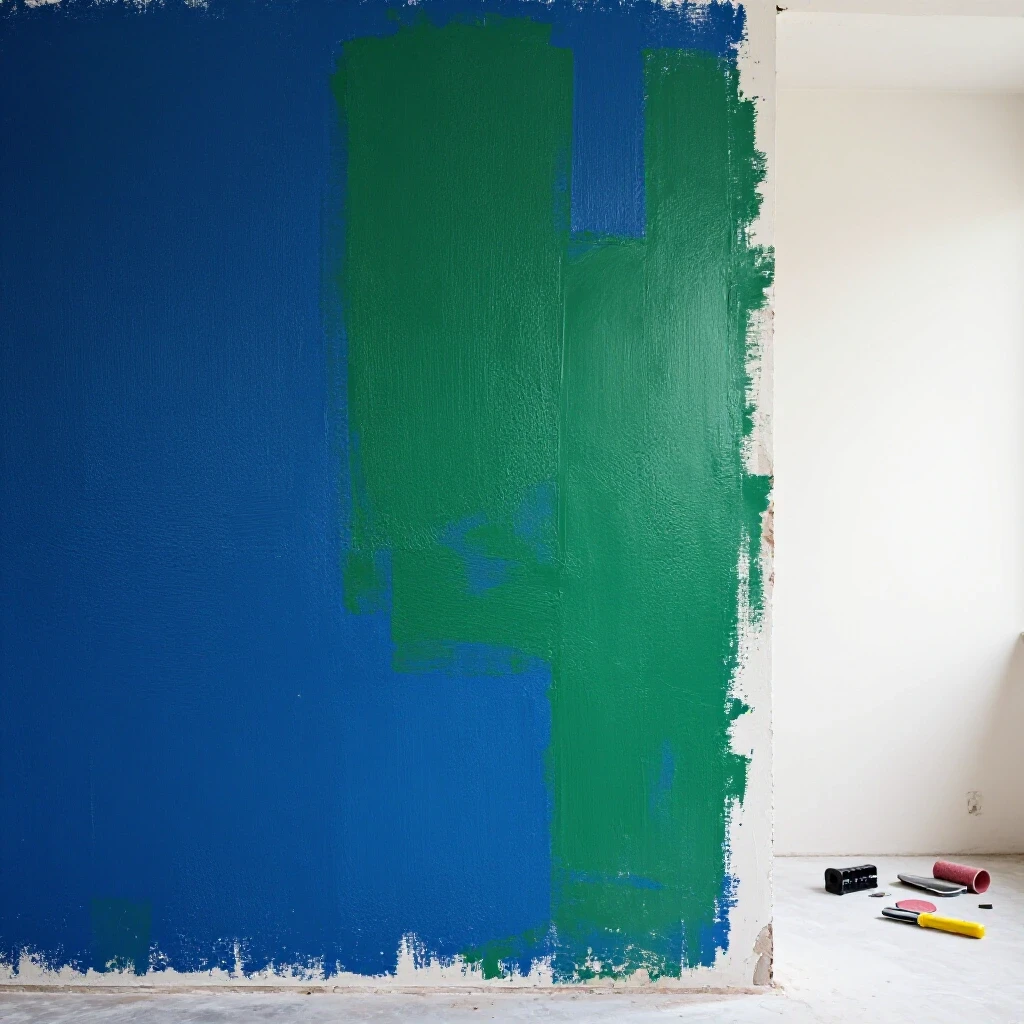
Planning the Foundation of Your Interior Finish
Residential renovation planning requires a shift in focus from the visible end product to the invisible labor that supports it. This phase involves identifying every surface defect, from hairline cracks to deep gouges, and determining the specific mechanical or chemical steps needed to ensure the new finish adheres properly and looks uniform.
In my 18 years of coordination, I have found that homeowners often overlook the “substrate,” which is the underlying material like drywall or plaster. If the substrate is compromised by moisture, oils, or structural movement, even the most expensive paint will fail. When you are gathering cost estimates, ensure the “scope of work” specifically lists the hours dedicated to surface readiness.
According to RSMeans construction data, labor for surface preparation in a standard residential interior can account for 30% to 40% of the total painting budget. If a contractor’s bid is significantly lower than others, they are likely cutting corners on these essential steps. I always recommend a 15% contingency fund specifically for wall repairs, as removing old wallpaper often reveals hidden issues like mold or crumbling plaster that were not visible during the initial walkthrough.
Vetting Contractors for Quality Surface Work
A contractor management guide should prioritize a professional’s approach to the “unseen” work rather than their portfolio of finished rooms. Vetting involves asking specific questions about their process for cleaning, patching, and sanding to ensure they follow industry standards like those set by the National Association of the Remodeling Industry (NARI).
When interviewing painters for my own home renovations, I look for those who discuss “adhesion” and “mechanical bonds.” These terms refer to how well the new layer sticks to the old one. A quality contractor will insist on a “Level 5 finish” for high-light areas, which involves a thin skim coat of joint compound over the entire surface to create a perfectly uniform texture.
- Ask for a detailed list of materials they use for patching.
- Inquire about their dust containment systems, such as HEPA-filtered sanders.
- Request a specific timeline for drying between coats of compound and primer.
- Verify that they include a “de-glossing” step for any existing semi-gloss or gloss finishes.
| Renovation Component | Prep Labor % | Material Cost % | Focus Area |
|---|---|---|---|
| Standard Bedroom | 25% | 15% | Minor patching |
| Kitchen Remodel | 45% | 10% | Degreasing & Sanding |
| Bathroom Remodel | 50% | 12% | Moisture resistance |
| Whole-House Reno | 35% | 15% | Uniformity & Repairs |
The Technical Stages of Interior Surface Readiness
Achieving a professional-grade finish requires a systematic approach to the wall’s physical condition. This process includes removing contaminants, filling voids, leveling the surface through abrasion, and applying a bonding agent to seal the work.
Cleaning and De-glossing Existing Surfaces
Cleaning is the process of removing oils, dust, and grime that prevent paint from sticking. De-glossing involves using a chemical agent or light abrasion to “scuff” a shiny surface, creating a microscopic texture that the new paint can grip.
During a bathroom remodel I coordinated, we discovered that the previous owners had used heavy oil-based cleaners for years. The new paint started peeling within weeks because the walls hadn’t been properly degreased. Now, I always insist on a thorough wash with a heavy-duty cleaner or a TSP (trisodium phosphate) substitute, especially in kitchens where cooking grease accumulates on the walls and ceilings.
Patching and Structural Repairs
Patching involves using joint compound or spackle to fill holes and cracks, while structural repairs address the underlying stability of the drywall or plaster. This step ensures the wall is flat and free of “telegraphing” defects that show through the final finish.
In older homes, I often encounter “nail pops,” where the house settles and the drywall nails pull away from the studs. Simply painting over these will not work; they must be re-fastened with screws and patched. If you find soft spots in the wall during this phase, it may indicate a hidden leak or outdated wiring causing heat damage. These structural surprises must be addressed before any cosmetic work continues.
Sanding for Adhesion and Smoothness
Sanding is the mechanical process of leveling dried patch material and smoothing the overall surface. It creates a “tooth” for the next layer of material to latch onto, ensuring the finish does not flake or peel over time.
I have seen many DIY projects ruined by “over-sanding,” which can fuzzy the paper face of the drywall. The goal is to use a fine-grit sandpaper, usually 120 to 220 grit, to blend the patches into the surrounding wall. In my second full-home renovation, I invested in a vacuum-attached pole sander. This tool minimized the fine dust that typically migrates into HVAC systems and ruins furniture in other rooms.
The Essential Role of Priming
Priming is the application of a specialized base coat that seals porous surfaces and provides a uniform “ground” for the paint. It acts as the bridge between the repaired substrate and the decorative topcoat.
Many homeowners try to save money by using “paint and primer in one” products. While these work for simple color changes on clean walls, they are rarely sufficient for major remodels. A dedicated high-hide primer is necessary when you have done extensive patching. Without it, the patched areas will absorb the paint differently than the rest of the wall, leading to a blotchy look known as “flashing.”
Managing Budgets and Structural Surprises
A kitchen remodel budget or a whole-house estimate can be quickly derailed by what lies behind the drywall. Managing these risks involves setting realistic expectations and maintaining a strict contingency plan for when the “prep” phase turns into a “repair” phase.
In my experience, the age of the home is the biggest predictor of budget shifts. For homes built before 1978, you must account for lead paint testing and remediation, which can add thousands to the surface preparation costs. If you find mold during the cleaning phase, the project must stop for professional remediation to avoid spreading spores throughout the house.
- 15% Contingency: For homes less than 20 years old.
- 25% Contingency: For homes 50+ years old.
- Change Order Threshold: Any repair exceeding $500 should require a formal change order document.
Construction Sequencing and Site Coordination
Construction sequencing is the logical order of operations that prevents one trade from ruining the work of another. In a major remodel, surface preparation should happen after the “rough-in” phase (plumbing and electrical) but before the installation of final flooring or delicate fixtures.
I once managed a project where the painter started the final sanding after the new hardwood floors were installed but before they were covered. The fine dust settled into the grain of the wood, requiring a full re-sanding of the floors. To avoid this, I use a “critical path” schedule. This ensures that all dusty work—like sanding and structural repairs—is completed and the site is vacuumed before any “finish” materials arrive.
- Demolition and Rough-ins: Move wires and pipes.
- Drywall Installation/Repair: Hang new sheets or patch old ones.
- Initial Cleaning: Remove heavy debris.
- Sanding and Patching: Multiple rounds for a smooth surface.
- Priming: Seal the walls.
- Finish Trades: Install cabinets and trim.
- Final Topcoat: The last step before the punch list.
Resolving Punch-List Disputes
A punch list is a document created at the end of a project that lists all the small tasks or repairs needed before the final payment is made.
To minimize friction, I include a “quality benchmark” in my contracts. We agree that the walls will be inspected under normal lighting conditions from a distance of 39 inches (one meter). If a patch is visible under these conditions, the contractor must fix it. Using this objective standard prevents subjective arguments and ensures both the homeowner and the contractor have clear expectations of the final outcome.
Conclusion
The success of your residential renovation depends on your willingness to value the “unseen” work. By focusing on meticulous surface readiness—cleaning, repairing, sanding, and priming—you protect your financial investment and ensure a result that stands up to daily life. Start by reviewing your current estimates. If they don’t break down the hours for preparation, ask for a revision. Your next step is to walk through your space with a high-powered work light; seeing the flaws now will help you plan for a better outcome later.
FAQ
Why is sanding so important before painting?
Sanding levels out the “hills and valleys” created by joint compound and creates a textured surface that allows the primer to bond mechanically. Without it, the new finish may peel away in sheets or show unsightly bumps.
How do I know if my contractor is skipping prep steps?
Look for signs like “flashing” (uneven sheen), visible tape seams, or paint that scratches off easily with a fingernail. If you don’t see them using a vacuum-attached sander or cleaning the walls before they start, they are likely skipping essential steps.
What is the difference between a Level 4 and Level 5 drywall finish?
A Level 4 finish is standard for most homes, where joints are taped and sanded. A Level 5 finish includes an additional “skim coat” of compound over the entire wall to ensure total uniformity, which is necessary for high-gloss paints or rooms with lots of natural light.
Can I skip priming if I am using a high-quality paint?
No. High-quality paint is designed to provide color and durability, not to seal a porous substrate or block stains. Skipping primer on new drywall or patched areas will lead to uneven absorption and a blotchy appearance.
How much should I budget for wall repairs in an old home?
For homes over 50 years old, I recommend a 20-25% contingency buffer. Hidden issues like horsehair plaster failure, old water damage, or lead-based layers often require more labor-intensive preparation than modern drywall.
What is “de-glossing,” and is it necessary?
De-glossing is the process of removing the shine from an existing finish so the new paint can stick. It is absolutely necessary when painting over semi-gloss or gloss surfaces, as these are designed to repel liquids, including new paint.
How do I manage dust during the sanding phase?
Use HEPA-filtered vacuum sanders, seal off the work area with heavy plastic sheeting, and turn off your HVAC system to prevent dust from traveling through the vents. Always replace your air filters immediately after the sanding phase is complete.
Why do I see cracks in my new paint after a few months?
This usually happens because of structural movement or because the underlying patches weren’t fully dry before the primer was applied. It can also occur if the contractor didn’t use mesh tape on larger cracks to provide structural reinforcement.
How long should I wait between patching and priming?
Most joint compounds require 24 hours to dry completely, depending on humidity and temperature. Priming too early traps moisture, which can lead to bubbling or “alligatoring” of the final paint film.
What should I do if I find mold during the cleaning phase?
Stop work immediately. Do not sand over it, as this will release spores into the air. You must identify the source of the moisture and have the mold professionally remediated before proceeding with any surface preparation.
(This article was written by one of our staff writers, David Langford. Visit our Meet the Team page to learn more about the author and their expertise.)