How to Paint a Mudroom Floor for Lasting Durability (Guide)

High-performance floor enamel is a specialized coating designed to withstand much more than standard wall paint. It contains a higher percentage of solids, which means that once the liquid evaporates, a thicker and more durable film remains on the surface. This material is engineered to resist chemicals, moisture, and the constant friction of heavy footwear, making it a rugged choice for entry zones.
In my twelve years as a facilities manager, I have seen many floor coatings fail because of poor planning. I remember a project in my first home where I rushed the cleaning phase. I thought the floor looked clean enough, but a small patch of dried salt from a winter boot caused the new coating to bubble and peel within a month. That mistake taught me that a successful finish is 90% preparation and 10% application. Balancing a full-time career with home maintenance means you cannot afford to do the same job twice. This guide focuses on the technical steps required to ensure your mudroom floor stands up to years of daily use without requiring professional intervention.
Evaluating Surface Durability for High-Traffic Entryways
Assessing the condition of your entry floor involves checking for moisture, existing coatings, and structural integrity. A mudroom must withstand moisture, road salt, and heavy foot traffic. Identifying the material—whether concrete, plywood, or old finish—determines the specific cleaning agents and abrasive tools required for a successful bond.
Before you buy any materials, you must understand your substrate. The substrate is the base material of your floor. Concrete floors often hold hidden moisture that can push paint off the surface. I recommend the ASTM D4263 plastic sheet test. Tape a 2-foot by 2-foot piece of clear plastic to the floor, sealing all edges with duct tape. After 24 hours, if you see condensation under the plastic, the floor is too wet to coat.
If your floor is wood, check for “deflection” or bounce. A floor that moves too much will cause the paint to crack over time. Ensure all floorboards are screwed down tightly to the joists. For previously coated surfaces, you must determine if the old paint is oil-based or water-based. Rub a small area with a cloth soaked in denatured alcohol. If the paint softens or comes off, it is likely water-based latex. If it does not, it is likely an oil-based alkyd.
Project Feasibility and Resource Allocation
Understanding the time and cost involved helps you plan your weekend effectively without leaving your home in a state of disarray. This project requires several days of “dead time” where the floor cannot be walked on, so planning your exit and entry routes is essential.
| Project Factor | DIY Estimate | Professional Comparison |
|---|---|---|
| Active Labor | 6–8 Hours | 4–6 Hours |
| Total Duration | 3–4 Days (including cure) | 2–3 Days |
| Material Cost | $120–$200 | Included in quote |
| Tool Investment | $50–$100 | N/A |
| Risk Level | Moderate (adhesion failure) | Low (warranty included) |
Essential Equipment and Materials for Floor Coating Projects
This phase focuses on gathering the specific tools needed to apply high-durability coatings. You will need safety gear to protect against fumes, cleaning supplies to remove oils, and application tools like specialized rollers. Selecting the right materials ensures the coating levels correctly and resists peeling under daily stress.
You will need a specific set of tools to achieve a professional-grade finish. Do not use leftover rollers from a bedroom painting project. Floor coatings are thicker and require a sturdier applicator to prevent shedding fibers into the wet finish.
- HEPA Vacuum: Standard shop vacuums can blow fine dust back into the air. A HEPA-rated vacuum ensures the surface is truly clean.
- Respirator: Look for an OSHA-approved respirator with organic vapor cartridges (NIOSH 6001). Floor paints often have high Volatile Organic Compounds (VOCs).
- TSP (Trisodium Phosphate): A heavy-duty degreaser used to strip wax and oils.
- 3/8-inch Nap Synthetic Roller: This nap height holds enough paint to cover textures without leaving heavy “orange peel” patterns.
- Angle Sash Brush: A 2.5-inch brush with stiff bristles for “cutting in” along baseboards.
- Sandpaper (60 and 120 grit): For creating a mechanical bond on the surface.
- Moisture Meter (Optional): A tool to measure the percentage of moisture in wood or concrete.
Selecting the Right Coating Material
Manufacturer technical guides provide “Technical Data Sheets” (TDS) that explain the chemical makeup of the paint. For a mudroom, look for “1-Part Epoxy” or “Urethane Alkyd Enamel.” These are more durable than standard porch and floor paints. They are designed to dry harder and resist “hot tire pickup,” which is a term used when warm rubber soles or tires pull paint off the floor.
Preparing the Substrate to Ensure Lasting Adhesion
Surface preparation is the most critical step in any flooring project. It involves deep cleaning, sanding, or etching to create a “profile” that the new coating can grab onto. Without proper preparation, even the highest quality paint will fail to stick, leading to flaking and premature wear.
In my facility maintenance experience, adhesion failure is almost always caused by invisible contaminants. Oils from shoes, pet dander, and cleaning wax create a barrier. Start by scrubbing the floor with a TSP solution. Wear rubber gloves and eye protection, as TSP is alkaline and can irritate the skin.
After cleaning, you must create a “mechanical bond.” This means scuffing the surface so the paint has something to grip. For concrete, this might involve a mild acid etching solution. For wood or old paint, use a pole sander with 100-grit sandpaper. You are not trying to remove the old finish entirely; you are simply removing the shine. Once sanded, vacuum the area twice and wipe it down with a microfiber cloth dampened with water or mineral spirits, depending on the paint manufacturer’s instructions.
The Importance of Dry-Fitting and Taping
Before opening the paint can, apply high-quality painter’s tape to the baseboards. I recommend using tape with “paint-block” technology to prevent the thick floor enamel from seeping underneath. Press the edge of the tape down firmly with a putty knife. Ensure the room is well-ventilated by opening windows and using a box fan to pull air out of the space, following NFPA safety guidelines for flammable vapors.
Step-by-Step Application of Heavy-Duty Floor Enamel
The application process requires patience and attention to environmental conditions like temperature and humidity. This section covers the “cutting in” of edges, the rolling of the main floor area, and the timing of multiple coats. Following manufacturer-specific dry times is vital to achieving a hard, durable finish.
Once the floor is prepped and taped, start by “cutting in.” This means painting the perimeter of the room where the roller cannot reach. Work in small sections, about 4 feet at a time. Do not paint the entire perimeter first; if the edges dry before you roll the center, you will see a visible line called a “picture frame” effect.
When rolling, use the “W” pattern. Start in a corner and roll a large W shape, then fill it in without lifting the roller. This ensures even distribution. Avoid pressing down too hard on the roller, as this can create bubbles. Always work toward the exit of the room. I once trapped myself in a corner because I didn’t plan my path, and I had to walk across wet paint to get out. It was a messy and frustrating mistake that required a full sand-down and restart.
Managing Drying and Re-coat Windows
Manufacturer specs will list a “dry to touch” time and a “re-coat” time. These are not the same. If you apply a second coat too soon, the first coat will stay soft and may eventually peel.
- Dry to touch: Usually 2–4 hours. The surface feels dry but is still soft.
- Re-coat window: Usually 8–24 hours. This is the ideal time to add the second layer.
- Light foot traffic: Usually 24–48 hours. Only walk on the floor with clean socks.
- Full cure: 7–14 days. This is when the paint reaches maximum hardness.
Monitoring the Curing Process and Performance Results
Curing is different from drying; it is a chemical process where the coating reaches its full strength. This section examines how the floor performs over time against scratches and moisture. Understanding the timeline for light foot traffic versus heavy equipment prevents damage to the fresh surface.
After the second coat is applied, the floor will look finished, but it is vulnerable. During the first 72 hours, avoid dragging anything across the surface. In my own mudroom, I waited a full 48 hours before letting my dogs walk on the floor. Their claws are sharp, and “green” paint (paint that hasn’t cured) will gouge easily.
I conducted a wear test over six months to see how the enamel handled the grit of a busy household. I checked for three specific types of failure: – Abrasion: Thinning of the paint in high-traffic paths. – Staining: Discoloration from mud or road salt left sitting overnight. – Chipping: Impact damage from dropped keys or heavy boots.
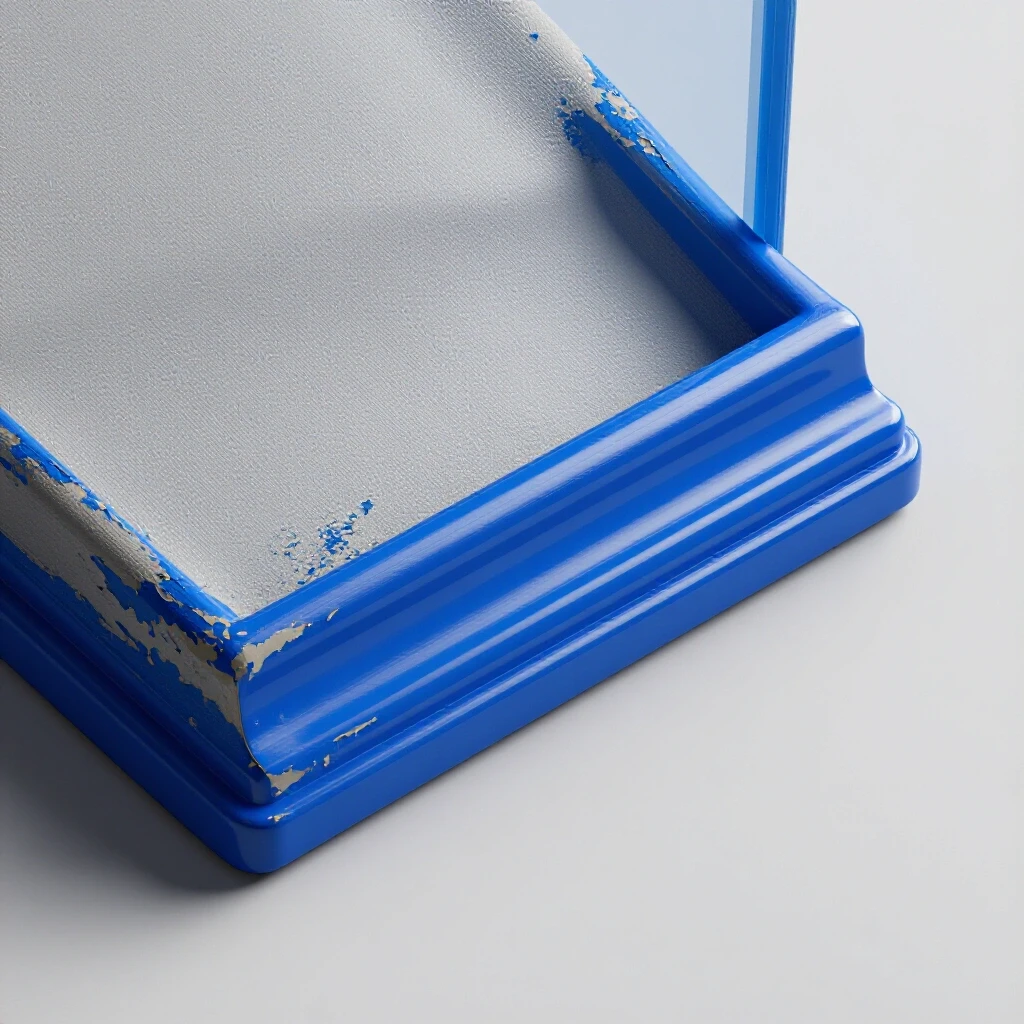
The results showed that the areas where I spent the most time sanding and cleaning held up perfectly. However, a small section near the door where I hadn’t scrubbed enough grease showed signs of minor flaking. This confirms that the bond is only as strong as the cleanest part of your floor.
Troubleshooting Common Application Issues
If you notice “fisheyes” (small circular gaps where the paint won’t stick) while painting, stop immediately. This is a sign of oil contamination. You must let the area dry, sand it back to the substrate, degrease it again, and re-apply. If the paint feels tacky after 24 hours, the room may be too humid or the coat was applied too thick. Increase airflow with a fan, but do not point the fan directly at the floor, as this can cause the surface to dry too fast and crack.
Final Maintenance and Longevity Best Practices
Maintaining a coated floor is simpler than maintaining carpet or bare wood, but it still requires care. Avoid using harsh bleach-based cleaners, which can dull the finish. Instead, use a pH-neutral cleaner and a soft microfiber mop.
To extend the life of your work, place a high-quality walk-off mat both inside and outside the door. These mats catch the grit that acts like sandpaper under your boots. If you notice a small scratch, touch it up immediately using a small artist’s brush. This prevents moisture from getting under the paint layer and lifting the surrounding area.
By following these code-compliant steps and respecting the chemistry of the materials, you can transform a high-traffic entry into a clean, functional space. The satisfaction of a well-executed project comes from knowing the work was done right the first time, saving you both time and the cost of future repairs.
Frequently Asked Questions
How long should I wait before putting furniture back in the mudroom? You should wait at least 72 hours for light items like a bench or boot tray. For heavy items, wait a full 7 days. Even if the paint feels dry, the weight of furniture can cause “indentation” if the coating hasn’t fully cured to its maximum hardness.
Can I use a regular paintbrush for the whole floor? No, using a brush for the entire floor will leave visible brush marks and result in an uneven thickness. A roller is necessary to provide a uniform film. Use a brush only for the edges and corners where the roller cannot reach.
Do I really need to sand the floor if it’s already clean? Yes. Sanding creates “micro-scratches” that allow the new paint to mechanically lock onto the surface. Without this, the paint sits on top of the surface rather than bonding to it, which leads to peeling when the floor undergoes temperature changes or heavy foot traffic.
What is the best temperature for painting a floor? The ideal temperature is between 60°F and 80°F. If it is too cold, the paint will not cure. If it is too hot, the paint will dry too fast, preventing it from leveling out, which results in a bumpy, uneven finish.
Should I use a primer before the floor enamel? Check the manufacturer’s instructions on the can. Some high-performance enamels are “self-priming” on certain surfaces. However, if you are painting over bare wood or porous concrete, a dedicated floor primer is usually recommended to seal the surface and ensure even color.
How do I handle the smell of the paint? Floor coatings can have strong odors. Use a box fan in a window to exhaust the air. If the mudroom is connected to the rest of the house, seal the interior door with plastic sheeting and painters tape to prevent the fumes from traveling to bedrooms or the kitchen.
Can I add a non-slip additive to the paint? Yes, most manufacturers offer a fine sand or clear grit additive. This is highly recommended for mudrooms, as the floor can become very slippery when wet from rain or snow. Mix the additive into the final coat of paint and stir frequently to keep the grit from settling at the bottom.
What happens if it rains while the paint is drying? High humidity can slow the drying process significantly. If rain is in the forecast, it is best to wait for a dry weekend. Moisture in the air can settle on the wet paint, causing it to lose its gloss or develop a cloudy appearance known as “blushing.”
Is one coat of paint enough? Almost never. Two thin coats are much more durable than one thick coat. A single thick coat may stay soft underneath for weeks, while two thin coats allow for proper evaporation and a much harder final finish.
How do I clean my tools after using floor enamel? If you used a water-based epoxy or enamel, warm soapy water will work. If you used an oil-based product, you will need mineral spirits or paint thinner. Given the low cost of roller covers, many professionals choose to dispose of them rather than using large amounts of solvent to clean them.
(This article was written by one of our staff writers, Robert Callahan. Visit our Meet the Team page to learn more about the author and their expertise.)