How to Update a Powder Room for Guests (Easy Renovation Tips)

Discussing budget options for a small guest bathroom often feels like a balancing act between style and savings. In my 18 years as a project coordinator, I have seen homeowners spend $50,000 on a kitchen only to have guests rave about a $500 refresh in the half-bath. This small space is often the only room a visitor experiences in private, making its visual impact and functionality highly important.
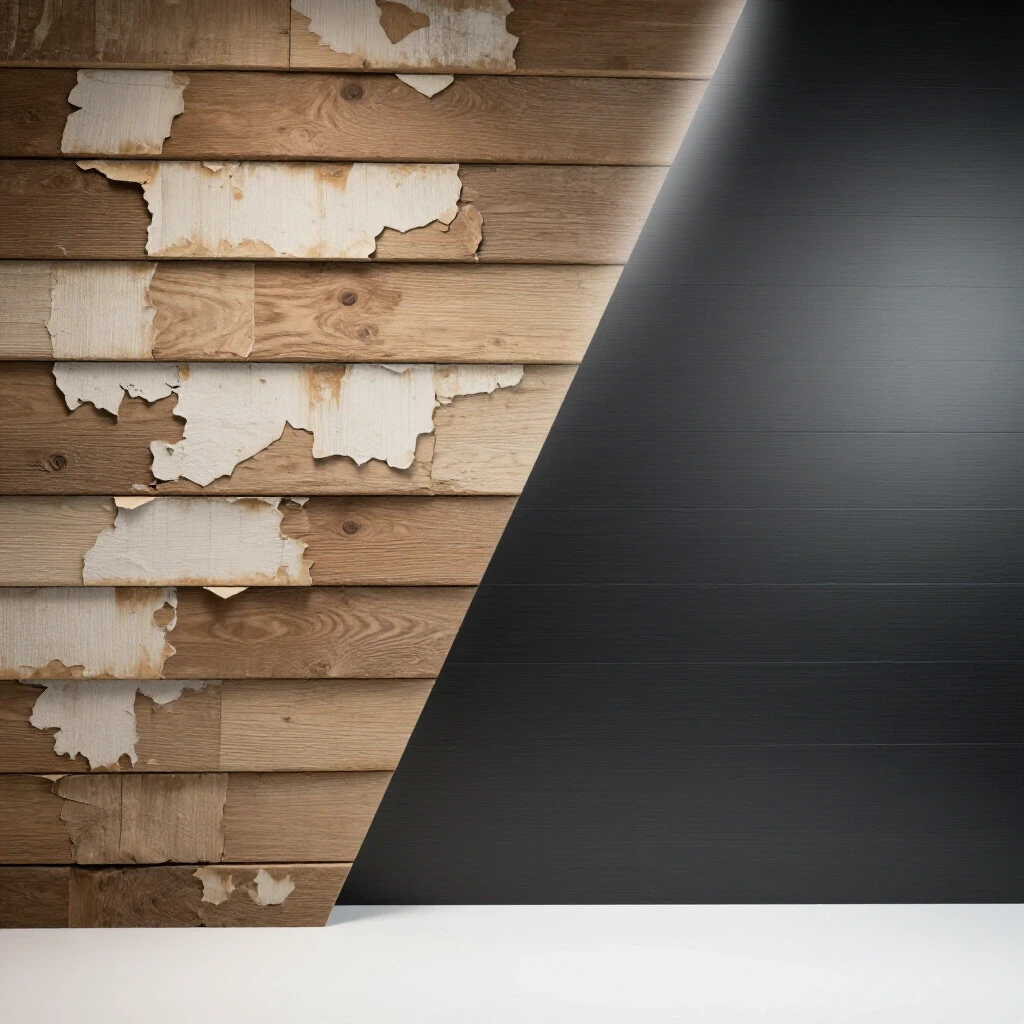
When I tackled my first full-home renovation, I ignored the small guest bath until the very end. I thought it was too small to matter. I was wrong. Guests noticed the peeling wallpaper and the dim lighting more than the expensive hardwood floors in the hallway. That experience taught me that even a surface-level makeover needs a professional management plan to avoid overspending and delays.
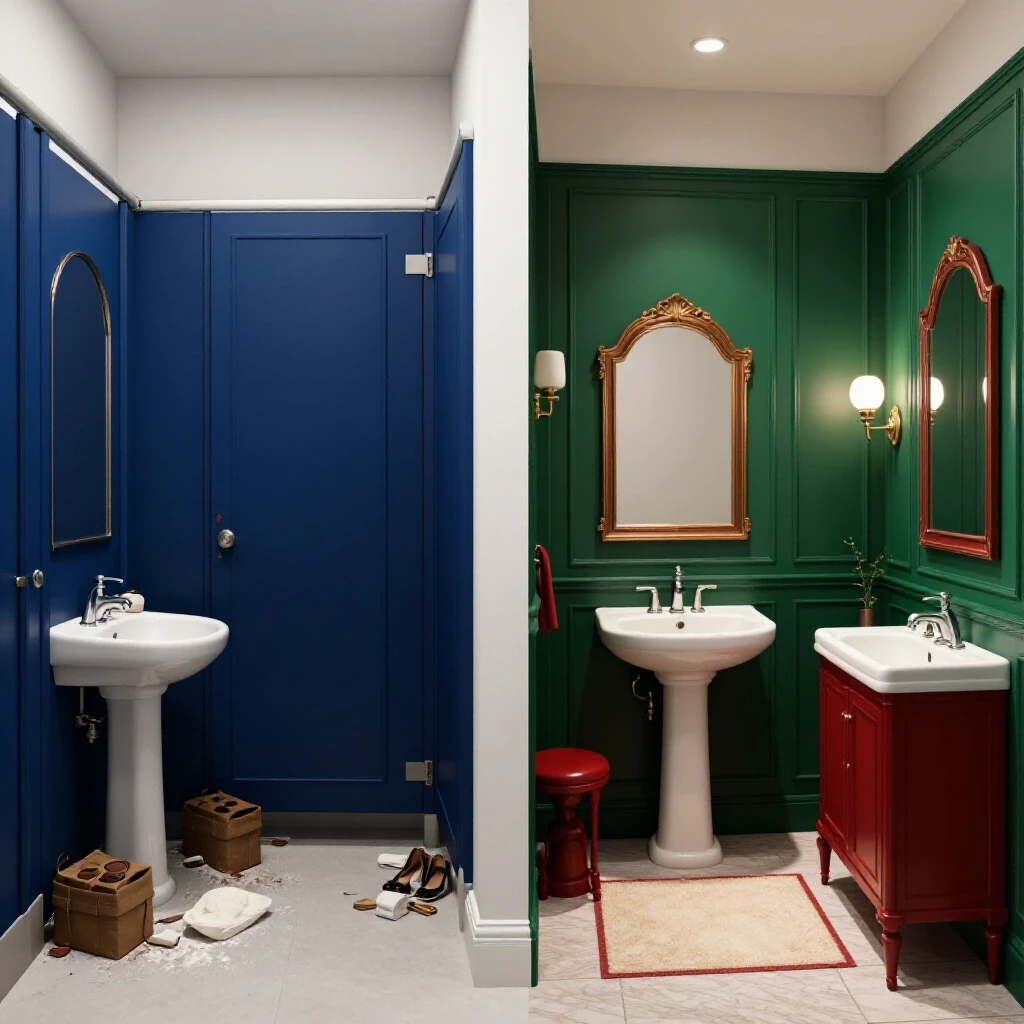
Why Planning a Visual Refresh Requires a Strategic Scope
Defining the scope of work means listing every single change you plan to make before you touch a screwdriver. In a small bathroom, this involves identifying surface-level changes like paint, hardware, and lighting without moving walls or pipes. A clear scope prevents “scope creep,” where a simple paint job turns into an expensive unplanned project.
In my professional coordination career, the most successful projects started with a detailed list. For a small bathroom, your scope might include painting the vanity, replacing the faucet, and installing new light fixtures. If you don’t define this early, you might find yourself at the hardware store buying a new mirror that doesn’t fit the existing light footprint.
A scope of work document acts as your roadmap. It helps you stay focused when you see a beautiful but expensive tile that wasn’t in the plan. By sticking to a predefined list, you ensure that the project stays manageable and within your financial limits.
Estimating Costs for Surface Improvements Using Industry Benchmarks
Estimating involves using data to predict what you will spend on materials and any outside help. For a small bathroom refresh, I use RSMeans data to track the average costs of high-impact items like premium paint and designer hardware. Accurate estimation prevents the mid-project realization that you have run out of funds.
When I look at residential renovation planning, I always tell homeowners to look at the “cost per square foot” for finishes. Even though the room is small, the high-end finishes you might choose can drive prices up quickly. For example, a high-quality faucet can range from $150 to $600, while professional-grade paint may cost $70 per gallon.
Below is a comparison of typical costs for a surface-level refresh versus a mid-range update.
| Item | Surface-Level Refresh (DIY Focus) | Mid-Range Surface Update |
|---|---|---|
| Paint and Supplies | $100 – $200 | $300 – $500 (Professional) |
| Cabinet Hardware | $50 – $100 | $150 – $300 |
| Light Fixtures | $80 – $150 | $250 – $500 |
| Faucet Replacement | $120 – $250 | $350 – $700 |
| Accessories (Towel bars, etc.) | $60 – $120 | $200 – $400 |
| Total Estimated Range | $410 – $820 | $1,250 – $2,400 |
Sequencing Your Project to Avoid Rework and Damage
Construction sequencing is the order in which you perform tasks to ensure one job doesn’t ruin another. In a small space, the order is critical because you have very little room to move. Proper sequencing saves time and prevents you from having to repaint a wall because you bumped it while installing a new mirror.
I once saw a homeowner install a beautiful new rug and vanity accessories before they finished painting the ceiling. A single drip of white paint ruined the rug and required a costly replacement. As a project coordinator, I follow a “top-down” approach for every room, regardless of size.
- Phase 1: Preparation. Remove old hardware, patch holes in the drywall, and sand the vanity.
- Phase 2: Ceiling and Walls. Paint the highest points first so drips land on old surfaces.
- Phase 3: Cabinetry. Refinish or paint the vanity once the wall paint is dry.
- Phase 4: Lighting and Plumbing Fixtures. Install the new faucet and lights.
- Phase 5: Finishing Touches. Add the mirror, towel bars, and guest amenities.
Maximizing Guest Perception Through Lighting and Ambiance
Lighting is the most noticeable element for a guest and often the most overlooked by homeowners. It defines the atmosphere of the room and can make a small space feel either cramped or expansive. Understanding the “why” behind lighting helps you choose fixtures that improve usability and aesthetics.
Most small bathrooms suffer from “shadowing,” where a single overhead light creates dark circles under a person’s eyes in the mirror. To fix this, I recommend looking at the “color temperature” of bulbs, measured in Kelvins. A range of 2700K to 3000K provides a warm, inviting glow that guests appreciate.
In my own home, I replaced a harsh fluorescent bar with two side-mounted sconces. The difference was immediate. Guests actually commented on how “bright and clean” the room felt. This change didn’t require moving wires; it just required choosing the right fixture for the existing electrical box.
Managing Material Selection to Prevent Design Errors
Material selection involves choosing the physical items that will be installed, from the finish on a faucet to the texture of a hand towel. In a small room, these choices are magnified because there is less visual “noise” to distract the eye. Choosing mismatched metals or clashing colors is a common mistake that can make a refresh look disorganized.
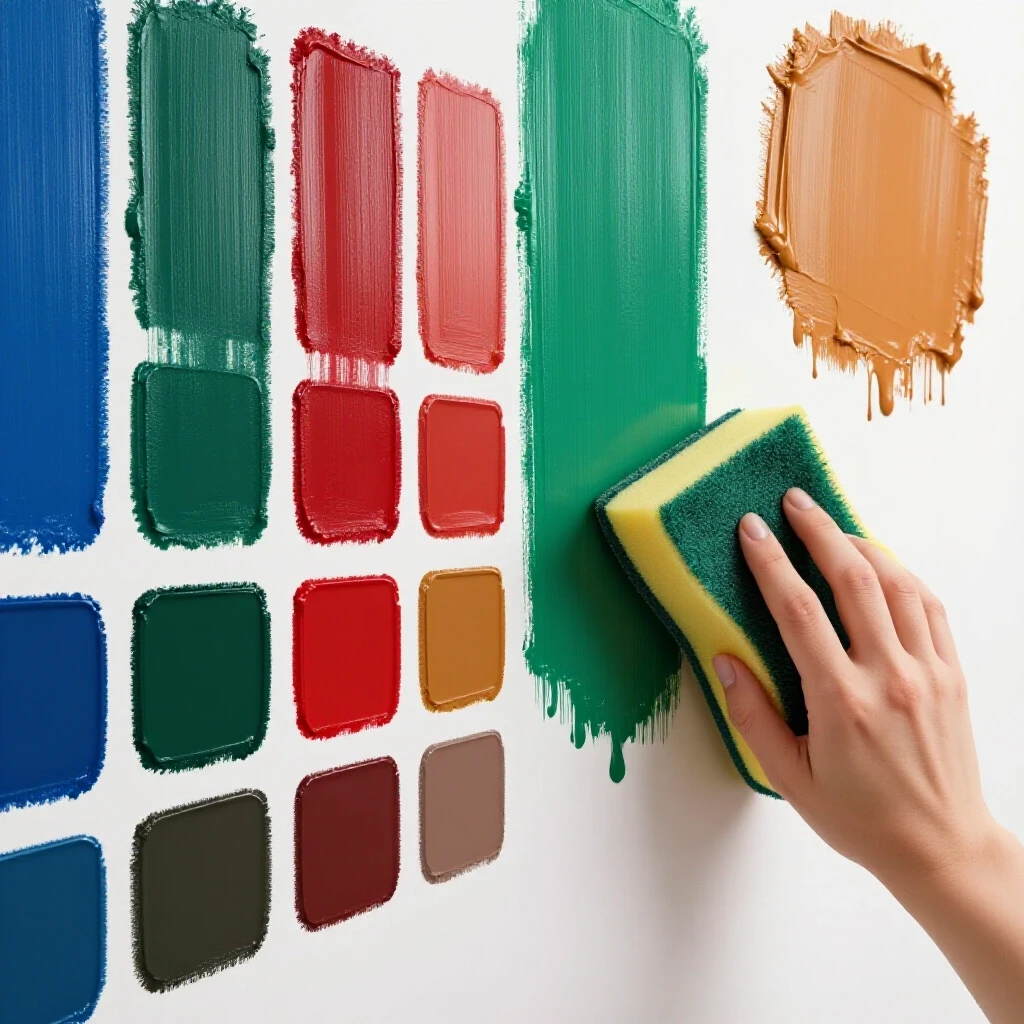
I suggest picking a “hero” element, like a bold wallpaper or a unique mirror, and building the rest of the room around it. If you choose a matte black faucet, ensure your cabinet pulls and towel ring match that finish. Consistency creates a sense of professional design that guests notice immediately.
Lead times are also a factor here. Even for small items, shipping can take weeks. I recommend ordering all materials before you start the work. Nothing stalls a project like having a half-painted room while you wait 14 days for a specific faucet handle to arrive.
Why Hidden Surprises Halt Even Small Refreshes
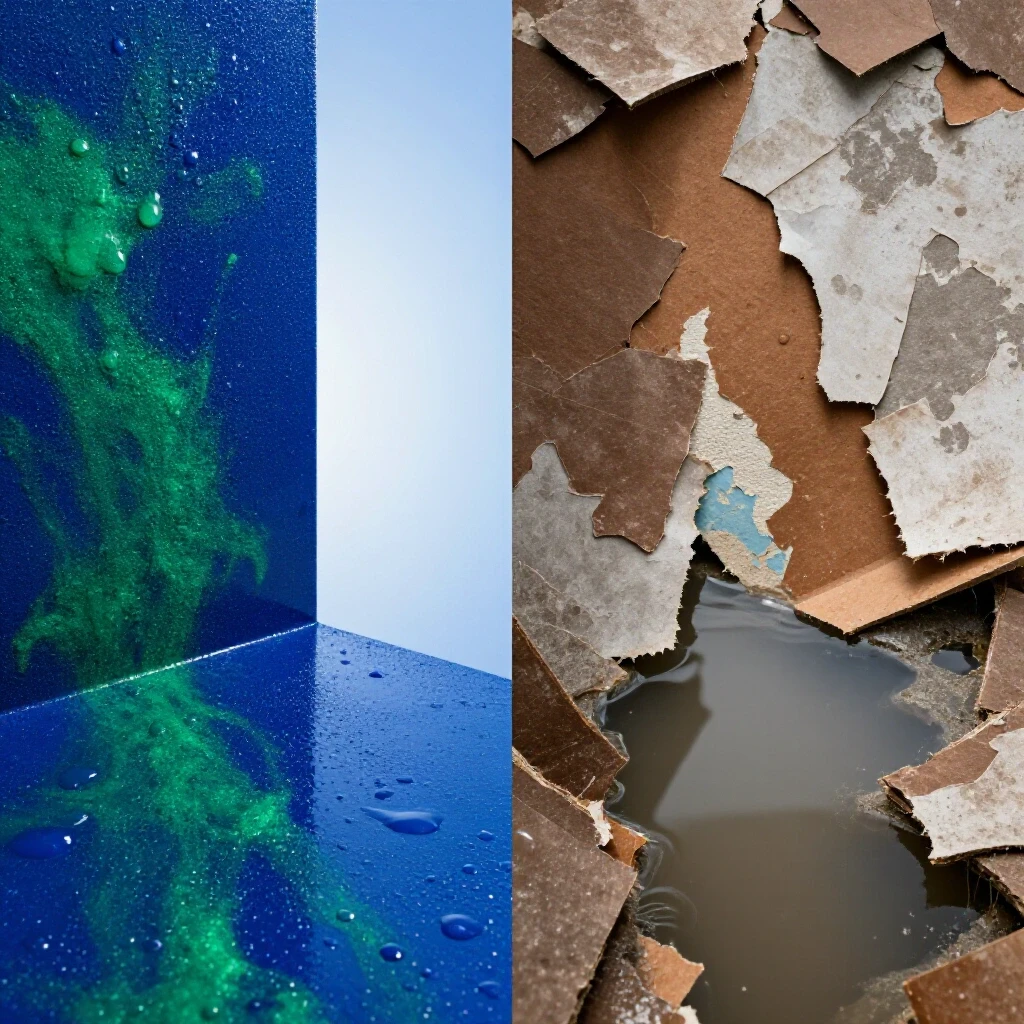
Even in a surface-level project, you might find hidden issues behind the scenes. Mold behind a mirror or outdated wiring behind an old light fixture can quickly change your plan. A structural inspection checklist is useful even for small rooms to catch these problems early.
During a simple mirror replacement in my second home, I found a slow leak inside the wall that had caused minor rot. If I had just covered it up, the damage would have cost thousands to fix later. I had to pause the visual update to address the moisture issue. This is why a contingency fund is vital.
- Check for soft spots in the drywall near the sink.
- Look for signs of mold or mildew around the baseboards.
- Inspect the shut-off valves under the sink for any corrosion.
- Ensure the electrical box for the light is secure and not showing frayed wires.
Formulating a Real Contingency Plan for Small Spaces
A contingency plan is a set amount of money and time set aside for unexpected problems. For a small bathroom refresh, I recommend a 15–25% contingency buffer. While the dollar amount is smaller than a kitchen remodel, the percentage should be higher because small spaces often hide old, neglected issues.
If your estimated budget is $1,000, you should have $1,250 available. This extra $250 isn’t for “better” fixtures; it’s for the new shut-off valve you didn’t know you needed or the extra quart of paint when the first coat doesn’t cover the old color. Managing your finances this way reduces the stress of the project.
| Project Age | Recommended Contingency | Common Surprise |
|---|---|---|
| Under 10 years | 10% | Minor paint matching issues |
| 10–25 years | 15% | Worn-out hardware or leaky valves |
| 25+ years | 25% | Brittle wiring or hidden moisture damage |
Quality Control and Finishing the Final Details
The “punch list” is a final checklist of small tasks that need to be completed before the project is officially done. In a guest-facing room, these details are what make the space feel finished. It might include touching up paint near the ceiling or ensuring the new faucet doesn’t have a tiny drip.
As a coordinator, I use a high-powered flashlight to inspect paint finishes. Shadows can hide uneven spots that guests will see during the day. I also check that all hardware is level. A towel bar that is slightly tilted can ruin the entire look of a wall.
Take the time to “stage” the room once the work is done. Fresh towels, a small plant, and a nice soap dispenser are the final layers of the project. These are the items guests interact with most, and they reinforce the hard work you put into the walls and fixtures.
Project Management Tools for the Homeowner
Using digital tools can help you track your progress and stay on budget. You don’t need complex software for a small bathroom, but a few simple apps can keep you organized.
- HomeZada: Good for tracking home improvement budgets and storing receipts.
- Magicplan: Useful for creating a quick floor plan to see if a new vanity or shelf will fit.
- Pinterest: Best for creating a visual “mood board” to ensure your materials match.
- Trello: A simple way to create a “To-Do,” “Doing,” and “Done” list for your project phases.
- Notes App: Keep a running list of measurements (sink width, light box height) so you have them at the store.
Key Takeaways for a Successful Refresh
Managing a small bathroom project requires the same discipline as a large-scale renovation. By defining your scope, sequencing your tasks, and planning for surprises, you can create a space that looks professional and stays within your budget.
- Always work from the top down to protect new finishes.
- Set aside a 20% contingency fund for hidden issues like moisture or old wiring.
- Focus on lighting and hardware for the highest guest impact.
- Order all materials before you begin the first phase of work.
Frequently Asked Questions
How long does a typical surface refresh take? For a small guest bathroom, a visual refresh usually takes 3 to 5 days of active work. This includes time for paint to dry between coats and for any small hardware installations. If you are doing the work yourself on weekends, plan for two consecutive weekends to allow for unexpected trips to the store.
Do I need a permit for changing lights or faucets? In most jurisdictions, replacing an existing light fixture or faucet with a new one does not require a permit. However, if you are moving the electrical box to a new location or rerouting pipes, you likely will. Always check with your local building department to be certain.
What is the most common mistake in small bathroom updates? The most common mistake is over-complicating the design. In a small space, less is often more. Trying to fit a large mirror, bold wallpaper, and a heavy light fixture can make the room feel claustrophobic. Pick one focal point and keep the rest of the elements simple.
How can I tell if there is mold behind my bathroom walls? Look for discolored spots on the drywall, a persistent musty smell, or paint that is bubbling or peeling. If the drywall feels soft or “spongy” when you press on it, there is likely moisture damage behind the surface. Address this before applying new paint or wallpaper.
Should I paint my vanity or replace it? If the vanity is made of solid wood or high-quality plywood and is in good structural shape, painting is a cost-effective way to refresh the look. If it is made of cheap particle board that has begun to swell from moisture, it is better to replace it entirely, as paint will not adhere well to damaged material.
What finish should I choose for my hardware? Brushed nickel and matte black are currently popular because they hide fingerprints well. Polished chrome is classic and easy to clean but shows water spots. Whatever you choose, ensure all the hardware in the room—including the door hinge and handle—matches for a cohesive look.
How do I calculate how much paint I need? Measure the height and width of each wall to find the total square footage. A typical small bathroom is about 40 to 60 square feet of wall space. One gallon of paint usually covers 350 to 400 square feet, so a single gallon is almost always enough for two coats in a small room.
Why is the “rough-in” phase important if I’m just doing a refresh? Even in a refresh, you need to check the “rough-in” areas—the parts behind the walls or under the sink. Ensuring the pipes and wires are in good condition before you finish the surfaces prevents you from having to tear out your new work later to fix a leak.
What is the best way to handle a “change order” if I’m doing the work myself? A change order is when you decide to change the plan mid-project. To manage this, stop and recalculate your budget and timeline immediately. Ask yourself if the change is necessary or just a “want.” If it exceeds your contingency fund, it is usually best to stick to the original plan.
How can I make a windowless bathroom feel brighter? Use mirrors to reflect the light you do have. Choose a light paint color with a satin or semi-gloss finish, as these reflect more light than flat paint. Finally, ensure your light bulbs have a high “Lumen” count to provide adequate brightness without the need for natural sun.
(This article was written by one of our staff writers, David Langford. Visit our Meet the Team page to learn more about the author and their expertise.)