How to Fix Home Renovation Permit Denials (Step-by-Step Guide)

According to industry data, nearly 30% of residential renovation projects experience significant delays during the initial regulatory review cycle. These setbacks often occur when a homeowner’s design vision clashes with local building codes or zoning restrictions. For many, this is the first moment a project feels like it is spinning out of control, but understanding how to navigate these administrative hurdles is a core skill for any successful project coordinator.
Establishing a Solid Project Foundation
Residential renovation planning begins with a clear scope of work and a realistic understanding of local building standards. This stage involves defining exactly what will be changed, identifying which structural elements are involved, and researching the specific requirements your local municipality has for safety, energy efficiency, and land use.
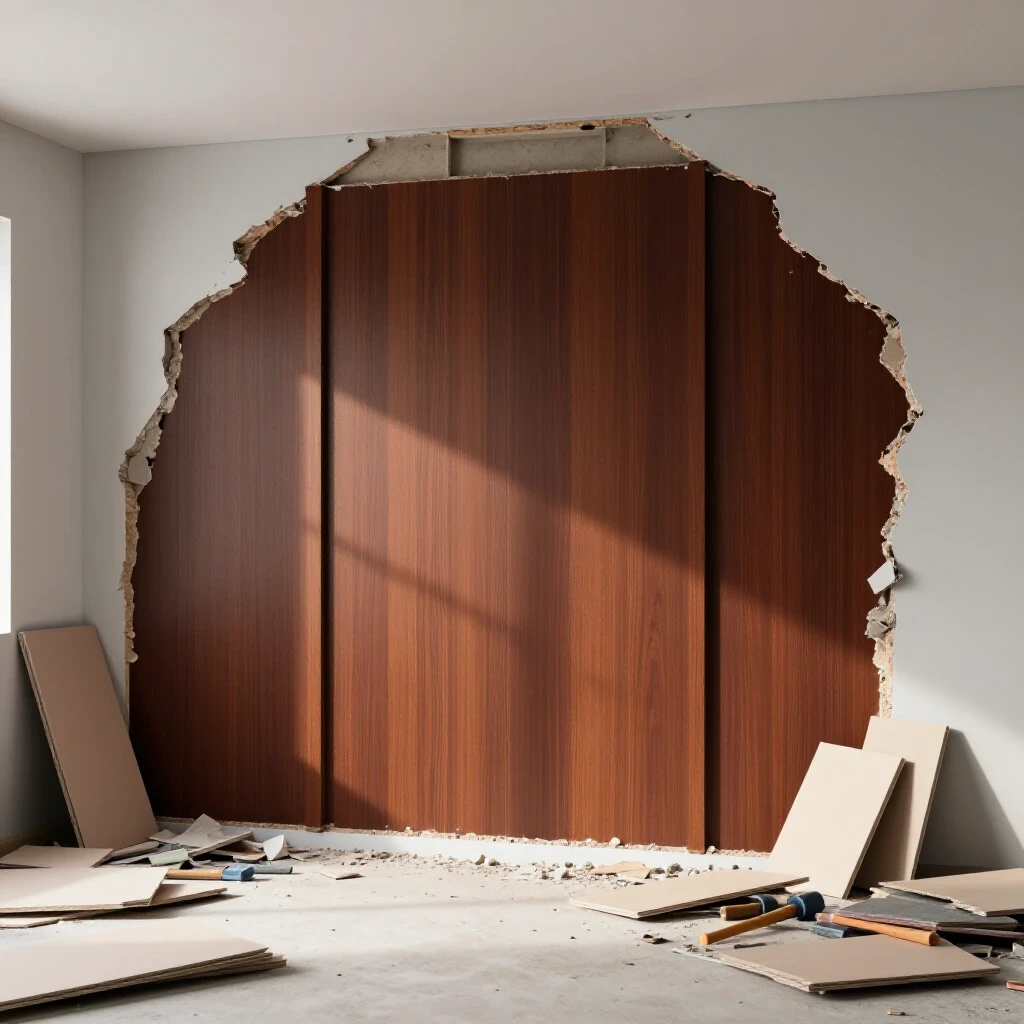
In my 18 years of oversight, I have found that most friction occurs because homeowners jump into aesthetics before confirming feasibility. When I renovated my first 1920s bungalow, I wanted to remove a wall between the kitchen and dining room to create an open floor plan. I assumed it was a simple partition wall. However, a structural inspection revealed it was a load-bearing structure, meaning it supported the weight of the roof.
A load-bearing structure is any wall, beam, or column that holds up the weight of the building above it. If you remove one without adding a proper header—a heavy horizontal beam that redistributes weight—the house can sag or collapse. By identifying this early, I adjusted my kitchen remodel budget to include a $3,500 steel beam. This prevented a major setback during the official plan review because my drawings already accounted for the necessary structural support.
| Renovation Phase | Typical Lead Time | Primary Risk Factor |
|---|---|---|
| Initial Design | 4-6 Weeks | Scope Creep |
| Regulatory Review | 2-10 Weeks | Plan Revisions Needed |
| Material Procurement | 4-12 Weeks | Supply Chain Delays |
| Demolition & Rough-In | 2-4 Weeks | Hidden Structural Rot |
| Finish Work | 4-8 Weeks | Subcontractor Scheduling |
Navigating Setbacks in Official Approvals
This process involves reviewing comments from local building officials when your submitted plans do not meet specific safety or zoning requirements. Instead of a simple “yes” or “no,” officials provide a list of deficiencies that must be corrected before construction can legally begin on your property.
When you receive a notice that your plans require changes, it is not a sign of failure. It is a quality-control checkpoint. During a whole-house remodel I coordinated for a client, the city rejected the plumbing layout. The issue was “rough-in plumbing” venting. Rough-in plumbing refers to the installation of pipes under the floor or behind walls before the drywall is installed. The vents allow air to enter the system so water flows smoothly.
We fixed the issue by hiring a licensed plumber to redraw the venting diagram to meet the new local code. This cost an extra $500 for the consulting fee but saved thousands in potential fines. Building on this, the key is to treat the plan examiner as a partner in safety rather than an obstacle. Their job is to ensure your home doesn’t have mold issues from poor ventilation or electrical fires from outdated wiring.
- Always request a “correction list” in writing.
- Schedule a brief meeting with the examiner if the comments are unclear.
- Ensure your architect or designer updates every page of the blueprints, not just the affected section.
Refining Your Residential Renovation Planning Strategy
A successful strategy involves adjusting your construction sequencing and timeline to account for the time needed to revise drawings and resubmit them for approval. This requires “float time,” which is a buffer of extra days in your schedule that can be used without delaying the final completion date.
I recommend a 15% float time for most major remodels. If your kitchen remodel is scheduled for 10 weeks, assume it will take 11.5 weeks. This buffer is essential when you encounter a plan rejection. Interestingly, many homeowners forget that contractors often have other jobs lined up. If your start date shifts by two weeks because you are waiting for a revised approval, your contractor might move to another project, pushing you back even further.
To manage this, use a contractor management guide approach where you keep a “Critical Path” schedule. The Critical Path is the sequence of tasks that must be finished on time for the whole project to finish on time. If your plan approval is on the Critical Path, every day of delay there is a day of delay for the move-in date.
Budgeting for Unforeseen Code Compliance Costs
This is the practice of setting aside a specific portion of your funds to cover updates required by the building department that weren’t in your original estimate. These often involve “bringing things up to code,” which means making old parts of your house meet modern safety laws.
Using data from RSMeans construction estimating resources, I suggest a tiered contingency fund based on the age of your home. RSMeans is a database of construction costs that professionals use to predict labor and material expenses. For homes built after 2000, a 10-15% contingency is usually enough. For homes built before 1970, I never recommend less than 20-25%.
| Property Age | Recommended Contingency | Common Compliance Issues |
|---|---|---|
| 0-15 Years | 10% | Minor Electrical Updates |
| 15-40 Years | 15% | Insulation, Water Heater Strapping |
| 40-70 Years | 20% | Lead Paint, Ungrounded Wiring |
| 70+ Years | 25% | Structural Rot, Galvanized Pipes |
In one of my own renovations, the inspector required us to upgrade the entire electrical panel because the new kitchen appliances would pull more power than the 1950s system could handle. This was a $2,800 expense I hadn’t planned for, but because I had a 20% contingency fund, it didn’t stop the project.
Contractor Vetting and Managing Expectations
This step involves interviewing and selecting builders who have a proven track record of working with local building departments and who understand how to resolve plan discrepancies. A good contractor should be able to look at a set of comments from an inspector and explain exactly how they will fix the issue.
When interviewing, ask for a “structural inspection checklist” they use during the rough-in phase. This shows they are proactive about quality control. You want a contractor who views the building code as a minimum standard, not a suggestion. I once worked with a builder who tried to convince a client that we didn’t need to resubmit plans for a minor window change. I stepped in because I knew that even a small change in window size could violate “egress” rules—safety rules that require windows to be large enough for a firefighter to climb through.
- Verify their license and insurance status with the state board.
- Ask for three references from projects completed in the last 12 months.
- Check if they have experience with your specific house style (e.g., mid-century modern vs. Victorian).
- Ensure they use written change orders for any deviation from the original contract.
Managing the Execution and Inspection Phases
Execution is the “hammer-and-nail” phase where the plans are turned into reality, punctuated by mandatory visits from city inspectors. These inspections usually happen at the “rough-in” stage (before walls are closed) and the “final” stage (before you move in).
Managing this phase requires a “Change Order Impact Analysis.” A change order is a written agreement to change the scope of work. If an inspector finds an issue behind a wall—like mold or outdated wiring—you will need a change order to fix it. As a result of these discoveries, your budget and timeline will shift.
During my second full-home renovation, we found “knob and tube” wiring behind the bathroom tile. This is an old type of wiring that is a fire hazard and often causes plan rejections if discovered. We had to pause for three days to rewire the circuit. Because I had established clear milestone payments in the contract, I only paid for the electrical work once the inspector signed off on the new wiring. This kept the financial risk low and ensured the work was done correctly.
- Rough-in phase: Includes plumbing, electrical, and framing.
- Thermal envelope: The barrier between the conditioned air inside and the outside air (insulation and windows).
- Lien waiver: A document from a contractor stating they have been paid and waive their right to put a lien on your property.
Resolving Disputes and the Final Punch-List
The final stage of a remodel involves a “punch-list,” which is a list of small fixes needed to complete the project to the agreed-upon standard. This is also where any remaining issues with the building department must be closed out to receive a Final Certificate of Occupancy.
A Certificate of Occupancy is a legal document stating the home is safe to live in. If you have unresolved setbacks from the approval phase, you won’t get this document. This can make it impossible to sell your home or get homeowners insurance. I always advise keeping the final 10% of the project payment until the final inspection is passed and the punch-list is 100% complete.
In one project, a contractor missed a specific type of fire-rated drywall in the garage. The inspector refused to sign off. The contractor argued it wasn’t necessary, but the code was clear. Because I held the final payment, the contractor was motivated to return and replace the drywall at his own expense. This is how you maintain leverage and ensure your home is both beautiful and legal.
Project Management Tools for Homeowners
To keep your renovation on track, consider using these digital tools:
- CoConstruct or Buildertrend: Professional-grade apps that many contractors use to share schedules and photos with homeowners.
- Magicplan: An app that allows you to create floor plans using your phone’s camera, which is helpful for initial design discussions.
- HomeZada: A tool for tracking your renovation budget, receipts, and long-term home maintenance.
- Trello or Asana: Simple task management tools to keep track of your “to-do” lists and contractor communications.
Frequently Asked Questions
What should I do if my renovation plans are rejected? First, do not panic. Read the examiner’s comments carefully. Most rejections are due to missing information or small code violations. Ask your architect or designer to address each point specifically and resubmit the drawings. This is a standard part of the process.
How long does it typically take to get a plan revision approved? While it varies by location, most departments take 1-3 weeks to review revisions. It is usually faster than the initial review because they are only looking at the changes you made.
Can I start demolition while waiting for the corrected plans to be approved? It is highly discouraged. If you demolish a wall and the revised plan requires that wall to stay for structural reasons, you will face massive costs to rebuild it. Always wait for the “green light” from the city.
How much does it cost to fix a plan rejection? If the error was made by your architect, they should often fix it as part of their original fee. If you changed your mind on the design, expect to pay hourly rates for the revisions. Set aside $500–$1,500 for potential consulting fees during this stage.
What is the difference between a building permit and a zoning permit? A building permit focuses on safety (structural, electrical, plumbing). A zoning permit focuses on how the building sits on the land (height, distance from neighbors, and usage). You often need both.
What are the most common reasons for a plan to be sent back? Common issues include missing smoke detector locations, incorrect stair dimensions, inadequate insulation details, or failing to meet “setback” requirements (how close you can build to the property line).
How do I know if my contractor is following the approved plans? Compare the work on-site to the stamped set of blueprints from the city. You can also ask to see the “correction card” that the inspector signs after each visit. If the inspector hasn’t signed it, the work isn’t officially approved.
Should I manage the approval process myself or let the contractor do it? If you are comfortable with paperwork and have the time, you can do it. However, an experienced contractor often knows the local inspectors and can resolve technical questions on the spot, which can save weeks of back-and-forth.
What if I find mold or rot after I already have my permits? This is a “change in field conditions.” You must stop work in that area, fix the issue (usually requiring a change order), and potentially have the inspector look at the repair before you cover it back up with drywall.
Is a 20% contingency really necessary for a kitchen remodel? Yes. Kitchens are the most complex rooms in a house. Between gas lines, heavy appliances, and complex electrical needs, the chances of finding a “code mismatch” behind the old cabinets are very high.
How do I handle a contractor who refuses to follow the inspector’s corrections? This is a breach of contract. Most standard contracts require the builder to follow all local codes. If they refuse, you may need to stop payments and consult a mediator or legal professional to ensure the work is completed safely.
Final Steps for Success
Navigating the complexities of residential construction requires patience and a data-driven approach. By building a 20% contingency into your budget and a 15% float into your schedule, you can handle the inevitable plan revisions without unnecessary stress. Remember that the goal of the regulatory process is to ensure your finished home is a safe, durable environment for your family. Focus on clear communication with your contractor, keep detailed records of all change orders, and never rush the rough-in phase. With these strategies, you can transform your design vision into a reality that meets every professional standard.
(This article was written by one of our staff writers, David Langford. Visit our Meet the Team page to learn more about the author and their expertise.)