How to Create a Punch List After Move-In (Homeowner Guide)

Designing a home that is easy to maintain starts long before the first hammer hits a nail. When I oversaw my first full-home renovation, I realized that the materials we chose dictated how much time I would spend cleaning and fixing things years later. A successful residential renovation planning process prioritizes surfaces that resist wear and layouts that do not trap dust. By focusing on durable finishes and accessible systems during the design phase, you ensure that the home remains as beautiful as the day you moved back in.
Evaluating the Living Experience After You Move Back In
This phase involves observing how your new space functions during daily use once the heavy construction is finished. It is the time to note how light hits the walls, how doors swing, and whether the storage you planned actually fits your lifestyle. This period focuses on the small details that only become visible after you have lived in the space for a few weeks.

During my eighteen years in this field, I have seen many homeowners rush to call a project finished the moment the boxes are unpacked. However, the true test of a project happens in the first thirty days of occupancy. In my own kitchen remodel, I noticed that a specific cabinet handle was just an inch too close to the dishwasher door. It did not show up on the blueprints, and we did not catch it during the empty-house walkthrough. It was only when I was loading dishes that the conflict became clear.
These minor home remodeling tips are not about major failures. Instead, they are about the “settling-in” discoveries. You might find a spot where the paint needs a tiny touch-up or a door that squeaks when the humidity changes. I recommend keeping a notebook in a central spot, like the kitchen island. Every time you notice a small imperfection or a way a room could flow better, write it down. This prevents small frustrations from becoming permanent annoyances.
Interestingly, these observations often revolve around the “finish” layer of the home. According to RSMeans data, the cost of these final aesthetic adjustments is relatively low compared to the total budget, but their impact on your daily happiness is high. Taking the time to observe these details ensures your home works for you, not against you.
Sequencing the Final Design and Decor Adjustments
Construction sequencing usually ends with the final coat of paint, but the design sequence continues well after move-in. This stage involves adding the personal touches, such as art, window treatments, and rugs, that turn a construction site into a home. It requires a patient approach to ensure that new additions do not damage the fresh work.
I often tell my clients that the house needs to “breathe” before you start drilling holes for heavy mirrors. In one of my personal renovations, I waited six weeks before hanging any artwork. This allowed the HVAC system to stabilize the indoor climate. If you hang heavy items too soon, you might find that the slight shifting of new lumber causes small cracks around the anchors.
When you are planning these final steps, consider the following order of operations: – Perform a deep clean of all surfaces to remove fine construction dust. – Install window treatments to protect new flooring and furniture from UV fading. – Place large furniture pieces to define the flow of the room. – Add area rugs to protect high-traffic floor zones. – Hang artwork and mirrors once you are certain of the furniture layout.
Building on this, the kitchen remodel budget should always include a small reserve for these final design elements. People often forget that a new kitchen might make their old bar stools look out of place. By setting aside about 2% of your total budget for “post-move refinements,” you avoid the stress of unexpected spending at the very end of the project.
Identifying Minor Aesthetic Imperfections and Fixes
These are the small, non-structural issues that appear once you start using the home’s systems daily. This includes things like paint scuffs from the moving crew, a slightly loose light switch cover, or a cabinet door that needs a minor hinge adjustment. These items are common and do not indicate poor quality, but rather the natural “settling” of a new space.
In my experience, the most common discovery after moving back in is the “moving day scuff.” No matter how careful the movers are, a sofa corner will inevitably find a hallway wall. I always keep a small, labeled jar of “touch-up” paint for every room. This is a simple contractor management guide trick: ask your painter to leave a quart of every color used, clearly marked with the room name and the date.
Another common discovery involves the cabinet hardware. In a kitchen remodel, you might have fifty or more hinges and pulls. After a week of opening and closing drawers, one or two might need a quick turn of a screwdriver. This is a normal part of the home’s break-in period. Based on post-occupancy evaluations, these small mechanical adjustments are the most frequent tasks homeowners perform in the first month.
| Item Type | Common Observation | Suggested Action | Estimated Time |
|---|---|---|---|
| Paint | Scuffs or “flashing” in light | Use a small foam brush for touch-ups | 15 mins |
| Cabinetry | Doors slightly out of alignment | Adjust the screw on the interior hinge | 5 mins |
| Lighting | Dimmer switch flicker | Check bulb compatibility with the switch | 10 mins |
| Plumbing | Slow drain in new sink | Clear the aerator or check the P-trap | 20 mins |
| Flooring | Grout haze or dust | Wipe with a damp microfiber cloth | 30 mins |
Refining the Aesthetic with DIY Design Tweaks
This process involves making small, creative changes to the home’s interior to better reflect your personal style. It focuses on decor, crafts, and design elements that do not require professional help. These tweaks allow you to customize the space as you learn how you truly use each room.
I have found that the way you thought you would use a room often changes once you actually live there. In my second home renovation, I planned a small nook for a reading chair. After moving in, I realized the morning sun was too bright in that spot for reading. Instead of a major change, I used a DIY approach. I added a decorative floor screen to diffuse the light and swapped the chair for a large potted plant.
These types of home remodeling tips are about being flexible. You might find that a rug you loved in the showroom feels too small in your new living room. Or perhaps the “warm white” light bulbs you chose feel too yellow at night. These are easy, low-cost fixes. RSMeans data suggests that simple lighting and decor swaps can change the feel of a room for less than $500, which is a small price for total comfort.
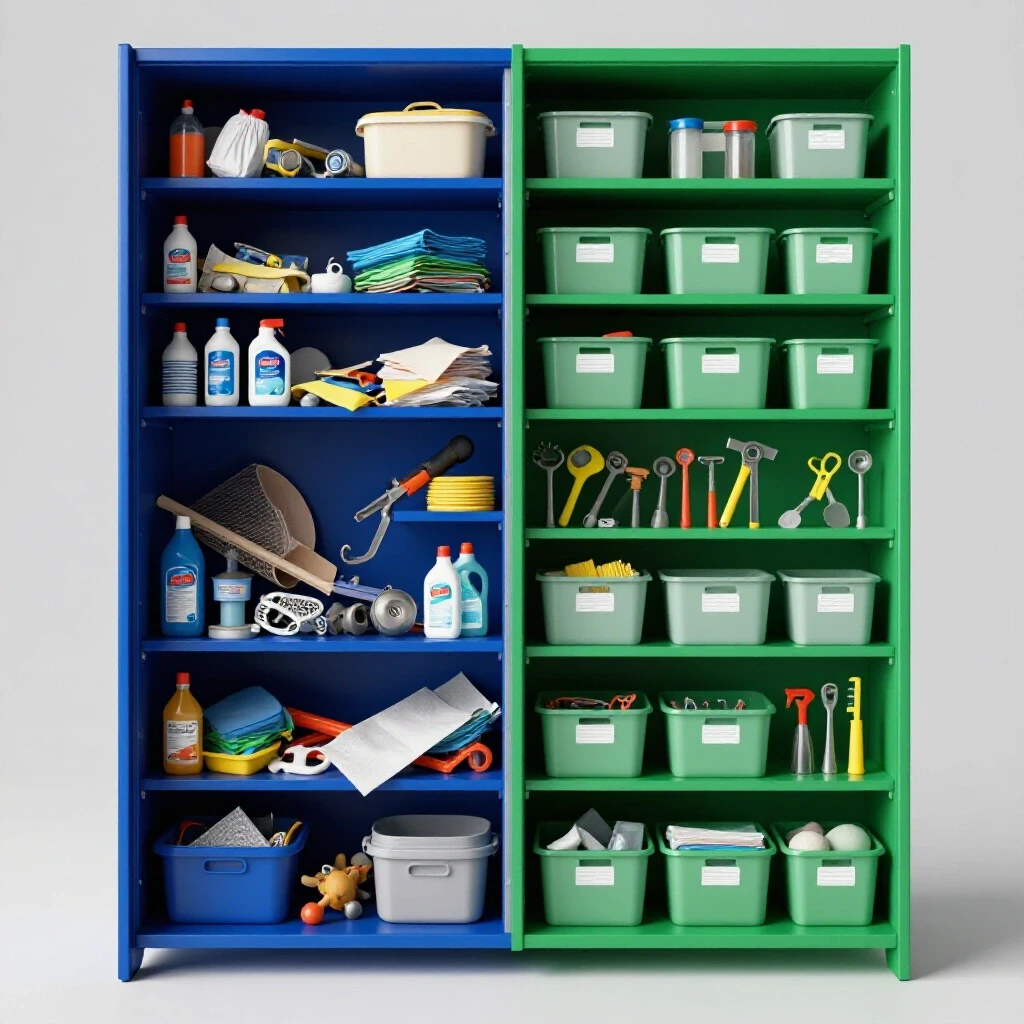
When making these tweaks, focus on: – Swapping light bulbs to change the color temperature (Kelvin) of a room. – Adding felt pads to the bottom of all furniture to protect new floors. – Using Command hooks for temporary art placement before committing to a nail. – Organizing pantry shelves with clear bins to maximize the new storage.
Practical Strategies for Long-term Upkeep
Long-term upkeep involves creating a schedule to maintain the new materials and systems in your home. This ensures that the high-quality finishes you invested in during the renovation stay in top condition. It includes everything from cleaning stone countertops to changing air filters in your new HVAC system.
One of the biggest mistakes I see homeowners make is using the wrong cleaning products on new surfaces. For example, if you installed natural stone countertops, using an acidic cleaner can ruin the finish in weeks. I recommend creating a “Care Binder.” Inside, keep the care instructions for every new material in your home. This is a vital part of residential renovation planning that often gets overlooked.
As a result of my years in project coordination, I have developed a simple seasonal maintenance checklist. For a newly renovated home, the first year is the most important. You are watching how the materials react to the changing seasons. In the winter, the air might get dry, causing wood floors to show small gaps. In the summer, humidity might make doors stick. Knowing that these are normal reactions helps reduce the anxiety of being a new homeowner.
- Check and clean faucet aerators every six months to maintain water pressure.
- Vacuum the coils behind your new refrigerator to keep it running efficiently.
- Inspect the caulking around tubs and showers for any signs of shrinking.
- Test all GFCI outlets in the kitchen and bathrooms once a month.
- Replace HVAC filters every 90 days to protect your new system from dust.
Personal Stories of Post-Project Realizations
These stories highlight the unexpected lessons learned after completing a renovation and living in the space. They provide real-world examples of how design choices translate into daily life. These case studies serve as a guide for what to look for and how to handle the small surprises of a new home.
I remember a project where the homeowner was very specific about the height of the kitchen island. We built it exactly to the blueprint. Two weeks after moving back in, she realized that the bar stools she bought were slightly too tall for her kids to sit comfortably. We didn’t need a contractor; we simply swapped the stools for a different model. This taught me that “perfect” on paper doesn’t always mean “perfect” in practice.
In another case, I worked on a bathroom remodel where we used a beautiful, dark-colored tile in the shower. It looked stunning. However, the homeowner soon found that their local water was very “hard,” meaning it left white calcium spots on the dark tile every single day. The fix was a simple DIY adjustment: they started using a small squeegee after every shower. It took thirty seconds but kept the tile looking brand new.
These stories emphasize that a home is a living thing. It changes and requires attention. By approaching your renovation with the mindset that you will find small things to adjust later, you remove the pressure of getting everything 100% right on the first day. This realistic perspective is the key to a stress-free transition back into your home.
Managing the “Settling-In” List Without Stress
Managing this final list involves organizing the small tasks you’ve identified into a manageable plan. It is about prioritizing what needs to be fixed immediately and what can wait. This approach prevents you from feeling overwhelmed by the small details that still need attention after the move.
I suggest categorizing your findings into three buckets: “Immediate,” “Convenience,” and “Aesthetic.” An “Immediate” item might be a leaky faucet. A “Convenience” item could be moving a shelf in the pantry. An “Aesthetic” item is that small paint scuff in the hallway. By breaking them down this way, you can tackle one or two small things each weekend without it feeling like a second job.
Interestingly, most homeowners find that their list is much shorter than they feared. When you are in the middle of a construction sequencing plan, every tiny flaw feels like a disaster. Once you are sitting on your own sofa with a cup of coffee, those flaws tend to shrink. Most of the items on a typical post-move list can be handled with a basic toolkit and a few hours of time.
- Keep a “Home Kit” handy with a screwdriver, pliers, touch-up paint, and a level.
- Set a “Review Date” for 30 days after move-in to go through your list.
- Tackle the easiest tasks first to build momentum.
- Don’t be afraid to live with a “problem” for a week before fixing it; you might realize it isn’t a problem at all.
- Celebrate the 95% of the project that went right instead of focusing on the 5% that needs a tweak.
Frequently Asked Questions
How long should I wait before making final decor changes? I recommend waiting at least four to six weeks. This gives you time to see how you move through the space and how the light changes throughout the day. It also allows the home’s temperature and humidity to stabilize, which is important for hanging heavy items or installing permanent shelving.
What is the most common thing people find after moving back in? The most common findings are minor paint scuffs and cabinet door alignments. Because new cabinets are used heavily in the first few weeks, the hinges often need a tiny adjustment to stay perfectly level. Paint scuffs are almost inevitable during the furniture moving process.
Should I be worried if I hear “popping” noises in my new walls? Generally, no. New lumber and drywall often make small popping or creaking sounds as they adjust to the temperature of the home. This is especially common when the heat or air conditioning is turned on for the first time. It is a natural part of the house “settling” into its new structure.
How do I know if a small crack in the drywall is a problem? Small, hairline cracks (the width of a piece of thread) near the corners of doors or windows are usually just the result of the house settling. They are easy to fix with a little bit of spackle and touch-up paint. If a crack is wider than a quarter-inch or appears suddenly, it might be worth keeping an eye on, but minor settling cracks are very common in the first year.
Is it normal for my new wood floors to have small gaps? Yes, especially if you live in a climate with changing seasons. Wood is a natural material that expands and contracts with humidity. You might see small gaps in the winter when the air is dry and find that they disappear in the summer. This is why many professionals recommend letting wood flooring acclimate to the home’s environment for several days before installation.
What should I do if a new appliance makes a strange noise? First, check the manual. Many modern, high-efficiency appliances make different sounds than older models. For example, new refrigerators often have variable-speed compressors that hum at different pitches. If the noise persists or seems loud, ensure the appliance is perfectly level, as an uneven floor can cause vibrations.
How often should I check the caulking in my new bathroom? I suggest doing a quick visual check every six months. Caulking can shrink slightly as it dries completely over the first year. If you see any gaps where the tub meets the wall or around the sink, simply add a small bead of matching silicone caulk to keep the seal watertight.
Why does my water pressure seem lower in my new kitchen? This is often caused by “construction debris” like tiny bits of solder or grit getting caught in the faucet’s aerator. It is a very common post-occupancy discovery. Simply unscrew the aerator at the tip of the faucet, rinse out any trapped debris, and screw it back on. This usually restores full pressure immediately.
Can I use any cleaner on my new quartz or granite counters? No. Even though these materials are very durable, harsh chemicals can strip the sealer or dull the finish over time. Always use a pH-neutral cleaner specifically designed for stone. Avoid vinegar, lemon juice, or abrasive scrubbing pads, which can cause micro-scratches on the surface.
What should I do with the leftover materials the contractor left behind? Keep them! Store at least one box of floor tiles, a few pieces of hardwood, and all your touch-up paint. If a tile ever cracks or you need to repair a section of the floor years from now, having the exact matching batch (the “dye lot”) is invaluable. Store these items in a dry, climate-controlled area like a closet or a basement shelf.
(This article was written by one of our staff writers, David Langford. Visit our Meet the Team page to learn more about the author and their expertise.)