How to Handle Home Warranty Claims for Repairs (Step-by-Step Guide)

In the 18th century, the master builders of London operated under a strict code of craftsmanship where their reputation was their only bond. If a timber frame sagged or a masonry wall cracked within the first year, the builder returned to make it right, or they simply never worked again. Today, the scale of residential renovation planning has grown more complex, but the core need for quality assurance remains the same.
Establishing a Framework for Post-Installation Corrections
This phase involves defining the standards of workmanship and product performance required for your project. By setting clear benchmarks during the initial design, you create a roadmap for identifying and resolving any physical defects that appear after the contractors leave. It ensures that every fixture and finish meets the agreed-upon quality.

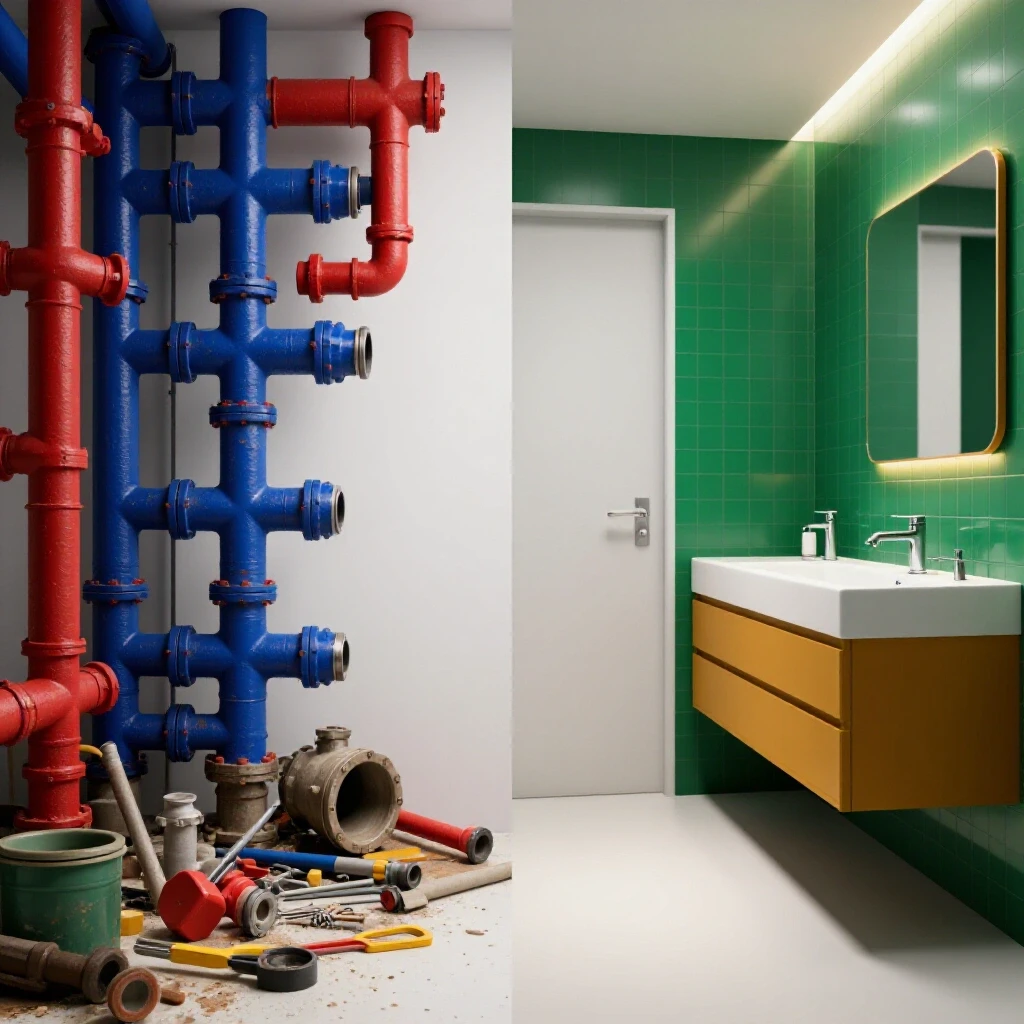
During my 18 years as a project coordinator, I have seen that the most successful renovations are not those that are perfect from day one, but those where the homeowner has a clear path for resolving installation errors. In my own first full-home renovation, a minor leak appeared behind a newly tiled shower wall three months after completion. Because I had documented the plumbing rough-in—the stage where pipes are installed before the walls are closed—the subcontractor could pinpoint the exact fitting that needed a service adjustment. This saved us from tearing out the entire bathroom.
Effective contractor management guides often emphasize that “done” does not always mean “correct.” A residential renovation planning strategy must account for a period of observation where the house “settles” into its new configuration. This is when you identify the small gaps in crown molding or the cabinet door that no longer swings true.
Forecasting Budgets for Long-Term Product Performance
Budgeting for a renovation requires more than just tallying the cost of materials and labor. It involves creating a financial buffer to handle the logistical costs of manufacturer-backed repairs or replacing faulty components discovered during the build. This ensures that the project remains financially stable even when unforeseen issues arise.
When using RSMeans construction estimating resources, I typically advise homeowners to look at the “total installed cost” rather than just the shelf price of a kitchen faucet or a bathtub. If a high-end appliance arrives with a finish defect, the cost of the unit might be covered, but the labor to swap it out often falls on the homeowner unless previously negotiated.
- Kitchen Remodel Budget Allocation:
- Cabinetry and Hardware: 30%
- Installation Labor: 25%
- Appliances and Ventilation: 15%
- Countertops: 10%
- Lighting and Electrical: 7%
- Plumbing Fixtures: 5%
- Contingency for Corrections: 8%
| Property Age | Recommended Contingency Buffer | Primary Focus of Potential Fixes |
|---|---|---|
| 0–10 Years | 10–15% | Cosmetic adjustments, settling cracks |
| 11–30 Years | 15–20% | Plumbing seals, electrical updates |
| 31+ Years | 20–25%+ | Structural rot, outdated wiring, mold |
Vetting Contractors for Reliable Service Support
Selecting the right professional is about finding someone who stands behind their work long after the final check is cut. A reliable contractor provides clear documentation on how they handle service calls and manufacturer-related issues. This vetting process reduces the risk of disputes and ensures that your home remains in peak condition.
In my professional experience, the best contractors are those who provide a written schedule for post-occupancy walkthroughs. I once managed a whole-house remodel where the flooring subcontractor returned six months later to fix a single plank that had buckled due to humidity changes. They didn’t argue; they simply saw it as part of their commitment to the project’s success.
When interviewing, ask specifically about their process for resolving installation defects. A contractor who says “nothing ever goes wrong” is likely someone to avoid. Instead, look for the professional who explains how they coordinate with manufacturers to get replacement parts or how they handle “call-backs” for minor adjustments like sticking doors or loose tiles.
Navigating the Critical Path and Milestone Inspections
The critical path is the sequence of project stages that must be completed on time to prevent the entire schedule from slipping. Milestone inspections allow you to verify the quality of work at each stage, catching errors before they become expensive to fix. This proactive approach ensures that the final result meets your expectations.
One of the most common home remodeling tips I share is the importance of the “rough-in” inspection. This occurs when the “bones” of the project—the plumbing, wiring, and structural framing—are visible. In one of my personal renovations, I noticed a drain pipe that was slightly off-center before the drywall was installed. Fixing it then took twenty minutes; fixing it after the walls were finished would have taken two days and hundreds of dollars in materials.
- Construction Sequencing for Quality Control:
- Demolition and Site Prep
- Structural Reinforcement (Beams, Joists)
- Rough-in Plumbing and Electrical
- Insulation and Vapor Barrier
- Drywall and Priming
- Flooring and Cabinetry Installation
- Trim and Finish Carpentry
- Final Fixture Installation and Testing
Addressing Hidden Structural Surprises and Rot
Major renovations often reveal issues that were hidden behind old walls, such as mold, wood rot, or outdated wiring. Resolving these structural surprises immediately is essential for the safety and longevity of the home. A well-planned renovation includes a strategy for documenting and fixing these issues as soon as they are discovered.
I recall a kitchen remodel where we removed the old cabinets only to find significant water damage from a slow-leaking window. The studs were soft to the touch. Because we had a structural inspection checklist in place, we stopped work, replaced the compromised wood, and resealed the exterior. This prevented a future failure that would have ruined the new $40,000 cabinetry.
- Structural Verification Checklist:
- Check for moisture or staining on subfloors.
- Inspect wall studs for termite damage or dry rot.
- Verify that electrical panels are not overloaded.
- Ensure plumbing vents are clear and properly sloped.
- Confirm that load-bearing headers are sized correctly for new spans.
Managing Product Performance and Manufacturer Support
When a new product fails to perform as expected, the resolution often involves working with the manufacturer to secure a replacement or repair. This process requires detailed record-keeping and a clear understanding of the product’s service guidelines. Efficiently managing these claims ensures that your renovation remains on track and your home stays functional.
Interestingly, many homeowners forget to register their products after a kitchen or bathroom remodel. I always keep a digital folder for every project containing photos of serial numbers and receipts. When a high-end dishwasher motor failed just six months into a client’s project, having that data ready meant the manufacturer sent a technician to perform the fix within 48 hours, at no cost to the homeowner.
The Punch-List Resolution Process
A punch-list is a final document created at the end of a project that lists all the minor items needing correction or completion. Systematically working through this list ensures that the contractor finishes every detail to your satisfaction. It is the final bridge between a construction site and a finished home.
The punch-list should be a collaborative effort. I suggest walking through the space with blue painter’s tape, marking every tiny paint drip, loose baseboard, or scratched outlet cover. In my 18 years, I’ve found that a visual marker helps the crew move quickly through the fixes. Once the tape is gone, you know the room is truly finished.
- Common Punch-List Items:
- Adjusting cabinet hinges for perfect alignment.
- Touching up paint where other trades scuffed the walls.
- Ensuring all GFCIs (Ground Fault Circuit Interrupters) trip and reset correctly.
- Checking that windows open and lock without sticking.
- Verifying that grout lines are sealed and consistent in color.
Post-Occupancy Evaluations and Lingering Fixes
A post-occupancy evaluation happens after you have lived in the renovated space for several months. It allows you to see how the design functions in real life and identify any issues that only appear with daily use. This final check ensures that the renovation truly meets your lifestyle needs and that all systems are working.
Building on this, I recommend a “six-month check-in.” Houses breathe and shift with the seasons. A door that closed perfectly in the humid summer might rub against the frame in the dry winter. By keeping a running log of these minor shifts, you can coordinate one final visit from your contractor to handle all these seasonal adjustments in a single afternoon.
Tools for Tracking Project Progress and Resolutions
Modern technology offers several ways to manage the complex details of a renovation and track what has been fixed. Using these tools helps maintain clear communication with your team and provides a permanent record of the work performed. This documentation is invaluable for future maintenance or when you eventually sell the home.
- Digital Blueprints and Markups: Apps like Bluebeam or even simple PDF annotators allow you to circle issues on the floor plan and share them instantly with your contractor.
- Project Management Apps: Tools like Buildertrend or CoConstruct (often used by contractors) allow homeowners to see daily logs and photo updates of corrected work.
- Scheduling Software: Using a simple Gantt chart helps you see how a delay in fixing a structural issue will impact the move-in date.
- Cloud Storage: Keep a dedicated folder for all manuals, service records, and “before and after” photos of every wall cavity.
Metrics for Successful Project Oversight
Measuring the success of a renovation goes beyond the aesthetic appeal. It involves looking at how well the project stayed on schedule, how the budget was managed, and the efficiency of the correction process. These metrics provide a clear picture of the project’s overall health and the quality of the workmanship.
- Change-Order Threshold: Aim to keep change orders (requests for extra work) below 10% of the total contract value.
- Schedule Float Time: Build in at least 5–10 days of “buffer” for every 30 days of construction to account for shipping delays or needed repairs.
- Subcontractor Milestone Payments: Never pay more than 10–15% upfront. Tie the largest payments to the successful completion of inspections (e.g., after the plumbing rough-in is approved).
- Material Lead-Times: Order items like custom cabinets or windows 12–16 weeks in advance to ensure they arrive in time for inspection and potential replacement if damaged.
Conclusion
Navigating a major home renovation requires a balance of detailed planning and the flexibility to handle the inevitable physical corrections that arise. By establishing clear quality benchmarks, maintaining a healthy contingency fund, and vetting your team for their commitment to post-project support, you can transform the stress of remodeling into a structured, manageable process. The goal is not just a beautiful space, but a home where every component—from the hidden wiring to the finish paint—has been verified and, where necessary, made right. Start by creating your digital documentation folder today, and remember that a successful fix is simply another step toward a high-quality home.
FAQ: Common Questions About Resolving Renovation Issues
What should I do if a contractor refuses to fix a mistake? Communication is the first step. Refer back to your written scope of work and the specific quality standards you agreed upon. If the work does not meet residential building codes or the manufacturer’s installation guidelines, point this out clearly. Most professional contractors will correct the issue once they see you have documented the discrepancy against established standards.
How long should I expect a contractor to support their work after the project is done? In the residential renovation industry, a one-year period for cosmetic and functional adjustments (like sticking doors or grout cracks) is standard. For major systems like HVAC or roofing, manufacturer-backed support often lasts much longer, but the labor to fix those items might only be covered by the contractor for that first year.
Is it normal for new drywall to crack after a few months? Yes, this is often due to “settling” or changes in humidity as the new wood framing dries out. These are usually small, hairline cracks near corners or joints. Most contractors will return after one full heating/cooling season to perform a one-time touch-up of these minor cosmetic issues.
What is the difference between a product defect and an installation error? A product defect is a failure of the item itself, such as a dishwasher motor that stops working. An installation error is a mistake made during the setup, like a dishwasher that leaks because the drain hose wasn’t secured. Identifying which is which determines whether you need to contact the manufacturer or the contractor for the fix.
How can I prove a structural issue was pre-existing? Photos are your best evidence. During the demolition phase, take high-resolution pictures of every wall cavity and floor joist. If you find rot or mold, document it before touching anything. This helps in discussing the scope of work changes and ensures that the fix is handled correctly according to the actual site conditions.
Should I hold back the final payment until everything is fixed? It is standard practice to retain a “holdback” (usually 5–10% of the total contract) until the punch-list is 100% complete. This provides an incentive for the contractor to return and handle the final small adjustments. Ensure this holdback amount and the conditions for its release are clearly stated in your initial contract.
What if a replaced part looks different from the original? Dye lots for tiles, fabrics, and even paint can vary over time. If a manufacturer sends a replacement for a damaged cabinet door or a cracked tile, there may be a slight color difference. This is why I always recommend ordering 10% extra of all finish materials (tiles, flooring, trim) at the start of the project to ensure a perfect match for future fixes.
How do I handle a fix that requires opening a finished wall? While it is frustrating, sometimes a plumbing or electrical correction requires cutting into new drywall. Ensure the contractor agrees in writing to not only fix the underlying issue but also to restore the wall, texture, and paint to a “seamless” finish. This is where your original paint codes and leftover material become vital.
Can I fix minor issues myself to save time? While you can, it’s often better to let the professional handle it during the service period. If you attempt a fix and accidentally cause more damage, it could void the support for that specific part of the project. Keep a list of minor issues and have the contractor address them all in one scheduled visit.
How do I document that a fix was actually completed? Once a correction is made, take a new photo and have the contractor sign off on that specific line item of your punch-list. Keep these records in your project folder. This creates a clear history of the home’s maintenance that can be very helpful for future renovations or when selling the property.
(This article was written by one of our staff writers, David Langford. Visit our Meet the Team page to learn more about the author and their expertise.)