Tankless Water Heater Installation Guide: Costs & Real Results (Review)

The desire for a comfortable, functional home is a timeless pursuit that connects homeowners across generations. While the aesthetic trends of kitchens and bathrooms shift, the underlying need for reliable utilities remains the foundation of any successful residential renovation planning. In my 18 years as a construction project coordinator, I have seen how the integration of modern technology can either elevate a home or, if poorly planned, become a source of significant frustration.
When I tackled my first full-home renovation, I was focused on the visible finishes—the quartz countertops and the wide-plank flooring. However, I quickly learned that the invisible systems, specifically how we heat our water, dictate the daily flow of a household. Transitioning from a traditional storage tank to a system that heats water only when you need it is a major decision in any home remodeling tips guide. It requires a shift in how you think about your home’s infrastructure and your renovation budget.
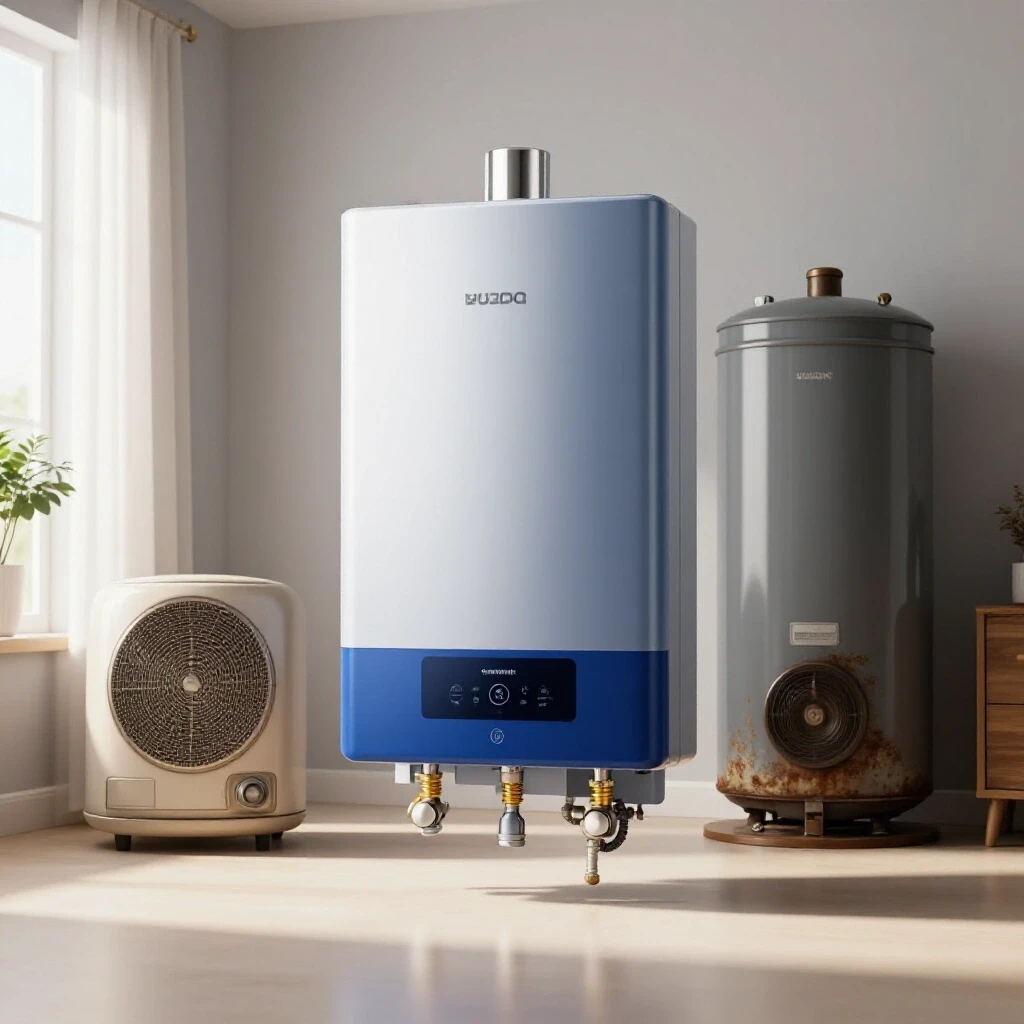
Planning for On-Demand Water Heating Systems
Understanding the shift from tank storage to instantaneous heating is vital for modernizing a home’s infrastructure. It requires a hard look at your family’s water usage habits and your home’s existing utility capacity to ensure the new system performs as expected. This planning phase is where you define the scope of work and set the stage for a dispute-free project.
In my professional coordination career, I have managed several projects where the homeowner wanted to reclaim space by removing a bulky 50-gallon tank. On paper, it looks simple. In reality, you must account for the “flow rate,” which is the amount of hot water the unit can produce at one time. If you have a family of four and everyone showers at 7:00 AM while the dishwasher is running, a small unit will fail you.
During my second personal remodel, I used a sizing calculator to determine our peak demand. We had two full bathrooms and a high-efficiency washing machine. By calculating the gallons per minute (GPM) for each fixture, I realized we needed a unit capable of at least 7 GPM to avoid the dreaded mid-shower cold snap. This type of data-driven planning prevents the “design mistakes” that lead to post-renovation regret.
Defining the Scope of Work for Utility Upgrades
A clear scope of work document acts as the blueprint for your expectations and the contractor’s responsibilities. It should detail exactly where the unit will be located, the type of venting required, and any necessary upgrades to your gas or electrical lines.
When you are gathering cost estimates, ensure every contractor is bidding on the same scope. I once saw a project where one plumber bid $2,000 and another bid $4,500. The lower bid assumed the existing gas line was sufficient, while the higher bid included the mandatory upgrade to a larger pipe. Without a detailed scope, the homeowner would have faced a massive change order later.
- Identify all hot water fixtures in the home.
- Determine the incoming water temperature (groundwater is colder in the North).
- Decide on the preferred fuel source (gas vs. electric).
- Map out the venting path to the exterior of the home.
Estimating Costs and Budgeting for High-Efficiency Upgrades
Budgeting for an on-demand unit involves more than just the appliance price; it includes venting, gas line sizing, and potential electrical panel upgrades. By using industry data, homeowners can better prepare for the total investment required for a seamless installation. This section helps you avoid the “budget-blowing” surprises common in major remodels.
According to RSMeans construction estimating resources, the national average for a standard tank replacement is significantly lower than the transition to a tankless system. However, the “Value vs. Cost” reports often show that the space savings and energy efficiency add long-term value to the property. In my experience, the labor for these installations is often 2 to 3 times higher than a standard tank because of the specialized venting and gas work.
RSMeans-Derived Cost Estimations vs. Real-World Bids
The following table provides a breakdown of what you might expect to see in a professional bid compared to standard industry averages. These figures are based on a mid-sized suburban home.
| Component | RSMeans National Average | Real-World Renovation Bid | Notes |
|---|---|---|---|
| High-Efficiency Unit | $1,200 – $1,800 | $1,500 – $2,200 | Prices vary by GPM capacity |
| Gas Line Modification | $400 – $700 | $800 – $1,500 | Often requires 3/4-inch piping |
| Concentric Venting | $200 – $400 | $500 – $900 | Material and exterior penetration |
| Labor (Plumbing/Electrical) | $800 – $1,200 | $1,500 – $2,500 | Includes permits and testing |
| Total Estimated Cost | $2,600 – $4,100 | $4,300 – $7,100 | Real-world includes “hidden” local factors |
As a project coordinator, I always advise clients to add a 20% contingency to these numbers. In one of my own projects, we discovered that the existing chimney, which we planned to use for venting, was structurally unsound. We had to pivot to a power-vent system that exited through a side wall, adding $600 to the bill instantly.
Sequencing Construction and Rough-In Requirements
Integrating on-demand heating into a larger remodel requires careful scheduling during the rough-in phase of plumbing and electrical work. Coordinating these steps prevents costly delays and ensures that the infrastructure is ready before walls are closed. Proper construction sequencing is the secret to a low-stress renovation.
The “rough-in” phase is when the pipes and wires are installed behind the walls. This is the most critical time for your new water system. If the plumber finishes their work and the drywall goes up before the gas line is sized correctly, you will pay double to fix it later. I recommend a “pre-drywall walkthrough” with your project manager to verify all connections.
The Critical Path for Water System Installation
In project management, the “critical path” is the sequence of stages that determines the project duration. If one of these steps is delayed, the whole project stalls. For a water heater upgrade, the sequence usually looks like this:
- Site Assessment: Verify gas pressure and electrical capacity.
- Permit Acquisition: Local municipalities often require a specific plumbing permit.
- Utility Rough-In: Install the larger gas line and the dedicated electrical circuit.
- Venting Installation: Create the path for exhaust and fresh air intake.
- Unit Mounting: Secure the unit to the wall (usually in a utility room or garage).
- Final Connections: Hook up water, gas, and power.
- System Commissioning: Test for leaks and set the output temperature.
By following this order, you ensure that the plumber isn’t waiting on the electrician, and the drywaller isn’t waiting on everyone. In my professional experience, the biggest delays happen when a homeowner forgets to order the specific venting kit, which can have a two-week lead time.
Vetting Contractors for Specialized Plumbing Installations
Choosing the right professional for high-efficiency plumbing requires checking specific references and verifying experience with modern venting and gas systems. A qualified contractor will understand the nuances of sizing and placement that a generalist might overlook. This step is your best defense against being “ripped off.”
Don’t just hire a “handyman” for this task. I have seen countless DIY or cut-rate installations where the unit fails within a year because it wasn’t descaled or vented properly. When interviewing contractors, ask them specifically about their experience with “condensing” versus “non-condensing” units. If they can’t explain the difference, they aren’t the right fit for your home remodeling tips checklist.
Contractor Management Guide: The Interview Checklist
Use these questions to separate the experts from the amateurs during your kitchen remodel budget or whole-house planning phase:
- How many of these specific units have you installed in the last 12 months?
- Will you be pulling the required plumbing and gas permits?
- Do you perform a combustion analysis after installation to ensure safety?
- How do you handle the condensate drainage (is a pump needed)?
- Can you provide a line-item estimate rather than a “lump sum” price?
I once worked with a homeowner who hired a contractor based on a verbal “handshake” deal. When the unit started throwing error codes three days after the project ended, the contractor was nowhere to be found. Always insist on a written contract that includes a one-year warranty on labor.
Managing Structural and Utility Surprises
During a renovation, opening walls often reveals outdated wiring or undersized gas lines that can impact the installation of new heating technology. Managing these structural discoveries with a solid contingency plan keeps the project moving without breaking the bank. This is where many residential renovation planning efforts succeed or fail.
In an 1890s Victorian I renovated, we found that the existing water lines were galvanized steel, which were almost entirely closed off by mineral buildup. We couldn’t just swap the heater; we had to repipe the entire house. This is why a “structural inspection checklist” is vital. You need to know what you are connecting your new, expensive equipment to.
Contingency Buffer Allocations by Property Age
The older your home, the more likely you are to find a “budget-blower” behind the drywall. Use this table to adjust your financial safety net.
| Property Age | Recommended Contingency | Common “Surprises” |
|---|---|---|
| New Construction (<10 years) | 5% – 10% | Minor code updates, venting path shifts |
| Mid-Age (10 – 30 years) | 10% – 15% | Undersized gas lines, electrical panel space |
| Older Homes (30 – 60 years) | 15% – 25% | Galvanized pipes, outdated venting, mold |
| Historic (60+ years) | 25% + | Lead pipes, structural rot, non-standard sizing |
In my 18 years of oversight, I have never seen a renovation on a 50-year-old home that didn’t require at least some contingency spending. For an on-demand water system, the most common surprise is the gas meter. Sometimes, the local utility company must upgrade your meter to handle the high BTU (British Thermal Unit) demand of the new heater.
Site Coordination and Quality Control Benchmarks
Effective site management involves setting clear expectations for cleanliness, work hours, and quality benchmarks. For water heating projects, quality control focuses on leak prevention, proper venting, and ensuring the unit is easily accessible for future maintenance. This minimizes friction between you and your crew.
During the execution phase, I recommend using a simple project management tool or even a shared digital calendar to track milestones. If the plumber is scheduled for Monday, the inspector should be penciled in for Tuesday or Wednesday. This “float time” in the schedule prevents a single delay from cascading through your entire kitchen or bathroom remodel.
Structural Verification Checklist for Water Systems
Before the contractor leaves the site and you make the final payment, verify these items:
- Mounting: Is the unit level and securely fastened to studs or a backing board?
- Clearances: Does the unit have the required 12-24 inches of clearance for servicing?
- Venting: Are the intake and exhaust pipes sloped correctly to prevent moisture buildup?
- Gas Shut-off: Is there a dedicated, easy-to-reach gas shut-off valve?
- Water Quality: Did the contractor install a scale-inhibitor or water softener if you have hard water?
- Instruction: Did the contractor show you how to adjust the temperature and reset the unit?
In my own home, I insisted on a “service valve kit.” These are extra valves that allow you to flush the system with vinegar once a year without disconnecting the plumbing. It’s a small detail that saves hundreds of dollars in future maintenance calls.
Resolving Punch-List Disputes and Final Payments
The “punch-list” is a document created at the end of a project that lists all the small tasks that still need to be finished. In the context of a water heater installation, this might include sealing a hole in the exterior wall or labeling the circuit breaker. Resolving these items before the final check is cut is your strongest leverage.
I always recommend a milestone payment schedule. For a $5,000 installation, you might pay 30% upfront for materials, 40% after the rough-in is approved by the city, and the final 30% only after the punch-list is clear and you have hot water at every tap. This keeps the contractor motivated to finish the “boring” final details.
- Milestone 1: Deposit (Materials & Permitting)
- Milestone 2: Rough-in completion (Verified by inspection)
- Milestone 3: Final sign-off (After 48 hours of successful operation)
If a dispute arises, refer back to your original scope of work. If you documented that a specific brand of venting was required and they used a cheaper alternative, you have the paper trail to demand a correction.
Post-Occupancy Evaluations and Long-Term Performance
A post-occupancy evaluation is a simple review of how the new system performs in your daily life after the contractors are gone. This is where you see if your planning paid off. Are you getting “endless” hot water, or are you experiencing the “cold water sandwich” (a brief burst of cold water between two hot cycles)?
In my experience, most “cold water sandwich” issues are solved by adding a small, half-gallon buffer tank or adjusting the system’s internal bypass settings. If you notice this issue, call the contractor back immediately while you are still within the labor warranty period. Also, keep a log of your energy bills for the first six months. Most homeowners see a 15-25% reduction in the water-heating portion of their utility bill, which helps recoup the higher upfront cost.
Actionable Next Steps for Homeowners
- Audit your usage: Count your showers, faucets, and appliances.
- Check your utilities: Look at your gas meter and electrical panel.
- Interview three plumbers: Use the checklist provided above.
- Draft a scope of work: Be specific about the location and venting.
- Secure your contingency: Ensure you have at least 15% extra funds ready.
FAQ
How do I know if my gas line is big enough for an on-demand system?
Most traditional tank heaters use a 1/2-inch gas line. However, high-output on-demand units typically require a 3/4-inch line to provide enough fuel for the high-intensity burners. A qualified plumber will perform a “BTU load calculation” for your entire house to determine if the existing pipe can handle the new demand without starving your furnace or stove.
Can I install an on-demand water heater in a closet?
Yes, but it must be a “direct vent” unit. This means it pulls fresh air from outside and exhausts it back outside through a sealed pipe. You must also ensure there is enough clearance for a technician to reach the internal components for annual maintenance. Always check local building codes, as some areas have strict rules about installing gas appliances in bedrooms or bathrooms.
What is the “cold water sandwich” and can it be fixed?
This happens when you turn the water off and then right back on. A small pocket of unheated water stays in the pipes. Most modern, high-end units have a “recirculation pump” or a small internal buffer tank specifically designed to eliminate this phenomenon. If this is a concern, ensure you specify a model with these features during the design phase.
How often does an on-demand system need maintenance?
In areas with hard water, mineral scale can build up on the heating elements. I recommend flushing the unit with food-grade white vinegar once every 12 to 24 months. If you have a water softener, you may be able to go longer. Neglecting this maintenance can void your warranty and significantly reduce the unit’s efficiency.
Is an electric on-demand heater better than a gas one?
Electric units are often cheaper to buy but require a massive amount of electricity. You will likely need to upgrade your electrical panel to 200 or 300 amps and run two or three dedicated 40-amp breakers just for the heater. For most whole-house remodels, gas units are more practical and cost-effective to operate.
Will I really save money on my monthly bills?
Yes, because you aren’t keeping 50 gallons of water hot 24 hours a day. However, because the hot water never runs out, some families tend to take longer showers, which can offset the energy savings. On average, you can expect to save about $100 to $150 per year on energy costs compared to a standard gas tank.
What happens during a power outage?
Unlike a traditional tank that holds hot water even without power, an on-demand system requires electricity to operate the sensors and the ignition. If you live in an area with frequent outages, you should consider a small battery backup (UPS) specifically for the water heater so you can still have hot water when the lights go out.
Can I vent the unit through my existing chimney?
Generally, no. Modern high-efficiency units produce “cool” exhaust that is acidic. This moisture will eat away at the mortar in a traditional brick chimney. Most units require specialized PVC or stainless steel venting that exits through a side wall or a dedicated roof penetration.
Do these units work in very cold climates?
Yes, but the “temperature rise” matters. If your groundwater is 40 degrees and you want 120-degree showers, the unit has to work much harder. In cold climates, you must buy a unit with a higher BTU rating to ensure it can maintain the flow rate during the winter months.
How long do these systems typically last?
A well-maintained on-demand system can last 20 years or more, which is nearly double the lifespan of a traditional tank. This longevity is a key factor in the “Cost vs. Value” calculation for long-term homeowners.
Does it take longer for hot water to reach the faucet?
The “wait time” is determined by the distance between the heater and the faucet, not the type of heater. If your heater is in the basement and your shower is on the third floor, it will take time for the water to travel through the pipes. To solve this, you can install a “recirculation loop” that keeps hot water moving through the pipes constantly.
(This article was written by one of our staff writers, David Langford. Visit our Meet the Team page to learn more about the author and their expertise.)