How to Review a Renovation Contract Before Signing (Expert Guide)

Slapping a fresh coat of paint on a dated vanity feels like a quick fix, but it rarely solves the underlying issues of a failing bathroom. In my 18 years as a construction project coordinator, I have seen many homeowners try to shortcut the planning process, only to find that a “simple” update reveals cracked floor joists or corroded galvanized pipes. Real success in residential renovation planning requires moving past surface-level aesthetics and digging into the hard data of technical documents and structural realities.
Defining the Scope of Work and Technical Specifications
A scope of work is a detailed document that describes every task, material, and expectation for a construction project. It acts as the primary map for your remodel, ensuring that both you and your builder understand exactly what is being installed, where it goes, and who is responsible for providing it.

When I managed my first full-home renovation, I learned that “installing a kitchen” is not a scope of work. A real scope lists the number of recessed lights, the specific brand of quartz for the counters, and whether the contractor or the homeowner is responsible for hauling away the old cabinets. Without this level of detail, you leave the door open for “assumed” costs that can quickly derail a kitchen remodel budget. I recommend using a spreadsheet to list every room and every surface, from the subfloor to the crown molding.
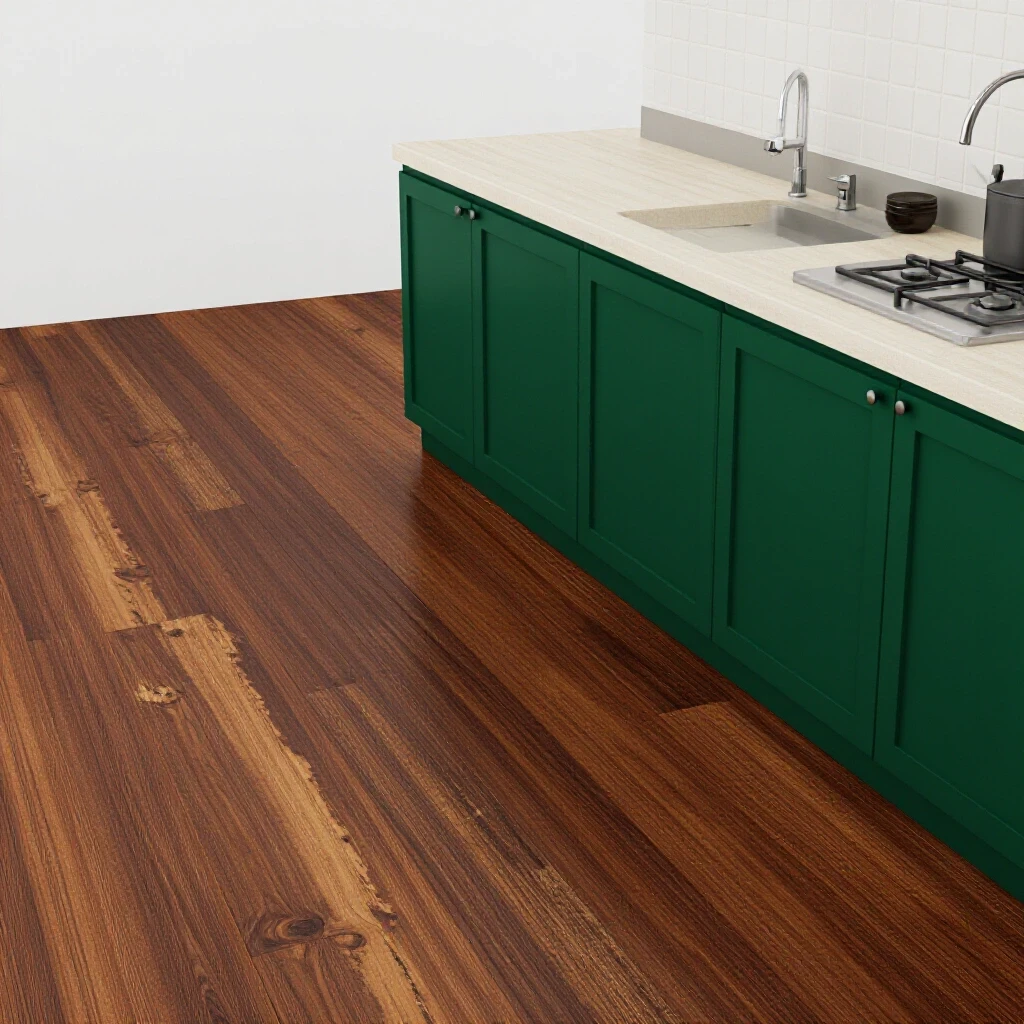
Building on this, you must specify the quality of materials. In the industry, we call this “specifying.” For example, do not just write “hardwood floors.” Write “5-inch wide character grade white oak with a matte polyurethane finish.” This prevents a contractor from bidding on the cheapest material possible to win the job, only to charge you more later when you pick the high-end option you actually wanted.
Budget Forecasting and the Reality of Construction Costs
Budget forecasting is the process of estimating the total cost of a project before any hammers swing. It involves using historical data, such as RSMeans construction estimating resources, to predict labor and material prices while accounting for local market fluctuations and the age of the property.
I often see homeowners rely on “national averages” found online, which can be dangerously inaccurate. According to RSMeans data, a mid-range kitchen remodel can vary by 30% depending on your zip code and the structural state of your home. During my second personal renovation, I used a 20% contingency fund, and I needed every penny of it when we found outdated knob-and-tube wiring hidden behind the kitchen plaster.
To stay on track, I suggest breaking your budget into hard costs (materials and labor) and soft costs (permits, design fees, and inspections). A common mistake is forgetting the cost of living elsewhere or eating out during a kitchen gut. Always set aside a “hidden surprise” fund based on the age of your home to handle the inevitable issues like mold or rot.
Contingency Buffer Allocations by Property Age
| Property Age | Recommended Contingency | Common Hidden Issues |
|---|---|---|
| 0–10 Years | 5–10% | Minor settling, cosmetic flaws |
| 11–30 Years | 10–15% | Roof wear, HVAC aging, dated plumbing |
| 31–50 Years | 15–20% | Outdated wiring, lead paint, insulation gaps |
| 50+ Years | 20–25%+ | Structural rot, foundation cracks, asbestos |
Contractor Vetting and Verification Strategies
Contractor vetting is the systematic process of checking a builder’s professional history, licenses, insurance, and past performance. This step ensures you are hiring a legitimate professional who follows National Association of the Remodeling Industry (NARI) standards and local building codes.
In my professional career, I have seen how a “great deal” from an unvetted contractor can turn into a legal nightmare. Interestingly, the best contractors are rarely the cheapest. They have overhead costs because they carry proper workers’ compensation and general liability insurance. I always ask for a certificate of insurance (COI) sent directly from their agent to my email. This prevents anyone from showing me an expired or forged document.
When interviewing, I look for “red flags” like a contractor who only wants to work for cash or refuses to pull permits. Pulling a permit is your primary protection; it ensures a city inspector checks the work for safety. If a contractor asks you to pull the permit as the “owner-builder,” they are often trying to avoid responsibility for their work or they may not be licensed in your jurisdiction.
Structuring Payment Milestones and Financial Protection
A payment milestone is a specific point in the project where a portion of the total cost is paid to the contractor. These are tied to completed work rather than calendar dates, ensuring that money only changes hands after tangible progress is verified on-site.
I recommend a “schedule of values” approach. Instead of paying 50% upfront, which is a massive risk, I structure payments around major phases. For example, a 10% deposit is standard to get on the schedule. After that, payments should follow the completion of the “rough-in” phase (when plumbing and wiring are inside the walls) and the “finish” phase (when cabinets and trim are installed).
- Deposit: 10% (Secures the start date).
- Demolition/Structural: 15% (After the site is cleared and framing is done).
- Rough-ins: 25% (After electrical and plumbing pass inspection).
- Drywall and Paint: 20% (Once walls are closed and primed).
- Finishes: 20% (After cabinets, floors, and counters are in).
- Final Completion: 10% (After the punch list is finished).
Always request lien waivers with every payment. A lien waiver is a legal document from a subcontractor or supplier stating they have been paid by the general contractor. This protects you from a situation where you pay your contractor, but they fail to pay the lumber yard, leaving you responsible for the debt.
Managing the Construction Sequence and Critical Path
Construction sequencing is the logical order in which tasks must be performed to avoid rework and delays. The “critical path” is the sequence of stages that determines the minimum time needed to complete the project; if one item on this path is delayed, the whole project stalls.
For a bathroom remodel, the sequence is vital. You cannot install the tile before the “rough-in” plumbing is inspected. I once oversaw a project where the homeowner ordered custom tile from overseas that took 12 weeks to arrive. Because the tile was on the critical path, the entire project sat idle for two months. Now, I advise clients to verify that all “long-lead” items—like cabinets and specialized fixtures—are in the warehouse before demolition begins.
- Phase 1: Planning and Permitting (2–8 weeks).
- Phase 2: Demolition and Debris Removal (3–5 days).
- Phase 3: Structural Framing and Subfloors (1 week).
- Phase 4: Rough-in Plumbing, HVAC, and Electrical (1–2 weeks).
- Phase 5: Inspections and Insulation (3 days).
- Phase 6: Drywall, Mudding, and Sanding (1 week).
- Phase 7: Painting and Trim (1 week).
- Phase 8: Cabinetry and Flooring (1–2 weeks).
Navigating Change Orders and Unforeseen Site Conditions
A change order is a written amendment to the original project agreement that outlines a change in work, price, or schedule. Unforeseen site conditions are physical issues discovered during construction that were not visible during the initial inspection, such as mold behind a shower wall.
During a whole-house remodel I coordinated, we opened a wall and found that a previous owner had cut through a load-bearing stud to install a vent. This was an unforeseen condition that required a change order. To manage this without stress, I use a “change order threshold.” This means any change over a certain dollar amount must be signed by both parties before the work starts.
Never allow “verbal” changes. If the contractor says, “It will cost an extra $500 to move that outlet,” get it in a quick email or a formal document. This prevents “sticker shock” at the end of the project when you receive a final bill that is thousands of dollars higher than expected. Clear documentation keeps the relationship professional and the budget predictable.
Quality Control, Punch Lists, and Project Closeout
The punch list is a final checklist of small tasks, repairs, and finishing touches that must be completed before the project is officially finished. Quality control is the ongoing process of checking that work meets the standards defined in your initial specifications.
As the project nears the end, it is tempting to just want the workers out of your house. However, the final 10% of the payment is your only leverage to ensure the “small stuff” gets done. I walk through the site with a roll of blue painter’s tape and mark every paint drip, crooked switch plate, or scratched cabinet door. This becomes the official punch list.
Once the list is complete, conduct a final walkthrough to verify the “thermal envelope”—ensuring windows are sealed and insulation is intact—and check all mechanical systems. Only after every item is checked off and the final building inspection is passed should you release the final payment. This disciplined approach ensures the high-quality outcome you planned for from the beginning.
Essential Project Management Tools for Homeowners
- Gantt Chart Apps: Tools like TeamGantt or even a simple Excel sheet help track the construction sequence and identify lead times.
- Estimation Calculators: Use RSMeans-based online calculators to cross-reference your contractor’s bid with local market rates.
- Digital Blueprints: Apps like Magicplan allow you to create floor plans on your phone to verify square footage for material orders.
- Cloud Storage: Keep a shared folder (Google Drive or Dropbox) for all permits, signed documents, and photos of “behind the wall” plumbing and wiring.
- Daily Log: A simple notebook to record who was on-site, what work was done, and any weather delays.
Frequently Asked Questions
What is the most common reason for budget overruns in a remodel? The most common reason is “scope creep,” where homeowners add small tasks throughout the project that add up to large costs. Another major factor is finding hidden structural issues, like rot or outdated wiring, once walls are opened. This is why a 15–20% contingency fund is essential for any project involving older homes.
How do I know if a contractor’s estimate is fair? Compare the bid against RSMeans data for your specific region and get at least three detailed estimates. If one bid is significantly lower than the others, it often means the contractor missed something in the scope of work or is not carrying proper insurance. A fair bid should clearly break down labor, materials, and overhead.
What should I do if my project is falling behind schedule? First, check the “critical path” in your schedule to see if the delay affects the final completion date. Communicate with your contractor in writing to ask for an updated timeline. If delays are caused by material shortages, ask if there are alternative materials available that can keep the project moving.
When should I pay the final installment to my contractor? Only release the final payment (usually the last 10%) once the punch list is 100% complete, all final building inspections have passed, and you have received final lien waivers from all subcontractors and suppliers. This ensures you have leverage to get the project finished to your satisfaction.
Do I really need a permit for a bathroom or kitchen remodel? Yes. Permits ensure that a third-party inspector verifies the safety of the electrical, plumbing, and structural work. Skipping permits can lead to fines, issues when you try to sell your home, and potential insurance claim denials if a fire or leak occurs due to uninspected work.
What is a lien waiver and why is it important? A lien waiver is a document signed by a subcontractor or supplier stating they have received payment for their work or materials. It prevents them from placing a “mechanic’s lien” on your property if the general contractor fails to pay them. You should collect these with every progress payment you make.
How can I prepare for “unforeseen conditions” in an old house? Before starting, have a professional conduct a “pre-construction” inspection, including a sewer scope and an electrical panel check. Budget a higher contingency (20–25%) for homes over 50 years old and be mentally prepared for the fact that opening walls in an old house almost always reveals a surprise.
What is the difference between “rough-in” and “finish” phases? The “rough-in” phase happens when the skeleton of the project is visible—studs, pipes, and wires are installed but not covered. The “finish” phase is the final layer, including drywall, paint, flooring, cabinets, and light fixtures. Inspections must always happen at the end of the rough-in phase before walls are closed.
How do I handle a dispute with my contractor? Keep all communication in writing and refer back to your original scope of work and signed agreement. Most disputes can be settled by pointing to the agreed-upon specifications. If a resolution cannot be reached, you may need to look into mediation or check your local consumer protection laws.
How much should I expect to pay per square foot for a remodel? According to RSMeans, mid-range kitchen remodels often cost between $150 and $250 per square foot, while bathrooms can range from $200 to $400 per square foot due to the density of plumbing and tile work. These costs fluctuate based on the quality of finishes and local labor rates.
What are “long-lead” items and why do they matter? Long-lead items are materials that take a long time to arrive after being ordered, such as custom cabinetry (12–16 weeks) or specialty windows. These must be ordered early in the planning phase to ensure they are on-site when the construction sequence requires them, preventing expensive delays.
How do I manage the mess and dust during construction? Ensure your agreement includes a “site protection” clause. This should require the contractor to use plastic barriers (like ZipWalls), floor protection (like Ram Board), and HEPA air scrubbers. Daily site cleanup should also be a requirement in your detailed scope of work.
(This article was written by one of our staff writers, David Langford. Visit our Meet the Team page to learn more about the author and their expertise.)