How to Repair a Cracked Sink Basin (Step-by-Step Temporary Fix)

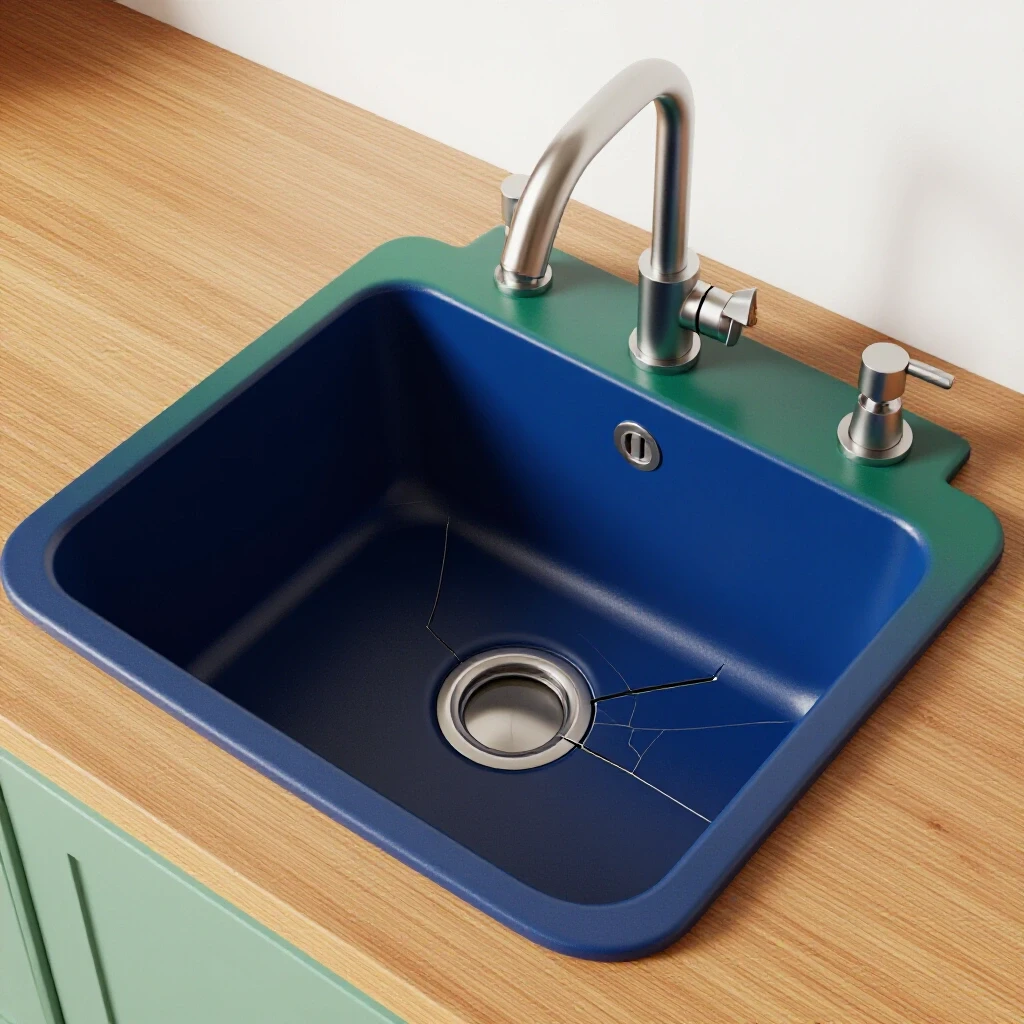
Finding a thin, jagged line running across your bathroom sink is a sinking feeling every homeowner knows. You are brushing your teeth or washing your hands when you notice a hairline fracture that wasn’t there last week. It is frustrating because a sink is a focal point of the room, and even a small crack can make the whole space feel neglected. As a facilities manager, I have seen how these small issues can lead to bigger headaches, like water seeping into the vanity cabinet below. You want to fix it right away, but you also have a full schedule and cannot commit to a full plumbing replacement this weekend.
In my twelve years of managing building maintenance and working on my own two homes, I have learned that not every problem requires an immediate, expensive overhaul. Sometimes, you need a reliable way to stabilize the situation until you can afford a permanent replacement. I once ignored a small crack in a guest bath pedestal sink, thinking it was just cosmetic. Three months later, a slow drip had ruined the hardwood flooring underneath. That mistake taught me the importance of early intervention. This guide focuses on how to safely manage a fractured ceramic surface using professional-grade sealants and adhesives to keep your home functional and dry.
Assessing the Severity of Basin Fractures
Determining the depth and nature of a crack is the first step in deciding if a short-term fix is safe or if the fixture is a total loss. This process involves checking for structural integrity, moisture migration, and the risk of sharp edges that could cause injury during daily use.
Before you reach for any tools, you must know what you are dealing with. A “crazing” crack is a series of tiny lines in the glaze that do not leak; these are usually cosmetic. A “structural” crack, however, goes all the way through the porcelain. To test this, dry the sink completely and then run a small amount of water over the crack. Use a flashlight to check the underside of the basin. If you see even a single drop of moisture, the crack is structural.
In the facilities world, we use a “fingernail test.” If your nail catches on the crack, it is wide enough to harbor bacteria and needs to be sealed. If the crack is so wide that you can see through it, or if the sink feels unstable when you lean on it, do not attempt a patch. At that point, the porcelain has lost its load-bearing capacity, and the risk of the basin shattering is too high.
| Feature | Cosmetic Crazing | Structural Crack | Severe Failure |
|---|---|---|---|
| Leakage | None | Slow seepage | Active dripping |
| Tactile Feel | Smooth or faint catch | Sharp or deep ridge | Moving pieces |
| Action Needed | Optional sealing | Immediate stabilization | Full replacement |
| Time Estimate | 30 minutes | 2 hours | 4+ hours (Replace) |
Essential Supplies for Stabilizing Porcelain
Gathering the right materials ensures that your patch bonds correctly to the non-porous surface of a ceramic or porcelain fixture. Using the wrong adhesive, like standard wood glue or low-grade silicone, will result in a failed bond that peels away within days of exposure to water.
For a successful intervention, you need a two-part waterproof epoxy. This material consists of a resin and a hardener that, when mixed, create a chemical bond far stronger than standard glue. I prefer marine-grade epoxies because they are designed for constant water immersion. You will also need a high-quality porcelain touch-up kit to match the color of your fixture.
- Two-part waterproof epoxy (marine grade is best)
- Isopropyl alcohol (90% or higher) for degreasing
- Fine-grit sandpaper (400 and 600 grit)
- Plastic putty knife or wooden stir sticks
- Microfiber cloths
- Painter’s tape (to protect surrounding areas)
- Nitrile gloves (epoxy is difficult to remove from skin)
- Respirator mask (if sanding or using high-VOC solvents)
Preparation and Safety Protocols
Proper site preparation is the difference between a patch that lasts six months and one that fails in six hours. This stage involves cleaning the substrate to remove soap scum, oils, and mineral deposits that prevent adhesives from sticking to the smooth porcelain surface.
Safety is often overlooked in quick home projects. When you sand porcelain or dried epoxy, you create fine dust that can irritate your lungs. Always wear a mask. Furthermore, ensure the room is well-ventilated. Many high-strength epoxies release fumes that can be overwhelming in a small, enclosed bathroom. I always set up a small box fan in the doorway to pull air out of the room while I work.
Start by scrubbing the crack with a stiff brush and a phosphoric acid-based cleaner to remove lime scale. Once the area is clean, wipe it down three times with isopropyl alcohol. This step is critical. Even the natural oils from your fingertips can ruin the bond. Use painter’s tape to frame the crack, leaving only about an eighth of an inch of porcelain visible on either side. This keeps the excess epoxy from spreading and making a mess on the healthy parts of the basin.
The Step-by-Step Restoration Workflow
Executing the repair requires a steady hand and patience to allow the chemical bonding process to complete without interruption. This workflow moves from initial surface etching to the final application of a protective sealant, ensuring the crack is filled and stabilized against further expansion.
Phase 1: Etching the Surface
Porcelain is extremely smooth, which makes it hard for glue to “bite.” Use your 400-grit sandpaper to lightly scuff the area inside your taped-off zone. You are not trying to grind down the sink; you just want to remove the shine. This creates a mechanical bond. After sanding, wipe the area again with alcohol to remove the dust.
Phase 2: Mixing and Applying Epoxy
Follow the manufacturer’s instructions for mixing your two-part epoxy. Most require a 1:1 ratio. Mix it thoroughly for at least sixty seconds until the color is uniform. Use a wooden stick to press the epoxy into the crack. Do not just lay it on top. You want to force the material into the void. Overfill the crack slightly, as some epoxies shrink as they cure.
Phase 3: Leveling and Curing
Wait for the epoxy to reach a “tacky” state, which usually takes 20 to 30 minutes depending on the room temperature. Use a clean plastic putty knife to scrape away the excess, leveling it with the surrounding porcelain. Remove the painter’s tape while the epoxy is still soft. Now, the hardest part: you must let it cure. Most marine epoxies require 24 hours before they can be exposed to water.
| Step | Active Time | Wait Time | Goal |
|---|---|---|---|
| Cleaning/Etching | 20 mins | 10 mins (dry) | Remove oils/debris |
| Epoxy Application | 15 mins | 30 mins | Fill the void |
| Leveling | 10 mins | 24 hours | Create a flush surface |
| Finishing | 15 mins | 2 hours | Match color/shine |
Troubleshooting Common Application Errors
Even experienced DIYers encounter issues like epoxy that won’t harden or patches that look yellow against a white sink. Understanding why these failures happen allows you to adjust your technique in real-time or prevent the mistake before it occurs on your primary fixture.
One common issue is “blushing,” where the epoxy looks cloudy. This usually happens if the humidity in the bathroom is too high. If your epoxy remains sticky after 24 hours, the ratio of resin to hardener was likely incorrect, or the temperature was below 60 degrees Fahrenheit. In this case, you must scrape it off, clean the area with acetone, and start over.
Another frequent problem is the “visible line.” Even a clear epoxy will reflect light differently than porcelain. This is why a touch-up glaze is important. Once the epoxy is fully cured and sanded smooth with 600-grit paper, apply a thin layer of porcelain touch-up paint. Apply it in several very thin coats rather than one thick one to avoid drips.
Code Considerations and Structural Limits
While a cosmetic patch is not strictly regulated by residential building codes, the underlying integrity of the plumbing system must meet local safety standards. Understanding the limits of a temporary fix helps you stay compliant with safety expectations and prevents accidental violations of sanitary requirements.
The Uniform Plumbing Code (UPC) and the International Plumbing Code (IPC) specify that fixtures must be “smooth and non-absorbent.” A cracked sink that is roughly patched may technically violate these standards because the crack can harbor Legionella or other bacteria. This is why I emphasize that these steps are for a temporary fix.
If you are a renter, check your lease before attempting this. In many cases, a DIY repair on a cracked fixture can be seen as a violation of the “maintenance” clause, and you might be held liable for a full replacement later. From a facilities management standpoint, we always document these repairs with a date. If the crack begins to grow past the boundaries of your patch, it is a sign of “stress loading,” and the sink must be replaced immediately to prevent a catastrophic break.
Project Planning and Material Calculations
Estimating the time and cost for this project helps busy professionals fit the repair into a weekend schedule without overextending their resources. A well-planned project reduces the stress of having a non-functional bathroom and ensures you have all necessary components on hand.
For a standard bathroom sink crack of about four inches, you will use very little material. One standard 25ml syringe of epoxy is enough to fix five or six such cracks. The real cost is in the preparation materials.
- Total Material Cost: $35 – $50
- Total Active Labor: 1.5 – 2 hours
- Total Project Duration: 26 hours (including cure time)
- Tool ROI: The sandpaper, alcohol, and tape can be used for dozens of other home projects.
If you were to call a professional plumber, they would likely refuse to patch the sink and instead quote you for a full replacement. This could cost anywhere from $300 to $800 including the new fixture and labor. By spending $40 on supplies and a few hours of your time, you save hundreds of dollars while you plan for a future renovation.
Final Testing and Maintenance
After the curing period is over, a series of controlled tests will confirm that the seal is watertight and ready for normal household use. Maintaining the patch involves changing your cleaning habits to avoid abrasive chemicals that could degrade the adhesive bond over time.
To test your work, plug the sink and fill it to the brim. Let the water sit for thirty minutes. Use a dry paper towel to wipe the underside of the basin. If the towel remains bone-dry, your seal is successful.
Moving forward, avoid using bleach or abrasive “scouring” powders on the patched area. These can eat away at the epoxy and the touch-up glaze. Use a mild dish soap and a soft sponge instead. If you notice the edges of the patch starting to lift, it is time to stop patching and start shopping for a new sink. I always tell my team: a patch is a bridge to a solution, not the solution itself.
FAQ
Can I use super glue for a quick fix on a porcelain sink? No, super glue (cyanoacrylate) is not suitable for this task. It is too brittle and does not handle the thermal expansion of a sink well. When you run hot water, the porcelain expands slightly. Super glue will crack and peel away almost immediately. A two-part epoxy is flexible enough to handle these temperature changes.
Is it safe to use a sink with a structural crack? It is only safe if the crack is stabilized and not leaking. If the crack is large enough that the sink flexes when you put weight on it, it is a safety hazard. Porcelain is like glass; when it fails, it creates incredibly sharp shards that can cause serious injury. If the sink feels “spongy” or moves, replace it.
How do I match the color of my white sink? Most “white” sinks are actually slightly different shades. I recommend buying a porcelain touch-up kit that comes with a small bottle of tint. You can add a tiny drop of almond or grey to the white base to get a closer match. Always test the color on a piece of white cardboard and let it dry before applying it to the sink.
Will the epoxy smell up my whole house? Epoxy has a distinct chemical odor during the mixing and curing phase. In a small bathroom, this can be quite strong. Use a fan to circulate air and keep the bathroom door closed with the window open if possible. The smell usually dissipates completely once the material is fully cured (about 24 hours).
How long will this temporary fix actually last? If the surface was prepped correctly and the crack is not under extreme physical stress, a high-quality epoxy patch can last six months to a year. However, it should be treated as a way to buy time. Changes in building temperature or heavy use will eventually cause the bond to weaken.
Can I use a hair dryer to make the epoxy cure faster? I do not recommend this. While heat can speed up the chemical reaction, it can also cause the epoxy to become too thin and run out of the crack before it sets. It can also introduce bubbles into the finish. It is best to let it cure naturally at room temperature for the full duration recommended by the manufacturer.
What if the crack is near the drain? Cracks near the drain are more difficult because they are subject to constant water pressure and vibration from the plumbing. If the crack extends under the drain flange, you may need to loosen the drain assembly to get the epoxy deep enough into the crack. This adds complexity and may require a new plumber’s putty seal for the drain itself.
Is this repair code-compliant for a kitchen sink? Kitchen sinks are held to higher sanitary standards because of food preparation. While a temporary patch can stop a leak, the crack can still trap food particles and bacteria. For a kitchen sink, I would recommend a replacement much sooner than I would for a bathroom sink used only for hand washing.
Can I sand the epoxy after it is dry? Yes, you should sand it. Start with 400-grit to get it level with the porcelain, then move to 600-grit or even 1000-grit for a smooth finish. If you want to restore the shine, you can use a fine automotive polishing compound after sanding. This will make the patch much less noticeable to the naked eye.
What should I do if the crack keeps growing? If the crack extends past your patch, it means there is a structural stress point in your vanity or the house foundation that is putting pressure on the fixture. At this point, the sink is no longer safe to use. You must replace the basin and investigate why the stress is occurring to prevent the new sink from cracking as well.
(This article was written by one of our staff writers, Robert Callahan. Visit our Meet the Team page to learn more about the author and their expertise.)