How to Fix a Loose Cabinet Kick Plate for Lasting Stability (Guide)

It was a Saturday morning, and I was finally sitting down with a cup of coffee after a long week managing 200,000 square feet of commercial office space. Just as I started to relax, my heel caught the bottom edge of the kitchen island. Instead of the solid resistance I expected, there was a hollow “clack” and the thin strip of wood at the base of the cabinet groaned and sagged inward. It was a small issue, but in my experience, small issues in a home are like loose threads on a sweater; if you don’t secure them, the whole thing starts to unravel.
A wobbly or detached base panel at the bottom of your cabinetry is a common frustration for many homeowners. Over my 12 years of maintaining facilities and upgrading my own homes, I have learned that these panels often fail because they were originally installed with nothing more than a few staples or a bead of low-grade adhesive. When you consider the daily abuse these areas take from vacuum cleaners, mops, and wandering feet, it is no surprise they eventually give way. Taking the time for a weekend DIY project to reinforce these areas not only improves the look of your kitchen but also prevents pests or moisture from getting under your expensive cabinetry.
Assessing the Structural Integrity of Your Cabinet Base
Before you reach for your toolbox, you must understand what you are looking at and why it failed in the first place. The recessed area at the bottom of a base cabinet is designed to provide “toe room” so you can stand closer to the counter, but the thin veneer strip covering it is often purely cosmetic.
A cabinet base panel, often called a toe kick, is the thin strip of wood or laminate that covers the gap between the floor and the bottom of the cabinet box. Its primary job is to hide the structural legs or “sleepers” that support the weight of the cabinets while providing a finished look.
In many mass-produced homes, these panels are held in place by 1-inch staples that barely penetrate the structural blocking behind them. Over time, the natural expansion and contraction of the wood, combined with the vibration of nearby appliances like dishwashers, causes these staples to back out. If your panel is flapping or recessed too far, it usually means the “blocking”—the solid wood pieces behind the trim—is either missing, loose, or misaligned.
Identifying the Root Cause of Instability
Before starting any safe home repairs, I always perform a “push test.” Gently press on various points of the base trim. If the entire board moves, the backing blocks have likely detached from the floor or the cabinet. If only one corner moves, the fasteners have probably failed. Interestingly, I have found that in many cases, the original installer didn’t even use blocking; they simply nailed the trim into the end-grain of the cabinet sides, which has very little holding power.
| Failure Symptom | Likely Cause | Required Action |
|---|---|---|
| Board is completely detached | Failed adhesive or staples | Full removal and re-installation with cleats |
| Board “springs” back when pushed | Improper shimming | Add shims and mechanical fasteners |
| Board is warped or swollen | Water damage from mopping/leaks | Replace the panel entirely |
| Gaps at the floor line | Uneven subfloor | Scribe and trim or use shoe molding |
Essential Tool Inventory for Securing Base Panels
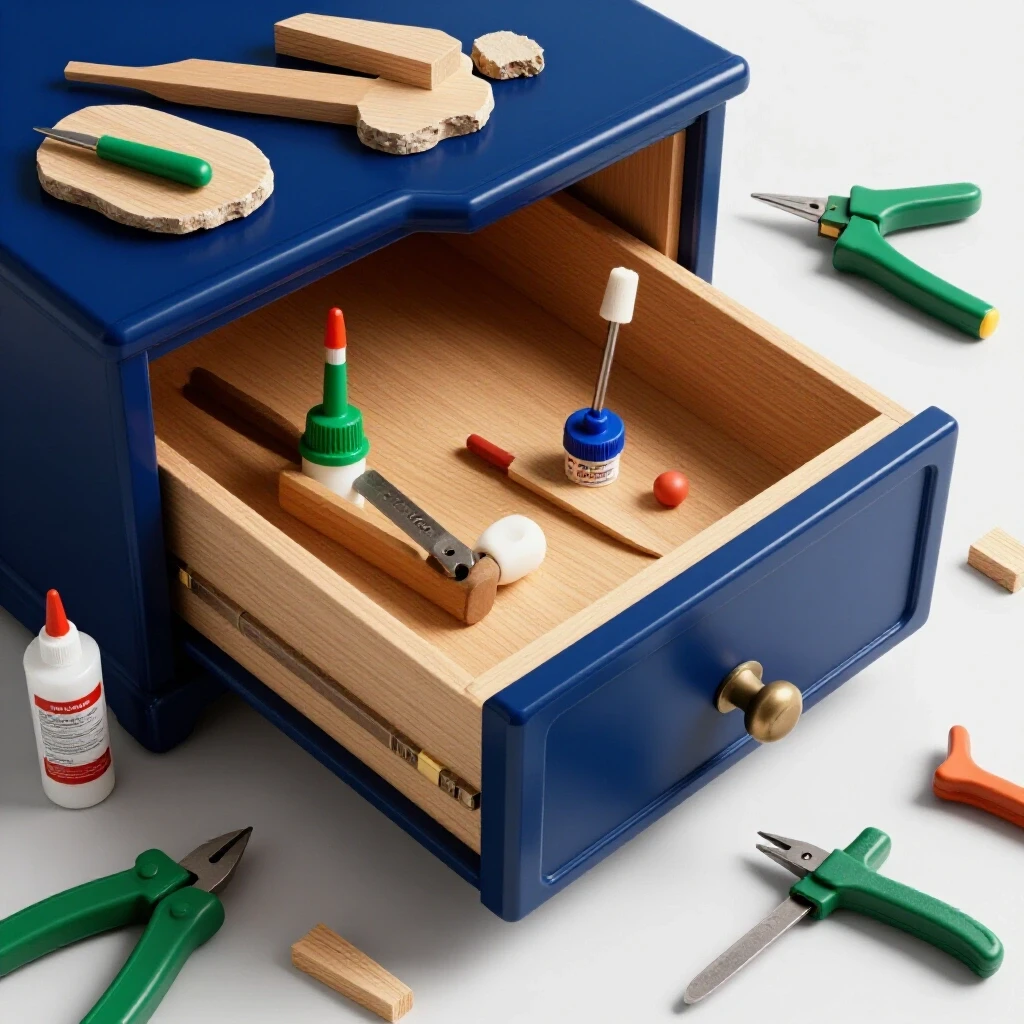
Having the right tools on hand is the difference between a thirty-minute fix and a three-hour struggle that ends in a trip to the hardware store. For this specific task, you don’t need heavy machinery, but you do need precision tools that allow you to work in tight, low-to-the-ground spaces.
A DIY tool list for this project should prioritize fasteners that provide high shear strength without splitting thin decorative wood. You also need a way to apply consistent pressure while adhesives cure, especially since you cannot easily clamp a board that is flush against the floor.
- Cordless Drill/Driver: A 12V or 18V driver is essential for pre-drilling holes to prevent splitting the trim.
- Pneumatic or Cordless Brad Nailer: I prefer an 18-gauge brad nailer. It leaves tiny holes that are easy to fill and provides enough “bite” to hold the trim while the glue sets.
- Hammer and Nail Set: If you don’t have a power nailer, a small finish hammer and a nail set (a tool used to drive nail heads below the wood surface) are necessary.
- Construction Adhesive: Look for a “low-VOC” polyurethane-based adhesive. These have a high initial “grab” which is vital for vertical surfaces.
- Wood Shims: These tapered pieces of cedar or pine help fill gaps between the trim and the structural blocking.
- Oscillating Multi-Tool: This is my “secret weapon” for cleaning out old glue or trimming blocking without removing the entire cabinet.
- Measuring Tape and Square: Essential for ensuring the new blocking is set at the correct depth (usually 3 inches back from the cabinet face).
- Safety Gear: Knee pads are not optional for this project. You will be on the floor for at least an hour. Also, wear safety glasses when using a nailer or drill.
Safety Protocols and Site Preparation
Safety in DIY home improvement is often overlooked because the tasks seem small, but working at floor level presents unique risks. You are working near electrical toe-kick heaters, plumbing lines under sinks, and potentially sharp flooring transitions.
Site preparation involves clearing the work zone and verifying that no hidden utilities are behind the panel you are about to nail into. In my years as a facilities manager, I have seen more than one “simple” repair go wrong because a nail pierced a plastic PEX water line hidden in the cabinet void.
Preparing the Workspace
First, clear everything off the countertops above the area where you will be working. The vibrations from a hammer or nail gun can cause items to vibrate off the edge. Next, thoroughly clean the floor. Any grit or sand under your knees will cause pain, and any grease on the base of the cabinet will prevent your new adhesive from bonding.
Building code compliance is also a factor here. While the International Residential Code (IRC) doesn’t strictly dictate how a decorative toe kick is attached, it does regulate the height and depth for accessibility. Most standard cabinets have a 4-inch high and 3-inch deep recess. If you are adding new blocking, ensure you aren’t protruding into that 3-inch space, as it can make standing at the counter uncomfortable and may technically violate ADA (Americans with Disabilities Act) guidelines if the home is designed for accessibility.
Checking for Utilities
Before you drive a single nail, use a flashlight to look behind the loose panel. Check for: * Electrical Wires: Often run to kitchen islands or dishwasher connections. * Plumbing: Especially near the sink or refrigerator (ice maker lines). * HVAC Vents: Some kitchens have “toe-kick heaters” or vents integrated into the base.
If you see wires or pipes, you must use shorter fasteners (typically 1-inch) and avoid using long screws that could penetrate deeply into the cabinet void.
Step-by-Step Execution: Reinforcing the Base
Now that the area is prepped, we can move into the actual repair. This process is about creating a solid “cleat” for the trim to grab onto. If your trim is just flapping against empty air, no amount of glue will keep it stable for long.
The core of this weekend DIY project is the installation of “blocking” or “cleats.” These are scrap pieces of 2×4 or 3/4-inch plywood that you securely fasten to the floor or the cabinet bottom. These blocks provide a solid surface for you to nail the decorative trim into.
Phase 1: Removal and Cleaning
Carefully pry the loose panel away from the cabinet. I recommend using a stiff putty knife or a small flat bar. To avoid damaging your flooring, place a scrap piece of cardboard or a thin piece of wood under the pry bar to distribute the pressure. Once the board is off, use pliers to pull any old staples out from the back of the board and the cabinet.
Phase 2: Installing the Cleats
If there is no wood behind the trim, you need to add it. Cut three or four blocks of wood (about 2 inches wide and 3.5 inches tall). Apply a bead of construction adhesive to the bottom and back of these blocks. Position them every 12 to 16 inches along the length of the cabinet base.
Secure these blocks to the floor using appropriate fasteners—screws for wood subfloors or specialized masonry nails for concrete. If you are hesitant to drill into your floor, a high-quality construction adhesive combined with “toenailing” (driving a nail at a 45-degree angle) the block into the cabinet sides is usually sufficient for residential use.
Phase 3: Dry-Fitting and Shimming
“Dry-fitting” is the process of testing the fit of your components before applying any permanent adhesive. This is a critical step that many tutorials skip, leading to gaps and frustration.
Place the trim panel back into position against your new cleats. Check for gaps at the floor. If your floor is uneven, you may need to use wood shims behind the trim to keep it plumb (perfectly vertical). Slide the shims in from the top or bottom until the board sits flat against the cleats without rocking. Mark the shims, remove the board, and trim the shims to size so they won’t be visible once the project is finished.
Phase 4: Final Attachment
Apply a small bead of wood glue or construction adhesive to the face of your cleats. Press the trim panel into place. Using your brad nailer, fire two nails into each cleat—one near the top and one near the bottom.
Pro Tip: Do not nail directly into the center of the board if it is thin veneer; the wood might “cup” or bow. Nailing near the edges where the board is supported by the cleat ensures a flat finish.
| Step | Action | Time Estimate |
|---|---|---|
| 1 | Removal & Cleaning | 15 Minutes |
| 2 | Cutting & Installing Cleats | 30 Minutes |
| 3 | Dry-Fitting & Shimming | 20 Minutes |
| 4 | Final Nailing & Adhesive | 10 Minutes |
| 5 | Clean-up & Fill Holes | 15 Minutes |
Total Active Time: Approximately 1 hour and 50 minutes.
Troubleshooting Common Installation Failures
Even with a solid plan, you might encounter issues like moisture damage or extreme floor slopes. Understanding how to pivot when things go wrong is what separates a seasoned DIYer from a frustrated one.
One of the most common failure points I see in facility maintenance is “telegraphing.” This happens when you use a fastener that is too large, causing the wood to bulge or “blow out” on the finished side. Another issue is using the wrong adhesive for the substrate. For example, standard wood glue will not bond well if the back of your trim is covered in a plastic laminate or “melamine” coating.
Dealing with Water Damage
If you remove the panel and find that the bottom edge is soft, dark, or crumbling, you have water damage. This often happens in kitchens from aggressive mopping or a slow leak under the sink. In this case, do not try to reattach the board. The wood fibers are compromised and will not hold a nail. You will need to buy a matching piece of toe kick material from a local cabinet supplier. Before installing the new piece, seal the bottom edge with a thin layer of clear silicone or a wood sealer to prevent future moisture absorption.
Managing Uneven Floors
If there is a large gap between the bottom of the trim and the floor, do not try to fill it with caulk. Caulk will eventually shrink and crack, leaving an ugly line. Instead, use a “scribe” technique. Hold the board in place and use a compass or a small block of wood with a pencil to trace the floor’s contour onto the board. Trim the bottom of the board with a jigsaw or a hand plane for a tight fit against the floor.
Finishing Touches and Long-Term Maintenance
The repair isn’t finished until the “evidence” of the repair is hidden. This involves filling nail holes and ensuring the transition between the trim and the floor is sealed against debris.
For a professional-looking finish, use a wax filler stick or wood putty that matches the color of your cabinets. Push a small amount into the nail holes with your finger and wipe away the excess with a soft cloth. Avoid sanding the area, as you will likely scuff the factory finish of the cabinets.
Sealing the Base
While not always required, I highly recommend applying a very thin bead of clear silicone caulk where the trim meets the floor. This serves two purposes: 1. It prevents water from seeping under the cabinets during floor cleaning. 2. It acts as a secondary adhesive to keep the bottom of the board from vibrating or shifting.
Maintenance Schedule
Every six months, give the base of your cabinets a quick inspection. If you notice the caulk line is cracking, it’s a sign the house is shifting or the board is loosening again. Catching it early means you might only need to add one or two more brad nails rather than rebuilding the entire support structure.
Knowing When to Call a Professional
While this is a highly manageable weekend DIY project, there are moments when the scope might exceed a homeowner’s typical toolset. If you remove the base panel and find extensive mold, rotted subflooring, or active termite activity, stop immediately. These issues require professional remediation and structural repairs that go far beyond securing a decorative strip.
Additionally, if your cabinets are high-end custom pieces with complex “furniture-style” bases (where the base is integrated into the side panels), you might want to consult a finish carpenter. These designs often require specialized joinery that is difficult to replicate with standard cleats and brad nails.
Conclusion and Next Steps
Taking ownership of these small home upgrades provides a sense of accomplishment that is hard to find in a busy professional life. By spending two hours on a Saturday reinforcing your cabinet bases, you are not just fixing a “clack” in the floor; you are protecting your home’s value and ensuring its structural longevity.
Your next steps are simple: * Perform the “push test” on all your kitchen and bathroom cabinets. * Gather your tools and check your scrap wood pile for potential cleat material. * Commit a two-hour block next weekend to tackle the most unstable section.
By following a systematic approach—focusing on solid blocking, proper adhesives, and careful dry-fitting—you ensure that your home remains as stable and functional as the day it was built.
FAQ: Stabilizing Cabinet Base Panels
1. Can I use hot glue to quickly fix a loose base panel?
No. Hot glue is a “surface-level” adhesive that becomes brittle over time. Kitchens experience significant temperature fluctuations and vibrations from appliances, which will cause hot glue to fail within weeks. Use a polyurethane-based construction adhesive for a permanent bond.
2. What size nails are best for this project?
For most 1/4-inch or 1/2-inch thick trim panels, 18-gauge brad nails that are 1.25 inches long are ideal. They provide enough depth to reach the blocking without being so thick that they split the decorative wood.
3. My cabinets don’t have a recessed toe kick. Does this guide still apply?
Yes. If your cabinets go straight to the floor (furniture style), the “cleat” method still works. You would simply install the blocking inside the cabinet box or behind the decorative plinth to provide a solid attachment point.
4. How do I match the stain if I have to replace a damaged board?
Most major cabinet manufacturers sell “touch-up kits” or matching toe-kick skins. If your cabinets are older, take a small piece of the old board to a dedicated paint store for a custom stain match.
5. Is it okay to nail the trim directly into the floor?
Generally, no. Nailing into the floor can cause issues with “floating” floors (like laminate or luxury vinyl plank) which need to expand and contract. Always aim to nail into the horizontal cleats or the cabinet structure itself.
6. Why is my base panel bowing outward in the middle?
This usually happens because the board was cut slightly too long and “wedged” into place. When the humidity rises, the wood expands and has nowhere to go but out. Trim 1/16th of an inch off the end to allow for a small expansion gap.
7. Do I need to remove the dishwasher to fix the trim in front of it?
Usually, no. Most dishwashers have their own integrated kick plate. The cabinet trim should stop on either side of the dishwasher opening. If your trim runs continuously in front of it, it may actually be blocking the dishwasher from being serviced.
8. Can I use screws instead of nails?
You can, but screws have large heads that are difficult to hide on a finished cabinet. If you must use screws, use “trim-head” screws, which have very small heads, and always pre-drill to avoid splitting the wood.
9. What if the “sleeper” or structural leg of the cabinet is what’s loose?
This is a more serious issue. You may need to use L-brackets to secure the structural leg back to the floor before you can attach the decorative trim.
10. How long does the adhesive need to dry before I can mop the floor?
Most construction adhesives require 24 hours to fully cure. Avoid getting any water near the base panel during this window to ensure the bond doesn’t weaken.
(This article was written by one of our staff writers, Robert Callahan. Visit our Meet the Team page to learn more about the author and their expertise.)