How to Upgrade a Sump Pump for a Dry Basement (Step-by-Step)

When you think about a dream kitchen or a spa-like bathroom, you probably imagine new tile and shiny faucets. You likely do not think about the dark corner of your basement. However, the most successful home projects often start with what you cannot see. Improving your home’s water management system is a hidden benefit that protects every dollar you spend on nice finishes. It acts as a silent guard, ensuring that a heavy rainstorm does not turn your new hardwood floors into a warped mess.
The Foundation of a Dry Residential Renovation Planning Process
A successful remodel starts with a clear plan that identifies every risk to your home’s structure. This means looking at how water enters and leaves your property before you ever pick out a paint color. By defining the scope of work early, you can prevent moisture from ruining your investment.
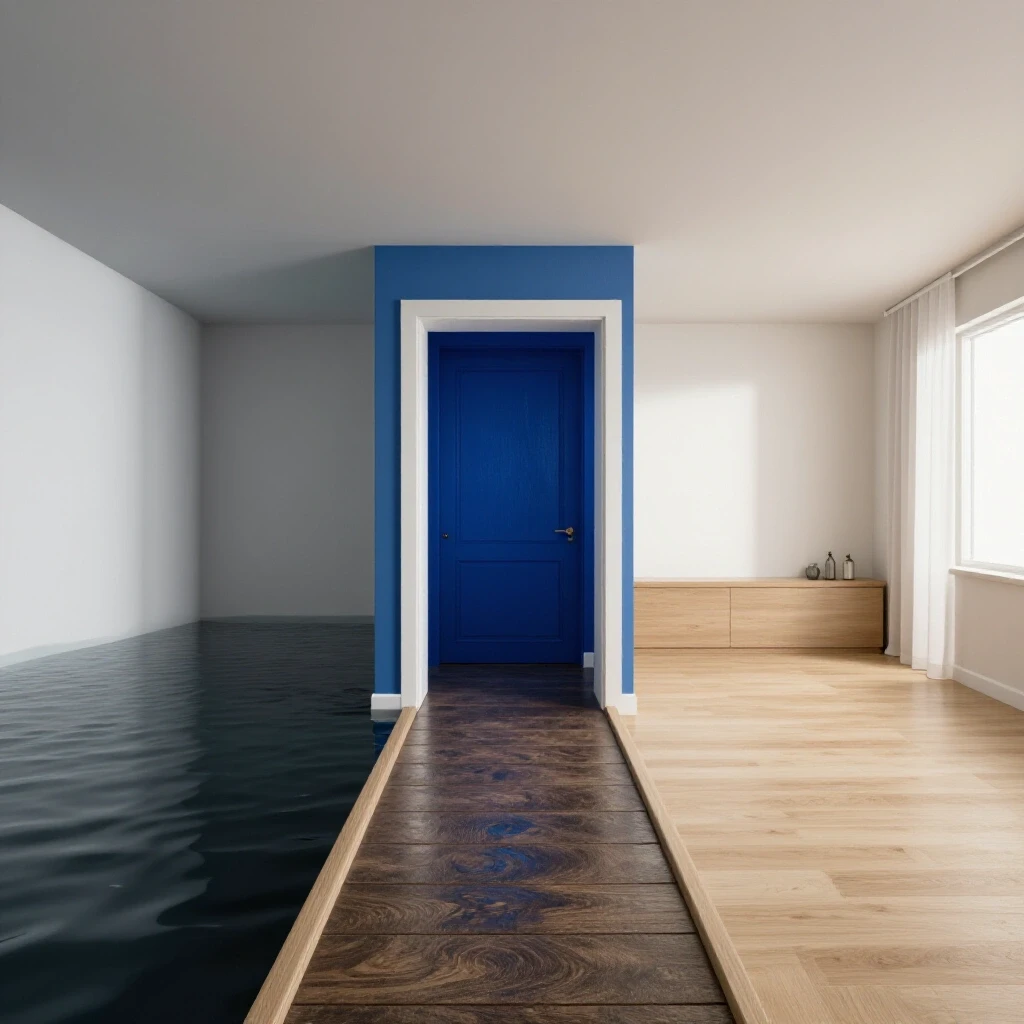
In my 18 years of managing home projects, I have seen beautiful basements ruined in a single afternoon. I once coordinated a full-home renovation where the owner spent $40,000 on a custom home theater. We finished the drywall and installed the plush carpet. Two weeks later, a summer storm overwhelmed the old, small drainage pump. The theater was under two inches of water.
This taught me that a project management guide must include a “dry-site” check. Before you start a kitchen remodel budget, you need to know if your basement can handle a surge of water. A standard drainage system has a lifespan of about seven to ten years. If yours is older, replacing it is not just a repair; it is insurance for your new renovation.
Assessing Your Current Water Management Needs
Before you buy materials, you must understand how your home currently handles groundwater. This involves checking the age of your equipment and the condition of the basin where water collects. Knowing these details helps you avoid “scope creep,” which is when a project grows larger and more expensive than planned.
I always tell homeowners to look for signs of past trouble. Are there water lines on the walls? Is there a musty smell? These are clues that your current system is failing. In my own second home renovation, I found that the existing pump was vibrating loudly. This was a sign of a worn-out motor. By replacing it before we started the upstairs work, I saved myself from a mid-renovation crisis.
How Construction Sequencing Protects Your Interior Finishes
Construction sequencing is the order in which you complete tasks during a remodel. For any project involving the lower levels of a home, moisture protection must happen first. You should never install new floors or cabinets until you are certain the basement will stay dry.
Building on this, the “rough-in” phase of a project is the best time to handle drainage. This is when walls are open and the home is already a bit of a mess. It is much easier to test and upgrade your water evacuation tools now than it is after the final trim is installed. Interestingly, many homeowners wait until the end of a project to think about drainage, which is a high-risk strategy.
Timing Your Drainage System Maintenance
You should schedule your water system check-up during the very first week of your project. This allows you to find any hidden structural issues, like cracks in the foundation, while you still have a flexible schedule. If you find a problem later, it can stop the entire project and lead to delays for other tasks.
- Week 1: Inspect the basin and the discharge line.
- Week 2: Clean out any debris or silt that has built up.
- Week 3: Test the backup power source to ensure it works during a blackout.
Budgeting for Reliability and Managing Financial Risk
A realistic budget includes more than just the cost of new items. It must also include a contingency fund, which is extra money set aside for surprises. For drainage and water management, I recommend a 15% to 25% buffer depending on the age of your home.
Data from RSMeans construction estimating resources shows that the cost of preventing a flood is a fraction of the cost of cleaning one up. For example, a basic moisture protection plan might cost a few hundred dollars in parts. In contrast, replacing ruined drywall and flooring can cost thousands. As a result, spending a little more upfront on a high-capacity pump is a smart financial move.
Contingency Buffer Allocations by Property Age
| Property Age | Recommended Contingency | Key Focus Area |
|---|---|---|
| 0–10 Years | 10% | Routine maintenance and testing |
| 11–25 Years | 15% | Replacing worn mechanical parts |
| 26–50 Years | 20% | Checking for outdated wiring and pipe rust |
| 50+ Years | 25% | Structural integrity and major system overhauls |
Practical Strategies for Maintaining a Dry Interior
Maintaining your home’s drainage does not require a pro, but it does require a system. You should have a checklist that you follow every six months. This simple habit prevents the “hidden surprises” that often blow a remodeling budget, such as mold growth behind new walls.
In my professional coordination career, I noticed that the most successful homeowners were the ones who treated their house like a machine. They knew where every pipe went and how every pump sounded. One project I managed involved a kitchen remodel where the homeowner had a “maintenance log.” Because they kept the drainage basin clean, we never had to worry about the new oak floors getting damp.
A Structural Inspection Checklist for Homeowners
Using a checklist helps you stay organized during the chaos of a remodel. It ensures you do not miss small details that could cause big problems later.
- Check the discharge pipe outside to make sure it is not blocked by leaves or ice.
- Listen for unusual noises, like grinding or clicking, when the pump runs.
- Pour a bucket of water into the basin to make sure the float switch triggers the motor.
- Look for any signs of mold or rot near the base of the walls.
- Ensure the backup battery is fully charged and less than three years old.
Navigating Challenges and Avoiding Common Mistakes
Even with the best planning, things can go wrong. The goal is to minimize friction by being prepared for challenges. One common mistake is ignoring the “critical path,” which is the sequence of tasks that must happen on time for the project to finish.
If your drainage system fails during a remodel, it breaks the critical path. Everything else—painting, flooring, and electrical work—must stop. This leads to stress and can cause disputes if you are working with a team. I once saw a project delayed by three weeks because a homeowner forgot to check their drainage before a heavy spring thaw. The basement flooded, and the flooring team could not start their work.
Handling Unexpected Structural Discoveries
When you start a renovation, you might find things you did not expect. This could be a cracked pipe or a clogged drain line under the floor. Instead of panicking, use your contingency fund to fix the issue properly.
Building on this, never try to hide a moisture problem with new finishes. It will always come back. As a result, I suggest being very honest with yourself about the state of your home’s bones. If you see a wet spot on the floor, fix the source of the water before you cover it up with beautiful new tile.
Digital Tools and Resources for Project Management
Modern homeowners have access to tools that make managing a remodel much easier. You can use these to track your schedule and stay on top of maintenance tasks.
- Scheduling Apps: Use these to set reminders for seasonal drainage checks.
- Digital Blueprints: Keep a photo of your basement floor plan so you know where all pipes are located.
- Estimation Calculators: Use online tools to see how much material you need for a basement project.
- Maintenance Logs: A simple spreadsheet can help you track when you last tested your backup systems.
Final Steps for a Successful Outcome
As your remodel nears the end, do a final check of your water management system. This is often called a “punch-list” items check. Ensure that all the work you did to protect the home is still functioning correctly after the construction dust has settled.
A post-occupancy evaluation is a great way to see if your plan worked. After the first big rain, go downstairs and check your work. Is the basement dry? Is the pump running smoothly? If the answer is yes, you have successfully protected your home and your budget. You can now enjoy your new kitchen or bathroom without worrying about what is happening under your feet.
Frequently Asked Questions
How do I know if my current drainage system is enough for my remodel? You should calculate the “head height” and the volume of water your home takes in during a storm. If your pump runs constantly or struggles to keep up, you need an upgrade. A larger basin or a more powerful motor can handle the extra load that often comes with a finished basement.
What is the most common reason for a basement drainage failure? The most common reason is a stuck float switch or a clogged intake screen. Debris like dirt or small stones can get into the basin and stop the pump from turning on. Regular cleaning is the best way to prevent this simple but costly mistake.
Should I install a backup system even if I have never had a flood? Yes, a backup system is essential for any major remodel. Power outages often happen during the same storms that cause flooding. A battery-powered backup ensures that your new interior finishes stay dry even when the lights go out.
How does a dry basement affect the value of my home? A dry basement is a huge selling point. It shows that the home has been well-maintained. Buyers are often scared of moisture issues, so having a reliable, upgraded system provides peace of mind and protects your home’s resale value.
Can I perform these upgrades myself or should I seek advice? Many drainage maintenance tasks are DIY-friendly, such as cleaning the basin or testing the pump. However, if you find structural cracks or need to move pipes, it is wise to consult a professional. Always prioritize safety and follow local building standards.
How often should I replace the backup battery? Most lead-acid batteries last about three to five years. If you use a newer lithium-ion version, it may last longer. It is a good rule of thumb to replace the battery every four years to ensure it has enough power to run the pump during an emergency.
What are the signs that my discharge line is failing? If you see water bubbling up near your foundation or if the pump runs but the water level doesn’t drop, the line may be blocked or broken. Check the exit point of the pipe to ensure it is clear and carries water far away from the house.
How much should I expect to spend on a high-quality drainage upgrade? While prices vary, a heavy-duty pump and a reliable backup system usually cost between $500 and $1,200 in materials. This is a small price to pay compared to the $10,000 or more it could cost to repair a flooded, finished basement.
Does a new drainage system require a special electrical circuit? Most standard pumps run on a normal 15-amp or 20-amp circuit. However, it is best to have it on its own dedicated line. This prevents the pump from tripping a breaker if another appliance, like a vacuum, is plugged into the same circuit.
What is the “critical path” in a basement remodel? The critical path is the list of tasks that must be done in a specific order. For a basement, this starts with moisture control, followed by framing, electrical, and finally, flooring. If the moisture control step fails, the entire path is blocked.
(This article was written by one of our staff writers, David Langford. Visit our Meet the Team page to learn more about the author and their expertise.)