How to Insulate a Sunroom for Comfort and Energy Savings (Guide)

After years of exposure to the elements, many glass-enclosed additions show significant wear-and-tear that compromises their ability to hold heat. In my 18 years as a project coordinator, I have seen how these spaces often transition from a favorite morning retreat to a drafty storage room. The goal of a successful residential renovation planning process is to reclaim that space by creating a stable thermal envelope. This guide focuses on the practical steps of managing a project to improve the temperature consistency of your glass room, ensuring you avoid the common pitfalls of budget overruns and contractor disputes.
Establishing the Scope for Thermal Efficiency in Glass Additions
Defining the scope of work involves identifying every surface where heat escapes or enters a room. This includes the floor, the ceiling, and any “knee walls,” which are the short walls typically found below the glass panels. By clearly outlining these areas, you provide contractors with a specific roadmap, which is the first step in a professional contractor management guide.
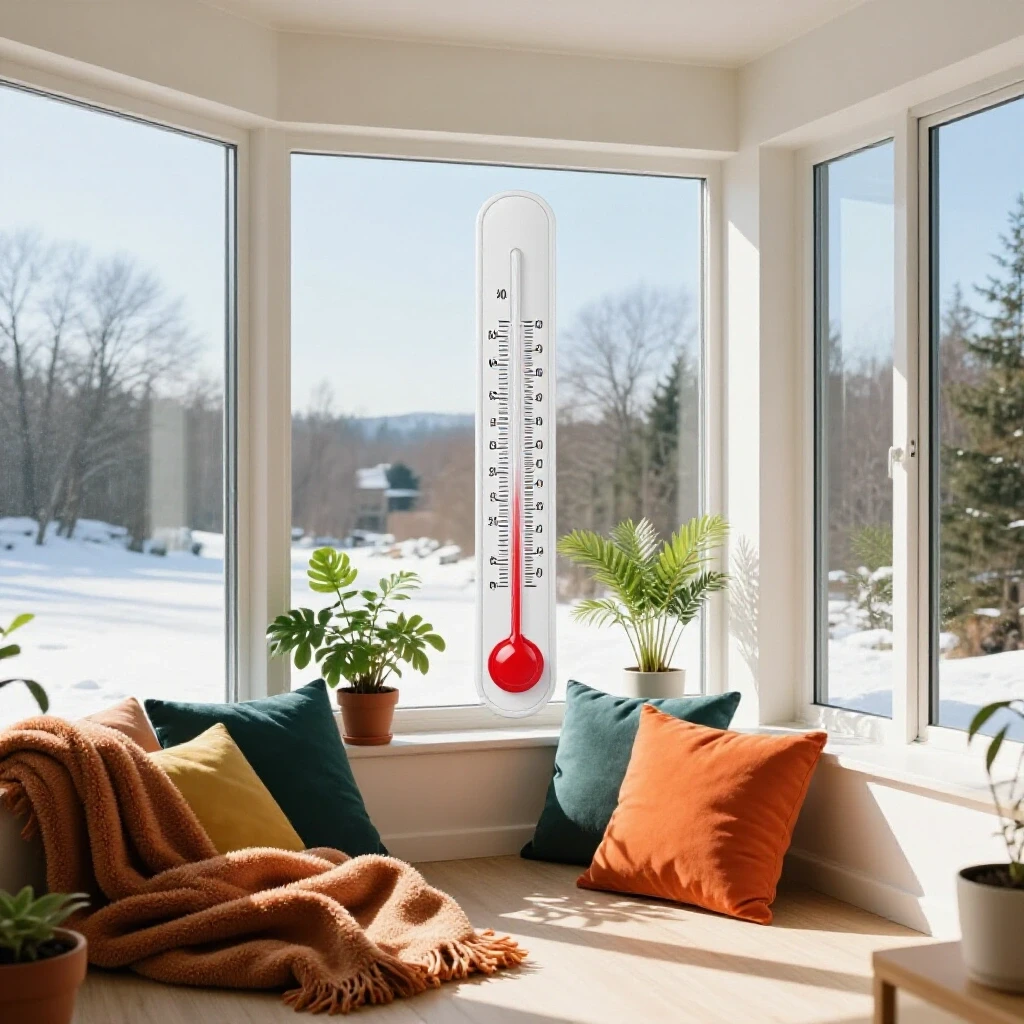
When I managed the renovation of my own 1920s bungalow, the sunroom was an afterthought that felt like an icebox in November. I realized that the “scope creep” I often warned my clients about started when I didn’t account for the crawlspace beneath the floor. In a glass room, the floor is often the biggest source of discomfort. If you are planning a larger project, like a kitchen remodel budget, you might be tempted to overlook these smaller structural details. However, a detailed scope of work document ensures that the “rough-in” phase—where the internal materials are installed before the walls are closed—covers every gap where air might leak.
Budgeting for Thermal Comfort Upgrades
Creating a realistic budget requires using verified data rather than guessing at material costs. Using RSMeans construction estimating resources, we can see that the price of materials like fiberglass batts or rigid foam board varies significantly based on the R-value, which is a measure of a material’s resistance to heat flow. A higher R-value means better performance but a higher upfront cost.
In the residential building world, I always recommend a contingency fund of 15–25% for older properties. During a project I coordinated three years ago, we opened a sunroom’s knee wall only to find outdated wiring and significant mold from a slow window leak. These structural surprises can blow a budget if you haven’t planned for them. Below is a comparison of estimated costs versus the real-world bids you might encounter when seeking thermal improvements.
Estimated Costs vs. Real-World Bids
| Material Type | RSMeans National Average (Per Sq Ft) | Real-World Bid Range (Installed) | Recommended Contingency |
|---|---|---|---|
| Fiberglass Batts (R-13 to R-19) | $0.85 – $1.20 | $1.75 – $2.50 | 10% |
| Closed-Cell Spray Foam | $2.60 – $4.00 | $4.50 – $7.00 | 20% |
| Rigid Foam Board (1-inch) | $1.30 – $2.00 | $2.25 – $3.50 | 15% |
| Mineral Wool (Fire Resistant) | $1.50 – $2.10 | $2.75 – $4.00 | 12% |
- Note: Real-world bids often include labor, disposal of old materials, and local permit fees that standard national averages may omit.
- Contingency Tip: If your home was built before 1980, lean toward a 25% buffer to handle potential lead paint or wiring issues.
Vetting Contractors for Specialized Envelope Work
Selecting the right professional is less about finding the lowest price and more about finding someone who understands the “thermal envelope.” This term refers to the continuous barrier between the conditioned air inside your home and the unconditioned air outside. A contractor who skips air sealing—using caulk or spray foam to plug small holes—is not providing a complete service.
During my career, I developed a structural inspection checklist for vetting subcontractors. I always ask for photos of their “rough-in” work, not just the finished product. The finished drywall can hide a lot of mistakes. When interviewing, ask how they plan to handle moisture barriers. In a glass room, improper installation can trap condensation against the wooden studs, leading to rot. Use the following checklist to ensure your contractor is qualified for this specific home remodeling tip.
Contractor Interview Checklist
- Can you explain your process for sealing air leaks before installing bulk material?
- What R-value do you recommend for our specific climate zone?
- How do you manage moisture and vapor barriers in a high-glass environment?
- Will you provide a signed lien waiver for every milestone payment?
- How do you handle “change orders” if we find rot or mold behind the walls?
- Can you provide three references for similar small-scale thermal retrofits?
Construction Sequencing for Thermal Improvements
Construction sequencing is the logical order in which tasks must be completed to ensure quality and efficiency. In a thermal project, you cannot install the final wall coverings until the air sealing and bulk material are inspected. This is known as the “critical path,” where a delay in one step pushes back the entire project completion date.
Interestingly, many homeowners try to rush to the finishing stage to see the visual change. However, the most important work happens when the walls are open. If you are also managing a kitchen or bathroom remodel, you must coordinate these phases so the dust from demolition in one area doesn’t ruin the finish work in another. Here is a standard sequence for a thermal upgrade in a glass-walled room.
Project Sequence and Milestone Payments
- Assessment and Demolition (10% Payment): Remove old wall coverings and floorboards to expose the structure.
- Structural Verification: Check for rot, mold, or insect damage. This is where your contingency fund is often used.
- Air Sealing and Rough-In (30% Payment): Seal gaps around windows and doors; install wiring if needed.
- Bulk Material Installation: Place the chosen thermal barrier into the cavities.
- Vapor Barrier and Inspection (30% Payment): Install the plastic or kraft-face barrier to prevent moisture movement.
- Finishing and Trim (20% Payment): Install drywall or wood paneling and replace baseboards.
- Final Walkthrough and Punch-List (Final 10% Payment): Ensure all gaps are filled and the room is clean.
Navigating Structural Surprises and Change Orders
A change order is a formal amendment to your contract that changes the price or the timeline. They usually happen when a “hidden structural surprise” is discovered. For example, in a project I oversaw last year, we removed a sunroom’s ceiling and found that the roof joists were undersized for the weight of the new materials.
To manage this without stress, your contract should specify how change orders are priced. I recommend a “cost-plus” approach for surprises, where you pay for the extra material and a pre-agreed labor rate. This prevents the contractor from overcharging you because you are in a difficult spot. Always document the discovery with photos before the work continues.
- Change Order Threshold: Any change exceeding 5% of the total project cost should require a written explanation and a revised timeline.
- Documentation: Keep a digital folder with photos of every open wall for future home sales or insurance needs.
Managing the Site and Quality Control
Even if you aren’t doing the work yourself, you are the project manager of your home. Site management involves ensuring the workspace is safe and the materials are stored correctly. For instance, fiberglass batts must stay dry; if they get wet before installation, they can grow mold inside your walls.
I once worked on a whole-house remodel where the subcontractor left the insulation outside during a rainstorm. They tried to install it anyway. Because I was tracking the site daily, I caught the error. We had to wait three days for dry materials, but it saved the homeowner from a massive mold problem later. Quality control means checking that the materials are installed snugly without being compressed. If you squeeze a 6-inch thick batt into a 4-inch space, it loses its ability to hold heat.
Quality Control Benchmarks
- No Gaps: Material should fit tightly against the studs without any daylight showing through.
- No Compression: The material should look fluffy, not squashed.
- Vapor Barrier Direction: In most climates, the paper or plastic face should point toward the “warm-in-winter” side of the house.
- Foam Expansion: If using spray foam, ensure it has cured completely before it is covered with drywall.
Tools and Resources for the Home Remodeling Planner
Managing a project effectively requires the right tools to track your budget and schedule. You don’t need expensive software; simple digital tools can keep you organized and help prevent contractor disputes.
- Project Management Apps: Use tools like Trello or Asana to create a digital “to-do” list for yourself and your contractor.
- Estimation Calculators: Many online calculators use local labor rates to help you verify if a bid is in the right ballpark.
- Digital Blueprints: Even a simple hand-drawn floor plan with exact measurements can prevent ordering too much material.
- Moisture Meters: A small, inexpensive tool that checks the wood’s moisture content before you seal the walls.
- Thermal Leak Detectors: These handheld devices show you exactly where cold air is entering the room after the work is done.
Post-Occupancy Evaluation: Did the Comfort Improve?
The final step in any successful project is the post-occupancy evaluation. This is where you test the results of your investment. Does the room hold a steady temperature? Is the floor warm enough to walk on in socks? In my experience, homeowners who focus on the thermal envelope see a 20–30% improvement in the room’s usability during extreme weather.
Interestingly, the success of these projects often depends on the “low-barrier” steps like weatherstripping doors and caulking window frames. If you’ve spent thousands on wall materials but left a half-inch gap under the door, the room will still feel cold. Take the time to do a final walkthrough during a windy day to feel for any remaining drafts.
- Next Step: Schedule a “blower door test” if you want a professional energy audit of the space.
- Maintenance: Check the exterior caulking every two years to ensure the seal remains intact against the elements.
FAQ
How do I know if my glass room needs better thermal protection? If the room is significantly colder or hotter than the rest of the house, or if you feel a draft near the floor or windows, the thermal envelope is likely failing. You can also look for “ghosting,” which are dark streaks on walls that indicate air movement and moisture.
What is the best material for a floor over a crawlspace? Rigid foam board is often preferred for floors because it resists moisture better than fiberglass. It can be fitted tightly between floor joists and sealed with spray foam to create a continuous barrier against the cold earth below.
How does air sealing differ from adding bulk material? Air sealing stops the movement of air through gaps and cracks using caulk or foam. Bulk material (like batts) slows down the transfer of heat through the walls. You need both to achieve real comfort; bulk material alone will not stop a draft.
Can I do this project myself to save money? While air sealing and installing batts are common DIY tasks, they require physical stamina and attention to detail. If you are managing a whole-house remodel, it is often better to hire a professional to ensure the work meets local building codes and doesn’t delay other trades.
How do I vet a contractor for this specific work? Look for contractors who specialize in “weatherization” or “building envelopes.” Ask for their specific process for moisture management. A good contractor will talk about “vapor barriers” and “R-values” without you having to prompt them.
What are the signs of hidden moisture damage? Look for dark stains on wood, a musty smell, or peeling paint. If you see white, powdery substances on brick or concrete (efflorescence), it indicates that water is moving through the material and could cause problems once you add insulation.
How much should I set aside for a contingency fund? For most residential renovations, 15% is standard. For older homes or spaces with significant glass, 20–25% is safer because of the high likelihood of finding rot around window frames or outdated electrical wiring behind knee walls.
How long does a typical thermal upgrade take? For a standard-sized glass room, the physical work usually takes 5 to 10 days. However, the planning, vetting, and material lead times can add 3 to 4 weeks to the total project duration.
What is an R-value and why does it matter? R-value measures how well a material resists heat flow. The higher the number, the better it performs. Your local building code will specify the minimum R-value required for your area’s climate to ensure energy efficiency and comfort.
Do I need a permit for adding material to existing walls? In many jurisdictions, if you are not changing the structure or the footprint of the room, you may not need a permit for insulation. However, if you are also updating wiring or removing drywall, a permit is usually required to ensure the work is inspected for safety.
(This article was written by one of our staff writers, David Langford. Visit our Meet the Team page to learn more about the author and their expertise.)