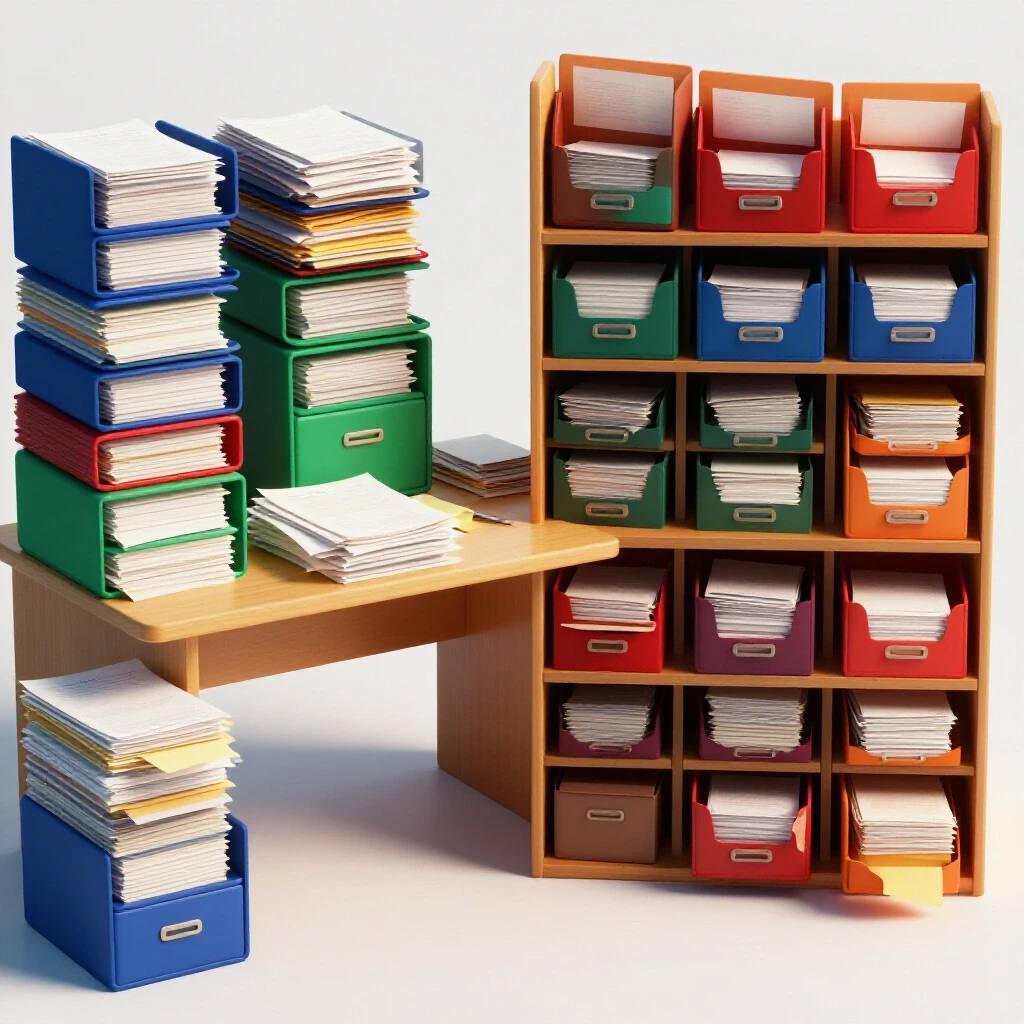
Simple Home Organization Systems to Save Time Daily (Guide)

What if you could walk through your front door after a long day and not feel an immediate surge of stress? Imagine a home where the mail doesn’t pile up on the counter, shoes don’t form a tripping hazard in the hall, and the kitchen remains functional even after a busy dinner. For many parents and professionals, this feels like an impossible dream. We often spend our entire Saturday purging and labeling, only to find the house in total disarray by Tuesday evening.
As an operations and logistics professional, I spent years managing complex supply chains before I realized my own home was a failing warehouse. I applied the same principles of flow rates and friction reduction to my household, and the results were transformative. My family moved away from “pretty” organization and toward functional systems that actually stick. We stopped fighting against our natural habits and started designing our environment to support them.
The following guide breaks down the three core frameworks that changed how our home functions. These are not about achieving a magazine-perfect look; they are about reducing the mental load of daily life through smart spatial management and low-friction routines.
The Logistics of Clutter Reversion and Visual Overload
Clutter reversion occurs when the energy required to maintain a system exceeds the energy available at the end of a workday. In logistics, we call this a bottleneck. If a storage bin is too hard to reach or a shelf is too high, the “cost” of putting an item away becomes too high, leading to piles of “homeless” items.
Environmental psychology suggests that visual clutter acts as a constant low-grade stimulus. Our brains are forced to process every stray object, which increases cortisol levels and leads to decision fatigue. When we are tired, our ability to sort and categorize items diminishes. This is why complex filing systems or nested bins often fail in busy households. To build sustainable decluttering habits, we must focus on reducing the number of steps it takes to complete a task.
| System Component | High-Friction (Fails) | Low-Friction (Sustains) |
|---|---|---|
| Storage Access | Lidded bins stacked 3 deep | Open-top baskets or hooks |
| Item Location | Hidden in a remote closet | At the point of first use |
| Labeling | Aesthetic script (hard to read) | Clear, bold block letters |
| Sorting | 10+ specific categories | 3-4 broad “macro” zones |
Why High-Friction Bins Lead to Rapid System Failure
High-friction storage includes any container or shelf that requires more than two movements to access. For example, a bin with a latching lid stored under a bed is a high-friction solution. In a busy family home, the extra effort of pulling out the bin and unlatching the lid is often enough to prevent an item from being put away.
In my own home, we once tried a beautiful, uniform set of lidded baskets for our children’s toys. Within 48 hours, the toys were all on the floor. The kids weren’t being messy; the system was simply too difficult for their developmental stage. We switched to open-top floor bins, reducing the “put-away” motion to a single drop. This shift reduced our daily cleanup time by nearly 15 minutes.
- Retrieval Friction: The number of physical steps required to get an item out.
- Deposition Friction: The number of physical steps required to put an item back.
- Visual Processing Load: The mental energy used to identify where an item belongs.
Framework 1: Threshold Management and Inflow Control
Threshold management is the practice of capturing items the moment they enter the home to prevent them from migrating to “flat surfaces” like dining tables or counters. By creating a dedicated transition zone, you stop the spread of clutter before it gains momentum. This acts as a filter for the rest of your living space.
I call this the “Drop Zone” strategy. In logistics, this is similar to a receiving dock. You wouldn’t let a delivery truck dump its load in the middle of a factory floor; you have a specific area to process incoming goods. In a home, your “receiving dock” is usually the entryway or the door leading from the garage.
Designing a High-Efficiency Entryway Zone
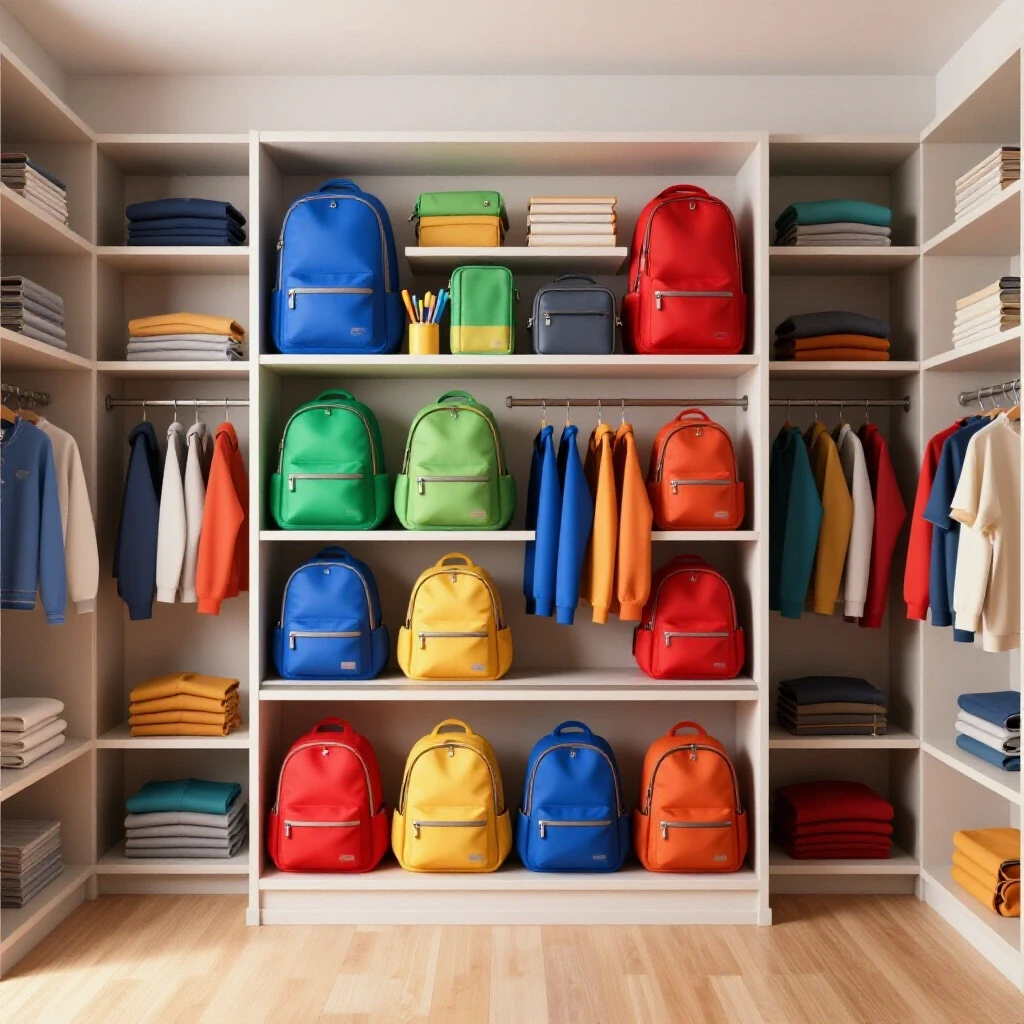
A functional entryway must handle three specific flows: footwear, outerwear, and “daily carry” items like keys and mail. If these items don’t have a designated home within three steps of the door, they will inevitably end up on the kitchen island.
- Install heavy-duty hooks at different heights. This allows children to hang their own bags without adult intervention.
- Use a “One-Touch” mail station. Place a recycling bin directly under where you sort mail so junk never touches your kitchen counter.
- Establish a “Launchpad” for the next day. This is a dedicated shelf or basket where bags and umbrellas are placed the night before.
Metrics for Entryway Success
To measure if your threshold system is working, track your “clear-off time.” If it takes more than 120 seconds to clear the entryway at the end of the day, the system is too complex. Aim for a space utilization percentage where 80% of the area is clear for movement, and only 20% is dedicated to active storage.
- Sorting Time-Box: 2 minutes daily upon entry.
- Retrieval Step Count: Aim for 0-2 steps from the door.
- Item Density: No more than 3 items per hook to prevent “burying.”
Framework 2: Task-Based Zoning for Kitchen Efficiency
Task-based zoning involves grouping all items needed for a specific activity in one location, regardless of their category. Instead of keeping all “plastic containers” in one cupboard and all “spices” in another, you organize based on how you actually move through the space during meal preparation.
This concept is rooted in spatial ergonomics. By minimizing the distance you travel between the fridge, the stove, and the sink (the “work triangle”), you reduce the physical fatigue of cooking. In our home, we found that we were walking across the kitchen four times just to make a morning coffee. By creating a “Coffee Station” zone, we saved several minutes and reduced the morning chaos.
Creating Functional Zones in a Small Kitchen
You don’t need a massive kitchen to implement zoning; you just need to rethink your cabinet real estate. Use the “Prime Real Estate” rule: the items you use daily should be stored between your waist and shoulder height. Items used once a month go in the high or low cabinets.
- The Prep Zone: Keep cutting boards, knives, and trash access in one area.
- The Cleaning Zone: Store dish soap, towels, and the dishwasher in close proximity.
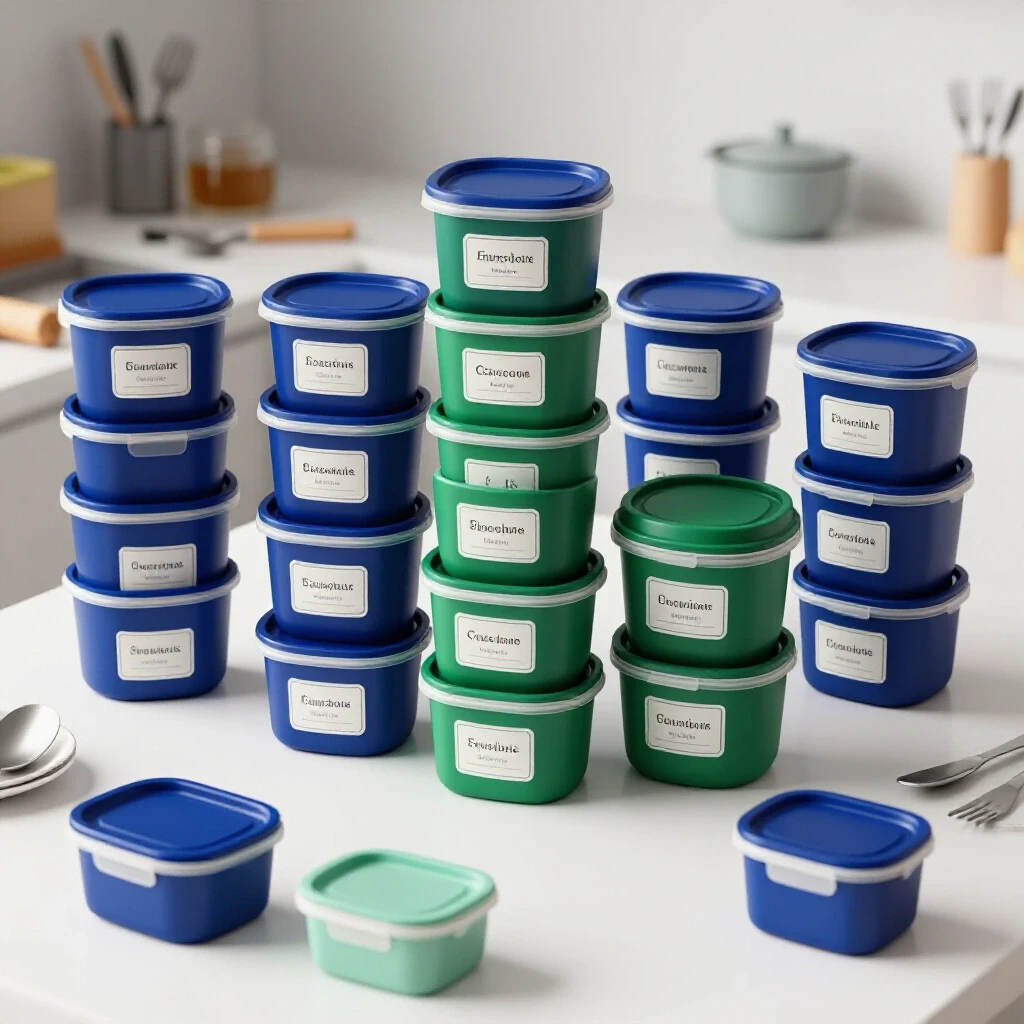
- The Storage Zone: Group food containers near the area where you typically plate leftovers.
| Kitchen Zone | Essential Items | Logic for Placement |
|---|---|---|
| Breakfast Zone | Toaster, bread, spreads, spoons | Near the fridge for easy access to butter/milk |
| Lunch Packing | Containers, wraps, snack bags | Near the pantry to reduce walking distance |
| Beverage Station | Mugs, tea/coffee, sweeteners | Near the water source or kettle |
Reducing Retrieval Friction in Cabinets
One of the biggest mistakes in kitchen organization is “nesting” items. When you stack three different sizes of frying pans, you create a high-friction environment. To get the bottom pan, you have to move two others. Vertical dividers or pull-out drawers can eliminate this issue.
- Standard Item-Density: Fill drawers to only 70% capacity to allow for easy “hand-in” retrieval.
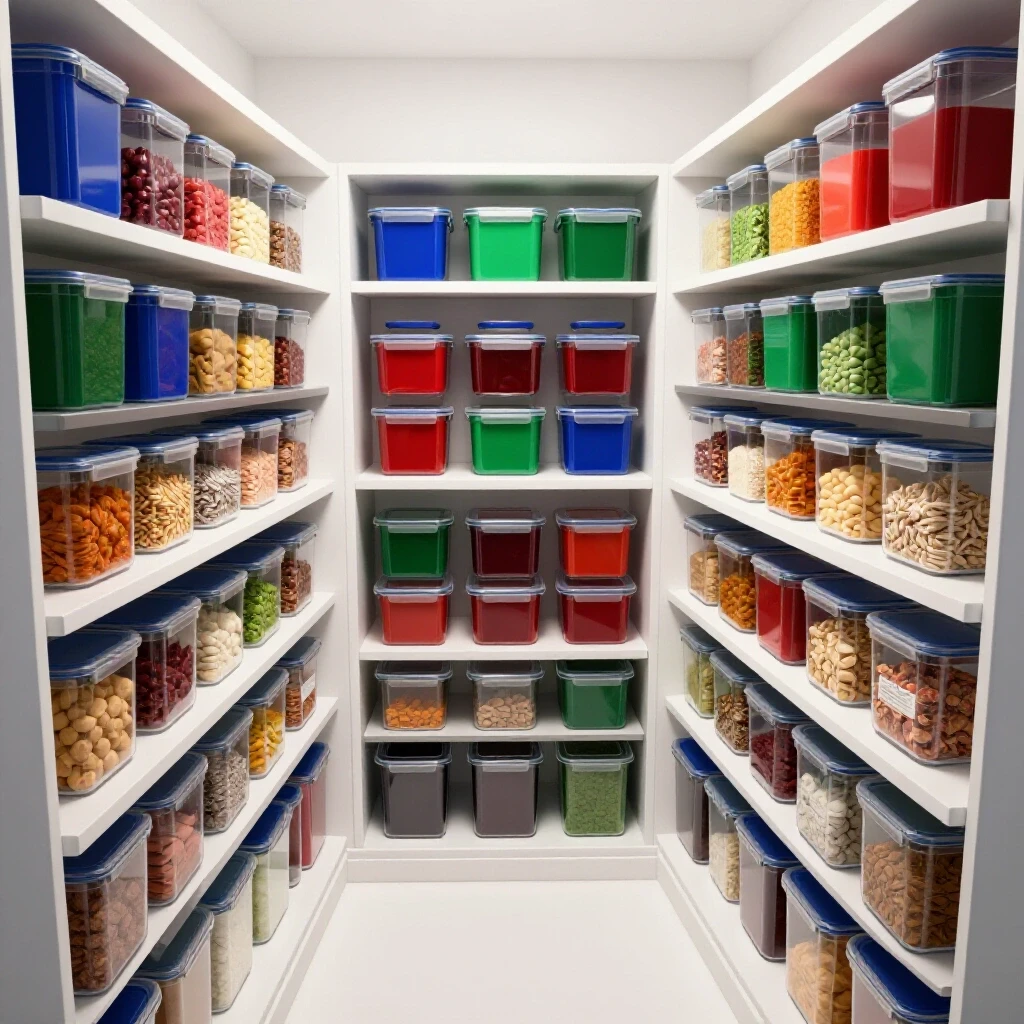
- Visual Access: Use clear bins for pantry items so you can see inventory levels at a glance.
- Labeling: Use simple, printed labels on the edge of shelves to help family members return items to the correct zone.
Framework 3: The Maintenance Cycle and Evening Reset
A maintenance cycle is a recurring, short-duration routine designed to return a space to its “baseline” state. Unlike a deep clean, a reset is about functionality. It ensures that the systems you’ve built continue to work by addressing the small amounts of “drift” that happen throughout the day.
In my household, the evening reset is the glue that holds everything together. We realized that if we didn’t spend 15 minutes resetting the “common areas” before bed, the next morning would be a disaster. This isn’t about perfection; it’s about setting up the “Future You” for success. It reduces the cognitive load of starting a new day in a cluttered environment.
The 15-Minute Household Reset Checklist
This routine should be simple enough for the whole family to participate in. It focuses on the three highest-traffic areas: the kitchen, the living room, and the entryway.
- Clear the “Flat Surfaces”: Wipe down the kitchen island and dining table.
- The “Basket Sweep”: Walk through the main living area with a basket, picking up items that belong in other rooms.
- Load and Start: Ensure the dishwasher is running so you have clean dishes in the morning.
- Prep the Launchpad: Check the entryway for tomorrow’s bags and coats.
Daily Maintenance Timelines by Family Size
The time required for a reset scales with the number of people in the house. However, with low-friction systems, this time should remain manageable even for larger families.
- 1-2 People: 10 minutes daily.
- 3-4 People: 15-20 minutes daily.
- 5+ People: 25-30 minutes daily (shared among all members).
Key Takeaway: The goal of a reset is to reach “functional zero,” not “sterile perfection.” If the dishes are in the machine and the counters are clear, you have won.
Selecting Sustainable Storage Gear
The containers you choose can either support or sabotage your organization systems. Many people buy bins because they look nice, but they don’t consider the “logistical flow” of the item. For family homes, durability and ease of use are more important than aesthetics.
When selecting gear, look for modular units that can grow with your family. Avoid “unitaskers” that only hold one specific type of item. Instead, opt for versatile, sturdy bins that can transition from holding baby toys to sports equipment as your children age.
Low-Maintenance Container Principles
- Open-Top Baskets: Best for high-frequency items like toys, shoes, and blankets.
- Clear Plastic Bins: Ideal for pantries and closets where you need to see the contents.
- Heavy-Duty Shelving: Use in garages or basements to keep items off the floor and visible.
- Uniformity: Using the same style of bin in a single zone reduces visual noise and makes the space feel more organized, even if it isn’t perfect.
Common Mistakes to Avoid
- Buying the bins before decluttering: You will likely end up with containers that don’t fit your needs.
- Choosing “pretty” over “practical”: If a bin is hard to clean or breaks easily, it will become a source of frustration.
- Over-categorizing: Creating too many small categories makes it harder for the family to maintain the system. Stick to “macro” categories like “Art Supplies” rather than “Crayons,” “Markers,” and “Pencils.”
Building Long-Term Habits Through System Feedback
A system is only as good as the habits that support it. In organizational behavior, we look at “feedback loops.” If a system is working, you will feel less stressed. If you find yourself constantly cleaning the same spot, that is “feedback” telling you the system is broken.
Don’t be afraid to pivot. If your “Drop Zone” isn’t working because everyone still drops their bags in the kitchen, move the hooks to the kitchen. The house should serve the family, not the other way around. Over time, these small adjustments will lead to a highly customized, low-maintenance home.
- Audit your space monthly: Spend 10 minutes identifying which areas are reverting to clutter.
- Adjust the friction: If an area is messy, ask, “How can I make it easier to put things away here?”
- Celebrate small wins: A clear kitchen counter for three days in a row is a major logistical victory.
Frequently Asked Questions
Why does my house get messy again so quickly after I organize it?
This usually happens because the system has too much “friction.” If it takes more effort to put an item away than it does to leave it on a counter, the item will stay on the counter. Focus on creating one-step storage solutions where items can be dropped or tucked away easily without moving other objects.
How do I get my kids to follow these systems?
Kids thrive on low-friction systems. Use open-top bins at their height and use picture labels if they can’t read yet. The goal is to make “putting away” just as easy as “taking out.” If the system requires them to line things up perfectly, they will likely give up.
What is the “One-In, One-Out” rule?
This is a simple inventory management principle. For every new item that enters the home (a new pair of shoes, a new toy), one old item must leave. This keeps your household volume stable and prevents your storage capacity from being overwhelmed.
Do I need to buy expensive organizers to be successful?
Absolutely not. Some of the most effective systems use simple hooks, basic baskets, and recycled boxes. The logic of the system—where things are placed and how easy they are to access—is far more important than the cost of the containers.
How do I handle “sentimental” clutter?
Sentimental items should be stored in a “Low-Access” zone, like a high shelf or a basement bin. They don’t need to be part of your daily flow. Give yourself a physical limit, such as one “Memory Box” per family member, to keep the volume manageable.
What if I don’t have a mudroom or entryway for a drop zone?
You can create a “virtual” drop zone using a small section of a wall or even the back of a door. A few sturdy hooks and a small wall-mounted basket can serve the same purpose as a full mudroom by capturing keys, mail, and bags.
How often should I declutter?
Instead of a giant annual purge, aim for “micro-decluttering.” Keep a donation bin in a closet, and as you come across items you no longer use, drop them in. When the bin is full, take it to a donation center. This keeps the outflow of items consistent.
What is the best way to organize a pantry?
Group items by “meal type” or “category” (e.g., snacks, baking, pasta). Use clear bins so you can see when you are running low on staples. This prevents overbuying and reduces the time spent searching for ingredients during meal prep.
How can I reduce mental fatigue caused by my home?
Focus on clearing “visual hotspots”—the areas your eyes hit first when you walk into a room. Keeping these small areas clear can trick your brain into feeling the entire space is more organized, which lowers your stress levels and gives you more energy to maintain the rest of the house.
Is it possible to have a tidy home with a full-time job and kids?
Yes, but the goal must be “functional” rather than “perfect.” By implementing low-maintenance systems and a 15-minute evening reset, you can maintain a home that supports your life rather than draining your time. Focus on the flow of items and reducing the number of daily decisions you have to make.
(This article was written by one of our staff writers, Christopher Bennett. Visit our Meet the Team page to learn more about the author and their expertise.)