How to Restore Home Organization After Summer Disruption (Guide)

In June, my entryway looked like a page from a design magazine. By late July, that same space was a graveyard of stray sandals, half-empty sunscreen bottles, and tangled garden gear. The tidy systems I spent weeks building had dissolved under the pressure of a more relaxed, high-traffic schedule. This shift happens to almost every family when the structured school year gives way to the fluid energy of the warmer months.
The Psychology of Seasonal System Failure
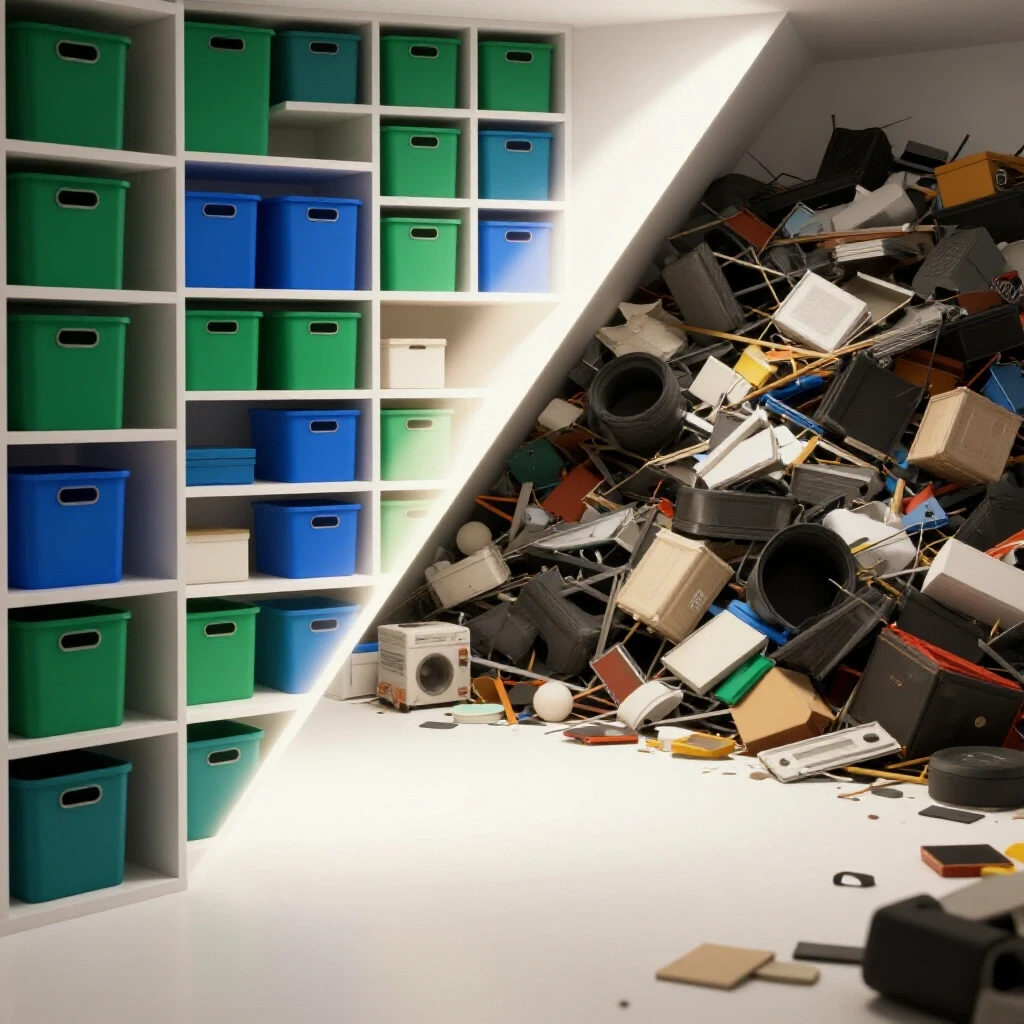
The collapse of household order during busy seasonal shifts is rarely about a lack of effort. Instead, it occurs when the “spatial capacity” of a room—the maximum number of items it can hold while remaining functional—is exceeded by a sudden influx of new categories of gear. When our daily habits change, our home organization systems must adapt or they will inevitably break under the weight of increased “retrieval friction.”
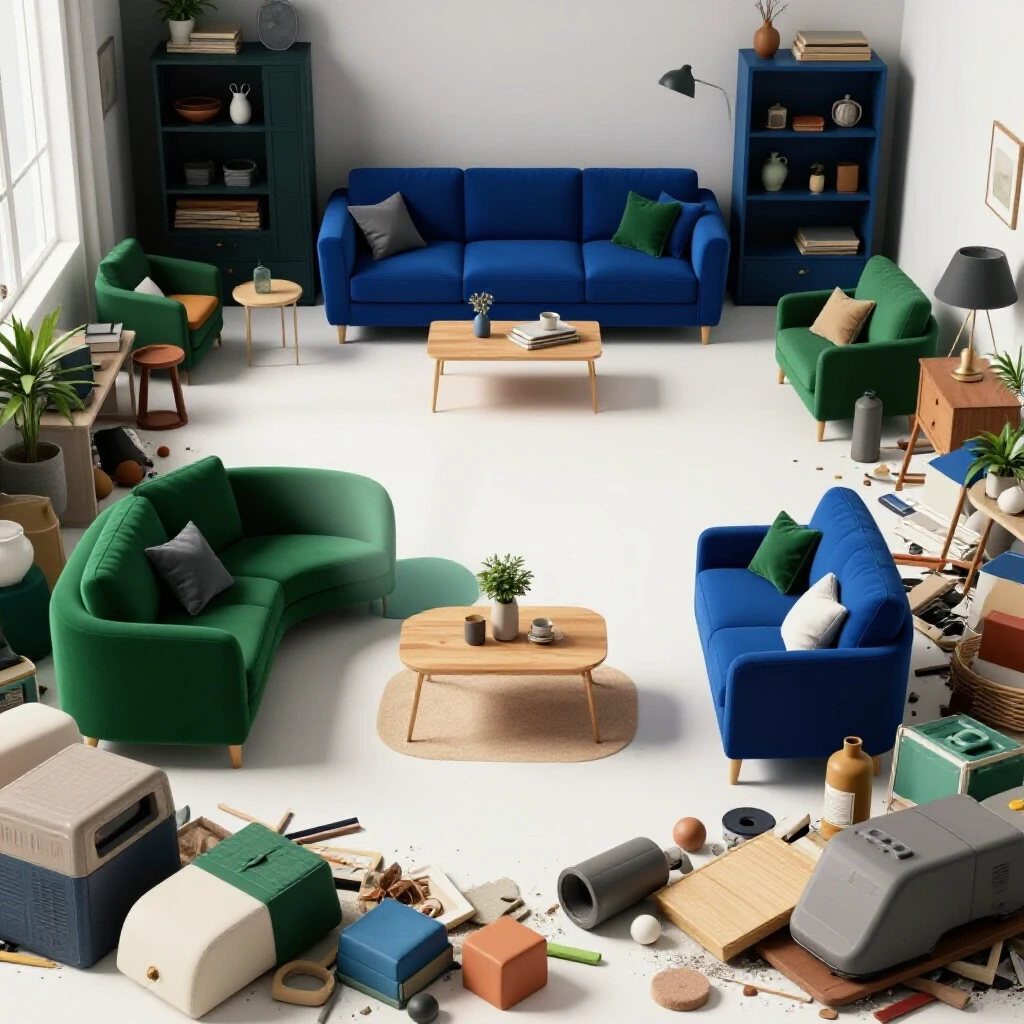
In environmental psychology, researchers often discuss “visual complexity.” This is the point where the number of objects in your field of vision begins to cause mental fatigue. When a home transitions from a structured spring to a chaotic summer, the visual complexity spikes. We stop seeing individual items and start seeing a wall of clutter, which triggers a stress response. My background in logistics taught me that when a system fails, you don’t blame the people; you look for the bottleneck in the process.
Understanding Retrieval Friction and Spatial Flow
Retrieval friction refers to the number of physical steps or mental decisions required to put an item away or take it out. If a child has to open a closet, move a box, and unlatch a lid to store a toy, they simply won’t do it during a busy afternoon. To create sustainable decluttering habits, we must reduce the “friction score” of our most frequently used items.
Spatial flow is the path we take through our homes to complete daily tasks. During high-activity months, these paths change. We might enter through the back door more often or spend more time in the living room. If your storage is located far from these new paths, clutter will naturally accumulate at the point of entry. By mapping these flows, we can place storage solutions for families exactly where they are needed most.
| Storage Type | Friction Level | Ideal Use Case | Maintenance Requirement |
|---|---|---|---|
| Open Baskets | Very Low | Daily shoes, active toys | Weekly reset |
| Labeled Totes | Medium | Craft supplies, seasonal gear | Monthly audit |
| Latched Bins | High | Long-term storage, keepsakes | Annual check |
| Wall Hooks | Lowest | Bags, hats, light jackets | Daily check |
Identifying the Logistical Bottlenecks in Your Home
A logistical bottleneck is a specific point in your home where the “inflow” of items exceeds the “outflow,” causing a backup. In my home, this was the kitchen island. During the summer, it became a catch-all for mail, sunglasses, and random hardware. We weren’t lazy; we just didn’t have a designated “landing zone” that matched our new, faster pace of life.
To find your bottlenecks, conduct a spatial audit. Spend three days observing where piles naturally form. Don’t clean them immediately. Instead, ask why the items didn’t make it to their “home.” Usually, it is because the “home” is too far away or too difficult to access. Once you identify these zones, you can implement functional home storage that mirrors your actual behavior rather than an idealized version of it.
The High-Speed Sorting Framework for Busy Families
Sustainable decluttering requires a sorting method that doesn’t demand hours of your weekend. I use a “flow-rate” approach. Instead of emptying an entire room, focus on one category of items that is currently causing the most stress. This prevents decision fatigue, which is the mental exhaustion that comes from making too many choices in a short period.
The goal of this framework is to move items through three distinct stages: Active, Transitional, and Deep Storage. Active items are used daily and should be at eye level or within arm’s reach. Transitional items are used weekly and can be on higher shelves. Deep storage is for items used once a year. By categorizing items based on frequency of use, you naturally reduce household clutter in the areas where you spend the most time.
- Active Zone (0-2 steps): Items used every day. No lids allowed.
- Transitional Zone (3-10 steps): Items used once a week. Simple labels required.
- Deep Storage (10+ steps): Seasonal items. Heavy-duty, stacked bins are fine here.
Designing Low-Maintenance Zoning Maps
A zoning map is a mental or physical layout of your home that assigns specific functions to different areas. When seasonal shifts occur, these zones often need to be redefined. For example, a corner of the living room that served as a reading nook in the winter might need to become a “craft station” in the summer to contain the explosion of art supplies.
By creating these zones, you give every family member a clear boundary for where their things belong. This reduces the cognitive load of tidying up. When my kids know that all “outdoor gear” must stay within the blue tape line in the mudroom, they don’t have to think about where to put their things. The system does the thinking for them. This is the secret to maintaining a tidy, functional living space without constant nagging.
Selecting Storage Gear Based on Durability and Speed
Many people buy storage bins based on how they look on a store shelf. However, in a real lived-in home, aesthetics should follow function. I have seen many expensive, beautiful systems fail because they were too fragile or required too much precision to maintain. For a busy family, “heavy-duty” and “easy-access” are the two most important features of any storage solution.
When selecting gear, look for modular units that can grow with your family. Clear bins are often superior to opaque ones because they provide immediate visual feedback. If you can see what is inside, you are less likely to buy duplicates, which is a major cause of clutter. Additionally, use large-font labels. Research in spatial ergonomics suggests that we process text much faster than we process the shape of objects inside a dark bin.
- Measure the volume: Before buying a bin, measure the items it needs to hold. Aim for 80% capacity to allow for easy retrieval.
- Test the latch: If a bin requires two hands to open, it is a high-friction item.
- Check the stack-ability: Ensure the base of one bin fits securely into the lid of another to prevent tipping.
- Prioritize transparency: Use clear sides for anything stored above eye level.
My Family’s Mudroom Recovery: A Case Study
Last July, our mudroom became impassable. We had a system of individual lockers for each family member, but the lockers were too narrow for bulky summer gear. The “inflow” of pool bags and sports equipment was simply too large for the “spatial capacity” of the lockers. We were experiencing a 40% failure rate in our daily cleanup routine.
To recover, we removed the locker doors to reduce friction and replaced the narrow shelves with deep, open industrial baskets. We also added a “bulk sorting station” for shared items like sunscreen and towels. This change reduced our evening cleanup time from 20 minutes down to 6 minutes. By acknowledging that our original “pretty” system couldn’t handle the summer volume, we built a more resilient one that actually worked.
Building Systematic Habit Loops for Daily Maintenance
Even the best home organization systems will fail without a maintenance loop. A habit loop consists of a trigger, an action, and a reward. In a logistics setting, we call this “end-of-shift processing.” For a family, this means a 10-minute “reset” before bed. The trigger is finishing dinner, the action is returning items to their zones, and the reward is a calm, clear space for the next morning.
To make this sustainable, the tasks must be simple enough for a five-year-old to follow. We use a “one-in, one-out” rule for new items entering the home. If a new toy comes in, an old one must be donated or moved to deep storage. This keeps our total item count stable and prevents the “clutter creep” that often happens during busy months.
| Family Size | Daily Reset Time | Weekly Audit Time | Monthly Deep Sort |
|---|---|---|---|
| 2 Adults | 5 Minutes | 15 Minutes | 30 Minutes |
| 2 Adults, 1 Child | 10 Minutes | 30 Minutes | 60 Minutes |
| 2 Adults, 2+ Children | 15 Minutes | 45 Minutes | 90 Minutes |
Why Visual Processing Overload Leads to Mental Fatigue
When our surfaces are covered in miscellaneous objects, our brains are constantly processing that information. This is known as “cognitive load.” A cluttered room sends a signal to the brain that there is unfinished work, which prevents true relaxation. This is why you might feel exhausted even when you are just sitting on your sofa.
By implementing sustainable decluttering, you aren’t just cleaning a room; you are reclaiming your mental energy. Reducing the number of visible items by just 25% can significantly lower cortisol levels in adults. This is why I focus on “closed storage” for items that aren’t used daily. It hides the visual noise and allows your brain to rest.
Practical Steps for a Mid-Season System Reset
If your home has reached a state of disarray, don’t try to fix everything at once. Start with a “High-Impact Audit.” Identify the one area that causes the most frustration every morning—perhaps the shoe rack or the coffee station. Fix only that area using low-friction methods. Once that system holds for a week, move to the next.
- Step 1: The Purge. Remove anything broken or no longer used this season.
- Step 2: The Zone Check. Ensure items are stored where they are actually used.
- Step 3: The Friction Test. Can you put an item away with one hand? If not, simplify the container.
- Step 4: The Label Reset. Update labels to match current contents.
Maintaining Order Over the Long Term
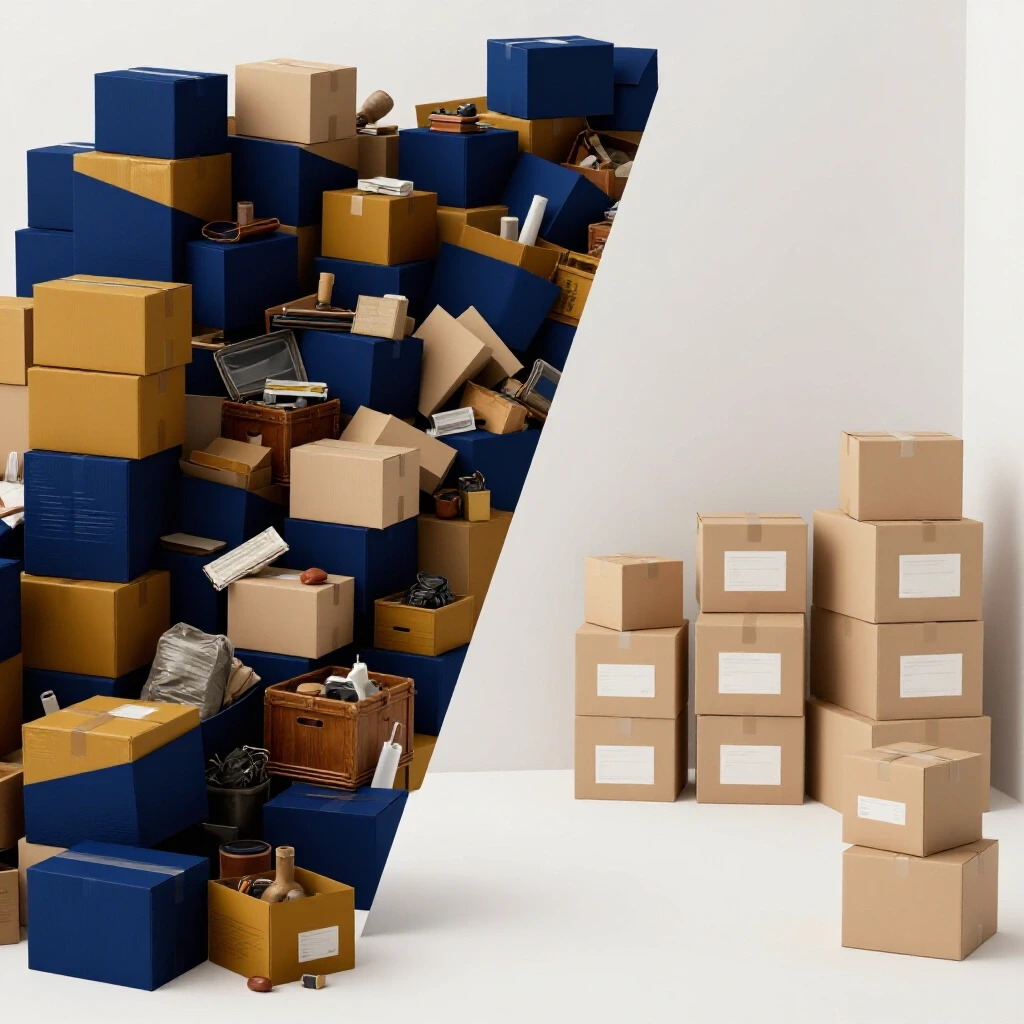
The key to long-lasting organization is flexibility. Your home is a living system that needs to breathe. As the seasons change again, your needs will shift. A truly successful organization system is one that can be adjusted in less than an hour. Don’t aim for a “perfect” home; aim for a “resilient” one that can handle the mess of a busy life and bounce back quickly.
By focusing on flow rates and friction rather than just aesthetics, you create a home that supports your family instead of demanding constant work from you. The goal is to spend less time managing your stuff and more time enjoying your space. With these logistical principles in place, you can recover from any seasonal disruption and maintain a sense of calm throughout the year.
Frequently Asked Questions
Why do my organization systems fail so quickly after I set them up? Most systems fail because they have too much “retrieval friction.” If it takes more than two steps to put something away, the system will likely collapse during busy periods. Sustainable systems prioritize ease of “putting away” over “looking perfect.”
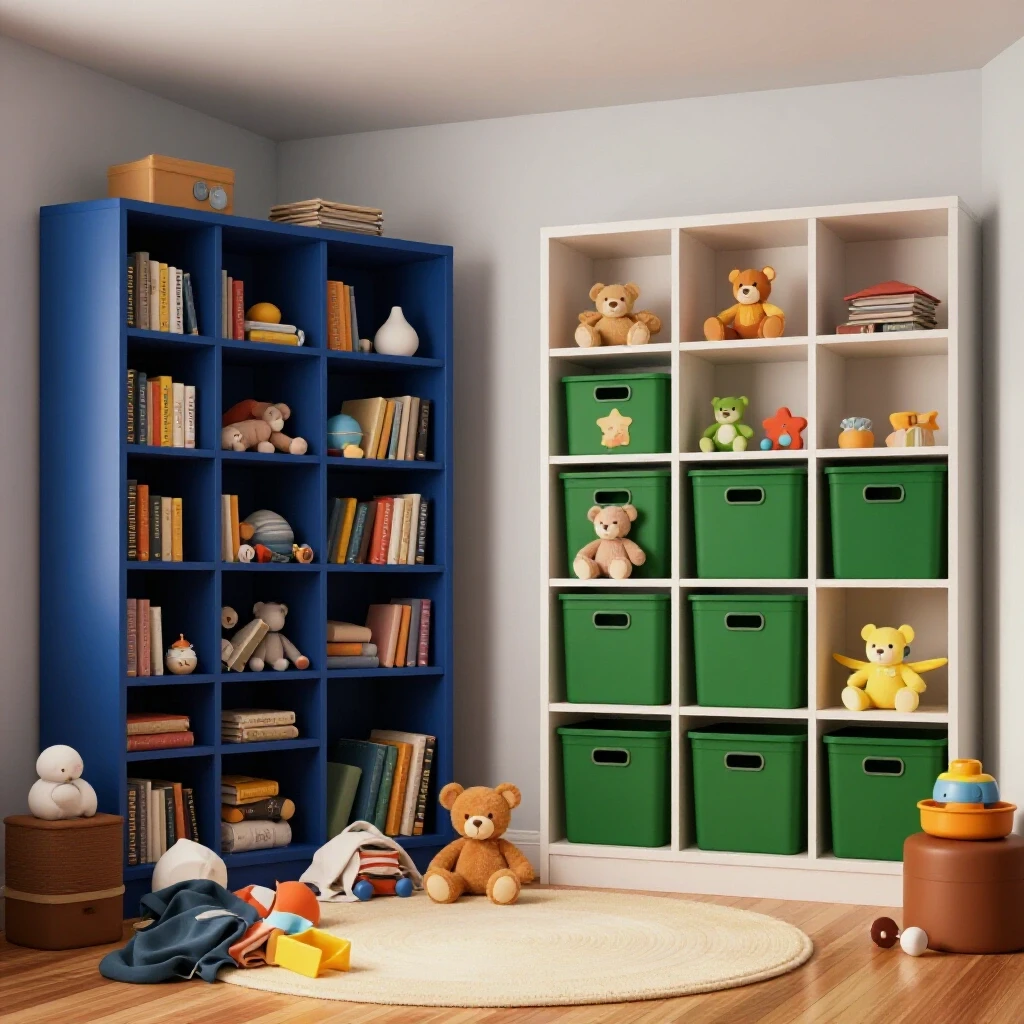
How can I get my children to follow the organization rules? Focus on spatial ergonomics. Place hooks and bins at their height. Use visual labels (pictures for younger kids) and ensure that their storage doesn’t require complex lids or latches. If a child can’t maintain the system in under two minutes, the system is too complex.
What is the best way to handle “transitional” clutter like mail or school papers? Create a dedicated “Landing Zone” with a clear “Inflow” and “Outflow” path. Use a single basket for all incoming papers and commit to a 5-minute sort once a week. Never let paper sit on flat surfaces like kitchen counters, as this triggers “clutter attraction.”
Are expensive clear acrylic bins worth the investment? They are useful for visibility, but they aren’t necessary for every space. Use them in pantries or craft rooms where seeing the contents saves time. For hidden storage like closets, cheaper opaque bins with large, clear labels work just as well and are often more durable.
How do I know if I have too much stuff or just bad systems? If your storage units are more than 80% full, you have a volume problem. If your bins are half-empty but your counters are covered, you have a system friction problem. Most families struggle with a combination of both.
How often should I audit my home organization systems? A quick “system check” should happen every time the season changes. This usually takes about 60 minutes and involves moving seasonal gear in or out of “Active Zones.” A deeper decluttering journey should happen once or twice a year.
What is the “one-hand rule” in home organization? The one-hand rule suggests that the most frequently used items should be accessible and returnable using only one hand. This means no lids, no stacking, and no hidden boxes for daily essentials like keys, shoes, or frequently used kitchen tools.
How can I reduce mental fatigue caused by a messy house? Focus on clearing “horizontal surfaces” first. Flat surfaces like tables and counters are the first things our eyes process. By keeping these clear, you significantly reduce the visual complexity of a room, which helps lower stress levels.
What should I do with items I’m not sure I want to get rid of? Use a “Quarantine Box.” Place these items in a bin and date it for three months from now. If you haven’t opened the box by that date, you can confidently donate the contents, knowing you don’t actually need them for your daily life.
How do I manage the “inflow” of new items into the home? Establish a “one-in, one-out” policy. This logistical constraint ensures that your home’s total volume stays within its spatial capacity. It forces a decision every time something new enters the house, preventing gradual clutter build-up.
(This article was written by one of our staff writers, Christopher Bennett. Visit our Meet the Team page to learn more about the author and their expertise.)