How to Store Paint Safely and Prevent Clutter (Step-by-Step Guide)

Discussing innovation in home logistics often starts with the smallest, most frustrating items. For many families, the struggle to maintain a functional home storage system is most visible in the dark corners of the garage or basement. After 11 years in operations and logistics, I have seen how a lack of simple systems can turn a weekend project into a multi-year clutter headache.
My own journey into sustainable decluttering began when I realized our home was suffering from “inventory bloat.” We had dozens of half-full cans from previous room refreshes, yet we could never find the right shade for a quick touch-up. This led to a cycle of buying more, adding to the visual noise, and increasing my mental fatigue. By applying professional logistics principles to our home organization systems, I learned how to stabilize our supplies and reduce the friction that leads to household chaos.
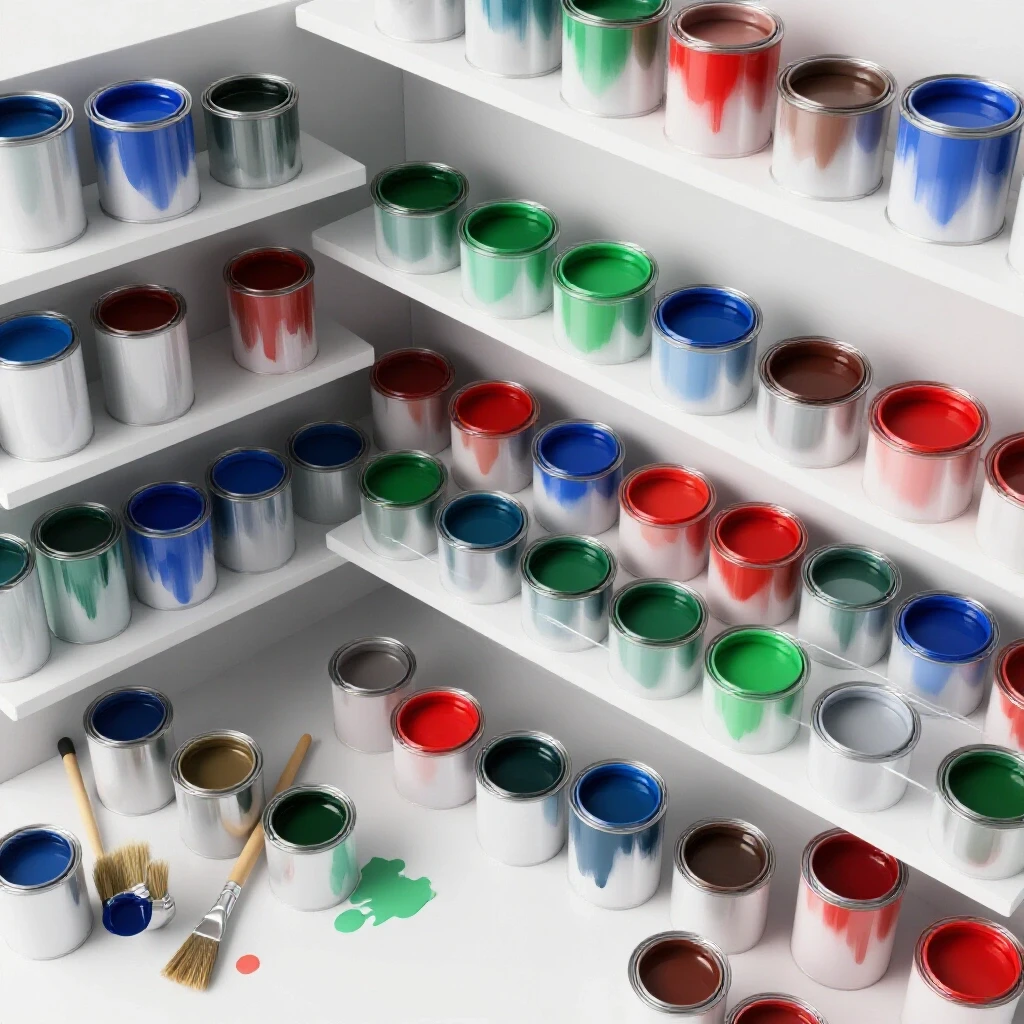
The Spatial Psychology of Managing Leftover Cans
Spatial psychology is the study of how our physical surroundings influence our thoughts and behaviors. In a home setting, poorly managed supplies create visual “noise” that signals unfinished work to the brain, raising stress levels. Understanding this helps us design storage solutions for families that prioritize mental clarity over mere aesthetics.
Environmental psychology research suggests that cluttered environments can increase cortisol levels, particularly in parents. When I looked at our disorganized shelves, I didn’t just see cans; I saw a list of chores I hadn’t finished. This visual processing overload makes it hard to relax. By organizing these project materials, we aren’t just cleaning a shelf; we are reclaiming our mental bandwidth.
In my professional work, we talk about “visual cues.” If a system is too complex, the brain ignores it. I found that my family reverted to clutter because our storage was a “black hole.” We couldn’t see what we had, so we stopped trying to maintain it. Reducing household clutter requires making the inventory visible and accessible without it being overwhelming.
Why High-Friction Systems Lead to Rapid Clutter Reversion
Retrieval friction is the amount of effort required to get an item out of storage and put it back correctly. When friction is high, items are left on counters or floors rather than being returned to their designated spots. Lowering this friction is the secret to a long-lasting decluttering journey.
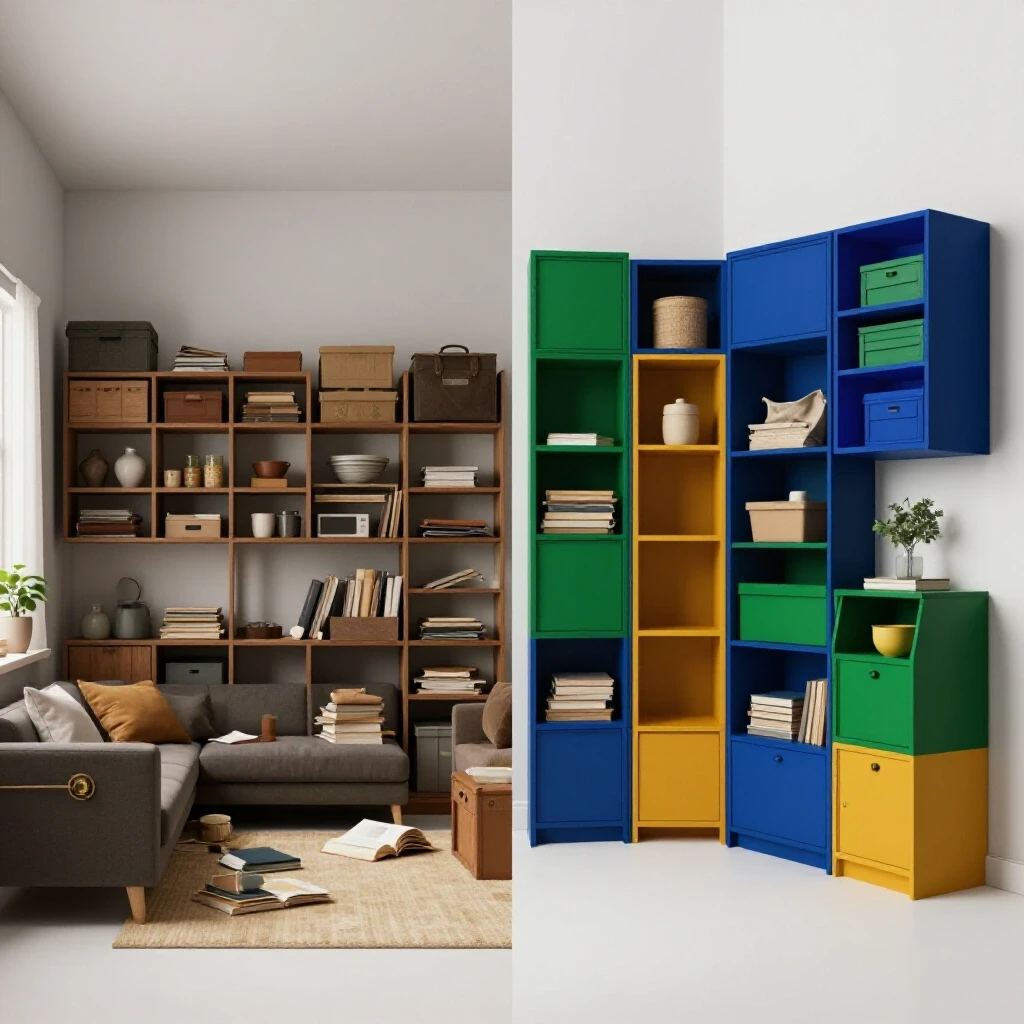
I once installed deep, heavy-duty shelving units thinking more space was the answer. It wasn’t. The “depth” created a high-friction environment where cans were buried three rows deep. To get the one I needed, I had to move five others. This is a classic logistical bottleneck. My family simply stopped putting things away because the physical cost of doing so was too high.
To fix this, we need to measure “touch points.” A low-friction system allows you to grab what you need in two moves or fewer. If you have to move a ladder and three boxes to find a specific lid, the system will fail. We transitioned to shallow, single-row shelving which transformed our functional home storage.
| Storage Method | Retrieval Steps | Sorting Speed | Friction Level |
|---|---|---|---|
| Deep Floor Stacking | 5+ steps | Very Slow | High |
| Overhead Racks | 4 steps | Slow | Medium-High |
| Shallow Wall Shelves | 1-2 steps | Fast | Low |
| Plastic Tubs (Stacked) | 3-4 steps | Moderate | Medium |
Building a High-Efficiency Sorting Framework for Project Supplies
A sorting framework is a logical set of rules used to categorize items based on their frequency of use and physical requirements. It moves beyond “keeping things neat” and focuses on flow rates. This ensures that the items you need most often are the easiest to reach.
When I redesigned our family system, I used a “Frequency of Use” audit. We categorized our liquid finishes into three zones. Zone A held the colors currently on our walls for quick touch-ups. Zone B held specialty coatings for furniture projects. Zone C was for items we no longer needed but weren’t ready to remove yet.
- Zone A (Active): Within arm’s reach, eye-level.
- Zone B (Rotational): Lower shelves, requires some bending.
- Zone C (Archival): Highest shelves, requires a step stool.
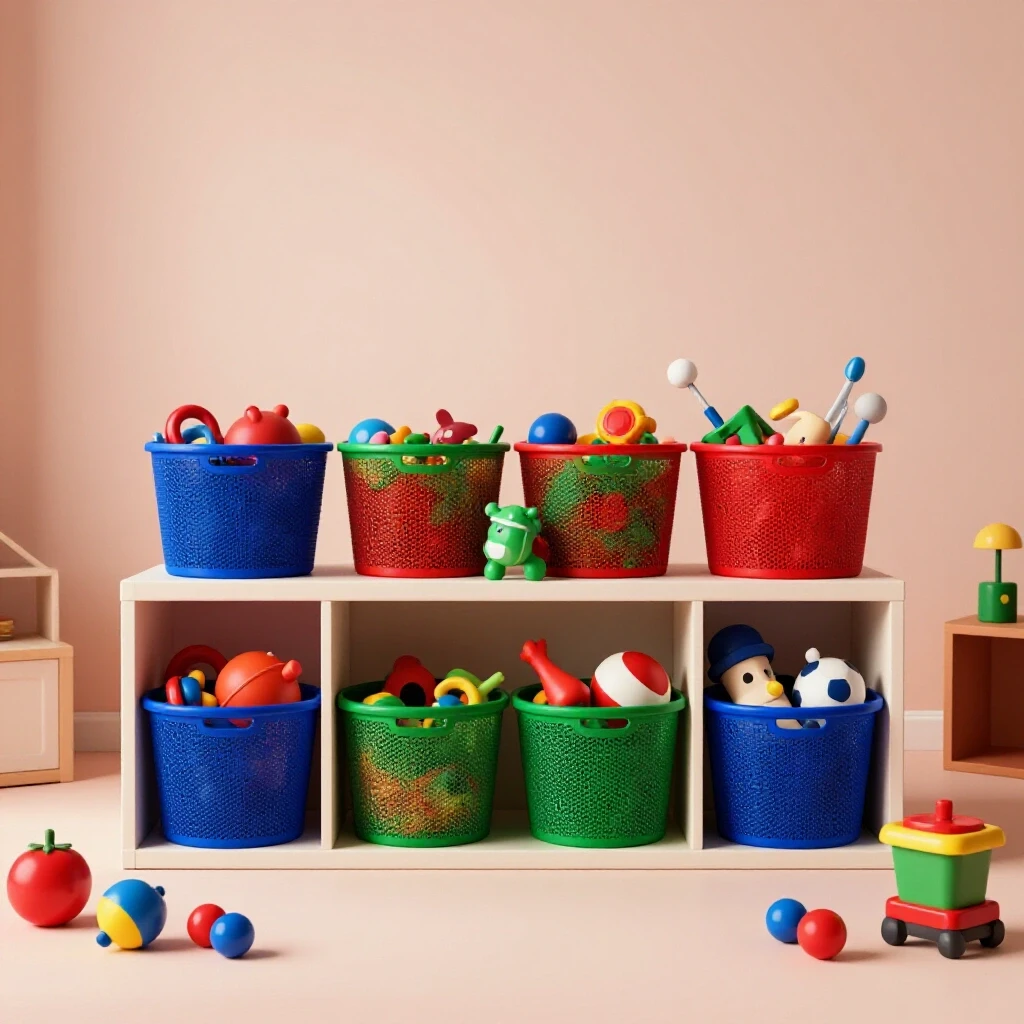
This logical mapping reduced our daily sorting time significantly. Instead of searching through every container, we knew exactly which zone to target. My kids could even help because the zones were clearly defined by color-coded labels.
Selecting Low-Maintenance Gear to Preserve Liquid Finishes
Low-maintenance storage gear refers to containers and shelving that protect the integrity of the contents while remaining easy to handle. For household supplies, this means prioritizing airtight seals and sturdy surfaces. The goal is to prevent the “crusty lid” syndrome that makes project maintenance a chore.
I learned the hard way that original metal containers are often the highest friction choice for long-term use. They rust, the lids warp, and they are heavy. My logistics background taught me that smaller, uniform containers increase “space utilization percentages.” We started transferring leftover amounts into smaller, clear glass or high-density plastic jars.
By using smaller containers, we saved nearly 40% of our shelf space. This also made the inventory lighter and easier for my spouse to move. We no longer had to struggle with a five-gallon bucket for a one-inch scuff on the baseboard. This shift in container strategy is a cornerstone of sustainable decluttering.
Reducing Daily Sorting Friction with Visual Inventory Systems
Visual inventory systems use clear containers and descriptive labels to provide instant information about what is inside. This reduces the “cognitive load” of searching, which is the mental effort required to process information. When you can see your supplies, you spend less time thinking and more time doing.
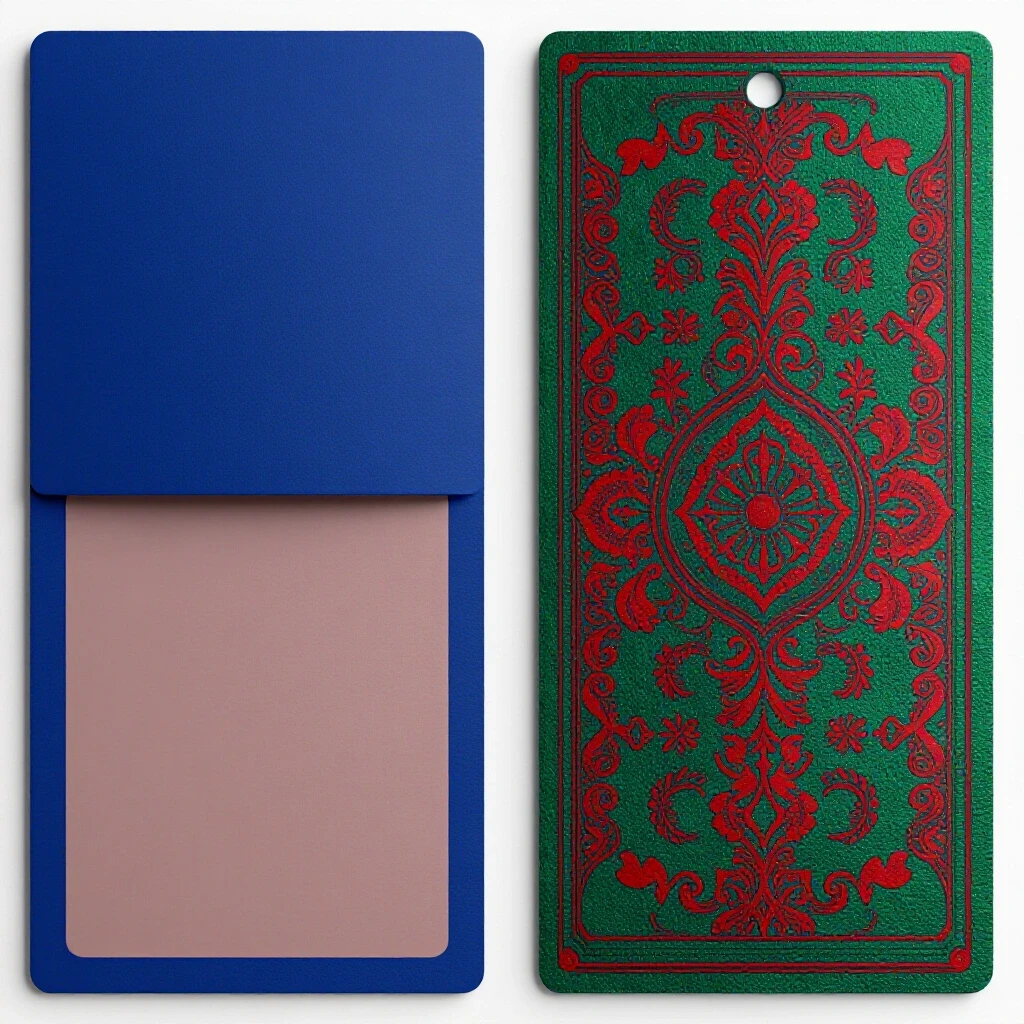
In our home, we implemented a “Two-Point Labeling” system. Every container got a label on the side and a sample of the actual liquid on the lid. This allowed us to see the exact color from both a front-facing view and a top-down view.
- Identify the room name (e.g., “Kitchen Walls”).
- Note the finish type (e.g., “Eggshell”).
- Include the date of purchase.
- Apply a small dab of the contents to the lid.
This simple routine changed our maintenance habits. We went from spending twenty minutes looking for a match to finding it in under ten seconds. In logistics, we call this “pick-path optimization.” In a busy home, we call it “saving our sanity.”
Managing Temperature and Stability for Long-Term Storage
Stability in storage refers to maintaining an environment where items do not degrade over time. For liquid home supplies, temperature fluctuations are the primary enemy. A stable system ensures that when you finally need to use a product, it is still in usable condition.
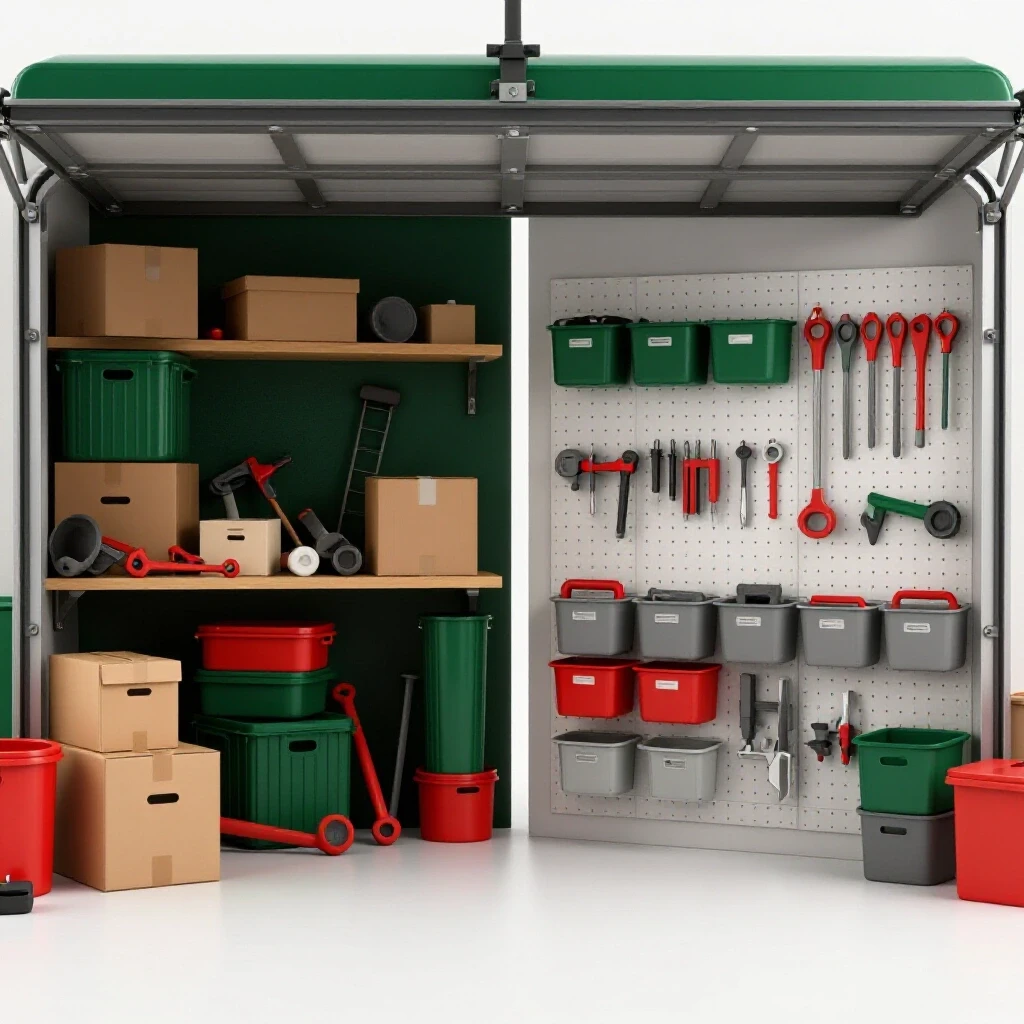
Many families store their project supplies in unheated garages or sheds. I did this for years until I realized I was throwing away money. Extreme cold causes liquids to separate and clump, while heat can cause containers to bulge. We moved our “Active” inventory to a climate-controlled utility closet inside the house.
- Keep storage between 50°F and 80°F.
- Store containers off the concrete floor to prevent rust.
- Ensure lids are wiped clean before sealing to maintain an airtight bond.
- Store cans upside down (if sealed perfectly) to create a natural vacuum seal.
By moving our core supplies into a stable environment, we reduced our waste by nearly 60%. This is a measurable improvement in household efficiency. It also meant we didn’t have to deal with the frustration of opening a ruined can right when we were motivated to work.
Household Behavior Systems: Getting the Family on Board
A behavior system is a set of shared habits that ensure every family member can maintain the organization. It relies on “system feedback loops,” where the ease of using the system encourages people to keep using it. If a system is too hard for a ten-year-old, it is too hard for a busy professional.
I found that my family wouldn’t use my “perfect” systems if they felt like a test. I had to lower the barrier to entry. We created a “Return Station” near the garage door. If someone used a supply, they didn’t have to put it back perfectly on the shelf immediately. They just had to put it in the bin.
Every Sunday, I spent five minutes moving items from the bin to their permanent zones. This “time-box interval” kept the clutter from spreading through the house. It acknowledged the reality of our busy lives while maintaining the integrity of our storage solutions for families.
Tracking Progress with Modern Inventory Metrics
Inventory metrics are data points used to measure the health of a storage system. In a home, this might include how many items you have, how often you use them, and how much space they occupy. Tracking these numbers helps prevent the “clutter creep” that happens when we stop paying attention.
I keep a simple digital log on my phone. It lists the colors we have and where they are located. This prevents us from buying duplicates at the store. When we finish a project, we update the log. It takes thirty seconds but saves hours of future frustration.
Standard Item-Density Guidelines for Project Supplies: – Shelf Capacity: No more than 80% full to allow for easy grabbing. – Sorting Interval: Once every six months to remove expired or unneeded items. – Retrieval Goal: Find any specific item in under 30 seconds. – Maintenance Time: Less than 15 minutes per week for the whole system.
Practical Steps for Your Next System Redesign
Building a sustainable home starts with a single shelf. You do not need to overhaul your entire house in one weekend. In fact, doing so often leads to burnout. Instead, focus on the areas that cause the most daily stress and apply these logical steps.
- Audit your current stock: Remove anything that has dried out or is no longer needed.
- Consolidate containers: Move small amounts into smaller, clear jars to save space.
- Implement shallow shelving: Ensure you can see every item without moving another.
- Label clearly: Use both text and visual cues (like a color dab).
- Set a climate rule: Move temperature-sensitive items into a controlled space.
By following these steps, you create a system that works with your life, not against it. You will find that the mental fatigue of seeing “stuff” slowly disappears, replaced by the confidence that you know exactly where your tools are. This is the ultimate goal of functional home storage.
Frequently Asked Questions
Why do my storage bins always end up messy again?
Most bins fail because they are too deep or opaque. When you can’t see what’s at the bottom, you dig through it, creating a mess. Switch to shallow, clear bins or single-row shelving to reduce this friction.
Is it really necessary to move paint inside the house?
Yes, if you want it to last. Most garages experience temperature swings that ruin the chemical balance of the liquid. A small climate-controlled shelf in a closet can save you hundreds of dollars in replacement costs.
How do I stop my family from ignoring the labels?
Labels should be large and placed where they are visible without touching the container. If the family has to hunt for the label, they won’t read it. Use color-coding to make it even easier for children to follow.
What is the best way to seal a can for long-term storage?
Clean the groove of the lid thoroughly before closing. Use a rubber mallet rather than a hammer to avoid denting the lid, which can break the seal. A piece of plastic wrap between the lid and the can can also provide an extra layer of protection.
How much space should I leave on my shelves?
Aim for 20% “white space.” If a shelf is packed tight, you will struggle to get items out and be less likely to put them back. This extra room acts as a buffer for your home organization systems.
What should I do with cans that are only 10% full?
Transfer them to small glass jars. Large cans contain a lot of air, which dries out the liquid faster. Smaller containers preserve the product better and take up significantly less room on your shelves.
Can I use a digital app to track my home supplies?
Absolutely. Many families use simple spreadsheet apps or dedicated home inventory apps. The key is to keep it simple; if it takes more than a minute to update, you won’t do it.
How often should I audit my project storage?
A twice-yearly check is usually enough. I recommend doing it at the start of spring and autumn. This aligns with typical home project seasons and ensures your inventory is ready when you are.
What is the biggest mistake people make with project supplies?
The biggest mistake is keeping everything “just in case.” If you haven’t used a specific color in three years and don’t have it on your walls anymore, it is just clutter. Letting go is a vital part of the decluttering journey.
How do I handle heavy five-gallon buckets?
Store these on the lowest level, ideally on a rolling dolly. This reduces the physical strain of moving them and makes it easier to clean the floor underneath, preventing dust and grime buildup.
(This article was written by one of our staff writers, Christopher Bennett. Visit our Meet the Team page to learn more about the author and their expertise.)