How to Create a Low-Stress Moving Routine for Any Home (Guide)

When I moved my family across the country for the third time, I realized that our golden retriever, Daisy, was the best barometer for our success. During our first move, she spent three days pacing the hallways of our new home, unable to find a quiet corner to settle. By our fourth move, into a much smaller and more awkward Victorian-style layout, she was napping in her designated “den” within two hours of us arriving. The difference wasn’t the house; it was the repeatable transition system we had refined over 19 years of relocating.
Moving is more than just transporting boxes from one zip code to another. It is a complex exercise in spatial layout adaptation and environmental psychology. Throughout my four major family relocations, I have learned that the stress of a new home often stems from a mismatch between our old habits and our new floor plan. By focusing on structural scale and circulation paths before the first box is even packed, you can create a functional environment that feels like home almost immediately.
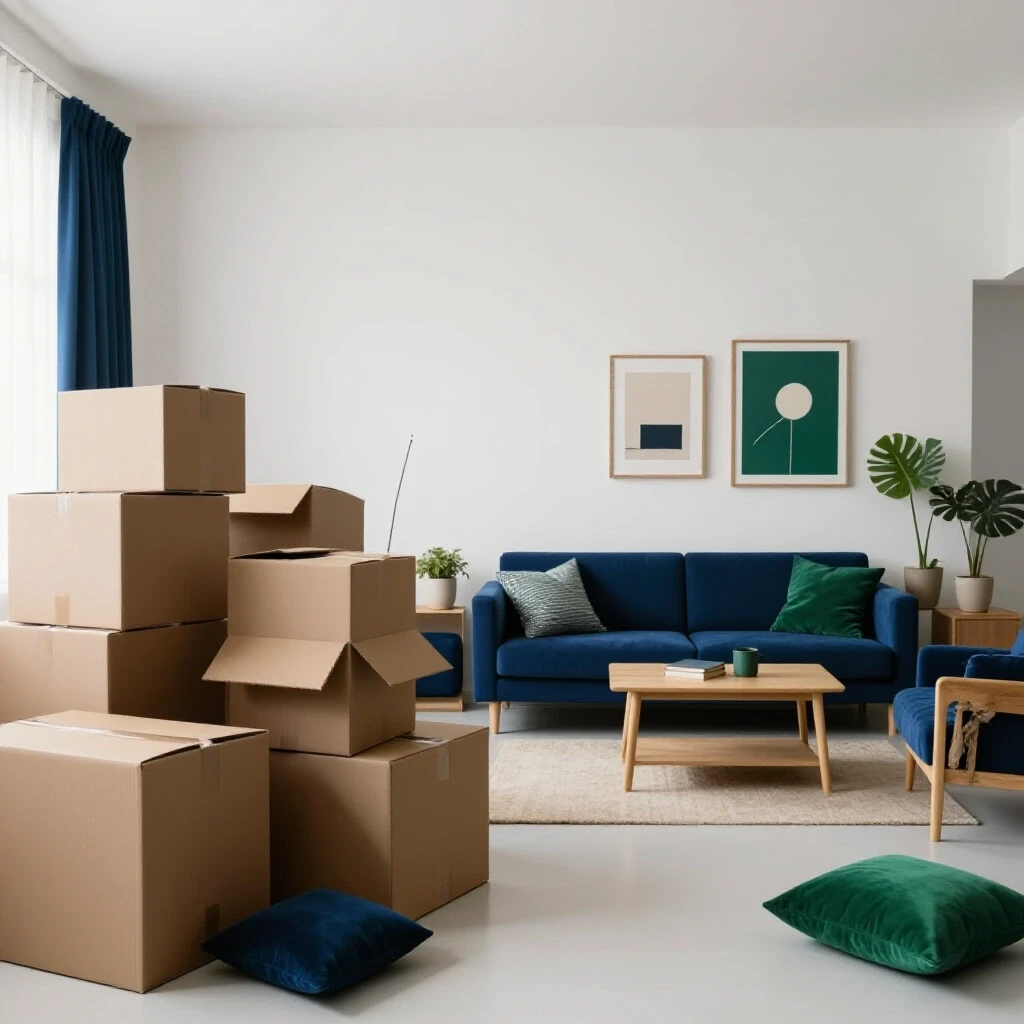
Why Pre-Move Spatial Audits Reduce Relocation Friction
A spatial audit is the process of measuring your current belongings against the dimensions of your future rooms to identify potential fit issues before you arrive. This step is the backbone of a calm relocation framework because it removes the guesswork from furniture placement.
When we moved from a wide, modern suburban house to a narrow urban row home, I assumed our sectional sofa would fit. It didn’t. We spent our first night climbing over cushions because I hadn’t audited the “clearance margins” of the new living room. A spatial audit prevents these physical bottlenecks. It allows you to decide which pieces of furniture support your new life and which ones will only create clutter.
Understanding Structural Scale and Traffic Flow
Structural scale refers to how the size of your furniture relates to the volume of your room, while traffic flow is the path people take to move through a space. Mapping these out helps you avoid “furniture jam,” where a room feels crowded even if it isn’t full.
In my experience, the most common mistake is ignoring the “swing space” of doors and the “reach space” of cabinets. When you plan your new home adjustment guide, you must account for these invisible zones. If a dresser blocks a closet door by even an inch, the daily frustration can make a new house feel like a prison.
| Spatial Element | Minimum Recommended Clearance | Why It Matters |
|---|---|---|
| Main Hallways | 36 inches | Allows two people to pass or one person to carry a basket. |
| Dining Table Perimeter | 32–36 inches | Provides enough room to pull out chairs and walk behind seated guests. |
| Coffee Table to Sofa | 14–18 inches | Close enough to reach a drink, far enough for legroom. |
| Bed to Wall/Furniture | 24–30 inches | Ensures you can walk around the bed and make it easily. |
Mapping Furniture to New Scales Using Digital Tools
Digital applications and physical templates allow you to visualize furniture placement without lifting heavy items. These tools are essential for home transition planning, especially when downsizing or moving into homes with non-standard shapes.
During our move to a home with a triangular living room, I used a floor plan app to realize our rectangular rug would never work. By shifting to a round rug in the digital model, I saved us the physical labor of moving a heavy, ill-fitting item. Modern tools allow you to “see” the room in 3D, which helps in understanding how visual weight is distributed.
- Magicplan: This app uses your phone’s camera to create a floor plan. It is excellent for quickly capturing the dimensions of a new space during a walkthrough.
- RoomScan Pro: This tool is helpful for measuring awkward angles and curved walls, which are common in older homes.
- Home Design 3D: A more robust tool that lets you drag and drop furniture models to test traffic circulation planning.
- Graph Paper and Cutouts: Never underestimate the power of a 1/4-inch scale drawing. It is a tactile way to involve the whole family in the layout process.
Adapting Existing Furniture to Awkward Room Layouts
The strategic placement of furniture in rooms with non-standard angles, low ceilings, or limited wall space is vital for maximizing utility. Many transitional residents struggle when their “standard” furniture meets a “non-standard” room.
In our second home, the “master bedroom” was actually a converted attic with sloped ceilings. My tall wardrobe was useless there. Instead of forcing it, I repurposed it as a pantry in the kitchen and used low-profile dressers in the bedroom. This is what I call a “visual weight shift.” By keeping furniture low in a room with low ceilings, you make the space feel larger and less cramped.
Strategies for Small Room Furniture Layout
When dealing with a small room furniture layout, every inch must be intentional. I recommend using the “Zoning Method.” Instead of trying to make one room do everything, divide it into specific functional zones using rugs or open shelving.
- Use Multi-functional Pieces: An ottoman with storage can serve as a coffee table, extra seating, and a place for blankets.
- Go Vertical: In small footprints, use the walls. Floating shelves keep the floor clear, which maintains the “circulation paths” we discussed earlier.
- Mirror Placement: Placing a mirror opposite a window can double the perceived depth of a small room.
- Scale Down: If your dining table is too large, consider using it as a spacious desk and getting a smaller, round bistro table for meals.
A Systematic Approach to Unpacking and Room Design
A phased method of opening boxes and arranging items prioritizes high-use areas to establish immediate household functionality. The goal is to reach a state of “functional calm” as quickly as possible.
I have found that the “room-by-room” approach is often less effective than the “priority-zone” approach. For example, having a functional kitchen and a made bed is more important than having a perfectly organized guest bathroom on day one. We always prioritize the “Launch Pad”—the area near the door where keys, bags, and shoes live—to prevent the “where is my stuff?” panic every morning.
The First-Month Spatial Adjustment Timeline
Establishing a new home takes time. I tell my family that the first week is for survival, the second for systems, and the third for style.
- Days 1-3 (Survival): Focus on the kitchen, bedrooms, and one bathroom. Ensure all “circulation paths” are clear of boxes to prevent tripping hazards.
- Days 4-10 (Systems): Set up your daily routine stations. This includes the coffee station, the mail sorting area, and the pet feeding zone.
- Days 11-20 (Refinement): This is when you test your small room furniture layout. If a chair feels “off” in a corner, move it. Live with the layout and adjust based on your actual movement patterns.
- Days 21-30 (Integration): Hang art and decorative items. This is also the time to start neighborhood community building by inviting a neighbor over for a simple coffee.
Building New Household Routines in a Fresh Environment
The intentional design of daily habits and storage systems that align with the new home’s physical flow helps maintain a sense of order. Your old routines might not fit your new layout, and that is okay.
In our last move, the laundry room was on a different floor than the bedrooms. Our old “leave it by the door” routine failed. We had to adapt by placing a sorting bin in each bedroom. This home transition planning requires you to look at your new space and ask, “Where does the friction happen?” If mail always ends up on the kitchen island, put a beautiful basket there. Work with your habits, not against them.
Creating a Neighborhood Community Map
Building community is a critical part of a successful move. I use a “Community Mapping” technique. Within the first two weeks, walk in a different direction from your front door every day.
- Identify the “Third Places”: Find a local coffee shop, park, or library where you can become a “regular.”
- Map Your Essentials: Locate the nearest grocery store, pharmacy, and hardware store.
- Note the Neighbors: Keep a simple list on your phone of neighbors’ names and their pets’ names. It makes the next interaction much easier.
- Join Local Groups: Look for neighborhood-specific social media groups or community boards to stay informed about local events.
Practical Metrics for a Functional Layout
To ensure your home remains comfortable, stick to these verified ergonomic guidelines. These measurements are based on housing adaptation research and support comfortable daily living.
- Box Weight Tolerance: Keep boxes under 30–40 lbs to ensure they are easy to move and stack without collapsing.
- Countertop Workspace: Aim for at least 24–36 inches of clear counter space next to the stove for food prep.
- Lighting Zones: Every room should have three sources of light (overhead, task, and ambient) to reduce eye strain and improve mood.
- The 10% Rule: Try to leave 10% of your storage space empty. This allows for the natural ebb and flow of household items without causing immediate clutter.
Key Takeaways for a Smooth Transition
Transitioning into a new home is a marathon, not a sprint. By using a repeatable process, you can reduce the mental load of the move.
- Measure twice, move once. Use digital tools to verify furniture fit.
- Prioritize circulation. Keep hallways and entryways clear to reduce stress.
- Adapt to the architecture. Don’t force a layout that the house doesn’t support.
- Build routines around the floor plan. Let the house dictate where things live based on where you naturally put them.
- Be patient with yourself. It takes about 21 days for a new space to start feeling like a home.
Frequently Asked Questions
How do I decide what furniture to keep when downsizing? Compare the square footage of your current rooms to the new ones. If a room is 20% smaller, you likely need to remove one large piece of furniture. Focus on keeping multi-functional items that can serve two purposes, like a desk that doubles as a vanity.
What is the best way to organize boxes for a quick unpack? Label boxes by room and by priority. Use a “High Priority” sticker for items you need in the first 48 hours, such as towels, basic cookware, and bed linens. This allows you to focus your energy on the most important areas first.
How can I make an awkward, long, and narrow room feel functional? Divide the room into “vignettes.” Use a rug to define a seating area at one end and a console table or bookshelf to create a separate zone at the other. Avoid lining all furniture against the long walls, as this creates a “bowling alley” effect.
What should be in a “First-Night Kit”? Your kit should include basic toiletries, a change of clothes, chargers, a flashlight, basic tools (screwdriver and box cutter), snacks, and pet supplies. Having these easily accessible prevents the stress of digging through boxes when you are exhausted.
How do I handle the “isolation” phase of moving to a new neighborhood? The best way to combat isolation is through “passive interaction.” Spend time in your front yard or on your porch. Walk your dog at the same time every day. These small, repeated exposures make you a familiar face to your neighbors, which lowers the barrier for a first conversation.
How do I ensure my existing rugs fit in a new layout? Rugs are often the hardest items to adapt. If a rug is too small for a large room, you can layer it over a larger, inexpensive jute or sisal rug. If it is too large, consider using it in a different room or having it professionally cut and bound to fit the new dimensions.
What is the most common layout mistake people make? The most common mistake is “pushing everything against the walls.” While it seems like it creates more space, it often makes a room feel cold and disconnected. Pulling furniture even 3–4 inches away from the walls can create a more intimate and high-end feel.
How long does it realistically take to feel settled? Research on environmental transitions suggests it takes about three to six months to feel fully integrated into a new neighborhood and home. Don’t rush the process. Focus on small wins, like finally hanging a gallery wall or finding your favorite local bakery.
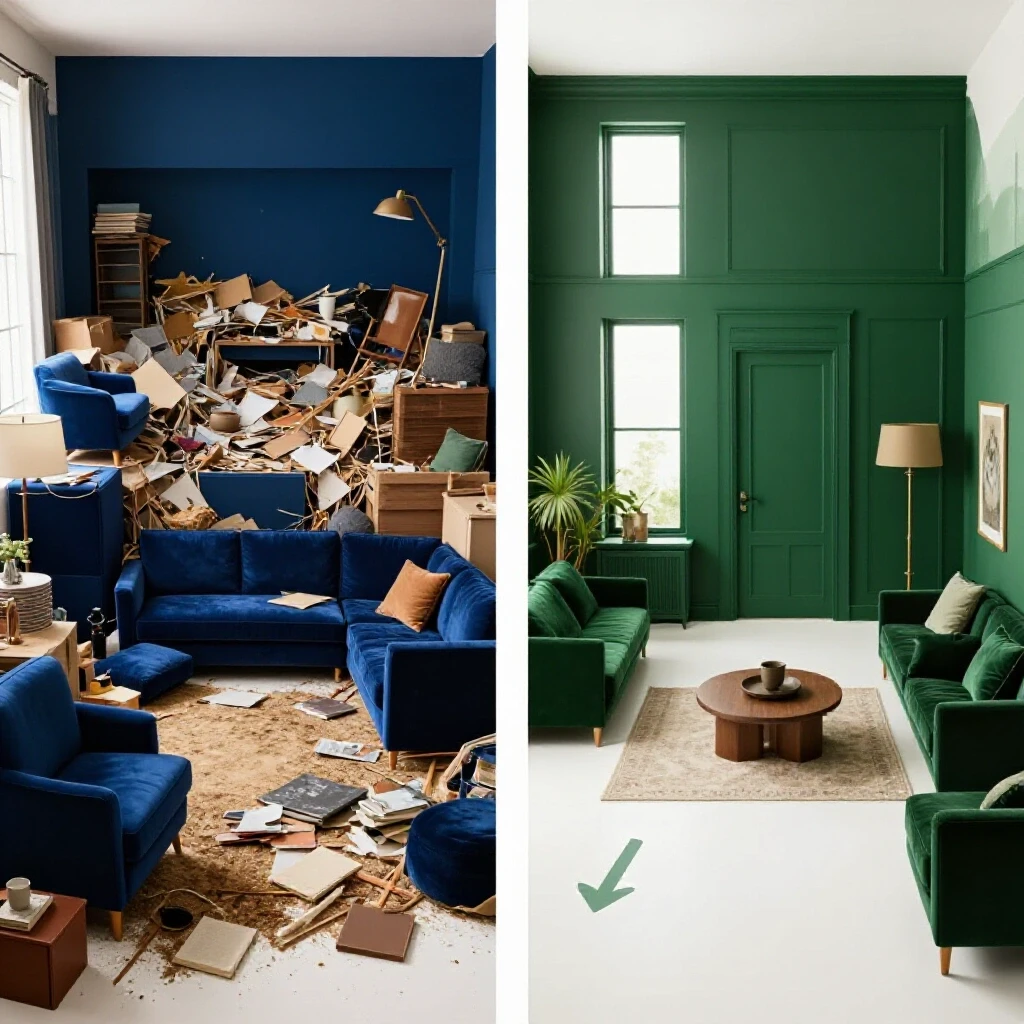
How do I manage the “box mountain” that accumulates after moving? Set a goal to break down five boxes every evening. This keeps the task manageable and prevents the clutter from becoming overwhelming. Once a week, take the flattened cardboard to a recycling center to clear the physical space.
What are “circulation paths,” and why are they important? Circulation paths are the natural walking routes people take between rooms and furniture. If these paths are blocked or too narrow (less than 30 inches), the home will feel cramped and frustrating to navigate. Keeping these paths clear is essential for a low-stress living environment.
(This article was written by one of our staff writers, Kevin Thompson. Visit our Meet the Team page to learn more about the author and their expertise.)