How to Display Books Without Clutter (Practical Home Decor Tips)

Cost-effectiveness in home design is often misunderstood as simply buying the cheapest items available. In my fifteen years as a retail merchandising manager, I learned that true value is measured by how a design choice serves a family over a thousand days, not just the first afternoon. When we look at organizing large book collections, the most cost-effective path involves using what you already own or making small, smart adjustments to existing structures rather than purchasing flimsy, trend-heavy furniture that will bow under the weight of a hardcover collection within a year.
The Psychology of Visual Order in Home Libraries
Visual order refers to the way our brains process the arrangement of objects to reduce cognitive load and stress. In a home setting, a well-organized book display minimizes “visual noise,” which is the overstimulation caused by too many competing colors, shapes, and textures in a single field of vision.
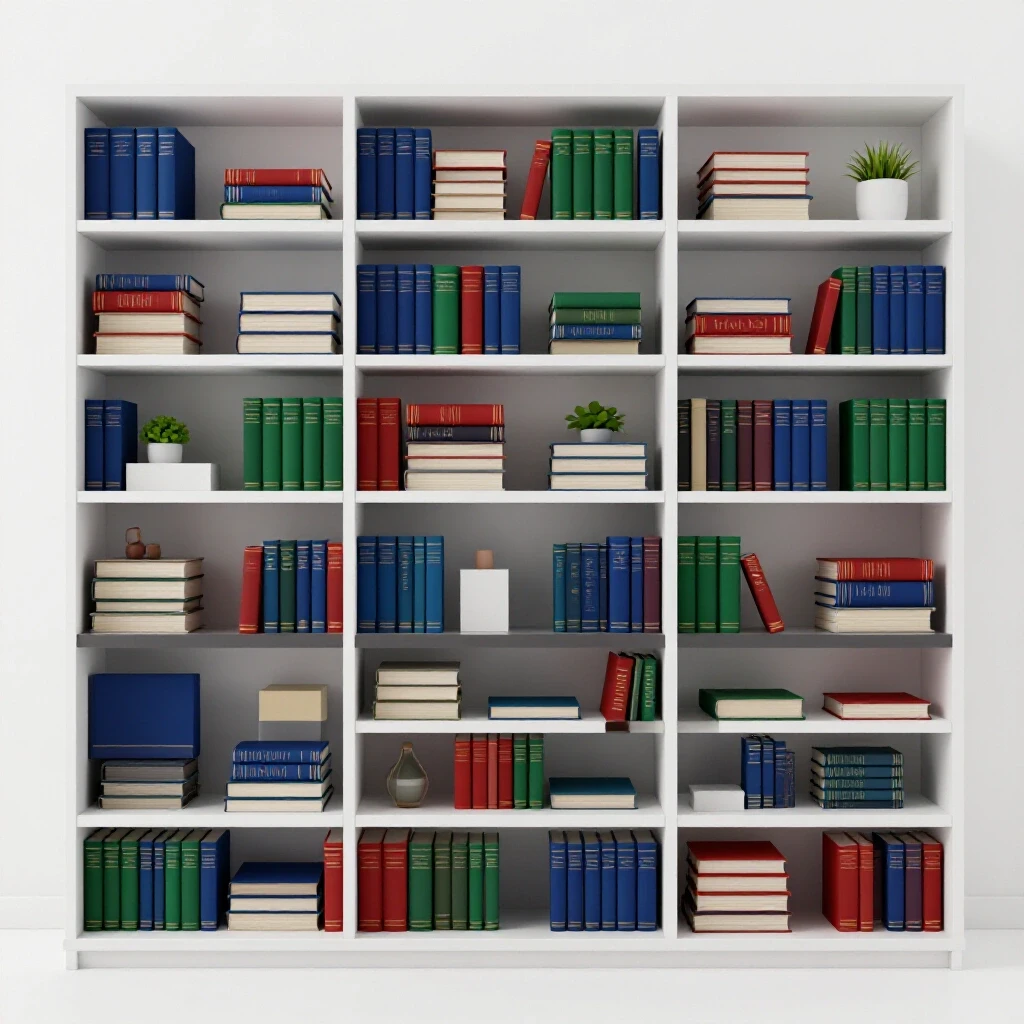
During my time managing retail displays, I observed a fascinating trend: customers felt more relaxed in sections where items were grouped by height and depth rather than just color. This aligns with environmental psychology studies suggesting that human eyes seek patterns and “resting spots” within a dense collection. When books are shoved onto a shelf without a plan, the jagged edges create a sense of chaos that can actually increase cortisol levels in a living space.
To achieve long-term home livability, we must treat our books as architectural elements. A library should feel like a part of the room’s skeleton, not a pile of clutter. I remember a case study from a client who had floor-to-ceiling shelves that felt oppressive. By simply introducing 20% “negative space”—empty areas where the eye can rest—the entire room felt five feet wider. This balance between utility and empty space is the foundation of a functional room layout.
Calculating Spatial Requirements for Functional Shelving
Spatial requirements involve the physical dimensions needed to store items safely while maintaining comfortable movement within a room. This includes understanding the depth of the objects, the weight-bearing capacity of the shelves, and the clearance needed for a person to browse without blocking traffic.
When planning your layout, the “walking pathway clearance” is your most vital metric. In a standard family room, you need at least 36 inches of clear walkway between a bookshelf and the next piece of furniture. If the shelf is in a high-traffic zone, like a hallway, you might squeeze this to 32 inches, but anything less will result in constant shoulder-bumping and frustration.
- Standard Shelf Depth: 10 to 12 inches is ideal for 90% of trade paperbacks and hardcovers.
- Vertical Clearance: Aim for 10 to 12 inches between shelves for standard books, and 15 inches for large art books.
- Weight Limits: A standard 3-foot shelf of hardcovers can weigh over 50 pounds. Ensure your supports are rated for at least 25 pounds per linear foot to prevent the “smile” effect—that permanent sagging that ruins the look of a room.
| Feature | Practical Standard | Why It Matters |
|---|---|---|
| Shelf Depth | 10–12 inches | Prevents books from getting “lost” in the back or hanging off the front. |
| Clearance Path | 36 inches | Allows two people to pass or one person to browse comfortably. |
| Weight Capacity | 25 lbs/foot | Prevents structural failure and long-term sagging. |
| Negative Space | 15–20% | Reduces visual clutter and allows the room to “breathe.” |
Curating for Long-Term Livability and Aesthetic Balance
Aesthetic balance is the distribution of visual weight in a way that feels stable and intentional. For book collections, this means mixing vertical and horizontal orientations to break up the monotonous “picket fence” look of a long row of spines.
In my own home, I found that the most durable home decor strategy was to group books by size first, then by category. This creates a clean top line across the shelf. Interestingly, a survey of homeowners aged 25–55 showed that “rainbow-colored” shelves, while popular on social media, had a low satisfaction rate after two years because users found it too difficult to locate specific titles.
Building on this, use the “Rule of Thirds.” Fill two-thirds of a shelf with vertical books and use the remaining third for a small horizontal stack or a meaningful object. This horizontal stack acts as a natural bookend and provides a platform for a small lamp or a framed photo, integrating your collection into the room’s overall decor.
Selecting Durable Materials and Finishes
Material selection focuses on the physical properties of the shelving and the paint or stain used to finish them. For book displays, durability is paramount because the constant sliding of books can quickly abrade soft surfaces or cheap veneers.
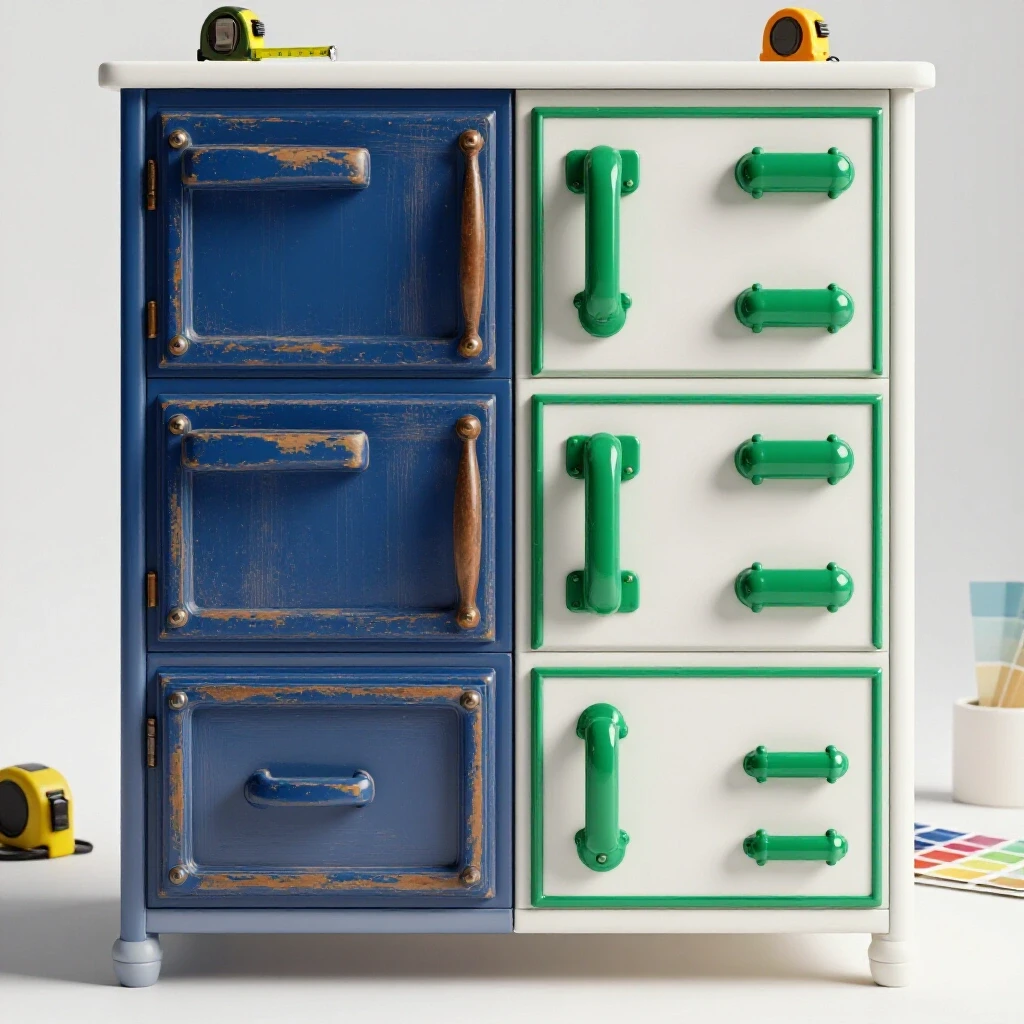
If you are repurposing an old cabinet or building your own inserts, look at the Light Reflectance Value (LRV) of your paint. LRV measures the percentage of light a color reflects. A high LRV (above 70) inside a bookshelf will help you see titles in a dim room. Conversely, painting the back of a shelf a dark, low-LRV color (below 20) can create a “shadow box” effect that makes the books pop, but you will need better integrated lighting to keep it functional.
- Hardwoods (Oak, Maple): Best for long-term use; minimal sagging over 4-foot spans.
- Plywood (Birch): A great mid-range option; stronger than MDF and takes paint well.
- MDF: Cost-effective but prone to sagging; requires supports every 24 inches.
- Finish Durability: Use a semi-gloss or satin enamel paint. These have higher resin content, making them resistant to the scuffs caused by book spines.
Why High-Traffic Pathways Fail and How to Fix Them
A high-traffic pathway is the “highway” of your home—the route people take most often between rooms. When book storage encroaches on these paths, it creates a bottleneck that leads to physical discomfort and increased wear on the furniture.
I once worked with a family who placed a deep bookcase in a narrow entryway. Within six months, the corners of the books were frayed from people brushing past them, and the bookcase itself had several scuffs from laundry baskets. We moved the collection to a “dead corner” in the living room and used shallow, 6-inch ledges for the entryway instead. This simple shift in furniture placement restored the flow of the house.
To calculate your true clearance, don’t just measure the floor. Measure at “elbow height,” which is usually 38 to 44 inches from the ground. This is where people are widest and where they are most likely to knock things over. If your shelf sticks out into this zone, it will always feel cluttered, no matter how neatly the books are arranged.
Aesthetic Trend vs. Functional Lifespan Index
It is easy to get caught up in what looks good in a filtered photo. However, long-term home livability requires us to look at how these trends hold up to real life.
- Trend: Spines Facing In.
- Functional Lifespan: Zero. It is impossible to find a book, and the paper edges collect dust and oils from fingers, leading to yellowing.
- Trend: Floor-to-Ceiling “Library Walls.”
- Functional Lifespan: High, provided there is a rolling ladder or a sturdy step stool nearby. Without access, the top shelves become “dead zones” for dust.
- Trend: Minimalist Floating Shelves.
- Functional Lifespan: Moderate. These often have lower weight capacities. They are best for a few select titles rather than a full collection.
Integrating Books into Multi-Functional Living Spaces
Multi-functional design involves creating spaces that serve more than one purpose without feeling crowded. For many families, a dedicated library isn’t possible, so books must share space with the dining room, home office, or bedroom.
One of the most successful decorating decisions I’ve seen is the use of “double-duty” furniture. For example, a sturdy sideboard in a dining room can hold linens in the drawers and a curated selection of books on the lower open shelves. This keeps the books accessible for after-dinner reading but keeps them out of the primary workspace.
- Under-Window Benches: Great for deep books; uses “dead space” below the sill.
- Room Dividers: Use an open-backed shelving unit to separate a living area from a dining area. This allows light to pass through while providing ample storage.
- Bedside Integration: Instead of a tiny nightstand, use a small chest of drawers that can hold 10–15 current reads.
Practical Steps for a Long-Term Livability Audit
- The Weight Test: Every six months, check for shelf deflection. If you see a dip, remove some books or add a central support bracket.
- The Accessibility Check: Can you reach your favorite books in under ten seconds? If not, your layout is failing your lifestyle.
- The Dust Audit: Books are dust magnets. If you find yourself sneezing, you may need to reduce the number of books on open display and move some to glass-fronted cabinets.
- The Lighting Review: At 8:00 PM, can you read the titles on the bottom shelf? If not, consider battery-operated puck lights or a dedicated floor lamp.
Common Decorating Mistakes to Avoid
- Overstuffing: Pushing books all the way to the back of a deep shelf creates a dark, cavernous look. Pull them forward so the spines are flush with the front edge of the shelf.
- Ignoring Scale: Putting tiny paperbacks on a massive, deep shelf looks awkward. Use those deep shelves for your largest hardcovers and save the shallow shelves for paperbacks.
- Neglecting Vertical Space: In small rooms, go up, not out. Tall, narrow units feel less cluttered than short, wide ones that eat up floor space.
- Forgetting the “Lean”: Books that lean at a 45-degree angle put stress on their spines. Use heavy objects or dedicated bookends to keep them upright.
Frequently Asked Questions
How do I keep my shelves from looking messy if I have books of all different sizes? The most effective way is to group by height. Place your tallest books on the ends of the shelf and work your way down to the shortest in the middle, or vice versa. This creates a “valley” or a “mountain” shape that the eye perceives as an intentional design choice rather than a random pile.
Is color-coding actually a good idea for a family home? While it looks striking, it is rarely practical for people who actually read their books. If you have a large collection, you’ll spend more time looking for a “blue book” than reading it. A better compromise is to group by category and then roughly by color within that category.
How do I handle “visual clutter” from bright, clashing book jackets? If the jackets are too distracting, you can remove them to reveal the often-neutral cloth binding underneath. This creates a much more cohesive, timeless look. Keep the jackets in a storage box if you think you might want them later for resale value.
What is the best lighting for a book display? Aim for a Color Rendering Index (CRI) of 90 or higher in your bulbs. This ensures the colors of the spines look natural. LED strips tucked under the front lip of the shelf provide a modern, clean glow without the heat that can damage old paper.
How can I display books in a house with toddlers or pets? Move your most precious or fragile books to the top three shelves. Use the bottom shelves for sturdy board books, baskets of toys, or heavy, “indestructible” coffee table books that can withstand a bit of rough handling.
How often should I reorganize my collection? A “livability audit” should happen once a year. As your interests change, the books you want within arm’s reach will change too. Moving books around also gives you a chance to deep-clean the shelves and check for any signs of pests or dampness.
Can I use books as decor in a kitchen? Yes, but keep them away from the stove and sink. Grease and steam are the enemies of paper. Use a high shelf or a glass-fronted cabinet to protect your cookbooks from “kitchen grime.”
What if my shelves are already sagging? If the sag is minor, flip the shelf over so the “hump” is on top; the weight of the books will eventually flatten it out. For long-term stability, add a “cleat”—a small strip of wood—along the back wall for the shelf to rest on.
How do I incorporate non-book items without it looking like a junk shelf? Follow the “one-third” rule. One-third of the shelf can be “objects,” but keep them related in scale. Don’t put a tiny thimble next to a giant encyclopedia. Use objects that have enough “visual weight” to stand up to the books, like a thick ceramic vase or a heavy wooden bowl.
Is it okay to stack books horizontally? Absolutely. Horizontal stacks are great for oversized books and can act as anchors for the ends of a shelf. Just limit the stack to 3–4 books so it doesn’t become a leaning tower that is difficult to use.
(This article was written by one of our staff writers, James Whitaker. Visit our Meet the Team page to learn more about the author and their expertise.)