How to Use Open Shelf Space for Visual Calm in Home Organization (Guide)

My goal is to help you build a home environment that stops fighting against your daily routine. As someone who has spent over a decade in operations and logistics, I have seen how even the most efficient warehouses fail if they are over-capacity. For years, I applied this logic to my own home, yet my family still struggled with a cycle of cleaning followed by immediate clutter. I realized that our storage systems were too dense, leaving no room for the natural flow of daily life. By intentionally leaving portions of our shelving and surfaces empty, I discovered a way to reduce the mental weight of a busy household and create a system that actually sticks.
Understanding Spatial Logistics and the Cost of High-Density Storage
Spatial logistics refers to the way objects move through a home and how the physical layout dictates the speed of that movement. When every square inch of a shelf is occupied, the “friction” of putting an item away increases because you must move something else to make it fit.
In my professional life, I manage flow rates and bottleneck points. In my home, I realized my bookshelves and kitchen counters were major bottlenecks. We were treating our shelves like long-term storage units rather than active staging areas. Research in environmental psychology suggests that when a person’s visual field is saturated with objects, the brain struggles to prioritize information. This leads to that familiar feeling of looking at a cluttered room and not knowing where to start. By treating our shelves as finite resources that should never be 100% full, we allow the eye to rest and the hands to move freely.
The Strategy of Intentional Open Areas
Intentional open areas are designated sections of shelving or furniture surfaces that are purposefully kept clear of any objects. This approach shifts the focus from “how much can I fit?” to “how much space do I need to feel calm?”
When I first started this transition, my wife and I were skeptical. We had three young children and felt we needed every bit of storage we could get. However, we found that the “empty” spaces acted as a visual buffer. Interestingly, when a shelf is only 70% full, the items on it look like they belong there rather than like they are overflowing. This visual peace of mind isn’t just about looks; it is about reducing the cognitive load of processing a messy environment.
Why Visual Density Impacts Daily Function
Visual density is the amount of “stuff” your brain has to process when you look at a room. High density often triggers a sense of being overwhelmed, even if the items are technically organized into bins.
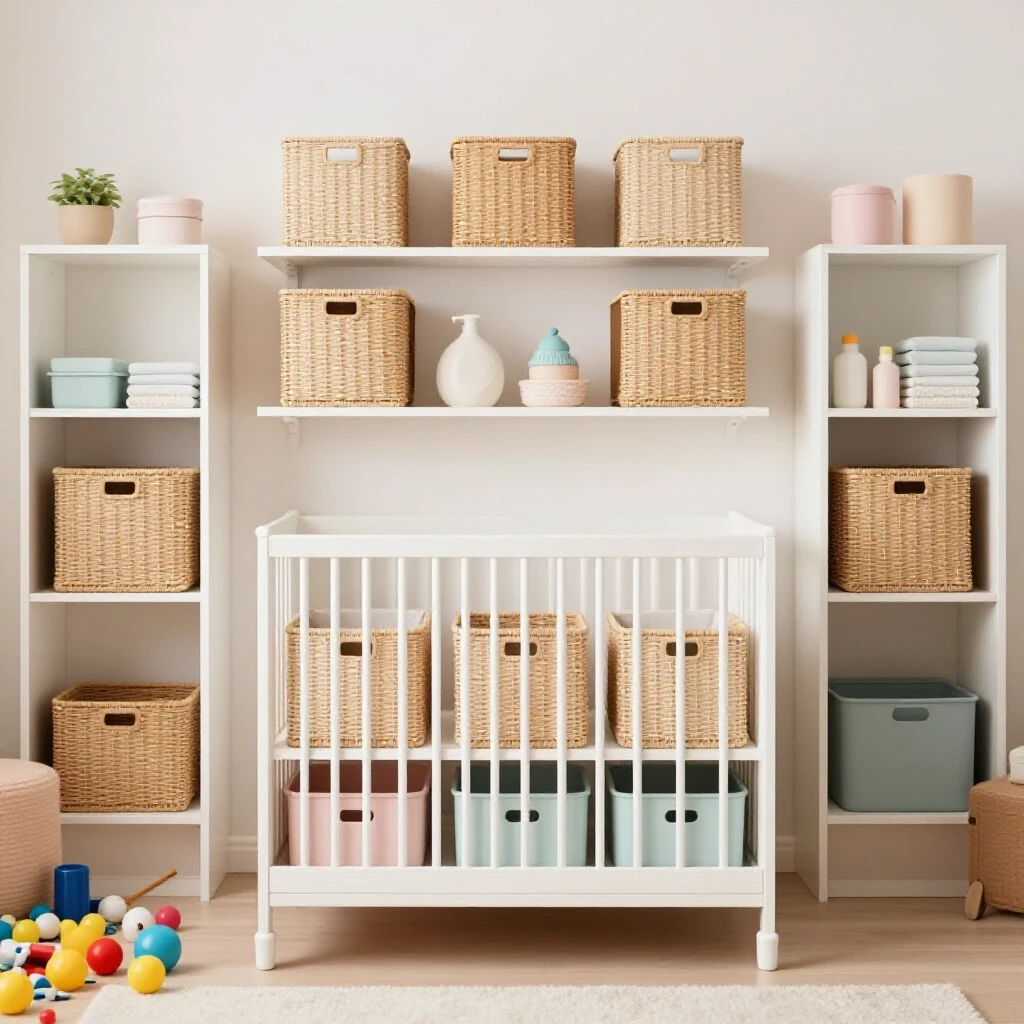
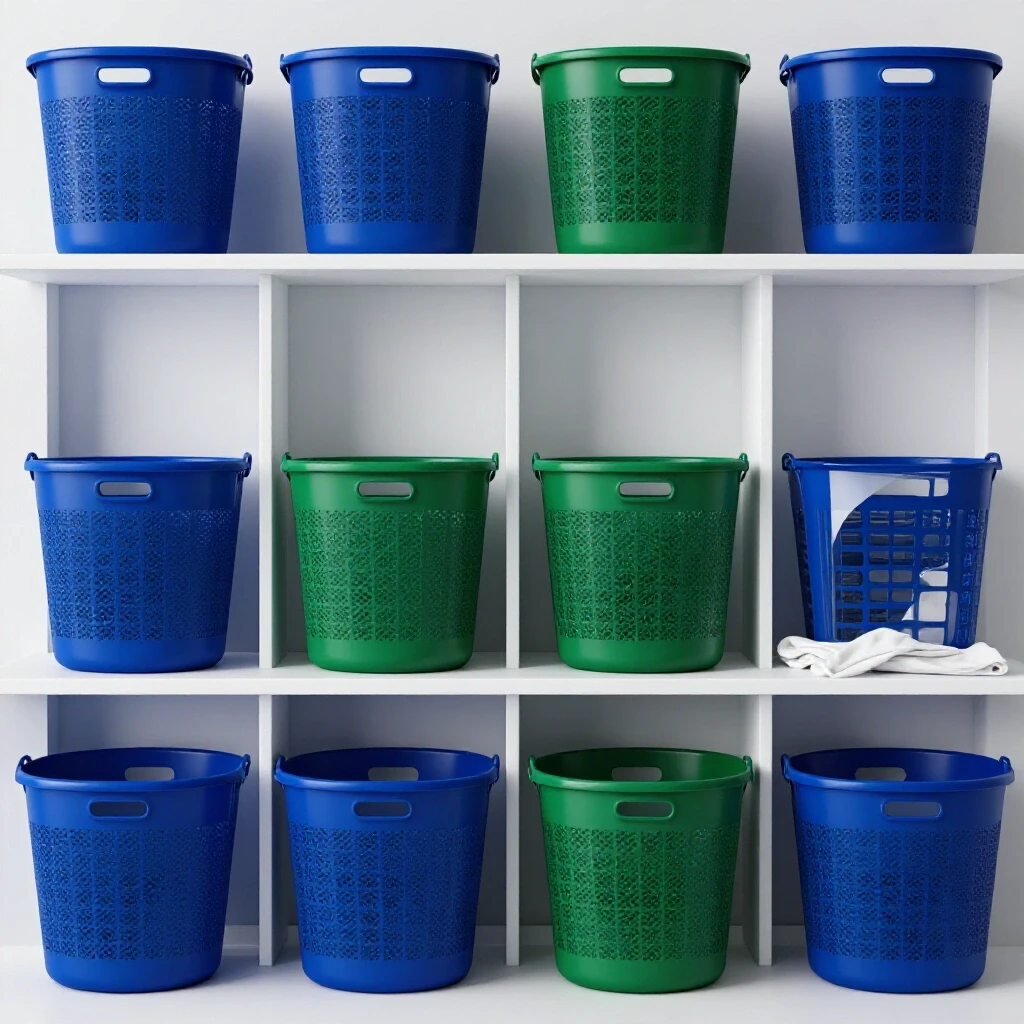
In our home, we had a wall of cubby bins. On paper, it was a great system. In reality, the bins were so packed that the kids couldn’t pull one out without three others shifting. We reduced the number of bins by 30%, leaving the top row of the shelving unit completely empty. This simple change made the entire room feel larger and less chaotic. It also made it easier for the kids to see exactly where their toys went because the empty space served as a clear boundary.
Reducing Retrieval Friction for Busy Families
Retrieval friction is the number of physical steps or mental decisions required to get an item out or put it away. High-friction systems, like nested bins or shelves with items stacked three deep, are the primary reason organization fails in active homes.
Building on this concept, consider the “one-handed rule.” If you cannot put an item away with one hand in under five seconds, the system is too complex. By leaving open space on your shelves, you eliminate the need to “shuffle” items. You can simply place the object in its designated zone. This reduction in friction is vital for parents who are often multitasking and don’t have the time for a multi-step filing process for a simple pair of scissors or a TV remote.
Designing a Low-Maintenance Zoning Map
A zoning map is a mental or physical layout of your home that assigns specific functions to different areas based on frequency of use. Effective zoning ensures that high-traffic items are the easiest to reach and have the most open space surrounding them.
I developed a zoning map for our living room after noticing that the coffee table was always covered in mail, homework, and coffee mugs. We designated the coffee table as a “zero-occupancy zone” at the end of every day. To make this work, we had to create “landing zones” on nearby shelves that were 50% empty. These empty spots provided a temporary home for items that weren’t ready to be put away permanently but needed to be off the main surface.
The 70% Capacity Rule for Sustainable Order
The 70% capacity rule states that no shelf, drawer, or closet should ever be more than 70% full. The remaining 30% is “operational slack” that allows for new items or temporary displacement without causing a system-wide collapse.
- 0-70% Full: High efficiency, low stress, easy maintenance.
- 71-90% Full: Moderate friction, requires frequent “re-organizing” to keep tidy.
- 91-100% Full: System failure, high stress, items will inevitably end up on the floor or counters.
By maintaining this 30% buffer, we found that our weekly “reset” took 15 minutes instead of two hours. We weren’t fighting for space; we were simply returning items to their generous homes.
Comparing Storage Friction and Maintenance Needs
To understand why some systems fail while others succeed, I tracked the time it took my family to maintain different types of storage over a month.
| Storage Type | Retrieval Steps | Sorting Time (Avg) | Visual Density | Maintenance Level |
|---|---|---|---|---|
| Lidded Bins (Stacked) | 4-5 steps | 45 seconds | High | High |
| Open Shelves (100% Full) | 2-3 steps | 20 seconds | Very High | Moderate |
| Open Shelves (70% Full) | 1 step | 5 seconds | Low | Very Low |
| Deep Drawers | 2 steps | 15 seconds | Moderate | Moderate |
As the table shows, the “one-step” retrieval of a partially empty shelf drastically reduces the time spent sorting. This is the logistical secret to a home that stays tidy.
Implementing the Open-Shelf Framework
The open-shelf framework is a step-by-step process for clearing out excess and intentionally leaving gaps in your storage units. It requires a shift in mindset from “filling the void” to “valuing the void.”
We started in our kitchen. We removed all the items from the counters and only put back the three things we used daily. The remaining space was left open. At first, it felt like we were wasting space. But within a week, we noticed that we were cooking more and cleaning up faster because we didn’t have to move a toaster and a blender just to chop an onion.
The Audit and Purge Process
An audit is a systematic review of every item in a specific zone to determine its utility and frequency of use. A purge is the physical removal of items that do not meet the criteria for that zone.
- Empty the entire unit: Do not try to organize one shelf at a time. Clear it all.
- Categorize by frequency: Daily use, weekly use, and seasonal.
- Apply the 70% limit: Only return the items that fit within 70% of the shelf’s volume.
- Prioritize the “Eye-Level” shelf: Keep the shelf at eye level the most open to maximize the feeling of visual peace.
Habit Loops for Maintaining Negative Space
A habit loop is a three-part process: a cue, a routine, and a reward. To maintain open spaces, you need a habit loop that prevents “clutter creep,” where items slowly begin to fill the empty gaps.
Our family uses the “Daily Sweep” as our routine. The cue is finishing dinner. The routine is walking through the main living areas and clearing any items that have landed in our “intentional open spaces.” The reward is a calm, clear environment for the evening. Because the shelves have 30% slack, putting these items away is fast and doesn’t require complex decision-making.
Tactical Tools for Visual Organization
While the goal is to have less “stuff,” the tools you use to hold the remaining items can either help or hinder your progress. In logistics, we look for tools that provide high visibility and low access barriers.
- Clear Dividers: Use these to create “parking spots” for items on a shelf, ensuring they don’t migrate into the empty space.
- Shelf Risers: These allow you to use vertical space without stacking items on top of each other.
- Uniform Containers: Using the same style of basket (but fewer of them) reduces visual “noise” and helps the brain process the room faster.
- Shadow Mapping: For kids’ areas, placing a small sticker where an item belongs helps them respect the boundaries of the open space.
Overcoming the Fear of “Wasted” Space
Many people struggle with the idea that an empty shelf is a waste of money or square footage. However, in operations, we view empty space as “throughput capacity.”
Think of your home like a highway. If a highway is 100% full of cars, nobody moves. You need empty space between the cars for traffic to flow. Your home is the same. Those empty patches on your bookshelves are the “lanes” that allow your life to move without getting stuck in a traffic jam of belongings. When I explained this to my children, they stopped seeing the empty shelf as a place to put a new toy and started seeing it as the “breathing room” for the room.
Practical Steps to Get Started Today
You do not need to overhaul your entire house in one weekend. In fact, doing so often leads to burnout. Instead, focus on “micro-zones” where you can experience the benefits of open space immediately.
- The 24-Hour Clear-Out: Pick one single shelf in a high-traffic area. Remove everything. Clean it. Only put back 50% of what was there. Leave it that way for 24 hours and notice how you feel when you walk past it.
- The “One-In, One-Out” Rule: To maintain your 30% buffer, every time a new item enters the home, an old one must leave. This keeps your spatial density stable.
- The Evening Surface Reset: Before bed, ensure your designated “zero-occupancy” surfaces (like the kitchen island or coffee table) are completely clear.
By focusing on these small, manageable changes, you build the “muscle memory” needed for a larger organizational shift. The goal isn’t to live in a museum; it is to live in a home that supports your life rather than draining your energy.
FAQ: Common Questions About Intentional Open Space
How do I decide which items to get rid of to make room for empty space? Focus on “retrieval frequency.” If you haven’t used an item in the last six months, it shouldn’t occupy “prime real estate” on your open shelves. Move it to deep storage or donate it.
Won’t empty shelves just collect dust? Actually, empty shelves are much easier to clean. A quick swipe with a cloth takes seconds when you don’t have to move twenty small knick-knacks.
My spouse/partner hates “empty” looks. How do I compromise? Suggest a trial period for one specific area, like a bookshelf in the office. Once they experience how much easier it is to find things and how much calmer the room feels, they are usually more open to the idea.
What if I live in a very small apartment? In small spaces, negative space is even more critical. Overfilling a small room makes it feel cave-like. Using vertical storage but keeping the top 20-30% empty can make the ceilings feel higher and the room feel more expansive.
How do I stop my kids from filling the empty spots with their toys? Make the “empty zone” a rule, just like “no shoes on the couch.” Explain that the shelf needs “room to breathe.” Giving them their own designated “overflow bin” can also help catch the items that would otherwise end up on the shelf.
Is this the same as minimalism? Not necessarily. You can still own many things, but you store them more strategically. This is about spatial management and reducing visual friction, not necessarily about owning the bare minimum.
What should I do with the items I remove? Categorize them into “Store Elsewhere,” “Donate,” or “Discard.” Often, we keep things on shelves just because we don’t know where else to put them. Find a “low-value” storage area (like a garage or high closet) for items you only use once a year.
How do I handle sentimental items that I want to display? Rotate them. Instead of displaying ten photos, display three and leave space around them. Every few months, swap them out. This keeps the display fresh and prevents visual clutter.
Does this work for kitchen pantries? Yes. A pantry with space between items allows you to see your inventory at a glance, which prevents you from buying duplicates and saves money.
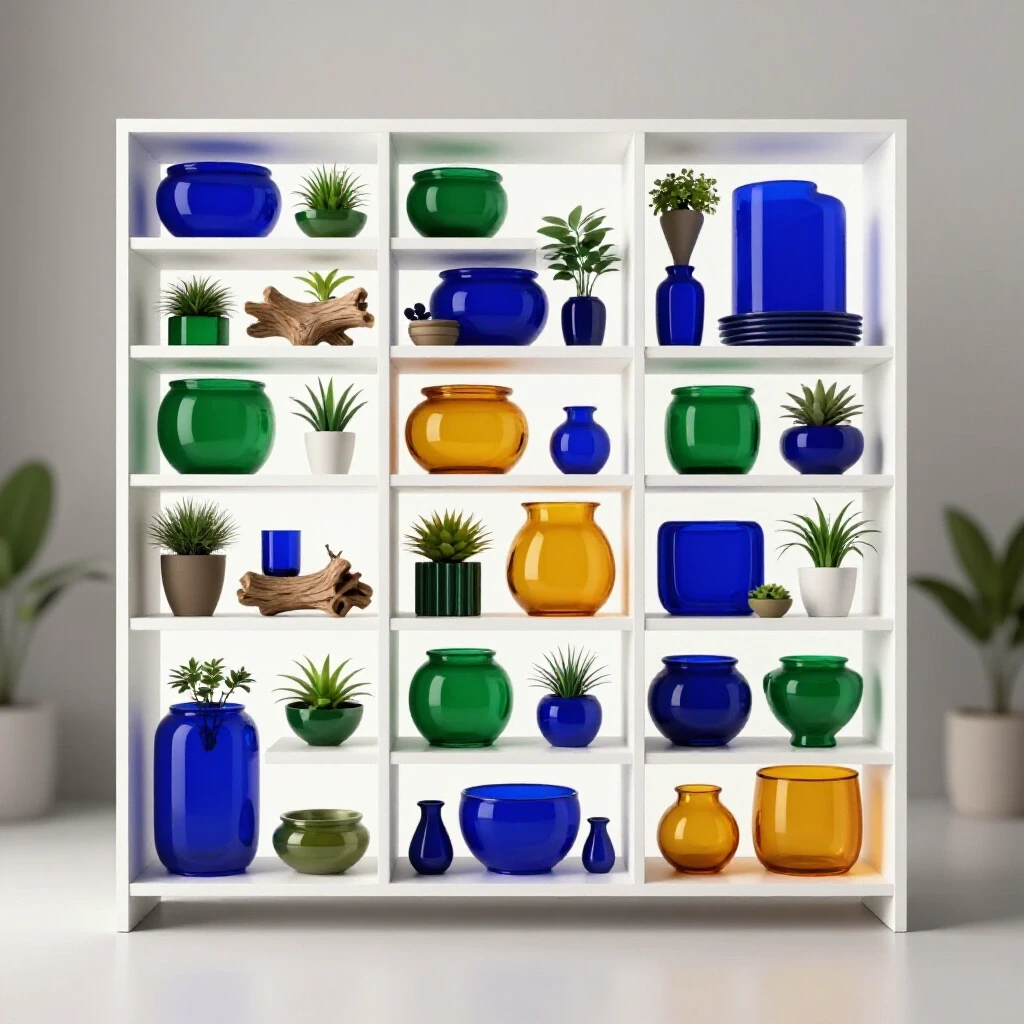
What if my shelves are built-in and very large? Use “grouping.” Place items in small clusters and leave significant gaps between the clusters. This creates a rhythmic, organized look that is very pleasing to the eye.
How long does it take to see the psychological benefits? Most people report a sense of “lightness” or reduced stress within 48 hours of clearing a major visual surface. The key is to keep that surface clear to reinforce the habit.
Can I use decor in the open spaces? The goal is to have “negative space,” which means nothing at all. If you put a vase in the empty spot, it is no longer empty. Try to keep at least some sections completely bare to achieve the full visual benefit.
(This article was written by one of our staff writers, Christopher Bennett. Visit our Meet the Team page to learn more about the author and their expertise.)