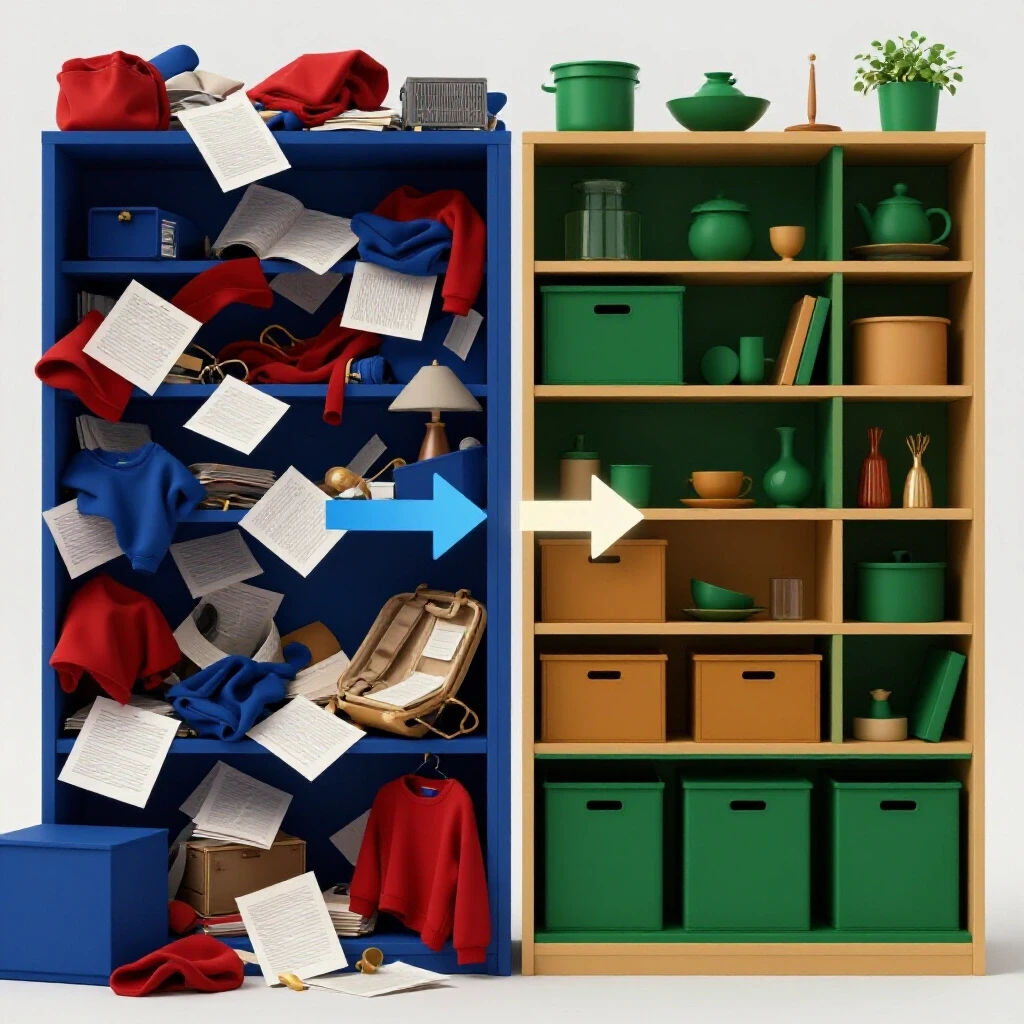
How to Declutter by Selling and Donating for More Space (Guide)

Imagine your home is a professional warehouse where every square foot carries a high monthly rent. In a warehouse, if the aisles are blocked by excess stock that no one is buying, the entire operation slows down, workers get frustrated, and mistakes happen. Our homes function exactly the same way. When we allow physical items to overflow their designated boundaries, we are essentially paying a “stress tax” on our living space. Over the last 11 years, I have applied the same logistics principles I use at work to my own family’s living environment. I discovered that the secret to a manageable home isn’t found in buying more containers, but in drastically reducing the volume of items we manage to match the actual capacity of our rooms.
The Psychological Impact of High-Density Living Environments
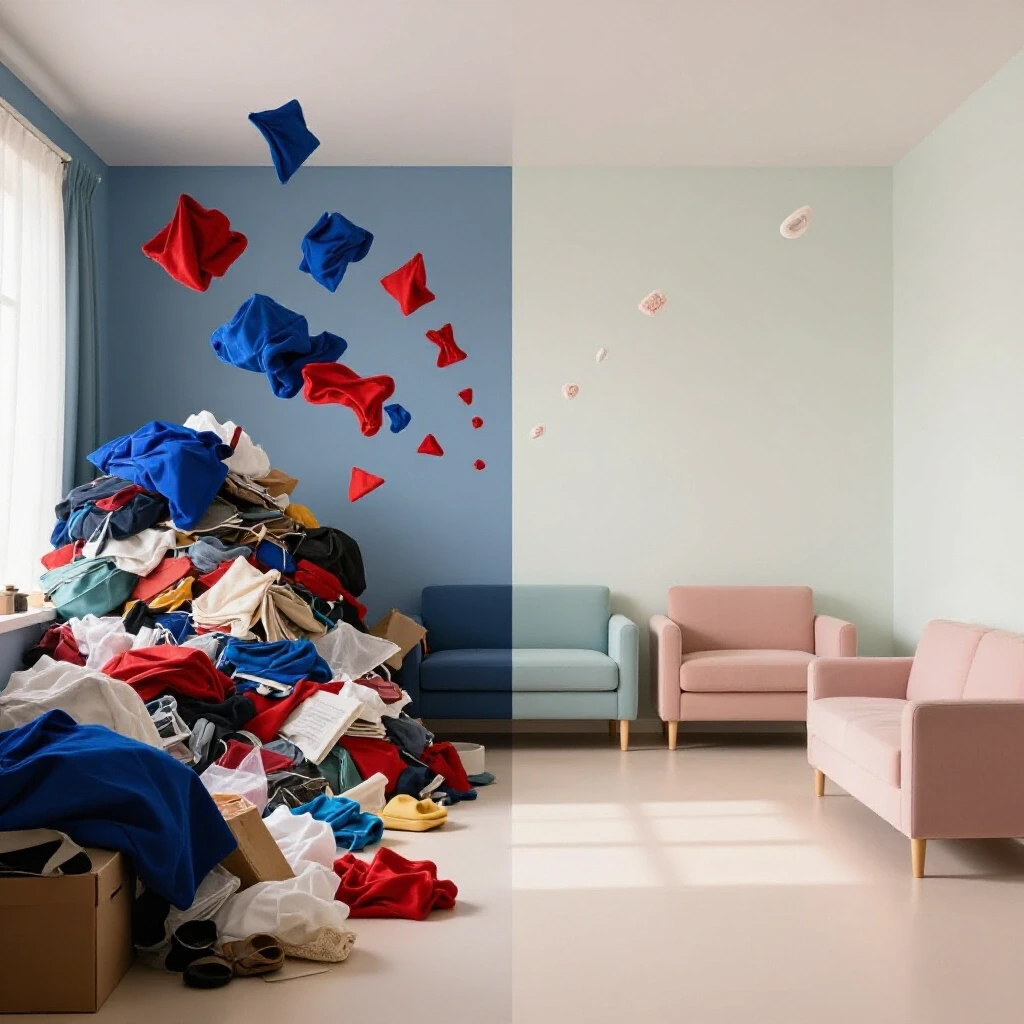
Visual processing overload occurs when the brain is forced to scan and categorize too many objects at once, leading to a measurable increase in cortisol levels. This phenomenon explains why a room filled with “stuff” feels heavy and exhausting, even if you aren’t currently cleaning it.
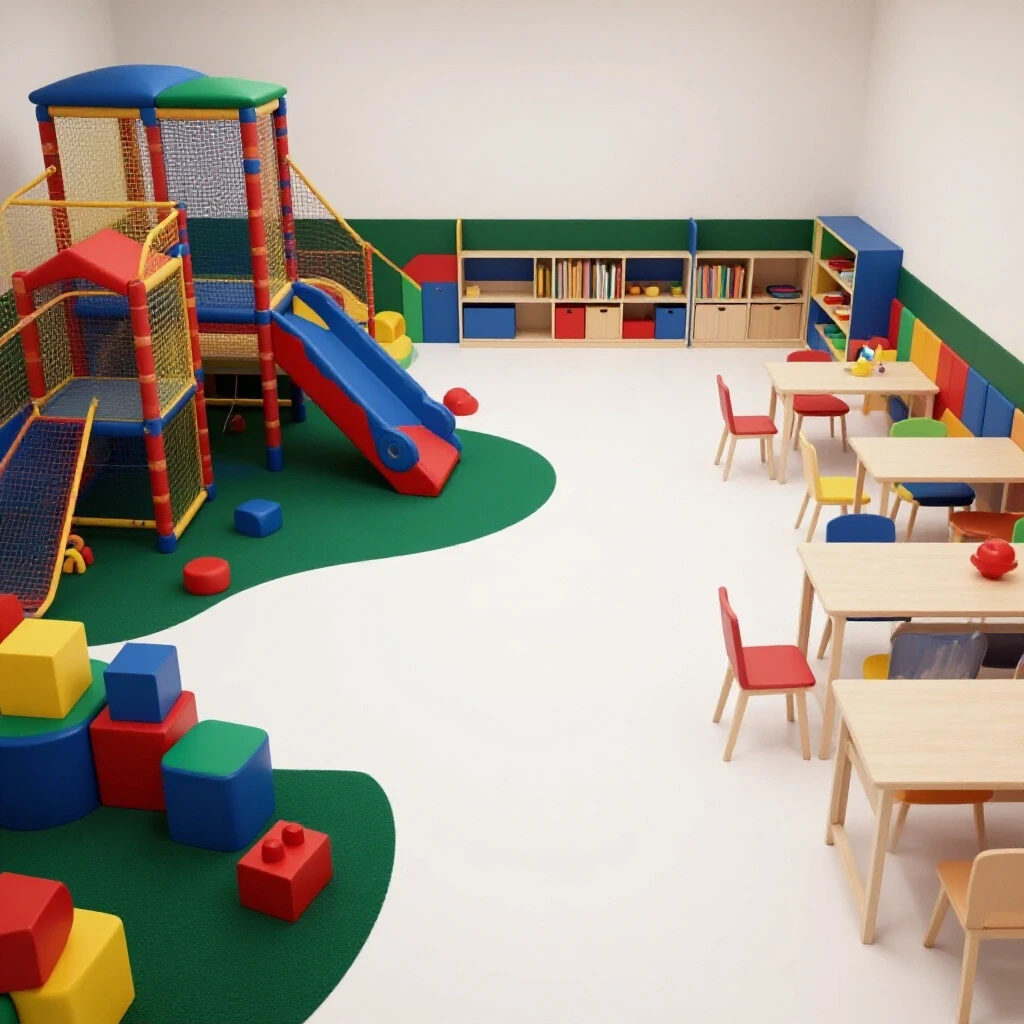
Research in environmental psychology journals suggests that our brains are hardwired to seek order in our immediate surroundings. When we reduce the number of items in a room through donation or removal, we decrease the cognitive load required to navigate that space. I noticed this firsthand with my children. In our old playroom, we had hundreds of toys crammed into deep bins. The kids would dump everything out just to find one car, creating a massive cleanup task every evening. By thinning the inventory to only what fit on two open shelves, the “cleanup friction” vanished. The children could see every item, play with it, and return it in seconds. We didn’t need more storage; we needed less inventory.
Understanding Spatial Capacity Limits
Spatial capacity is the maximum amount of volume a room can hold while still remaining fully functional for its intended purpose. Most families operate at 95% to 100% capacity, leaving no “buffer” for daily life, which leads to immediate clutter reversion.
| Space Type | Recommended Capacity | Purpose of Buffer |
|---|---|---|
| Entryway/Mudroom | 60% | Accommodates guest items and seasonal shifts |
| Kitchen Counters | 20% | Provides “landing zones” for meal prep |
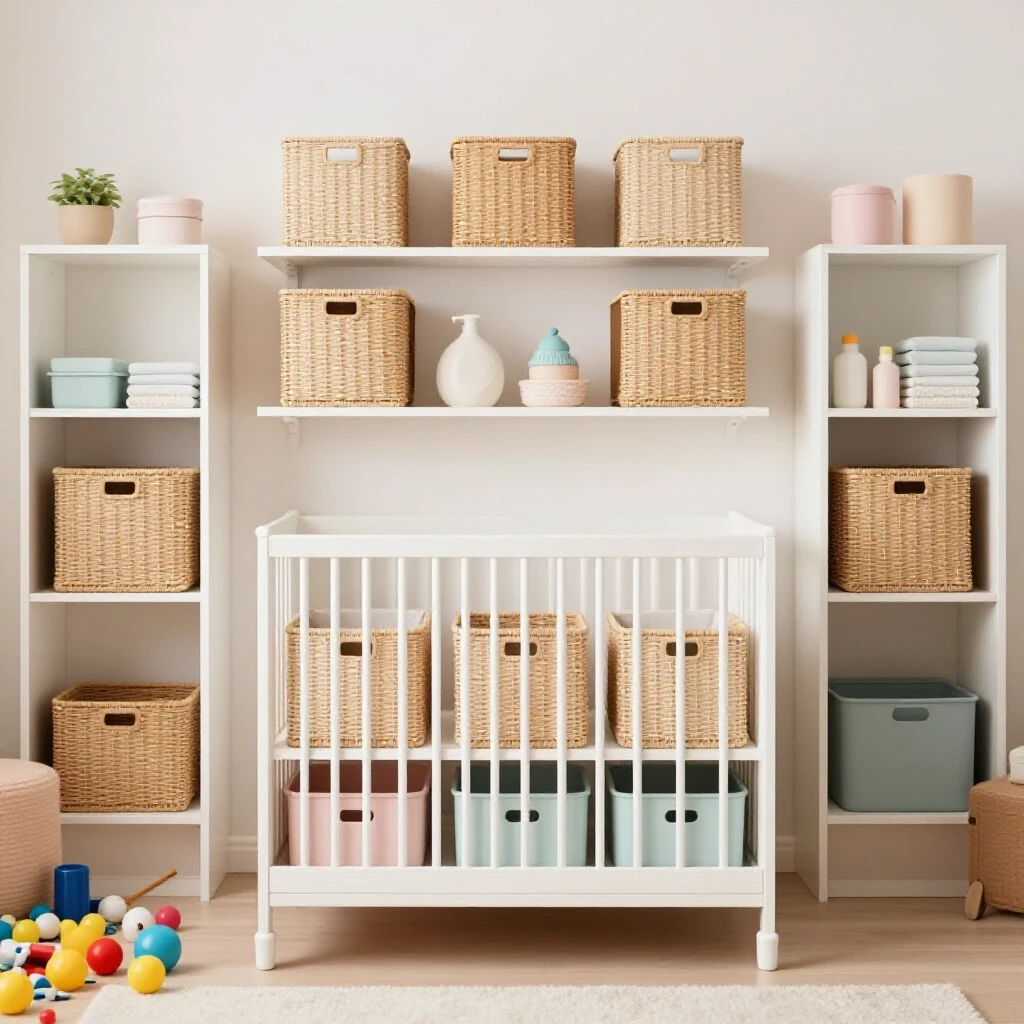
| Kids’ Toy Storage | 70% | Allows for easy retrieval without dumping bins |
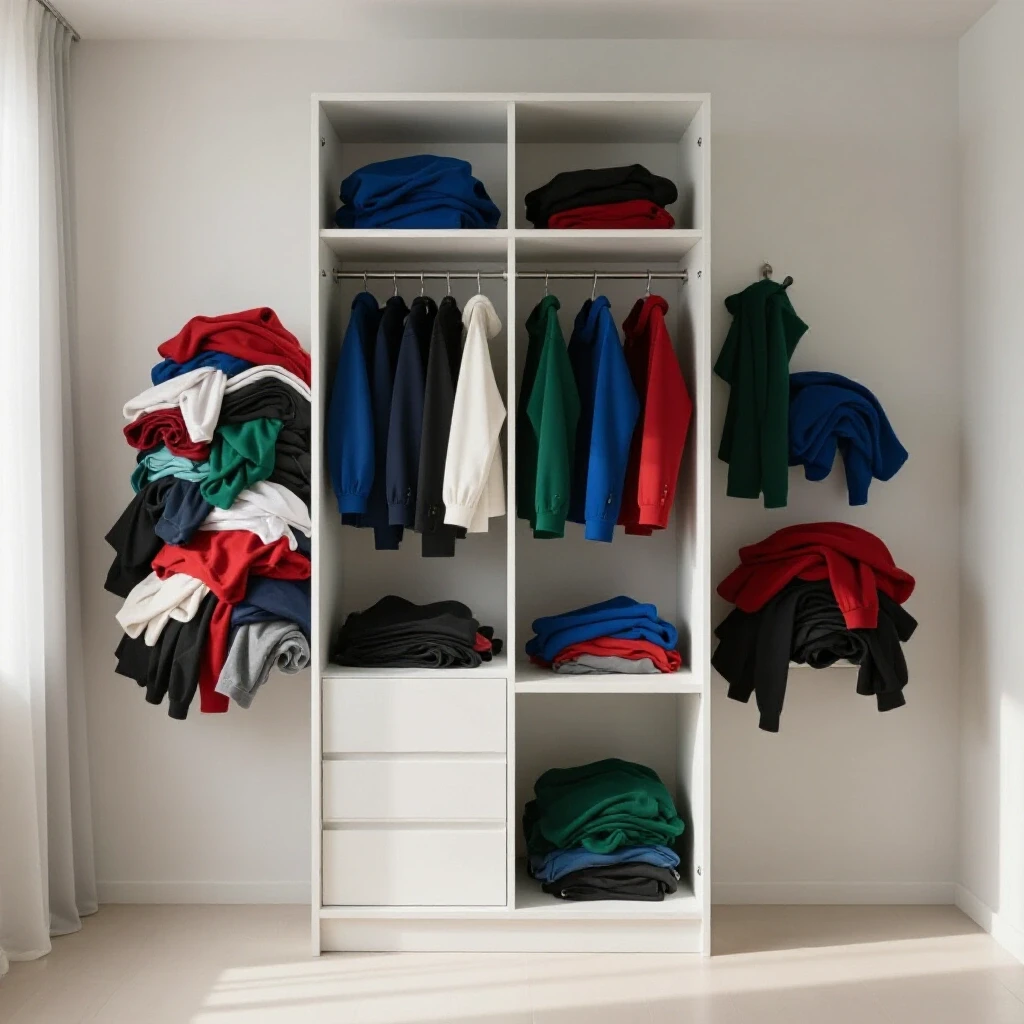
| Bedroom Closets | 75% | Prevents wrinkling and allows for visibility |
In my own home, I realized we were treating every shelf like a Tetris game, trying to fit as much as possible. This was a logistical error. In a warehouse, you never fill a rack to 100% because you can’t get the items back out efficiently. By adopting a 75% rule—where no shelf or closet is more than three-quarters full—we created the physical “breathing room” necessary to maintain order without constant effort.
Implementing a High-Efficiency Sorting Framework
A sorting framework is a logical process used to categorize items based on their utility and frequency of use rather than their emotional value. This method removes the “decision fatigue” that often stalls home organization projects.
When my family began our largest inventory reduction project, we stopped asking, “Is this still good?” and started asking, “Does the value of this item exceed the value of the square footage it occupies?” This shift in perspective is vital. Every item in your home is “paying rent” in the form of your time and energy. If an item isn’t used frequently, it is a non-performing asset that needs to be moved out. We used a simple “Logistics Sorting Log” to track our progress and ensure we weren’t just moving piles from one room to another.
The 30-Second Retrieval Rule
The 30-second retrieval rule states that any frequently used item in the home should be reachable and ready for use within thirty seconds or less. If it takes longer, the storage system is too complex or the area is too crowded.
- Step 1: Identify “High-Velocity” Items. These are things you touch daily, like keys, coffee mugs, or school bags.
- Step 2: Measure Retrieval Friction. Count the steps and “touches” required to get the item. Opening a closet door, moving a box, and unlatching a lid equals three touches.
- Step 3: Reduce Touches. Aim for one or two touches for high-velocity items. This often means removing excess items from the front of the shelf so the target item is accessible.
By applying this to our kitchen, we donated half of our small appliances. Interestingly, the kitchen didn’t just look better; it became faster to cook in. We no longer had to move the heavy mixer to get to the toaster. The “cost” of those donated items was far lower than the “value” of the time we saved every morning.
Designing Functional Zoning Maps for Busy Households
Zoning is a spatial management technique where a home is divided into specific areas based on the “workflows” of the people living there. Effective zoning ensures that items are stored exactly where the action associated with them occurs.
In my professional life, we call this “point-of-use” storage. If a worker has to walk across a warehouse to get a roll of tape, that’s wasted movement. In a home, if your kids have to go upstairs to put away their backpacks, those backpacks will end up on the kitchen floor every single time. We redesigned our entryway using a “Low-Friction Zone” model. We removed a decorative table that served no purpose and replaced it with simple wall hooks at the children’s height. By removing the obstacle of “opening a closet” and “finding a hanger,” we reduced the cleanup time for the after-school rush from ten minutes to thirty seconds.
Mapping Your Home’s Flow Rates
Flow rate refers to the speed at which items enter, move through, and exit your home on a daily basis. High-traffic areas require lower item density to prevent bottlenecks.
- Entry/Exit Zones: These have the highest flow rates. Keep these areas at 50% capacity to handle the “inflow” of mail, groceries, and gear.
- Activity Zones: Kitchens and home offices. Items here should be stored based on the frequency of the task.
- Deep Storage: Basements or high shelves. These are for “low-velocity” items used once a year. If these areas are full, you cannot move items out of your active living zones.
| Zone Type | Daily Interaction | Density Goal | Maintenance Frequency |
|---|---|---|---|
| Primary (Kitchen/Entry) | 10+ times | Low (40-50%) | Daily (5 mins) |
| Secondary (Living/Bath) | 3-5 times | Medium (60-70%) | Weekly (15 mins) |
| Tertiary (Closets/Garage) | <1 time | High (80%) | Monthly (30 mins) |
Reducing System Friction in Family Storage
System friction is the physical and mental resistance encountered when trying to maintain an organization system. High-friction systems, like color-coded toy bins with lids, almost always fail in busy households because they require too much effort to sustain.
I once spent an entire weekend setting up a complex filing system for our mail and school papers. It looked beautiful, but it failed within three days. Why? It required me to open a drawer, find a folder, and hole-punch the paper. That is a high-friction system. I replaced it with a simple open-top “Action Tray” for things needing immediate attention and a “Recycle Bin” right next to it. We reduced the number of steps, and the paper clutter disappeared. When you reduce the volume of items you own, you can afford to use these simpler, low-friction systems because you aren’t trying to hide a mountain of clutter.
Why Open Storage Often Wins Over Bins with Lids
In logistics, we prefer “open-faced” picking bins because they allow workers to see inventory levels at a glance and grab what they need without extra movements.
- Visual Cues: Open bins allow family members to see exactly where things go, reducing the “Where does this go?” questions.
- One-Handed Operation: If you can’t put an item away with one hand, the system is likely too complex for a child or a tired professional.
- Inventory Awareness: It is harder to overstuff an open shelf without it looking messy, which acts as a natural signal that it’s time to donate more items.
When we cleared out our linen closet, we removed the bulky plastic bins and just stacked the towels directly on the shelves. This saved us three inches of horizontal space per shelf and made it impossible to hide old, tattered towels we no longer used. The “Value of Space” became apparent when we could actually see the back wall of the closet.
Establishing Sustainable Habit Loops for Long-Term Order
A habit loop is a three-part process consisting of a trigger, a routine, and a reward that helps automate daily maintenance tasks. Without these loops, even the best spatial design will eventually succumb to new clutter.
The most effective habit loop we implemented was the “Reset to Zero” routine. Every night before bed, we spend exactly ten minutes as a family returning the “Primary Zones” to their baseline state. Because we have reduced our total household inventory by about 30%, this “Reset” is fast. We aren’t “organizing”—we are just putting a few items back in their very obvious, low-friction homes. The reward is waking up to a clear kitchen counter and a functional entryway, which significantly reduces morning stress and decision fatigue.
Measuring Success Through Daily Maintenance Metrics
To see if your inventory reduction is actually working, you should track how much time you spend “managing” your home versus “living” in it.
- The 10-Minute Reset: If a daily whole-house reset takes longer than 10-15 minutes for a family of four, you still have too much inventory or too much system friction.
- The “One-In, One-Out” Metric: For every new item that enters the house, one item must be donated. This keeps your spatial capacity stable.
- Sorting Speed: Time yourself while putting away groceries. If it takes more than 5 minutes to find a spot for everything, your pantry density is too high.
By focusing on these metrics, I stopped feeling like I was failing at being “organized” and started seeing it as a simple matter of volume control. We didn’t need to be more disciplined; we just needed to manage fewer objects.
Creating a Low-Maintenance Future
The ultimate goal of reclaiming your home’s square footage is to create a space that serves your family rather than one that demands your constant labor. By viewing your home through the lens of logistics and spatial utility, you can break the cycle of “organize, clutter, repeat.”
Start by identifying one “bottleneck” area—the place where clutter always seems to land first. Instead of buying a new bin for it, try removing 50% of the items currently stored in that vicinity. Notice how the “vibe” of the room changes when there is more empty space than occupied space. This is the true value of an intentional home: the peace that comes from having exactly what you need, exactly where you need it, with the room to actually breathe.
Common Pitfalls in Maintaining Spatial Utility
- The “Just in Case” Trap: Keeping items for hypothetical future scenarios. These items are the primary cause of “dead inventory” in homes.
- Complex Labeling: Over-labeling can make a system feel rigid. Use broad categories (e.g., “Tools” instead of “Screwdrivers,” “Wrenches,” “Plier”) to allow for flexibility.
- Ignoring Inflow: If you don’t control what comes into the house (mail, freebies, impulse buys), no amount of donating will keep the space clear.
Frequently Asked Questions
How do I decide what to donate when everything feels “useful”? Focus on frequency of use rather than potential utility. If you haven’t used an item in the last 12 months, the “cost” of storing it (in terms of space and mental energy) likely outweighs its value. In logistics, we call this “slow-moving inventory,” and it is the first thing we clear out to make room for high-value operations.
My family won’t follow the systems I set up. What am I doing wrong? The system likely has too much friction. If a child has to perform three steps to put a toy away, they won’t do it. Observe where they naturally drop things and place an open, low-friction container or hook in that exact spot. Systems should adapt to human behavior, not the other way around.
How can I manage “sentimental clutter” without feeling guilty? Treat sentimental items as “Tertiary Inventory.” Move them out of your active living zones and into a single, dedicated “Memory Box.” By limiting the physical volume of these items, you force yourself to keep only the most meaningful pieces, preserving the value of your daily living space.
Is it better to declutter one room at a time or by category? For busy professionals, the “Zone Method” is usually best. Focus on the areas with the highest daily impact, like the entryway or the kitchen. Clearing these high-traffic “Primary Zones” provides an immediate reduction in daily stress, which creates the momentum needed to tackle larger, lower-impact areas like the garage or attic.
How do I stop the “reversion” where the house gets messy again in three days? Clutter reversion is a symptom of being over capacity. If your shelves are 100% full, there is no room for the “ebb and flow” of daily life. Reduce your total inventory until your storage areas are at 70-75% capacity. This “buffer” allows you to put things away quickly without having to “re-organize” every time.
What is the best way to handle paper clutter and mail? Set up a “Point of Entry” sorting station. 80% of mail is usually “trash” or “recycling.” By placing a recycling bin directly at the entrance of your home, you prevent that paper from ever reaching your kitchen counters. Only “Action Items” should move further into the house.
How do I handle the influx of toys from holidays and birthdays? Implement a “One-In, Two-Out” rule during high-inflow seasons. Before new toys are integrated into the play zone, work with your children to select twice as many items to donate. This teaches them about spatial limits and ensures the playroom never exceeds its functional capacity.
Why does my house still feel cluttered even after I’ve organized everything into bins? This is often due to “Visual Noise.” Even if items are in bins, if there are too many bins or the bins are mismatched and uncovered, your brain still perceives it as a complex environment. Reducing the total number of containers and leaving more “empty” shelf space is the only way to truly reduce visual overwhelm.
How do I stay motivated when the task feels too big? Use “Time-Boxing.” Set a timer for 15 minutes and focus on one small drawer or one shelf. In logistics, we call this “cycle counting.” Small, consistent improvements in inventory management are more sustainable than massive, exhausting “sprints” that lead to burnout.
What should I do with items that are “too good” to just give away? Set a “Departure Deadline.” If you want to sell an item, give yourself 7 days. If it isn’t sold by then, it must be donated. The goal is to reclaim the “Value of Space,” and every day that item sits in your hallway, it is “costing” you the peace and functionality of your home.
(This article was written by one of our staff writers, Christopher Bennett. Visit our Meet the Team page to learn more about the author and their expertise.)