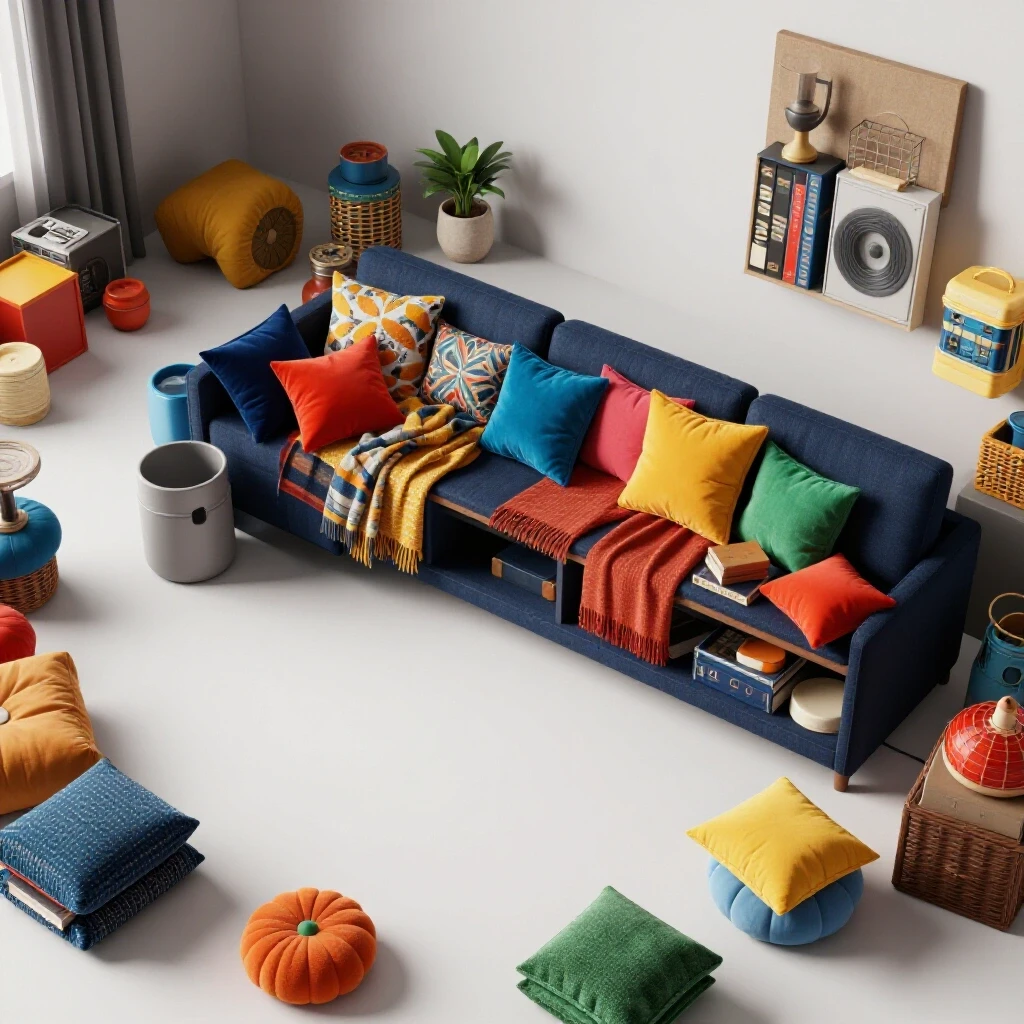
How Decluttering Improves Mental Health and Home Organization (Guide)

Talking about waterproof options, we often think of raincoats or basement sealants. However, in my 11 years of managing logistics, I’ve learned that a truly resilient home needs a “waterproof” organizational system. This means creating a structure that doesn’t leak or fail when the storm of a busy work week or a chaotic school schedule hits.
For years, my family lived in a cycle of “binge cleaning.” We would spend an entire Saturday organizing every shelf, only for the house to revert to chaos by Wednesday. As an operations professional, I realized I was treating the symptoms of clutter rather than the broken logistics of our living space. We had too much “inventory” and too much “retrieval friction.” By applying industrial spatial principles to our home, we finally moved from a state of constant visual overwhelm to a place of sustainable calm.
The Hidden Cost of Visual Noise in Family Spaces
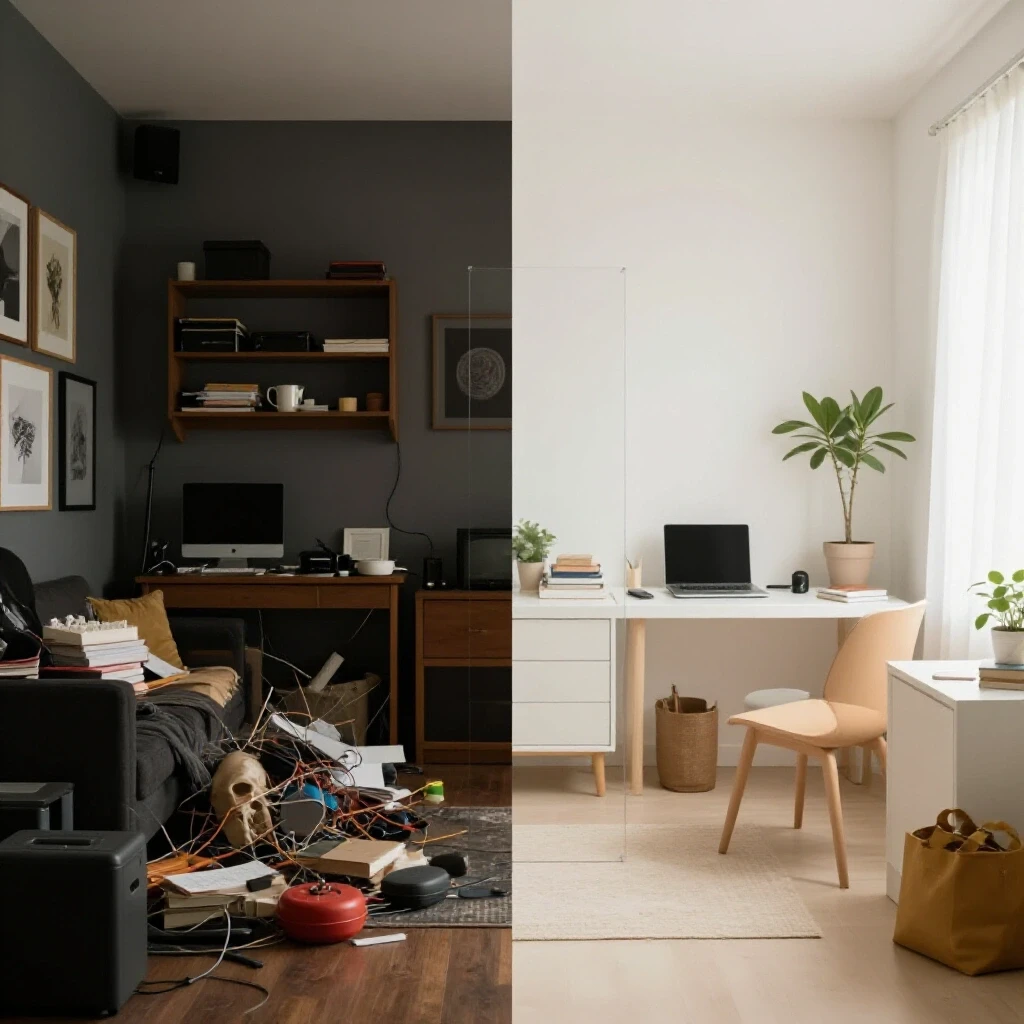
Visual noise refers to the overstimulation caused by seeing too many unrelated objects in a single field of vision. In a home, this occurs when surfaces like counters and tables are covered in items that lack a dedicated “home” or logical placement.
Research in environmental psychology suggests that cluttered environments can spike cortisol levels, particularly in women. When our eyes scan a room, they process every object as a “task” that needs to be completed. If you see a pile of mail, a stray toy, and a half-empty coffee mug, your brain registers three micro-stressors. Over time, this leads to significant mental fatigue. In our house, reducing the number of visible items wasn’t just about aesthetics; it was about reclaiming our ability to relax.
Understanding Spatial Capacity and Inflow Control
Spatial capacity is the maximum amount of inventory a room can hold before its primary function is compromised. Inflow control is the practice of managing how many new items enter the home to ensure they do not exceed this physical limit.
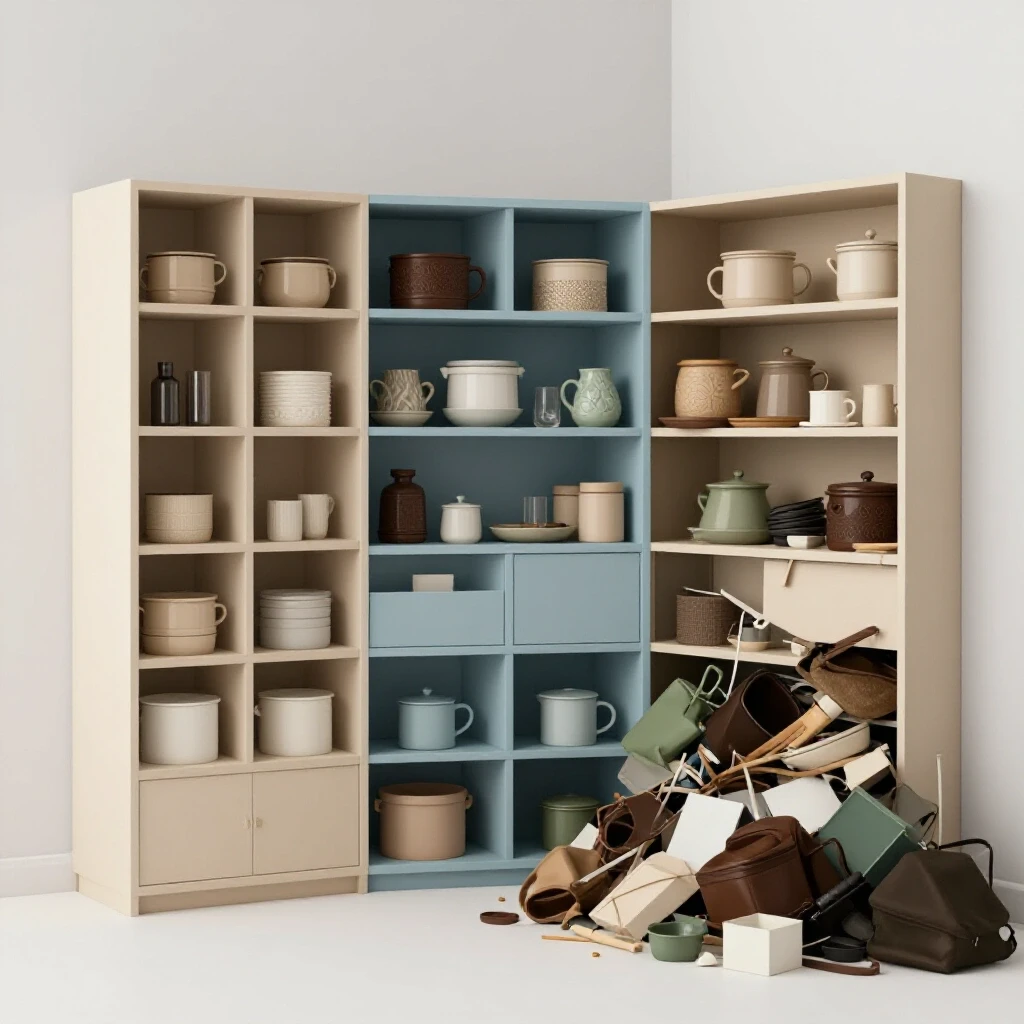
We often try to organize our way out of a volume problem. If you have 50 pairs of shoes but a rack that only holds 10, no amount of “neatness” will solve the clutter. You have a capacity mismatch. My family started using a “one-in, one-out” rule for toys and clothes. This simple logistical constraint ensured that our storage systems never reached a breaking point, keeping our daily sorting times manageable.
Reducing Retrieval Friction for Sustainable Order
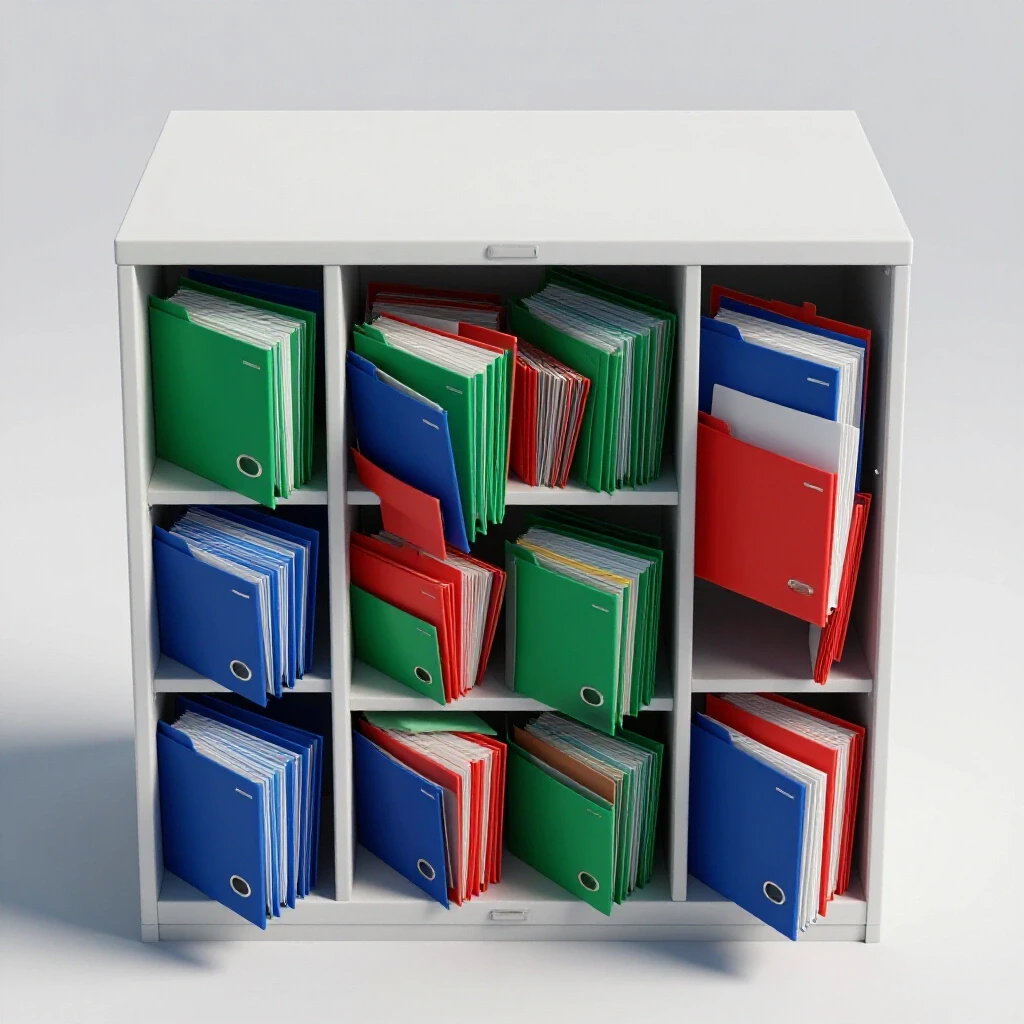
Retrieval friction is the physical and mental effort required to get an item out or put it away. High-friction systems, such as bins with tight lids stacked three-high, are the primary reason home organization fails within days of a cleanup.
In my professional work, we measure “pick paths”—the route a worker takes to find an item. I applied this to our kitchen. We found that making coffee required opening three different cabinets and a drawer. By grouping all coffee-related items in one “zone” and removing the lids from the sugar and pod containers, we reduced the “steps” from twelve to three. This is how you build a system that a tired parent can actually maintain on a Tuesday night.
The Psychology of Decision Fatigue in Daily Sorting
Decision fatigue occurs when the brain becomes exhausted after making too many choices, leading to poor discipline later in the day. In a cluttered home, every item out of place requires a decision: “Where does this go?”
If your storage system is too complex—like sorting LEGO bricks by color and size—the mental cost of tidying becomes too high. We switched to “broad category” sorting. All LEGOs go in one large, open-top bin. This removes the need for decision-making during cleanup. When the rules are simple, the whole family can participate without asking for directions, which significantly lowers the mental load on the primary organizer.
| Storage Type | Friction Level | Maintenance Success Rate | Best Use Case |
|---|---|---|---|
| Open-Top Bins | Low | 95% | Toys, shoes, daily laundry |
| Labeled Drawers | Medium | 70% | Office supplies, kitchen tools |
| Stacked Lidded Tubs | High | 15% | Seasonal decor, long-term archives |
| Decorative Baskets | Medium | 60% | Throw blankets, pillows |
Creating High-Efficiency Zoning Maps for Busy Households
Zoning is the practice of dividing a home into specific areas based on the frequency of use and the type of activity performed there. Effective zoning ensures that the items needed for a task are always within arm’s reach of where that task happens.
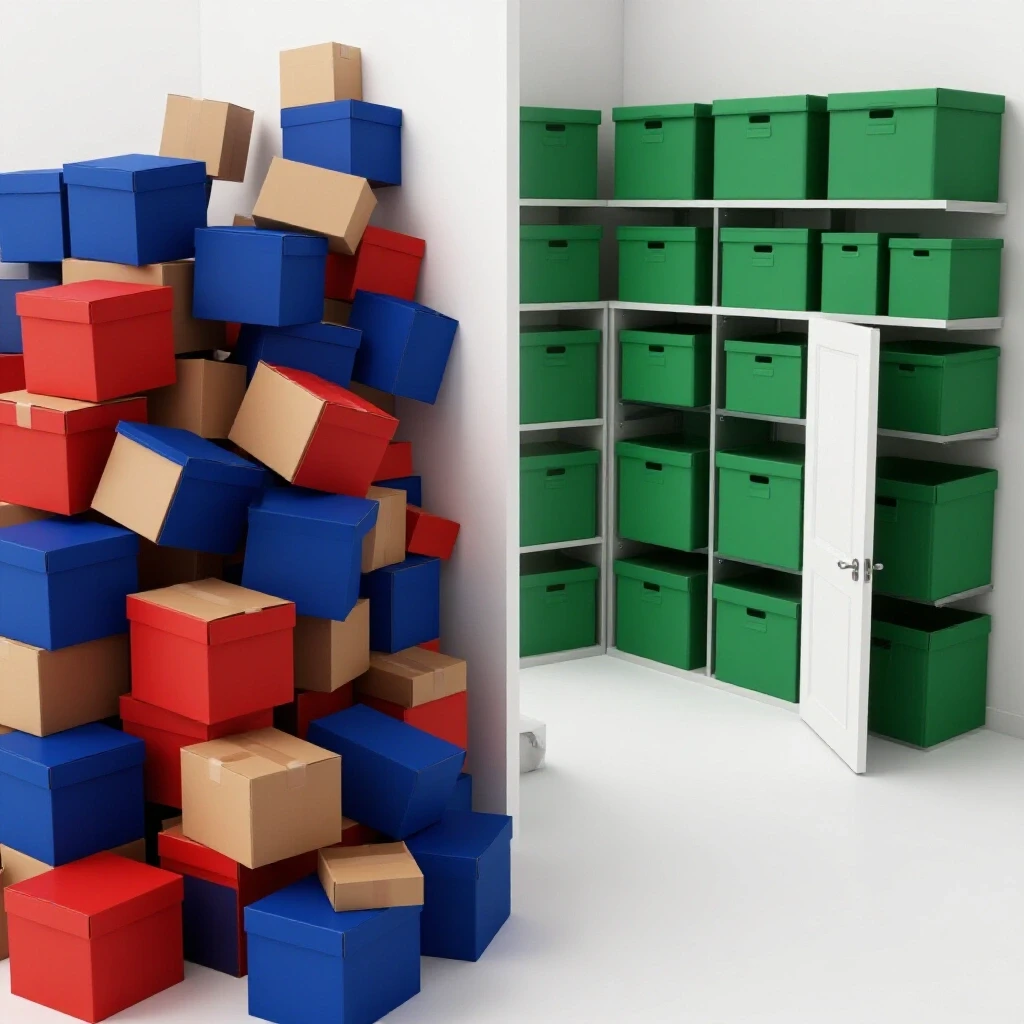
We mapped our home into three distinct zones. Zone 1 is for items used daily (keys, coats, school bags). Zone 2 is for items used weekly (library books, sports gear). Zone 3 is for monthly or seasonal items (holiday lights, camping gear). By moving Zone 3 items out of our primary living spaces and into the garage or high closet shelves, we increased our “active space” by 30%. This reduced the feeling of being cramped and made daily chores much faster.
Designing Child-Friendly Drop Zones
A drop zone is a designated high-traffic area, usually near an entrance, where family members can offload items immediately upon entering the home. For children, these zones must be designed at their physical height to be effective.
In our house, we replaced a traditional coat closet with an open wall of hooks and low cubbies. My children couldn’t manage hangers, so coats ended up on the floor. Once we switched to hooks (a lower-friction solution), the floor stayed clear. We also measured their reach; any bin higher than 40 inches was ignored. By lowering the “storage horizon,” we empowered the kids to manage their own gear, which reduced my daily “sorting time” by nearly 20 minutes.
- Daily Cleanup Duration: 15 minutes (with zones) vs. 45 minutes (without zones).
- Retrieval Step Count: Aim for 2 steps or fewer for daily items.
- Space Utilization: Keep flat surfaces (counters/tables) at 20% or less occupancy.
Strategic Selection of Low-Maintenance Storage Gear
Low-maintenance storage gear consists of durable, easy-to-access containers that prioritize function over decorative appeal. The goal is to choose materials that can withstand heavy use and don’t require delicate handling.
I’ve seen many families buy expensive, matching wicker baskets that eventually snag clothing or break under the weight of toys. We moved toward heavy-duty, clear plastic bins for the pantry and breathable mesh for the laundry. Clear bins are essential because they provide “visual confirmation.” If you can see what is inside without opening the lid, you reduce the mental energy required to find what you need.
Moving Beyond Aesthetic Bins to Functional Systems
Functional systems focus on the “flow” of items rather than how they look on a shelf. An aesthetic system might look great in a photo but fail when a toddler needs to find a specific toy in five seconds.
We adopted a “visual inventory” approach. In our pantry, we use tiered shelving so nothing is hidden behind another item. This prevents “over-buying,” which is a major source of household clutter. When you can see that you already have three jars of peanut butter, you don’t buy a fourth. This logistical clarity saves money and prevents the “overflow” that leads to cluttered countertops.
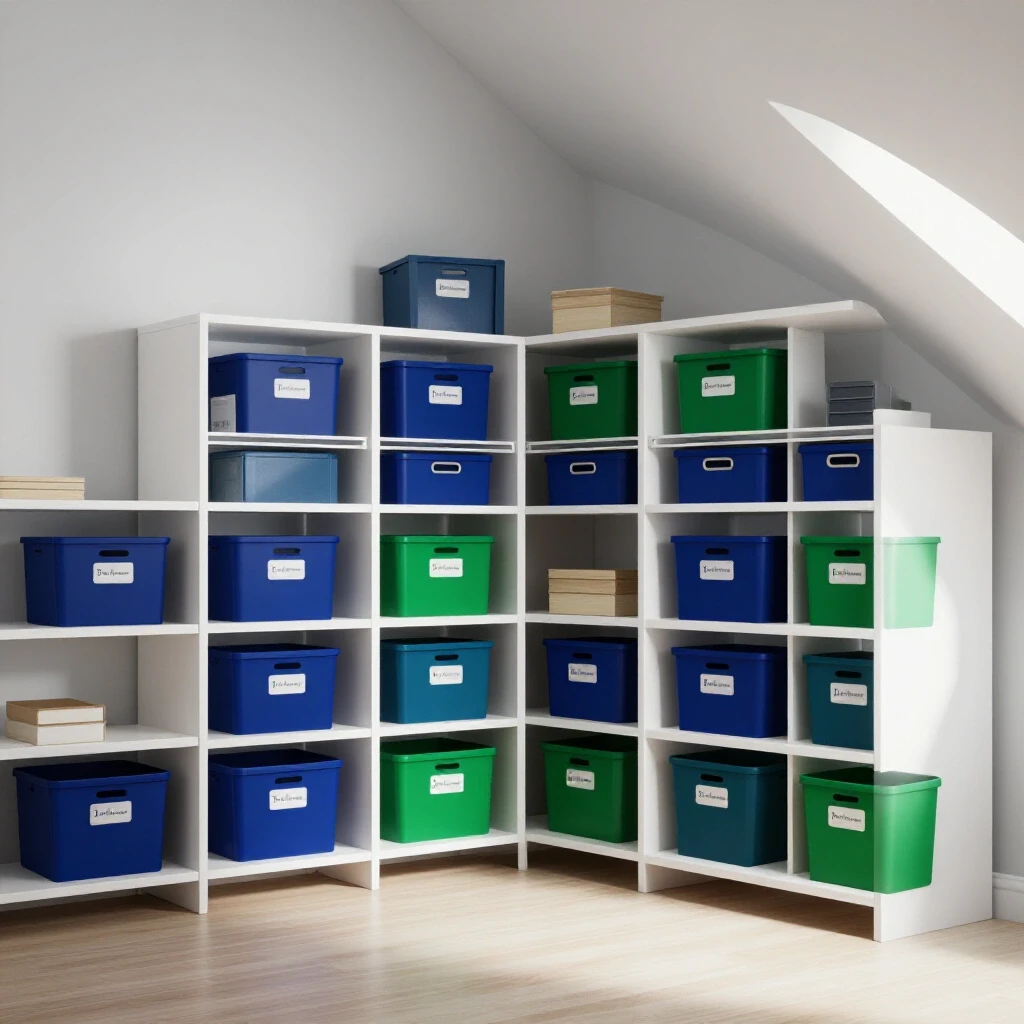
- Standardize Bin Sizes: Use only two or three types of bins to allow for easy stacking and modularity.
- Use Industrial Labels: Large, bold font labels that can be read from across the room.
- Prioritize Open Access: Remove lids from bins used for daily items like socks or snacks.
- Implement Digital Tracking: For deep storage (Zone 3), use a simple spreadsheet or app to log what is in which numbered box.
Building Systematic Habit Loops for Long-Term Maintenance
A habit loop is a neurological pattern that governs a behavior, consisting of a cue, a routine, and a reward. In home organization, habit loops turn tidying from a “project” into an automated part of the day.
We established a “Reset Routine” every evening before bed. This isn’t a deep clean; it’s a logistical reset. We spend 10 minutes returning items to their designated zones. Because we reduced the friction of our storage (open bins, clear labels), this process is fast. The “reward” is waking up to a clear environment, which significantly reduces morning anxiety and sets a calmer tone for the entire day.
The 10-Minute Logistical Reset
The 10-minute reset focuses on “high-impact” surfaces: the kitchen island, the entryway, and the living room floor. It is not about perfection; it is about maintaining the “flow” of the home.
During our reset, we use a “transit basket.” Any item that belongs in a different room goes into the basket. We then walk the basket through the house once, dropping items off in their respective zones. This prevents the “ping-pong effect” of running back and forth between rooms, which is inefficient and tiring. By treating our home like a small distribution center, we keep the “inventory” moving toward its proper location with minimal effort.
- Sorting Interval: Every 24 hours (for active zones).
- Deep Audit Interval: Every 90 days (for seasonal transitions).
- Standard Item Density: No more than 80% of a shelf’s width should be filled.
Conclusion: Sustainable Steps Toward a Calmer Home
Transitioning to a simplified home environment is not a one-time event; it is a shift in how you manage the logistics of your daily life. By focusing on reducing friction and understanding your home’s spatial capacity, you can create a space that supports your well-being rather than draining it. Start small by identifying one “high-friction” area—like a junk drawer or a cluttered entryway—and apply these principles. Remove the lids, label the zones, and watch how much easier it becomes to maintain order. The goal isn’t a picture-perfect house; it’s a functional home that gives you the freedom to focus on what truly matters.
Frequently Asked Questions
How do I stop my home from becoming cluttered again so quickly?
Clutter returns because the “outflow” of items is slower than the “inflow,” or the storage systems have too much “retrieval friction.” To fix this, implement a one-in, one-out rule and switch to open-top bins for items used daily. This makes putting things away as easy as dropping them on the floor, which increases the likelihood that your family will follow the system.
What is the best way to start when I feel completely overwhelmed?
Start with a “spatial audit” of your most used surface, such as the kitchen counter. Clear everything off, then only put back items you use every single day. This creates an immediate visual “win” and reduces micro-stressors. Once you see the benefit of a clear surface, you will have the mental energy to tackle larger zones like closets or playrooms.
How can I get my children to help with organization?
Children struggle with complex systems. Simplify your storage by using low-height hooks instead of hangers and large, labeled bins instead of small, specific containers. If a child can “toss” an item into its home, they are more likely to do it. Use picture labels for younger children so they don’t have to ask where things go, reducing your mental load.
Why do expensive storage bins often fail to keep things tidy?
Many high-end storage solutions prioritize “aesthetics” over “ergonomics.” If a bin is beautiful but has a heavy lid or is made of fragile material, you will subconsciously avoid using it. In logistics, we prioritize “pick speed.” For a busy home, choose clear, durable, and easy-to-access containers that require the fewest steps to use.
What is the “two-step rule” for home organization?
The two-step rule states that any item used daily should be accessible in two physical moves or fewer. For example, (1) open the cabinet and (2) grab the item. If you have to move a stack of bowls to get to a plate, that is three or more steps. Reducing these steps across your home drastically lowers the effort required to maintain order.
How do I handle sentimental items that I’m afraid to get rid of?
Sentimental items should be moved to “Zone 3” (deep storage) so they don’t clutter your “active” living spaces. Use a single, dedicated “Memory Box” per family member. Once the box is full, you must remove one old item to add a new one. This forces a conscious decision about what is truly valuable, preventing sentimental clutter from overflowing into your daily life.
Is it better to organize by room or by category?
For busy families, organizing by “activity zone” is usually more effective than by room. For example, keep all “homework supplies” in one portable bin that can move from the kitchen table to a shelf. This ensures that the system follows the family’s behavior rather than forcing the family to change their habits to fit a rigid room-based structure.
How often should I perform a “deep declutter”?
If your daily “habit loops” are working, you should only need a deep audit every three to six months, typically during seasonal changes. This is the time to check for outgrown clothes, expired pantry items, or toys that are no longer played with. Regular, small maintenance is much more sustainable for mental health than massive, infrequent cleaning marathons.
What are the best “waterproof” storage materials for a busy home?
Look for high-quality polypropylene (plastic) for kitchens and playrooms because it is easy to wipe down and won’t break if dropped. For entryways, powder-coated steel hooks and racks are highly durable. Avoid untreated wood or delicate wicker in high-traffic areas, as they degrade over time and add to the visual “shabbiness” of a space.
How does reducing household items improve mental health?
A clear environment reduces the “cognitive load” on your brain. When you aren’t constantly processing visual clutter or searching for lost keys, your mind is free to rest or focus on meaningful tasks. This reduction in daily friction leads to lower stress levels, better sleep, and a more harmonious family dynamic because there is less conflict over chores.
(This article was written by one of our staff writers, Christopher Bennett. Visit our Meet the Team page to learn more about the author and their expertise.)