How Tracking Cleaning Time Improves Home Organization (Case Study)

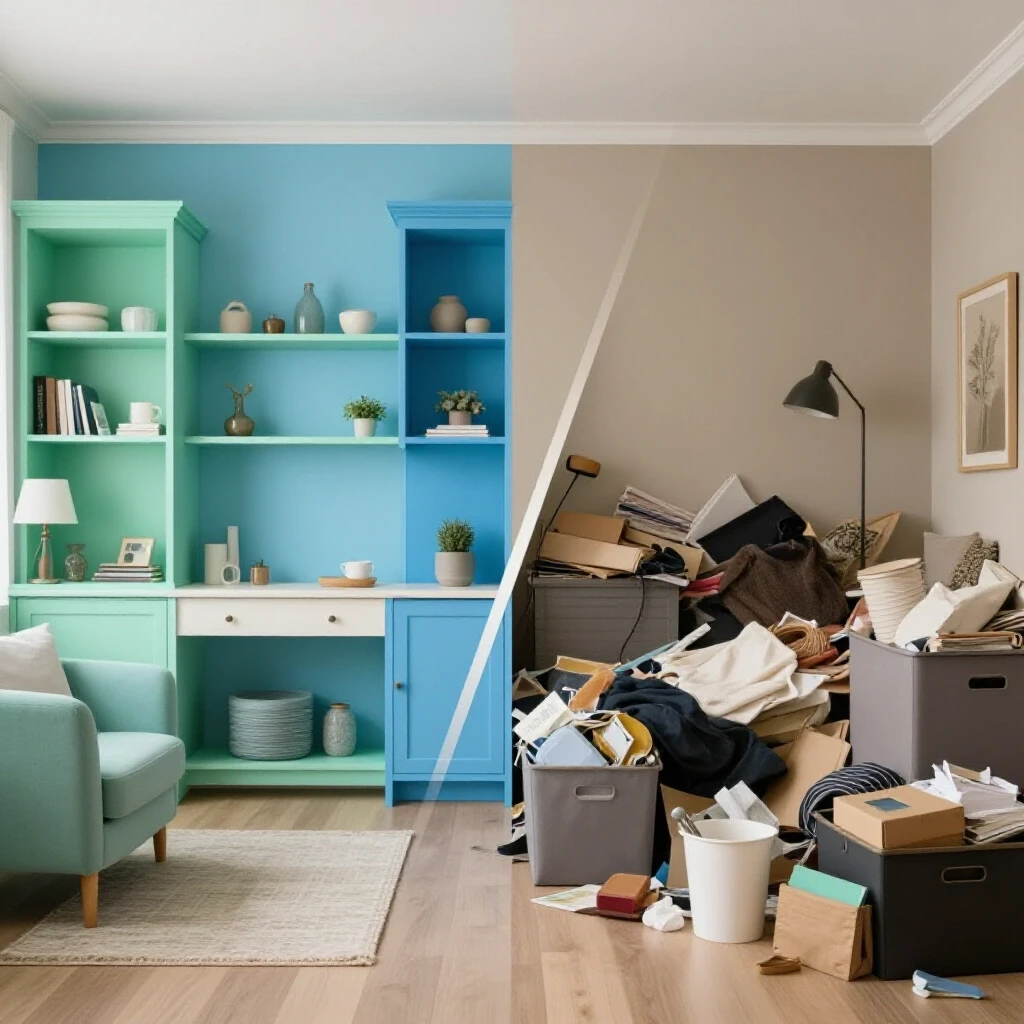
Have you ever wondered why a room you spent three hours tidying on Saturday looks like a disaster zone by Tuesday morning? Most people assume they lack discipline, but as someone who has spent over a decade in operations and logistics, I see it differently. The problem isn’t your willpower; it is your system’s flow rate. In a warehouse, if the “inbound” items move faster than the “outbound” sorting process, the floor becomes a bottleneck. Your home functions exactly the same way. When I applied industrial spatial management to my own family’s home, I discovered that the time required to maintain a room is directly tied to the number of physical obstacles in our storage systems.

The Logistics of Household Maintenance Efficiency
This concept involves analyzing how the physical layout of a room and the design of storage units dictate the speed of daily upkeep. By viewing a home as a high-traffic fulfillment center, we can identify exactly where time is wasted during the act of putting items away.
In logistics, we talk about “throughput,” or how quickly a system processes items. In a home, throughput is the speed at which a stray toy or a piece of mail moves from a countertop back to its designated home. For years, my family struggled because our storage solutions were too complex. We had beautiful, lidded wicker baskets that looked great but required three distinct motions to use: lift the lid, place the item, and replace the lid.
When I analyzed our daily routines, I realized these three steps created “retrieval friction.” This friction is the resistance an object meets when you try to put it away. If the friction is too high, the item stays on the table. We replaced those lidded baskets with open-top bins in high-traffic areas. The result was a measurable shift in how quickly the living room returned to a functional state. We weren’t working harder; we had simply shortened the “touch time” for every object.
Reducing Retrieval Friction in Family Storage Systems
Retrieval friction is the sum of physical and cognitive steps required to access or store an item. Lowering this friction ensures that even the youngest or busiest family members can maintain the system without constant supervision.
Most home organization systems fail because they prioritize “visual quiet” over “operational ease.” A bin with a tight-fitting lid looks tidy, but it adds seconds to every interaction. In a house with four people, those seconds accumulate into hours of extra work over a month. I categorize storage into “one-motion” and “multi-motion” systems. A hook on a wall is one-motion; a coat hanger in a crowded closet is multi-motion.
- One-motion storage: Open bins, wall hooks, magnetic strips, and shallow drawers.
- Multi-motion storage: Lidded boxes, stacked containers, zippered bags, and deep cabinets.
In my own home, we moved all daily-use items—school bags, work keys, and frequently worn shoes—to one-motion storage. We reserved lidded bins for “passive storage,” which includes items used once a month or less. This shift changed the daily flow of the house. We stopped “cleaning up” and started “resetting,” because the effort required to put things back was no longer a deterrent.
Storage Friction Index by Bin Type
The following table illustrates how different storage choices impact the time and effort required for daily maintenance.
| Storage Method | Physical Motions | Friction Level | Best Use Case |
|---|---|---|---|
| Open-Top Bin | 1 (Drop) | Low | Toys, shoes, daily mail |
| Wall Hook | 1 (Hang) | Low | Coats, bags, towels |
| Drawer (No Divider) | 2 (Open, Drop) | Medium | Clothing, kitchen tools |
| Lidded Bin | 3 (Lift, Drop, Close) | High | Seasonal decor, keepsakes |
| Stacked Lidded Bins | 5+ (Move top bin, Open, Drop, Close, Replace) | Critical | Long-term archival only |
Implementing High-Speed Zoning Maps for Busy Households
Zoning is the practice of dividing a living space into functional areas based on the frequency of item usage. This method ensures that the items used most often are stored in the most accessible “prime real estate” locations.
In a professional warehouse, the most popular items are kept at waist height near the shipping dock. This is called “velocity-based slotting.” I applied this to our kitchen and mudroom. We mapped out three distinct zones to help everyone understand where things belong without having to think about it.
- Zone A (Active): Items used daily. These must be between knee and shoulder height.
- Zone B (Passive): Items used weekly. These can go in lower cabinets or higher shelves.
- Zone C (Dead): Items used once a season or less. These go in the attic, basement, or the very back of deep closets.
Interestingly, when we audited our kitchen, we found that the heavy stand mixer we used once a month was taking up Zone A counter space, while the daily coffee mugs were in a Zone B overhead cabinet. By swapping them, we reduced the physical reach-steps required for our morning routine. This simple layout adjustment cut down the time it took to clear the counters after breakfast.
Daily Maintenance Timelines by Family Size
The time required to maintain a home scales with the number of residents. Using a zoned system allows for more efficient distribution of labor.
- 2-Person Household: 10–15 minutes of daily “reset” time using low-friction systems.
- 4-Person Household: 20–30 minutes of daily “reset” time.
- 6-Person Household: 45–60 minutes of daily “reset” time.
Quantifying the Impact of Simplified Sorting Frameworks
A sorting framework is a set of rules that determines how items are grouped. Simplified frameworks use broad categories to reduce the “decision fatigue” that occurs when trying to organize a cluttered space.
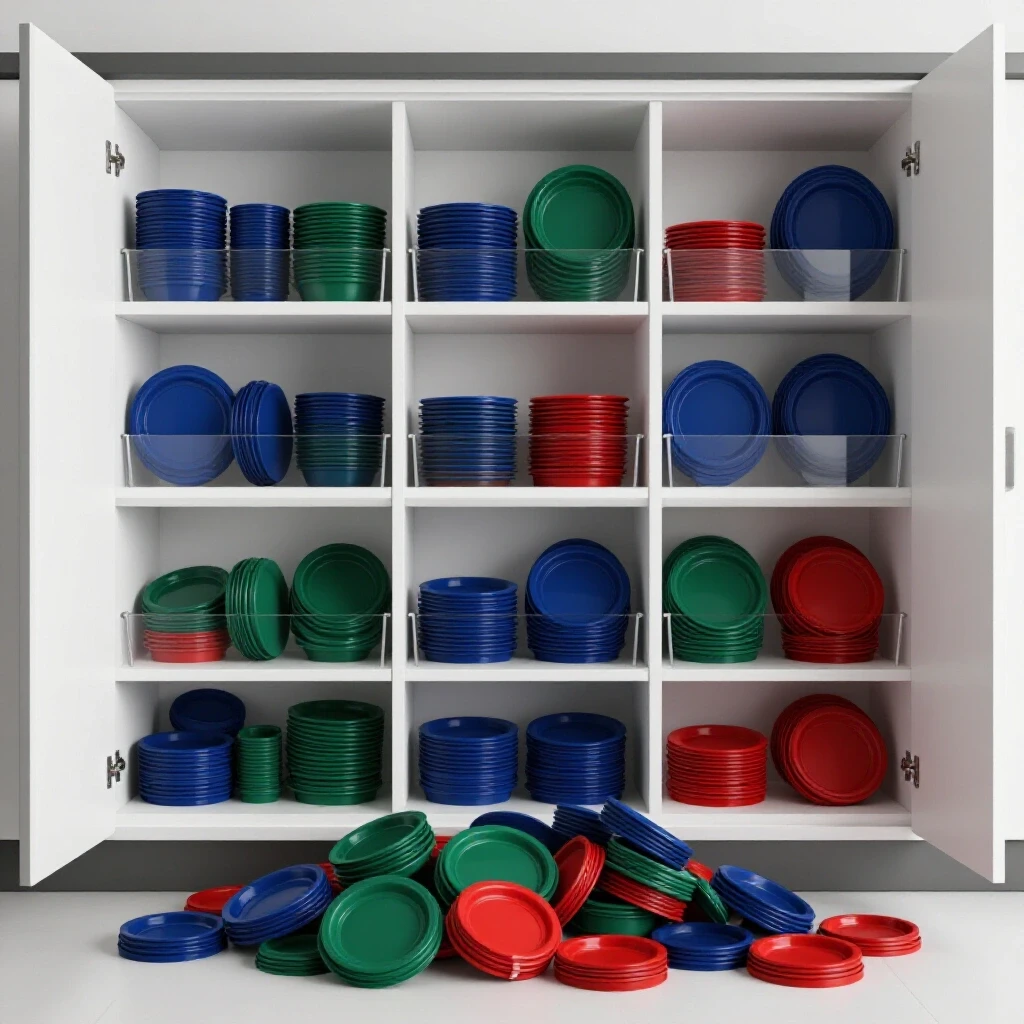
One of the biggest mistakes I made early on was “micro-sorting.” I tried to organize my children’s building blocks by color and size. It looked beautiful for ten minutes. However, the sorting speed was so slow that the kids gave up, and the blocks ended up in a pile on the floor. In logistics, we call this “over-processing.”
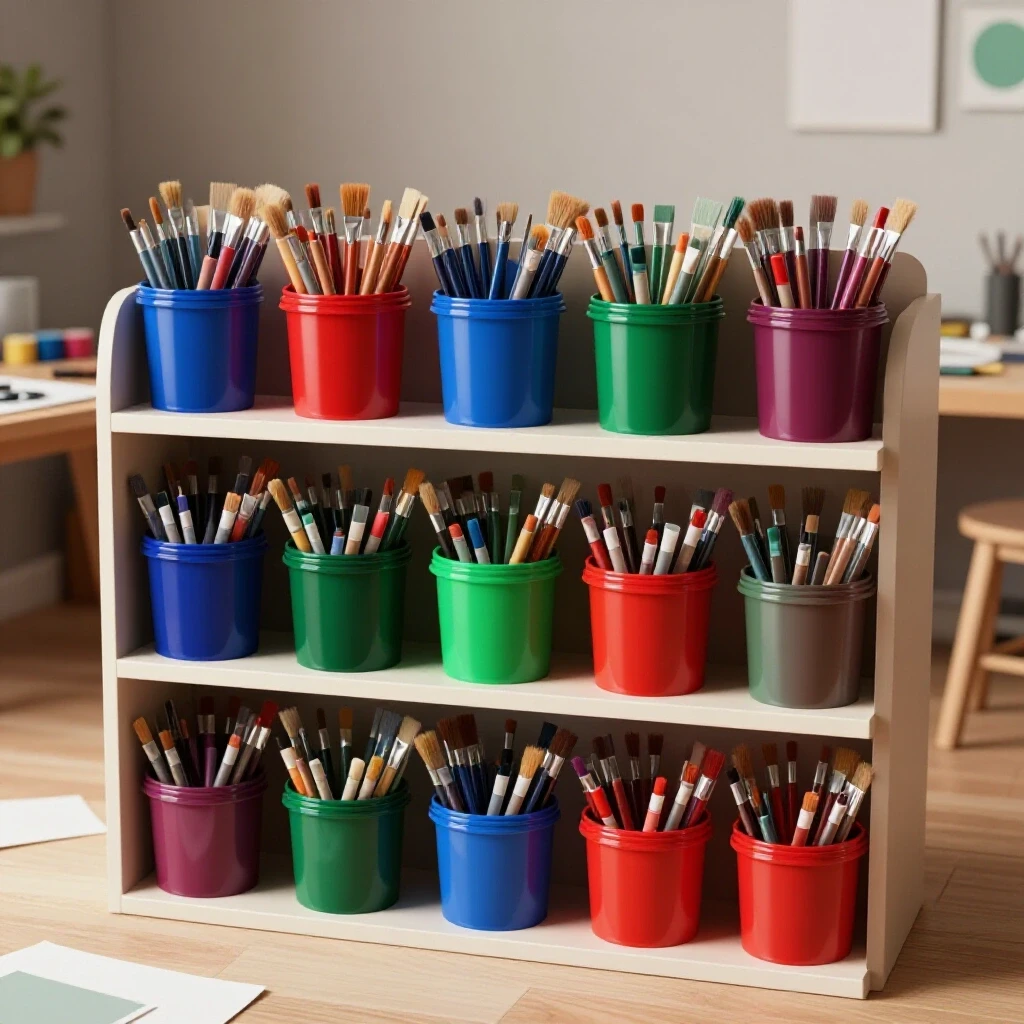
We shifted to “macro-sorting.” All building blocks now go into one large, shallow bin. All art supplies go into one rolling cart. By broadening the categories, we increased the “sorting velocity.” It is much faster to identify “this is a toy” than “this is a blue 2×4 plastic brick.” Research in organizational behavior suggests that the more decisions a person has to make during a task, the more likely they are to abandon that task. Broad categories eliminate those decisions.
Decluttering Sorting Log: Speed Comparison
| Item Category | Micro-Sorting Time (per 50 items) | Macro-Sorting Time (per 50 items) | Time Saved |
|---|---|---|---|
| Children’s Toys | 12 minutes | 3 minutes | 75% |
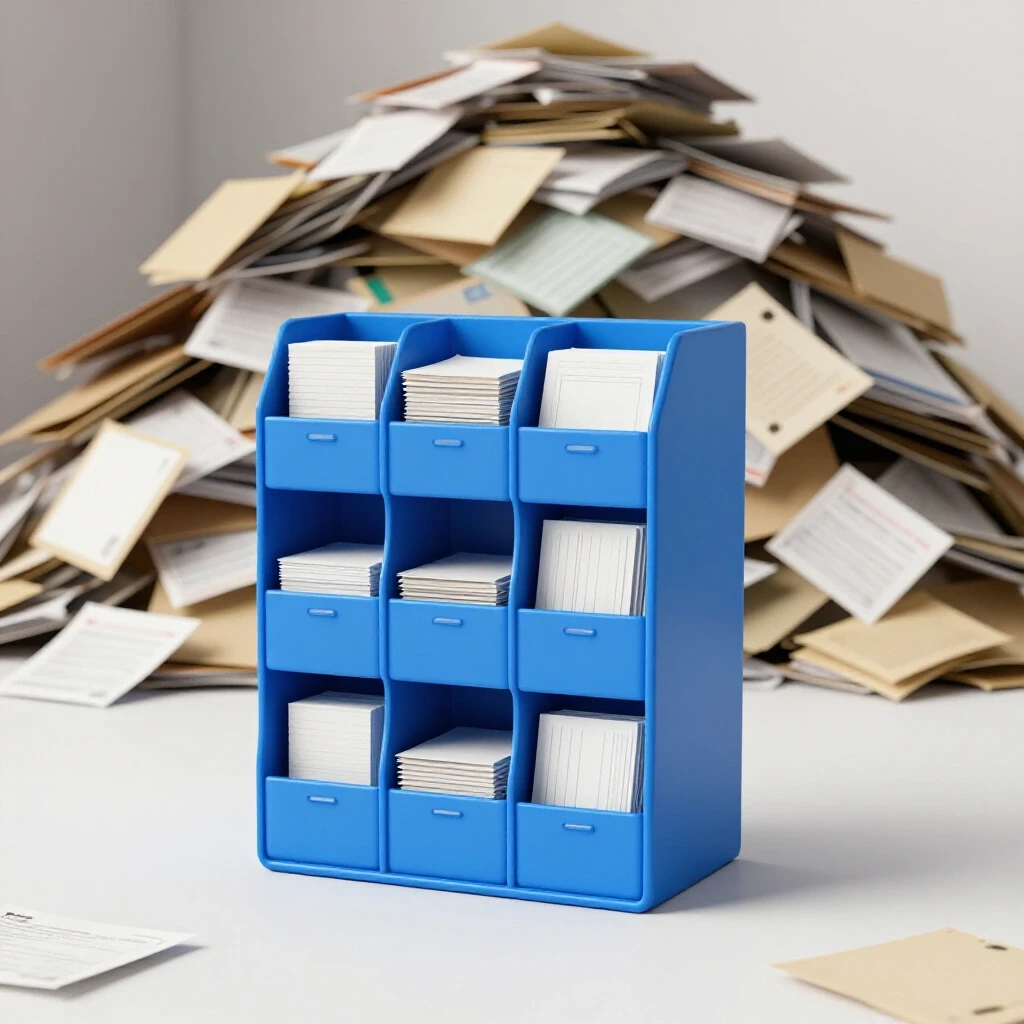
| Office Paperwork | 15 minutes | 5 minutes | 66% |
| Laundry/Socks | 10 minutes | 4 minutes | 60% |
| Pantry Goods | 8 minutes | 4 minutes | 50% |
Designing Low-Maintenance Habit Loops for Sustainable Order
A habit loop is a three-part process consisting of a cue, a routine, and a reward. In a home setting, these loops automate the maintenance of your storage systems so they don’t revert to chaos.
Sustainable organization isn’t about a one-time “sprint” to clean the house. It is about the “steady state” of the environment. I used industrial “5S” principles—Sort, Set in order, Shine, Standardize, and Sustain—to create a family routine. The “Standardize” phase was the most important. We created a “Closing Shift” routine, similar to what you would find in a retail store or restaurant.
Every night at 8:00 PM, we spend 15 minutes as a family returning Zone A items to their homes. Because we have low-friction, macro-sorted bins, this isn’t a grueling chore. It’s a quick sweep. We focus on “surface density”—the number of items sitting on flat surfaces. A lower surface density makes the room easier to clean and reduces the time needed for dusting or vacuuming later in the week.
Actionable Metrics for Household Success
To keep your system running efficiently, monitor these three logistics-based metrics:
- The Two-Minute Rule: If an item takes more than two minutes to put away, the storage system is too complex.
- The 80% Capacity Rule: Never fill a shelf or bin more than 80% full. Overfilled spaces increase retrieval friction and lead to spills.
- The One-In-One-Out Rule: For every new item that enters the home, one item of similar volume must exit. This maintains a constant “spatial inventory.”
Selecting Low-Maintenance Storage Gear
Not all containers are created equal. When selecting gear, look for durability and “visual transparency.” Clear bins allow you to see the contents without opening them, which reduces the cognitive load of searching for items.
In my experience, heavy-duty modular units are superior to decorative furniture for high-traffic areas. We use industrial-style wire shelving in our pantry and garage. These units are adjustable, allowing us to change the shelf height as our needs evolve. For labeling, we moved away from handwritten stickers to a digital label maker with high-contrast tape. This ensures that every family member, including guests, can identify exactly where items belong.
- Modular Units: Allow for vertical expansion and custom shelf heights.
- Clear Polypropylene Bins: Durable, washable, and provide instant visual inventory.
- Uniform Hangers: Reduce visual “noise” and prevent clothes from tangling.
- Digital Inventory: For deep storage (Zone C), we use a simple QR code system. We scan the code on the outside of a bin to see a photo of what is inside.
Why High-Friction Bins Lead to Rapid Clutter Reversion
When a storage system is too difficult to use, the human brain will naturally seek the path of least resistance. This usually means leaving the item on the nearest flat surface. This is why “perfectly organized” homes often revert to clutter within days.
If you find that your mail always piles up on the kitchen island, it isn’t because you are lazy. It is because the “mail station” is likely too far away or involves too many steps (like opening a drawer or filing into a folder). By placing a simple, open-top basket exactly where the mail usually lands, you align the system with existing human behavior. This “behavioral alignment” is the secret to long-term success.
I stopped fighting my family’s natural patterns and started building systems around them. If shoes were always left by the back door, I put a large, open shoe tray there. The maintenance time dropped because I was no longer moving shoes from the door to a closet five times a day. We saved several minutes of labor daily just by shortening the distance between the “drop point” and the “storage point.”
Common Organizing Mistakes to Avoid
- Buying containers before sorting: You will end up with bins that don’t fit your items.
- Prioritizing aesthetics over access: Pretty boxes that are hard to open will stay empty.
- Organizing “clutter”: If you don’t need it, don’t find a place for it. Remove it from the system entirely.
- Complex labeling: If a five-year-old can’t understand the label, the system is too specific.
Building a Systematic Maintenance Framework
The transition from a cluttered home to a functional one is a journey of incremental improvements. Start by auditing one room. Look for the “hot spots” where items accumulate and ask yourself why. Is the storage too far away? Is it too hard to open?
Once you identify the friction points, apply the logistics principles of zoning and macro-sorting. You will notice that the time required to “tidy up” begins to shrink. This isn’t magic; it is the result of reducing the physical steps required to manage your environment. In our home, we have reached a point where the daily maintenance is almost invisible because the systems are so low-effort.
Next steps for your home: 1. Conduct a “friction audit” of your most cluttered room. 2. Replace one high-friction storage item (like a lidded box) with a low-friction one (like a hook or open bin). 3. Establish a 15-minute nightly “reset” time. 4. Monitor your “surface density” and aim to keep counters 70% clear.
Frequently Asked Questions
What is the most common reason home organization systems fail?
Systems usually fail because they require too much “touch time.” If putting an item away involves more than two or three physical motions, people will eventually stop doing it. High-friction storage, like stacked lidded bins, is the most common culprit for clutter reversion.
How do I determine which items belong in “Prime Real Estate”?
Prime real estate is the area between your knees and shoulders in high-traffic rooms. Any item you use at least four times a week should be stored here. If you have to use a step stool or bend down to the floor for a daily-use item, your system is inefficient.
Is macro-sorting really better than micro-sorting?
For daily maintenance, yes. Macro-sorting (grouping by broad category) is significantly faster than micro-sorting (grouping by specific detail). While micro-sorting looks better in photos, it is much harder for a busy family to sustain over time.
How can I get my children to follow these systems?
Focus on “one-motion” storage. Children are much more likely to hang a coat on a low hook than to put it on a hanger in a closet. Use open bins for toys and clear labels with pictures if the children are young.
What is “surface density” and why does it matter?
Surface density refers to the percentage of flat surfaces (tables, counters, desks) covered by objects. High surface density makes a room feel cluttered and increases the time it takes to clean those surfaces. Aim for a density of 30% or less for a functional feel.
How do I handle items that don’t seem to have a “home”?
These items are usually “transient clutter.” Create a “transit bin” for things that need to go to another room, be returned to a friend, or be donated. This prevents them from sitting on counters while you decide what to do with them.
What are the best storage containers for a low-maintenance home?
Look for clear, stackable (but only for long-term storage), and open-top containers. Avoid containers with complex latches or opaque sides if you want to reduce the time spent searching for and putting away items.
How often should I re-evaluate my zoning map?
Check your zones every six months or whenever your life circumstances change (like a new baby or a change in hobbies). Items that were once “Active” may become “Passive” over time, and moving them will free up valuable space.
Does labeling really save that much time?
Yes. Labeling reduces “cognitive friction.” It removes the need to think about where something goes. When everyone in the house knows exactly where the “Batteries” or “Pet Supplies” live, the time spent asking “Where does this go?” drops to zero.
What is the “one-in-one-out” rule?
It is a spatial management strategy where you commit to removing one item from your home for every new item you bring in. This prevents “inventory creep” and ensures that your storage systems never exceed their physical capacity.
(This article was written by one of our staff writers, Christopher Bennett. Visit our Meet the Team page to learn more about the author and their expertise.)