How to Organize Your Recipe Binder for Easy Access (Step-by-Step)

Our family dog, Barnaby, is a master of kitchen logistics. He knows exactly where to stand to catch a stray piece of cheese, and he is equally skilled at nudging any loose paper that falls from the counter. During one particularly busy Tuesday evening, a stack of printed recipes slid off our kitchen island, scattering across the floor. Barnaby took this as an invitation to play, and within seconds, our family’s favorite meatloaf instructions were a soggy mess. This small moment of chaos was a turning point for me. As someone who manages supply chains and logistics for a living, I realized that my home’s information systems were failing the same way a poorly managed warehouse would.
The struggle to manage a growing collection of physical recipes is a common pain point for busy parents. We often start with good intentions, clipping magazine pages or printing online guides, only to watch them turn into a mountain of cluttered paper. This visual noise creates mental fatigue and makes the simple act of preparing a meal feel like a chore. Over the last 11 years, I have applied professional logistics principles to our home to solve this. By focusing on flow rates and retrieval friction rather than just “neatness,” my family has built a sustainable way to manage our culinary archives.
Why Kitchen Information Systems Fail: A Logistical Perspective
This section explores the structural and psychological reasons why physical paper collections in the kitchen often become unmanageable and revert to clutter.
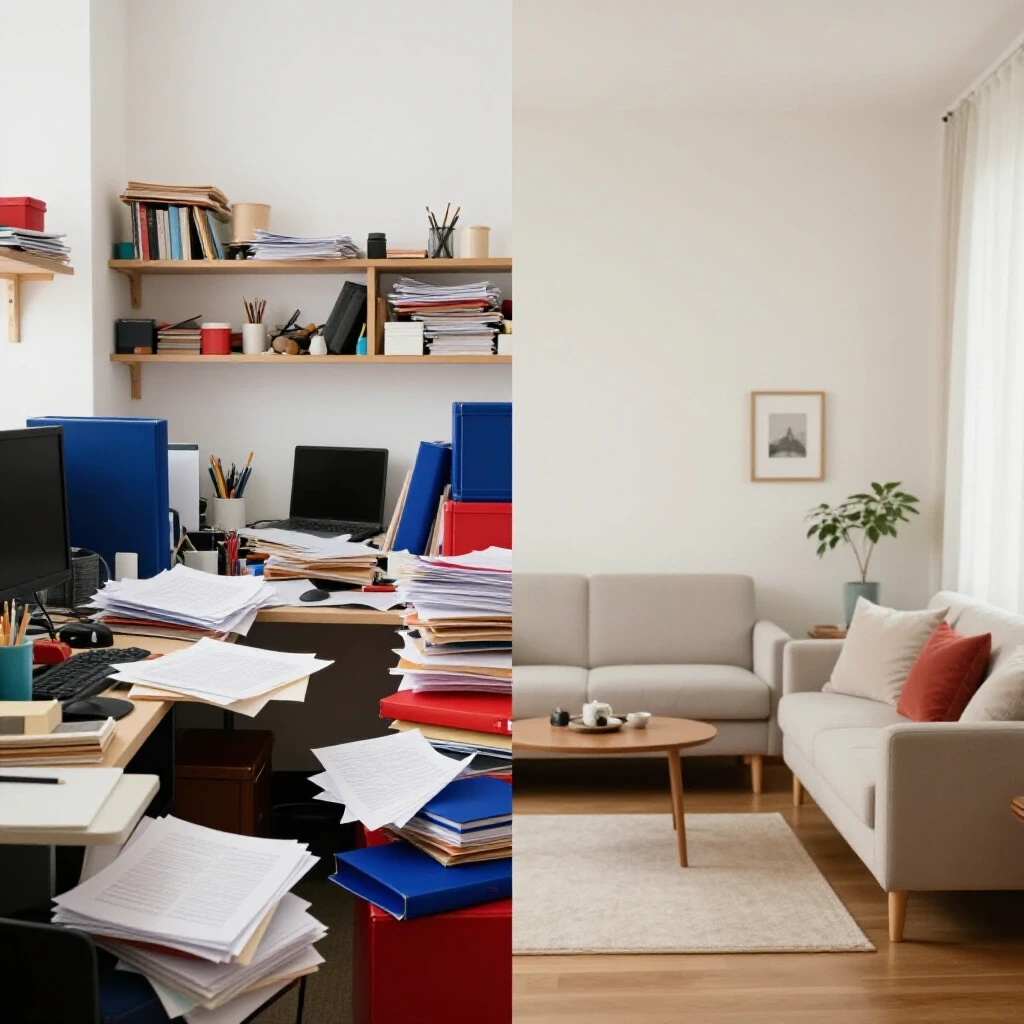
In professional logistics, we look at “bottlenecks.” In a kitchen, a bottleneck is anything that stops you from getting dinner on the table. A bulky, overstuffed binder is a classic bottleneck. If you have to fight with a rusted three-ring mechanism just to find a cookie recipe, you are experiencing high retrieval friction. Environmental psychology studies suggest that when our physical environment is cluttered, our brains are constantly processing that extra visual information. This leads to decision fatigue. For a parent who has already made hundreds of decisions at work, choosing what to cook from a messy pile of papers can feel impossible.
Most people fail because they try to organize for an “ideal” version of themselves. They buy expensive dividers and spend hours color-coding, but the system is too complex to maintain on a Tuesday night. In our home, we shifted the focus to “system friction.” If it takes more than three steps to put a new recipe away or find an old one, the system is broken. We need a setup that accounts for the reality of sticky fingers, narrow counters, and the limited time of a working professional.
Understanding Retrieval Friction in the Kitchen
Retrieval friction refers to the amount of physical and mental effort required to access a specific item when it is needed for a task.
High friction occurs when you have to move three other items to get to your recipe binder, or when you have to flip through 50 unorganized pages to find the one you want. In my home, I measured our “retrieval time.” Before we redesigned our system, it took an average of 45 seconds to find a specific page. After applying logistical zoning, we dropped that to under 10 seconds. This reduction in friction makes it much more likely that the binder will actually be used and, more importantly, put back away.
The Impact of Visual Processing Overload
Visual processing overload happens when the brain is overwhelmed by too many competing stimuli in a small area, leading to stress.
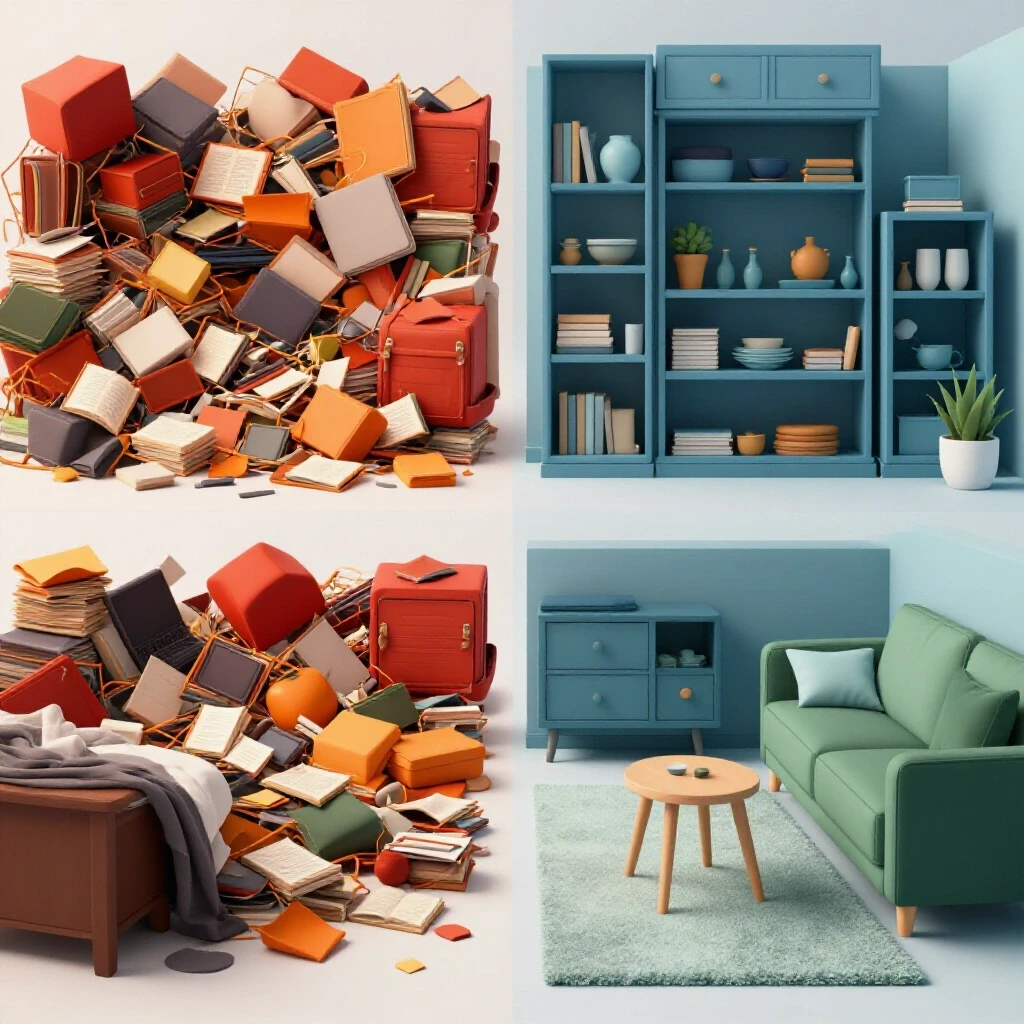
When your kitchen counter is covered in loose clippings and mismatched folders, your brain treats each piece of paper as a “task” that needs to be completed. This constant background noise contributes to the mental exhaustion parents feel at the end of the day. Research in organizational behavior shows that a “lean” environment—one where only the necessary tools are visible—improves task performance and reduces errors. By streamlining our physical recipe collection, we aren’t just cleaning a shelf; we are protecting our mental energy.
The Strategic Audit: Curating Your Culinary Archive
This section details the process of sorting through existing papers to ensure only high-value information occupies your limited kitchen space.
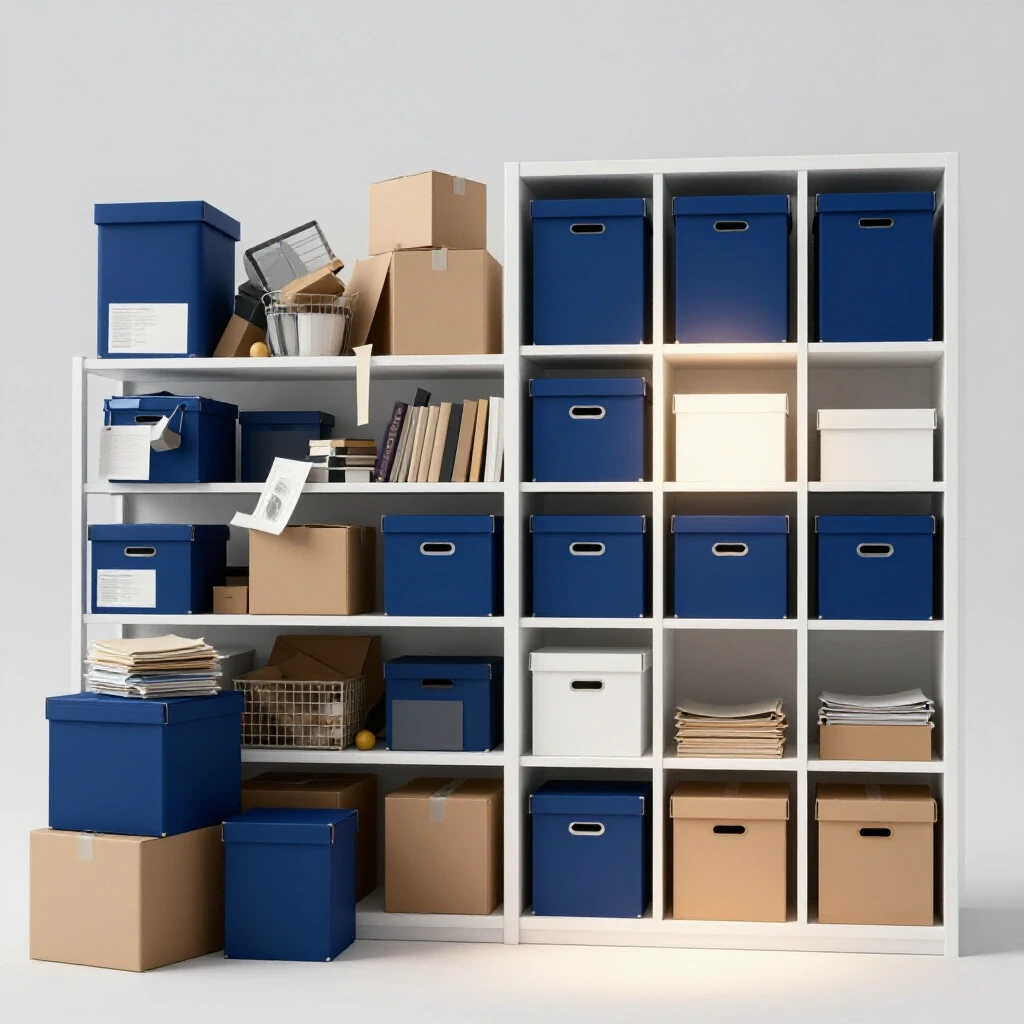
Logistics professionals use a concept called “inventory turnover.” Items that move quickly stay in prime locations, while slow-moving items are moved to secondary storage or removed entirely. You must apply this to your printed recipes. Most families only cook about 15 to 20 meals on a regular rotation. Yet, we often store hundreds of pages “just in case.” To build a sustainable system, you must conduct a ruthless audit.
I started by laying every single piece of paper out on the dining room table. We categorized them not by food type, but by “frequency of use.” If we hadn’t cooked a dish in the last year, it was removed. This isn’t about being a minimalist; it’s about spatial capacity. Your kitchen has a finite amount of “prime real estate.” If that space is filled with recipes for things you will never make, the system will inevitably fail.
Reducing Cognitive Load Through Thinning
Thinning is the intentional removal of redundant or low-value items to make the remaining items easier to manage and use.
Every page in your binder represents a choice. If you have ten different ways to make roast chicken, you have to choose between them every time you open the book. This creates a “choice paradox,” where more options lead to less satisfaction. We limited our collection to one “best” version of each staple. By thinning the volume of paper, we reduced the thickness of our binders by 60%. This made the binders lighter, easier to handle, and much less intimidating to open.
The Sorting Log: A Metric-Based Approach
A sorting log is a simple tool used to track how often items are accessed to determine their long-term value.
To help my family decide what stayed and what went, we used a simple tally system for one month. Every time we actually used a recipe, we put a small dot on the corner of the page. At the end of the month, any page without a dot was scrutinized. While some seasonal recipes (like holiday cookies) were exempt, this data-driven approach removed the emotion from decluttering. It turned a “project” into a logical process.
| Item Type | Access Frequency | Storage Zone | Friction Goal |
|---|---|---|---|
| Weekly Staples | 4+ times/month | Countertop/Eye-level | Zero (No binder needed) |
| Family Favorites | 1-2 times/month | Primary Binder | Low (3-second retrieval) |
| Seasonal/Special | 1-2 times/year | Secondary Storage | Medium (Stored in pantry) |
| “Someday” Ideas | 0 times/year | Recycling Bin | N/A |
Engineering a Sustainable Physical Storage System
This section explains how to modify standard office supplies to create a durable, low-maintenance kitchen archive that survives daily use.
Once the audit is complete, the physical container matters. Standard binders are designed for offices, not for kitchens where grease, water, and heat are present. To make our system last, I applied “industrial hardening” principles. This means modifying the storage to withstand the environment. We moved away from flimsy paper folders and toward heavy-duty, wipeable surfaces.
The key to a long-lasting system is reducing the “maintenance cost.” If a page gets a stain and you have to re-print it, that’s a failure of the system. We use clear, heavy-duty sheet protectors for every single page. This allows us to use the recipes near the stove without fear. If something spills, we simply wipe the plastic. This DIY modification alone saved us hours of re-organizing over the years.
Custom DIY Modifications for Durability
DIY modifications involve altering standard products to better suit the specific needs and stresses of a household environment.
We found that standard binder rings often snag. To fix this, we transitioned to “D-ring” binders, which allow pages to lie flat and turn smoothly. We also added reinforced “tugging tabs.” Instead of standard paper dividers, we used plastic tabs that extend past the sheet protectors. This allows anyone in the family—even the kids—to flip to the “Pasta” or “Breakfast” section without fumbling. These small ergonomic adjustments are what separate a “pretty” system from a functional one.
The Space Utilization Metric
Space utilization is the ratio of how much space an item occupies compared to the total available storage capacity.
In our kitchen, we have one dedicated shelf for our culinary archives. I follow a “70% rule.” We never fill the binder or the shelf more than 70% of its capacity. This leaves room for the “inflow” of new recipes without causing the whole system to burst. When the binder reaches that 70% mark, it triggers a mandatory “one-in, one-out” rule. This prevents the slow creep of clutter that usually happens over several months.
Behavioral Integration: Getting the Family on Board
This section discusses how to align the physical system with the natural habits of children and busy adults to ensure the home stays tidy.
A system is only as good as the people using it. In professional logistics, we call this “operator compliance.” If my wife or kids find the binder too difficult to use, they will leave papers on the counter. To prevent this, we held a “system walk-through.” I showed everyone how the zones worked and where the “incoming” tray was located.
We also addressed the “sorting friction” for new arrivals. Often, we find a new recipe in a magazine and just set it on the fridge. This is the start of a clutter pile. We established a “holding zone”—a single pocket in the front of the binder. New recipes live there for a “probationary period.” If we cook them and like them, they get a sheet protector and a permanent home. If not, they go to the recycling bin. This prevents “trash” from ever entering the permanent archive.
Reducing Sorting Friction for Children
Sorting friction for children is the level of difficulty a child faces when trying to follow an organizational system.
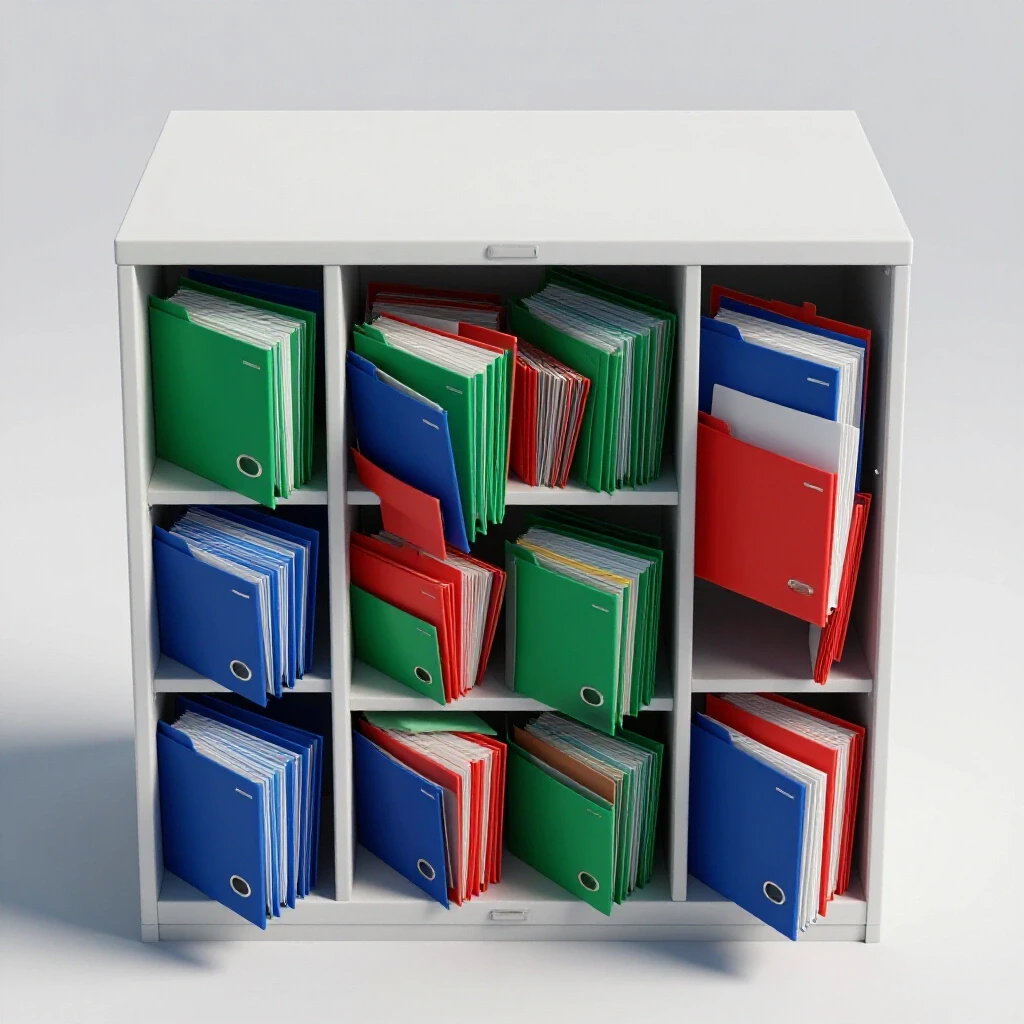
If you want your kids to help, the system must be visual. We use color-coded tabs that correspond to different meal types. Green is for vegetables, red is for meats, and yellow is for baking. My kids don’t need to read the labels to know where the pancake recipe goes. By lowering the cognitive barrier for them, I am reducing my own workload. They become part of the solution rather than the source of the clutter.
The Daily Maintenance Loop
A maintenance loop is a set of small, repeatable habits that prevent a system from degrading over time.
We spend exactly two minutes every evening “resetting” the kitchen information zone. This isn’t a deep clean; it’s a quick check to see if the binder is closed and if any loose papers are in the holding zone. In logistics, this is known as “5S” (Sort, Set in order, Shine, Standardize, Sustain). By doing this daily, we avoid the massive, overwhelming “cleanup projects” that used to take up our entire Saturday.
| Action | Frequency | Time Required | Responsibility |
|---|---|---|---|
| Clear “Holding Zone” | Weekly | 5 Minutes | Parent |
| Wipe Binder Covers | Daily | 30 Seconds | Whoever Cleans Kitchen |
| 70% Capacity Check | Monthly | 2 Minutes | System Owner |
| Annual Purge | Yearly | 20 Minutes | Family |
Advanced Organizational Metrics for the Home
This section provides measurable benchmarks to help you track the success and efficiency of your updated storage system.
To know if your system is working, you need to measure it. I track “system reversion.” This is the number of days it takes for a space to look messy again after a cleanup. Before we modified our binders and established our zones, our kitchen reverted to clutter every 3 days. Now, we go months without needing a “reset.” This is the ultimate goal of sustainable decluttering.
Another metric is “density.” If your binder is so thick it can’t close properly, the density is too high. This puts stress on the rings and makes the pages more likely to tear. We aim for a density of no more than 30 pages per inch of binder spine. This ensures the pages turn freely and the binder stays durable for years.
- Retrieval Step Count: Aim for a maximum of 3 steps to reach any recipe (Open binder -> Flip tab -> View page).
- Inflow-Outflow Ratio: For every 2 new recipes added, at least 1 old one should be removed until the 70% capacity is reached.
- Sorting Time-Box: Never spend more than 15 minutes sorting paper. If it takes longer, the system is too complex.
- Touch Points: A recipe should only be “touched” twice—once when it arrives and once when it is filed.
Overcoming Common Obstacles in Paper Management
This section addresses the typical challenges that arise when trying to maintain a physical archive and how to solve them.
One major mistake people make is trying to save everything. They see a beautiful photo in a magazine and feel a “sunk cost” attachment to it. You must remember that the paper is just a tool. If it’s not serving your daily life, it’s a burden. Another mistake is using binders that are too large. A 3-inch binder is heavy and awkward. We found that two 1-inch binders (one for savory, one for sweet) are much easier to handle and store than one giant “tome.”
We also avoid “over-categorization.” If you have 50 different tabs, you will spend more time deciding where a recipe goes than actually cooking. Stick to 5 or 6 broad categories. This reduces the “decision load” during the sorting process. Remember, the goal is a tidy, functional living space, not a library-grade filing system.
Conclusion: Sustainable Steps Toward Order
Refreshing your family’s kitchen archive isn’t a one-time event; it’s a shift in how you manage the flow of information in your home. By treating your printed recipes like a professional inventory, you can reduce the mental fatigue that comes with a cluttered kitchen. Start with a ruthless audit, engineer your binders for the “combat zone” of the kitchen, and involve your family in the daily maintenance loops.
The result is a system that works for you, rather than you working for the system. You will find that when the visual noise of loose paper is gone, the kitchen becomes a place of creativity again, rather than a source of stress. Even Barnaby will appreciate a kitchen where things stay on the counter where they belong.
Frequently Asked Questions
Why do my binders always end up messy again after a week?
This usually happens because the “retrieval friction” is too high or the system is too complex. If it’s hard to put a page away, you won’t do it. Ensure you have clear sheet protectors and that the binder is not overfilled. A “70% capacity” rule is essential to prevent rapid reversion to clutter.
What is the best way to handle recipes of different sizes?
Standardizing the “unit of storage” is key in logistics. For small clippings or odd-sized cards, tape them onto a standard 8.5×11 sheet of paper before putting them in a sheet protector. This prevents small items from slipping out and keeps the “flow” of page-turning consistent.
How do I decide what to throw away without feeling guilty?
Focus on “inventory turnover.” If you haven’t used a recipe in 12 months, the data shows you likely never will. Remind yourself that keeping “trash” makes it harder to find the “treasures” you actually love. You are not losing a recipe; you are gaining space and mental clarity.
Should I use one big binder or several small ones?
Smaller “modular” units are almost always better. A large binder is heavy and takes up too much counter space. Two or three smaller binders (e.g., Main Dishes, Baking, Quick Meals) allow you to only bring out what you need, reducing the physical footprint of the task.
How can I protect my recipes from kitchen spills?
Always use heavy-weight plastic sheet protectors. Avoid the thin, “economy” versions, as they tear easily. For recipes you use every week, consider a DIY modification like laminating the page or using a binder with a wipeable vinyl cover.
How do I manage new recipes I want to try?
Create a “Probationary Pocket” at the front of your binder. New recipes live there until they are tested. If the meal is a success, it gets a permanent spot. If not, it is recycled immediately. This prevents your main archive from being diluted by “maybe” items.
What is the 3-click rule for physical binders?
Borrowed from web design, this means you should be able to “find” your recipe in three physical moves: 1. Pull binder from shelf. 2. Flip to the category tab. 3. Open to the specific page. If it takes more steps, your categorization is too deep.
How often should I perform a deep purge of the binders?
If you follow a “one-in, one-out” rule, you may never need a deep purge. However, an annual “audit” (perhaps during the New Year) is a good habit. It takes about 20 minutes to flip through and remove anything that no longer fits your family’s eating habits.
Is color-coding worth the extra effort?
Only if it reduces “sorting speed.” For many families, color-coded tabs help children and non-primary cooks find things faster. If color-coding feels like a chore, stick to clear, bold text labels. The goal is to reduce cognitive load, not add to it.
What should I do with recipes that have sentimental value but I don’t cook?
Move these out of your “active inventory.” Sentimental items should not occupy prime kitchen real estate. Place them in a “legacy” folder and store them with family photos or in a bookshelf away from the cooking area. This keeps your kitchen archive functional.
(This article was written by one of our staff writers, Christopher Bennett. Visit our Meet the Team page to learn more about the author and their expertise.)