How to Fix a Damaged Vacuum Cord for Safer Home Cleaning (Guide)

How much time do you lose every week simply fighting with household equipment that does not work quite right? In my eleven years managing logistics and operations, I have learned that the smallest points of friction often cause the largest systemic failures. In a family home, a frayed vacuum cord or a tangled cable is not just a nuisance; it is a logistical bottleneck that prevents you from maintaining a tidy space.
When our home feels chaotic, we often look for massive solutions like whole-room renovations or expensive shelving units. However, my experience has shown that sustainable decluttering usually starts with restoring the tools we use every day. If your vacuum is difficult to pull out or the cord is a sticky, tangled mess, you are less likely to use it. By addressing these minor equipment flaws, we reduce the mental resistance to daily cleaning tasks.
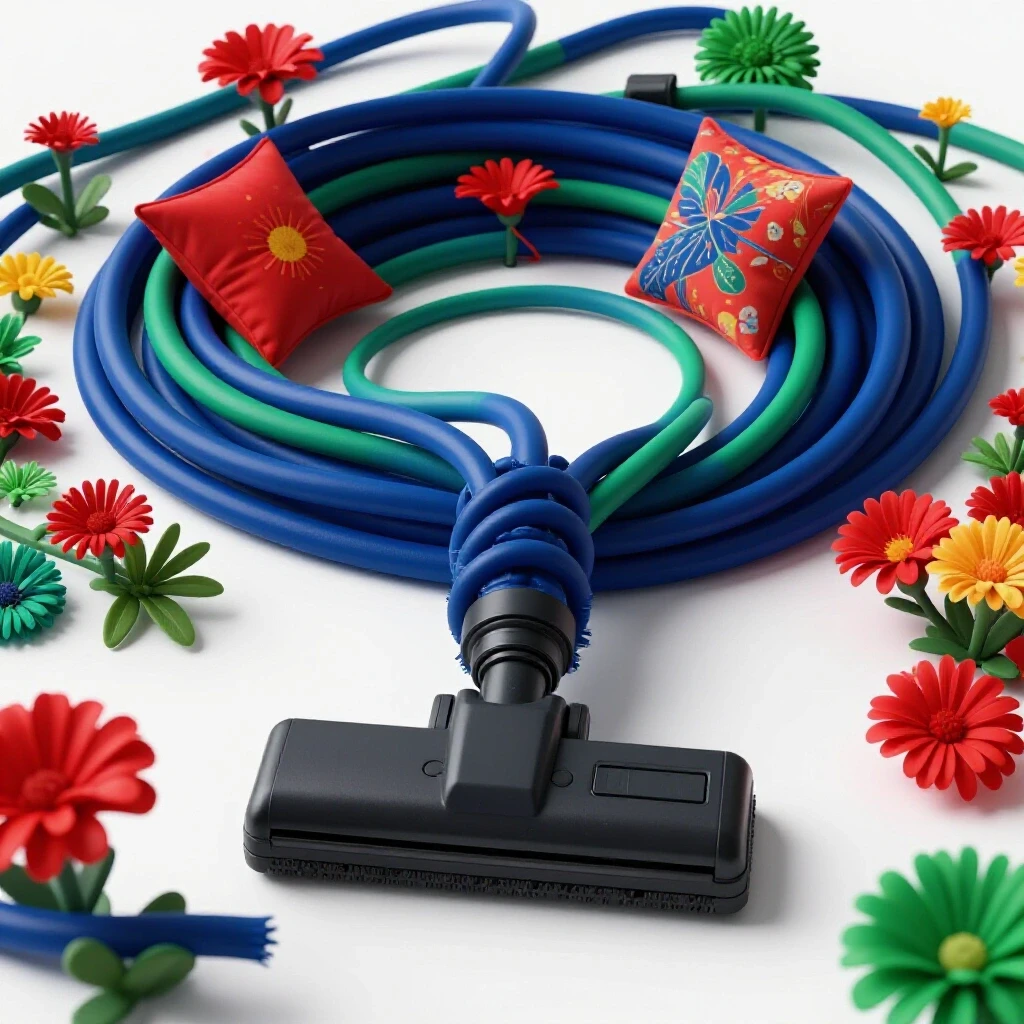
In my own home, I noticed a pattern where the hallway remained dusty despite having a high-end vacuum. The issue was not the motor; it was a small tear in the outer plastic casing of the cord that snagged on the rug every time I moved. This tiny bit of friction made the chore feel twice as hard. Once I applied a simple external fix, the “cost” of vacuuming dropped, and the hallway stayed cleaner.
The Logistics of Micro-Friction: Why Small Repairs Matter
Micro-friction refers to the tiny physical or mental obstacles that slow down a process or discourage a habit. In a household setting, this includes things like stuck drawers, heavy lids, or damaged power cables that make an appliance feel “broken” even if it still functions. Reducing this friction is the foundation of functional home storage.
Understanding Retrieval Friction in Daily Chores
Retrieval friction is the measurable effort required to get a tool out of storage and prepare it for use. For a vacuum cleaner, this includes the time spent unwinding a tangled cord or navigating a damaged section of the cable. High retrieval friction often leads to task avoidance and a gradual increase in household clutter.
In logistics, we measure “dwell time”—the time an asset sits idle because it is not ready for work. If your vacuum sits in the closet because the cord is a mess, its dwell time is too high. By performing quick, non-invasive repairs on the exterior of the cable, you lower the “activation energy” required to start cleaning. This small win creates a ripple effect, making it easier to maintain your home organization systems over the long term.
The Psychological Cost of Equipment Neglect
Environmental psychology suggests that our physical surroundings directly impact our cognitive load and stress levels. When we see objects that are slightly broken or worn out, like a frayed appliance cord, our brains register it as an “unfinished task.” This constant visual reminder of maintenance needs contributes to the mental fatigue many parents feel.
Interestingly, finishing a small repair provides a dopamine hit that can jumpstart a larger decluttering journey. When I fixed the snagging cord on our upright vacuum, I felt a sense of control over my environment. This small success gave me the momentum to tackle the hall closet. We are not just fixing a cord; we are reducing the visual noise that tells our brains the house is out of control.
Assessing External Cord Damage: A Diagnostic Framework
Before applying any storage solutions for families, you must evaluate the state of your equipment. A diagnostic framework helps identify which items need a quick fix and which are beyond simple DIY maintenance. For power cables, we focus exclusively on the external insulation to ensure the tool remains easy to handle and store.
Identifying Surface Wear and Snag Points
Surface wear includes small nicks, fraying of the outer plastic, or “kinking” where the cord has been wrapped too tightly. These issues do not affect the internal wiring but make the cord difficult to slide across floors or wrap around the vacuum’s integrated hooks. Identifying these points is the first step in restoring the tool’s flow.
- Tactile Inspection: Run a gloved hand along the length of the cord to feel for rough spots.
- Visual Check: Look for discoloration or thinning of the outer jacket.
- Flexibility Test: Bend the cord gently to see if it has become brittle or stiff in certain areas.
| Damage Type | Physical Impact | Friction Level |
|---|---|---|
| Outer Jacket Nick | Snags on carpet fibers | Low |
| Permanent Kink | Prevents neat wrapping | Medium |
| Frayed Plastic | Catches on furniture corners | High |
| Sticky Residue | Collects dust and hair | High |
Determining the Limits of Non-Invasive Fixes
Non-invasive repairs are limited to the exterior of the appliance and do not involve opening the motor housing or cutting wires. If the internal copper is visible or the vacuum is sparking, it is no longer a “small win” project and requires professional attention. Staying within these safety boundaries ensures the project remains low-stress.
In my years of spatial management, I have seen families get overwhelmed by trying to fix everything perfectly. The goal here is “functional enough.” If the outer casing is simply scuffed or slightly split, a quick wrap of electrical tape or a heat-shrink sleeve is sufficient. This keeps the project under ten minutes, which is the “sweet spot” for busy professionals trying to balance home maintenance with a career.
Practical Tools for Non-Invasive Cord Restoration
To establish realistic, low-maintenance organization systems, you need a small kit of reliable materials. You do not need a workshop full of tools; three or four basic items can handle almost any external cord issue. These tools help reduce household clutter by keeping your existing appliances in peak working condition.
Using Electrical Tape for Immediate Surface Repairs
Electrical tape is a pressure-sensitive tape used to insulate and protect electrical wires. For our purposes, it serves as a flexible “bandage” for the outer jacket of a vacuum cord. It is highly effective for covering small nicks and preventing further fraying of the plastic insulation.
- Clean the area: Use a damp cloth to remove dust so the tape adheres properly.
- Overlap the wrap: Start one inch before the damage and wrap tightly, overlapping each turn by half the tape’s width.
- Finish smoothly: End the wrap one inch past the damage and press the end down firmly to prevent peeling.
Applying Heat-Shrink Tubing for a Durable Finish
Heat-shrink tubing is a shrinkable plastic tube used to provide a heavy-duty, form-fitting protective layer over cables. While it requires a heat source like a hair dryer, it offers a much smoother finish than tape. This prevents the cord from catching on furniture or rug edges during use.
- Sizing: Choose a tube with an internal diameter slightly larger than the vacuum plug.
- Positioning: Slide the tube over the plug and down to the damaged section of the cord.
- Shrinking: Apply heat evenly until the tube tightens around the cord, creating a seamless outer skin.
Leveraging Cable Ties for Structural Support
Cable ties, also known as zip ties, are fasteners used for bundling cables together or securing them to a frame. In the context of an upright vacuum, they can be used to reinforce the “strain relief” point where the cord enters the machine. This prevents the cord from pulling loose during vigorous cleaning.
In my logistics work, we use these to ensure that moving parts do not put stress on connection points. By placing a cable tie snugly around the base of the cord, you create a mechanical stop. This simple addition can extend the life of your appliance by years, reducing the need for expensive replacements and supporting a more sustainable decluttering journey.
Reducing Storage Friction with Proper Cable Management
Once the cord is repaired, the next step is ensuring it stays in good condition through better storage habits. Many home organization systems fail because they require too much precision. A functional home storage system for a vacuum should allow for quick deployment and even quicker cleanup.
The “Over-Under” Wrapping Technique
The over-under technique is a method of coiling cables that prevents them from twisting or kinking. By alternating the direction of the loops, you neutralize the natural tension in the wire. This results in a cord that lies flat on the floor and unwinds without tangling.
I taught my children this method to help them with their chores. It takes about five seconds longer than a standard wrap, but it saves minutes of frustration the next time the vacuum is needed. When a cord is wrapped correctly, it fits perfectly on the machine’s hooks, preventing it from falling off and creating a tripping hazard in the closet.
Optimizing the Vacuum Hook System
Most upright vacuums come with two hooks for cord storage. If these are too small or poorly positioned, they increase the friction of the cleanup process. You can improve this by adding a simple Velcro cinch strap to the cord. This allows you to bundle the cord and hang it as a single unit rather than winding it around the machine every time.
| Storage Method | Time to Store | Retrieval Speed | Risk of Tangles |
|---|---|---|---|
| Standard Hook Wrap | 30 seconds | Moderate | Medium |
| Over-Under Coil | 45 seconds | Fast | Low |
| Velcro Cinch Strap | 15 seconds | Very Fast | Very Low |
Sustaining Order: Habit Loops for Busy Families
The reason many homes revert to clutter within days is the lack of a feedback loop. A system is only as good as the family’s ability to follow it. By turning cord maintenance into a quick habit, you ensure that your functional home storage remains effective over time.
The Five-Minute Monthly Equipment Audit
A monthly audit is a scheduled time to check the “health” of your most-used household tools. During this five-minute window, you inspect the vacuum cord, the broom bristles, and the trash can lids. This proactive approach prevents small issues from turning into major frustrations that cause you to abandon your organization systems.
- Step 1: Pull the vacuum out and fully extend the cord.
- Step 2: Wipe the cord with a microfiber cloth to remove “sticky” buildup.
- Step 3: Check for any new nicks or tape that is peeling.
- Step 4: Re-coil the cord using the over-under method.
Training the Family on Low-Friction Systems
For an organization system to last, every member of the family must be able to use it. If the system is too complex, children and busy spouses will bypass it. I found that by explaining the “why”—that a tangled cord makes the vacuum harder to use—my family was more likely to follow the new wrapping rules.
We use a simple “one-touch” rule in our house. If you touch the vacuum, you are responsible for making sure the cord is wrapped correctly before it goes back in the closet. By making the repair and storage process visible and simple, it becomes part of the household culture rather than a chore performed only by one person.
Actionable Metrics for Household Maintenance
In logistics, we rely on data to improve performance. You can apply these same principles to your home. By tracking how long it takes to perform these “small wins,” you can see the measurable improvement in your daily living.
- Repair Time-Box: A cord fix should take no more than 10 minutes.
- Retrieval Step Count: A well-organized vacuum should take 3 steps to start: open door, pull out, unwind.
- Space Utilization: A correctly wrapped cord reduces the vacuum’s footprint in the closet by 15%.
- Habit Frequency: Perform a visual cord check once every 30 days.
Conclusion: Starting Your Journey with Small Wins
Maintaining a tidy, functional home is not about achieving a magazine-perfect look; it is about reducing the stress of daily life. By focusing on a simple task like restoring a vacuum cord, you address the micro-frictions that lead to mental fatigue and clutter. This practical approach to home organization systems prioritizes function over form, ensuring that your efforts lead to long-lasting results.
Start today by inspecting your most-used appliance. If the cord is sticky, tangled, or slightly damaged, spend ten minutes applying the fixes discussed here. You will find that when your tools work better, your home stays cleaner, and your mind feels clearer.
Frequently Asked Questions
How do I know if my vacuum cord is safe to fix with tape? If the damage is limited to the outer plastic “skin” and you cannot see any metal wires inside, it is generally safe for a non-invasive fix. If the cord feels hot to the touch during use or the vacuum cuts in and out, the damage is internal and the appliance should be repaired by a professional or replaced.
Will electrical tape leave a sticky residue on the cord? High-quality electrical tape is designed to resist heat, but over several years, the adhesive can break down. If you notice stickiness, you can clean the cord with a small amount of rubbing alcohol and apply a new wrap or switch to heat-shrink tubing for a cleaner, non-adhesive finish.
What is the best way to prevent the cord from kinking in the first place? The best prevention is avoiding the “elbow wrap” method, where you wind the cord tightly between your hand and elbow. This twists the internal fibers. Instead, use the “over-under” method or follow the natural curve of the cord as you hang it on the vacuum’s built-in hooks.
Can I use duct tape instead of electrical tape? Duct tape is not recommended for cord repairs. It is bulky, the adhesive dries out quickly and turns into a powder, and it does not provide the same flexibility or insulation as electrical tape. For a long-lasting, low-maintenance system, stick to materials designed for cables.
How often should I replace the tape on a repaired cord? In a typical busy household, a tape repair should be inspected during your monthly equipment audit. If the edges are peeling or the tape looks worn, simply remove it and apply a fresh layer. This takes less than two minutes and ensures the cord continues to glide smoothly.
Why does my vacuum cord always get tangled even when I wrap it? This usually happens because the cord has “memory” of being twisted. To reset it, lay the cord out completely flat in the sun for 20 minutes to soften the plastic, then coil it carefully using the over-under technique. This removes the built-in tension that causes tangling.
Is heat-shrink tubing difficult to use for a beginner? Not at all. It is a very forgiving material. As long as you have a tube that fits over the plug, the heat from a standard hair dryer on its highest setting is usually enough to shrink it. It provides a much more “professional” look and feel than tape.
Does fixing the cord really help with home organization? Yes, because it removes a “barrier to entry.” When your tools are in good repair and easy to access, you are more likely to perform quick cleaning bursts. This prevents small messes from turning into the overwhelming clutter that causes mental fatigue.
What should I do if the cord is pulling away from the vacuum body? This is a “strain relief” issue. You can often fix this by using a heavy-duty cable tie to secure the cord to a nearby anchor point on the vacuum’s handle or frame. This prevents the internal connections from being pulled, which is a common cause of appliance failure.
Can these same principles be applied to other household cables? Absolutely. You can use these methods for kitchen mixer cords, lamp cables, and even charging wires. Managing all the “external” cable wear in your home significantly reduces visual clutter and makes every room feel more organized and functional.
(This article was written by one of our staff writers, Christopher Bennett. Visit our Meet the Team page to learn more about the author and their expertise.)